W
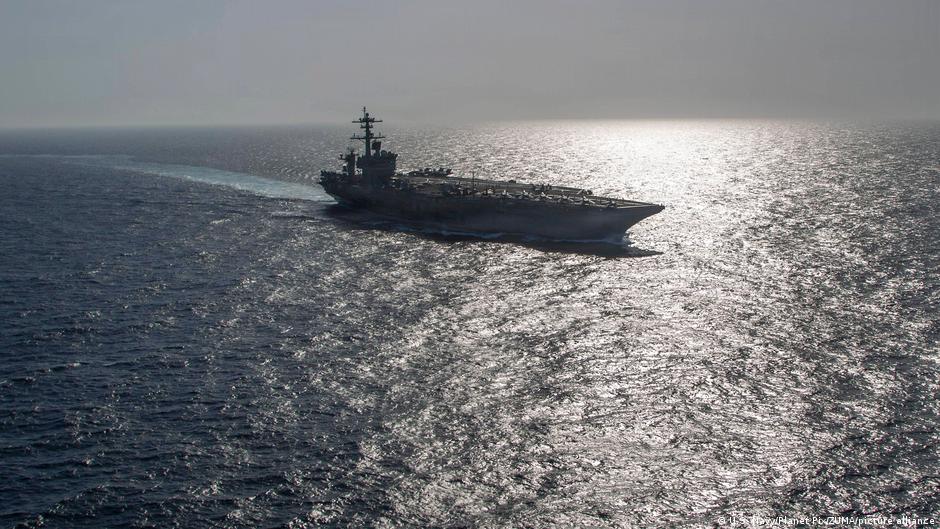
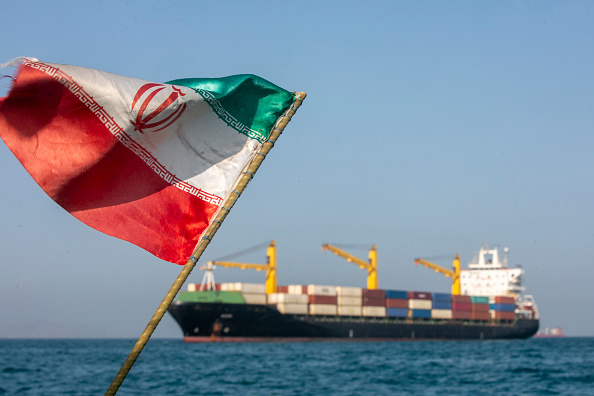
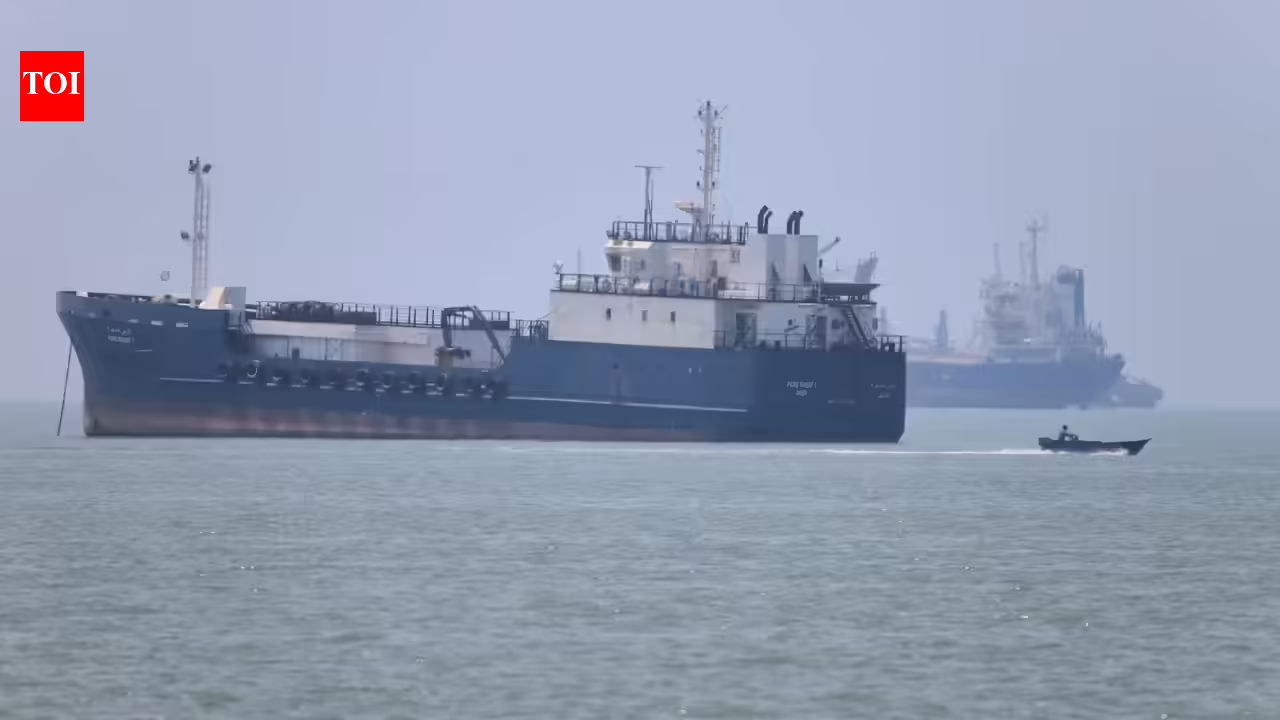
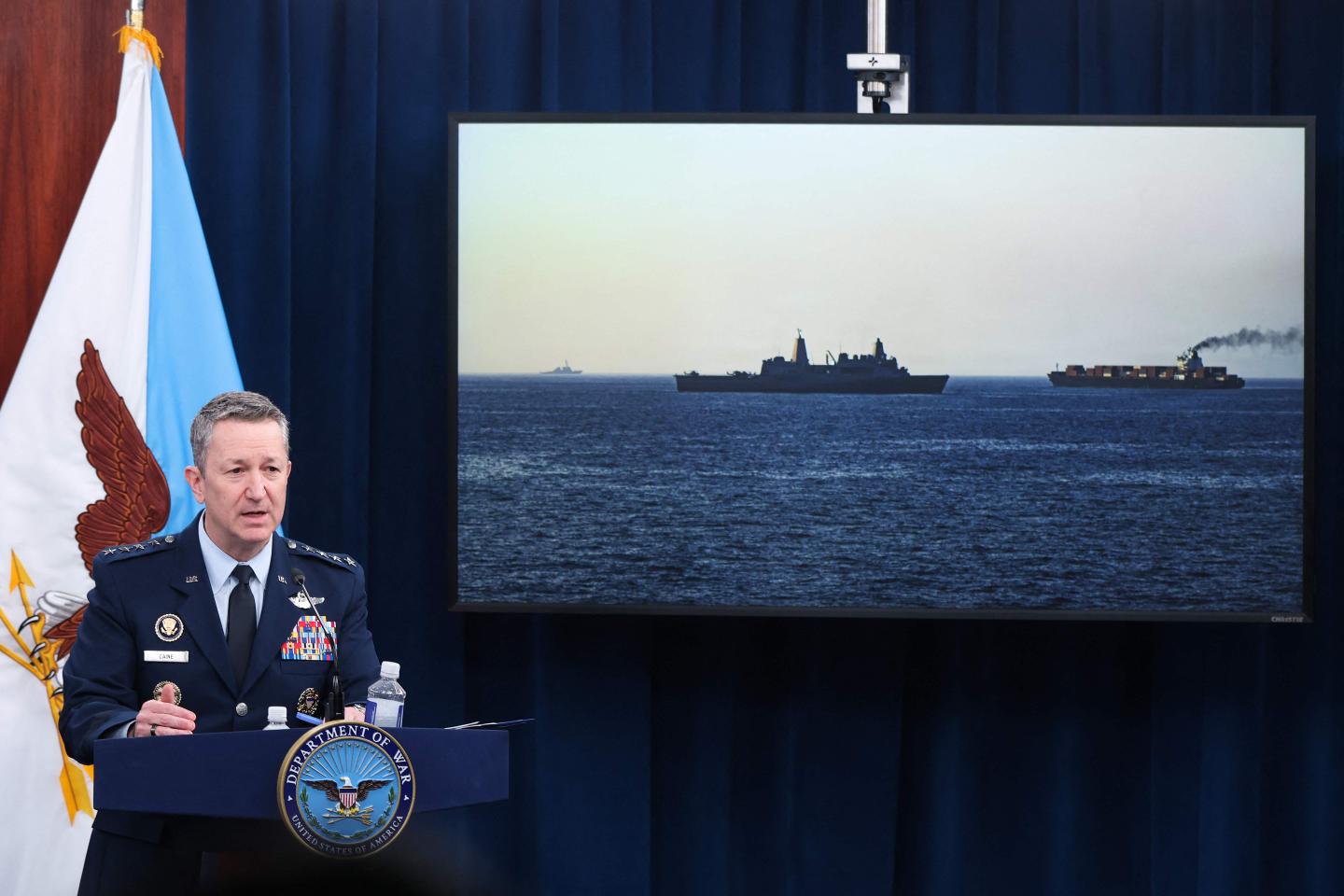
hy would they negotiate? Both sides believe, if not that they have won, at least that they hold the upper hand. Along the shores of the Gulf and the Sea of Oman, Iran and the United States are locked in a standoff. Who will give in first? The Iranians have shut off the Strait of Hormuz, while the Americans have blockaded the Islamic Republic's ports. The former are severely disrupting global activity; the latter are destroying Iran's economy. Between Washington and Tehran, negotiations have never truly begun. It is all a matter of perception.
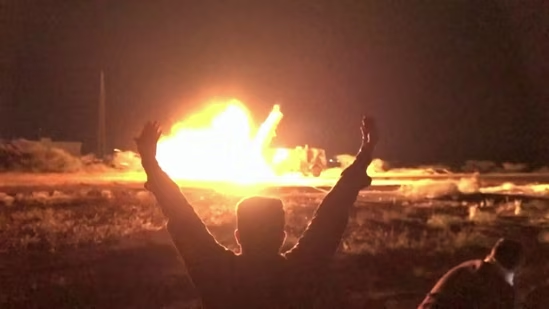
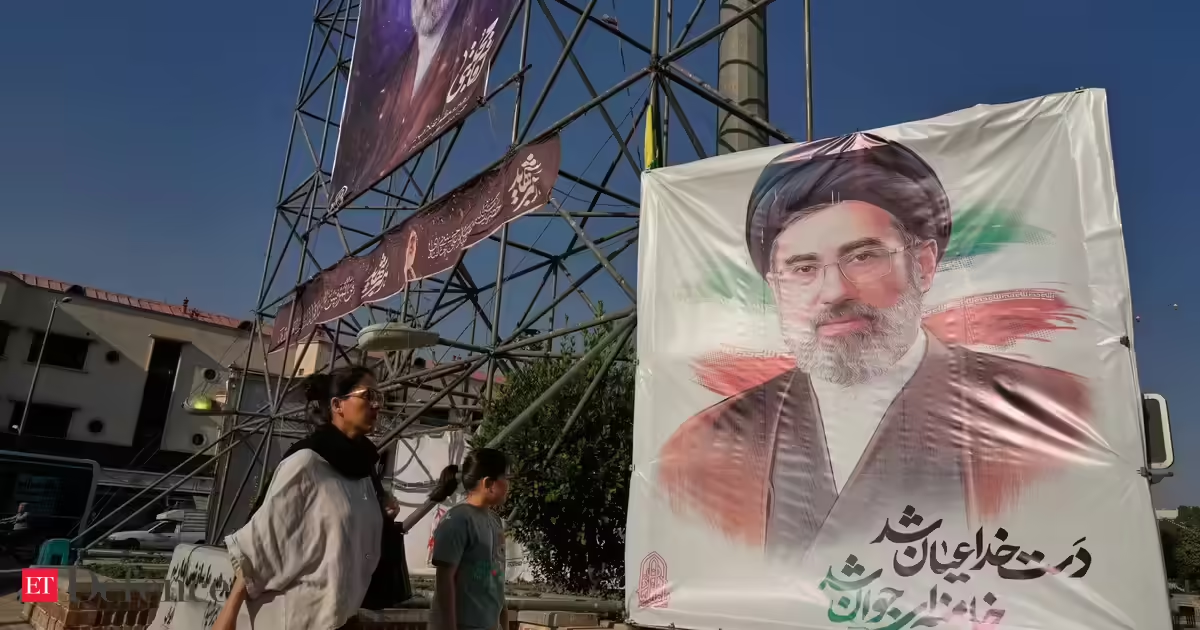
After thousands of US-Israeli strikes from late February to mid-April, the Islamic Republic is weaker than ever, yet still standing – and arguably even more radical. It has lost many of its political and military leaders. It no longer has a navy or air force. Its ability to manufacture drones and missiles has been diminished, but it is believed to have preserved 40% of its strike capability. It still possesses its stockpile of uranium enriched to extremely dangerous levels. And with control of Hormuz, the strait that commands access to and from the Gulf, it wields a massive economic deterrent. The conclusion: The US has achieved "astonishing military successes" against Iran, but its campaign does not "add up to victory," said American political scientist Kori Schake.