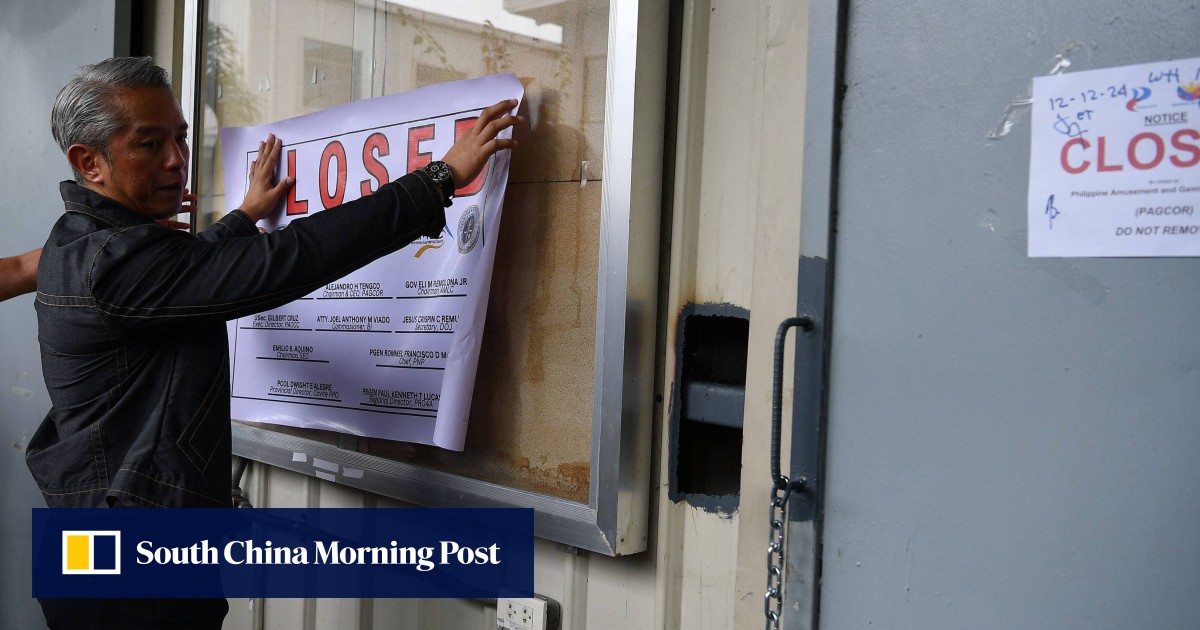
Philippine authorities have introduced a new national playbook for raiding and prosecuting online scam centres, as criminal networks once tied to the country’s offshore gaming industry splinter into smaller and harder-to-detect operations.The rules aim to close gaps exposed during earlier raids, when agencies struggled to coordinate evidence, freeze assets, identify trafficking victims and build cases against operators who often left few physical traces.Analysts and former officials said the bigger test, however, would be whether the new playbook could keep pace with criminal networks already moving from large compounds into more elusive operations.The scam centres grew out of, or hid behind, Philippine offshore gaming operators (Pogos) – once-licensed online gambling firms that expanded under former leader Rodrigo Duterte before President Ferdinand Marcos Jnr ordered them shut in 2024 over links to organised crime, human trafficking, fraud and money laundering.The new anti-Pogo rules set out how Philippine law enforcement agencies should gather intelligence, process digital evidence, handle victims and suspects, preserve assets and pursue prosecutions. Photo: ShutterstockThe new Inter-Agency Standard Operating Procedures (SOPs), approved on April 22, set out how the Presidential Anti-Organised Crime Commission (PAOCC) and other law enforcement and cybercrime agencies should gather intelligence, process digital evidence, handle victims and suspects, preserve assets and pursue prosecutions.
Can Philippines’ new anti-Pogo playbook rein in fast-moving scam hubs?
The new inter-agency rules aim to give investigators a framework tailored to Pogo-linked crime and support a coordinated response.
206 words~1 min read