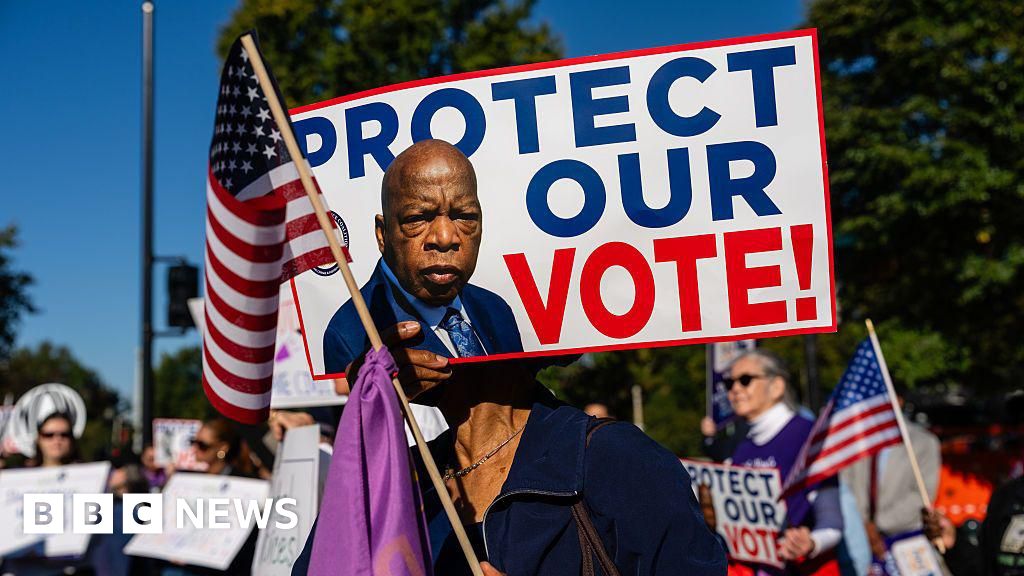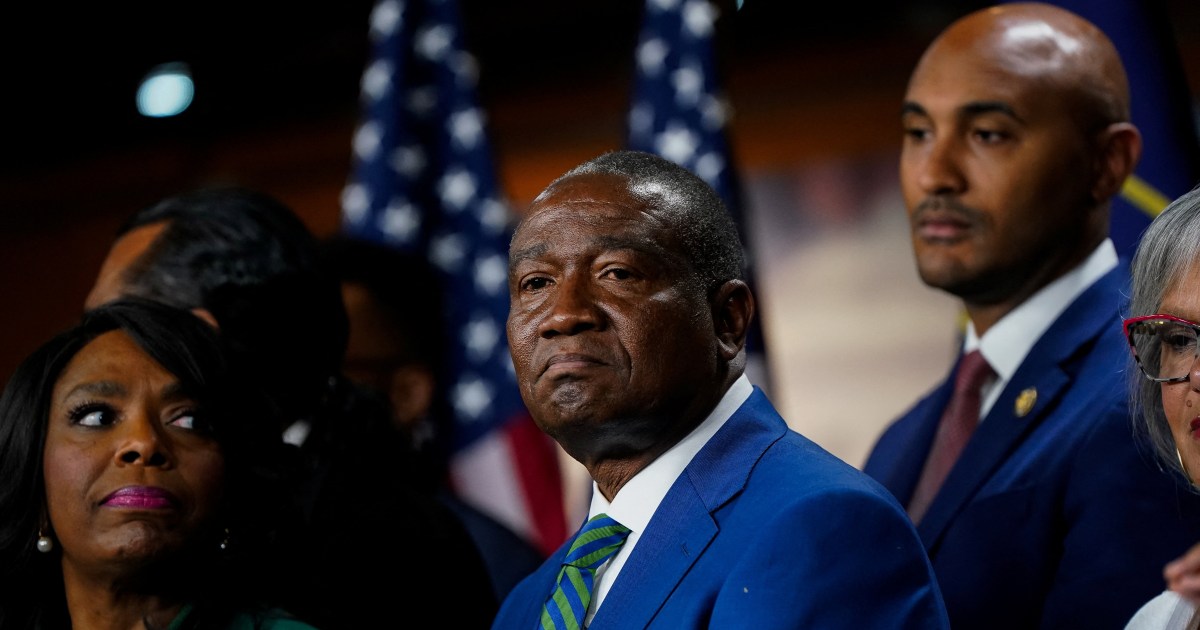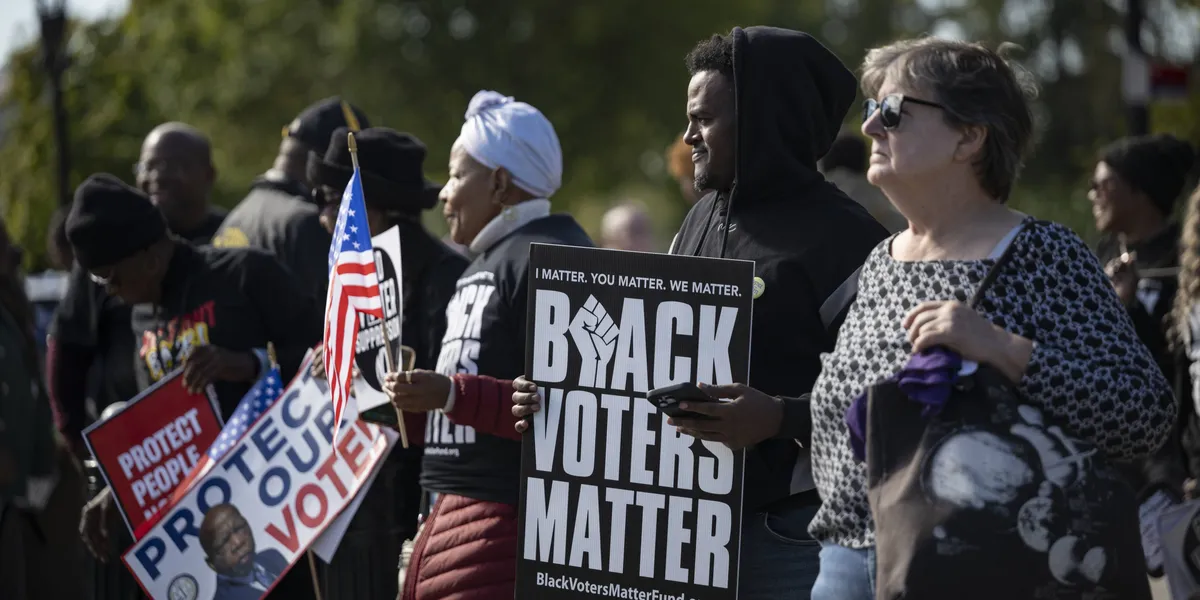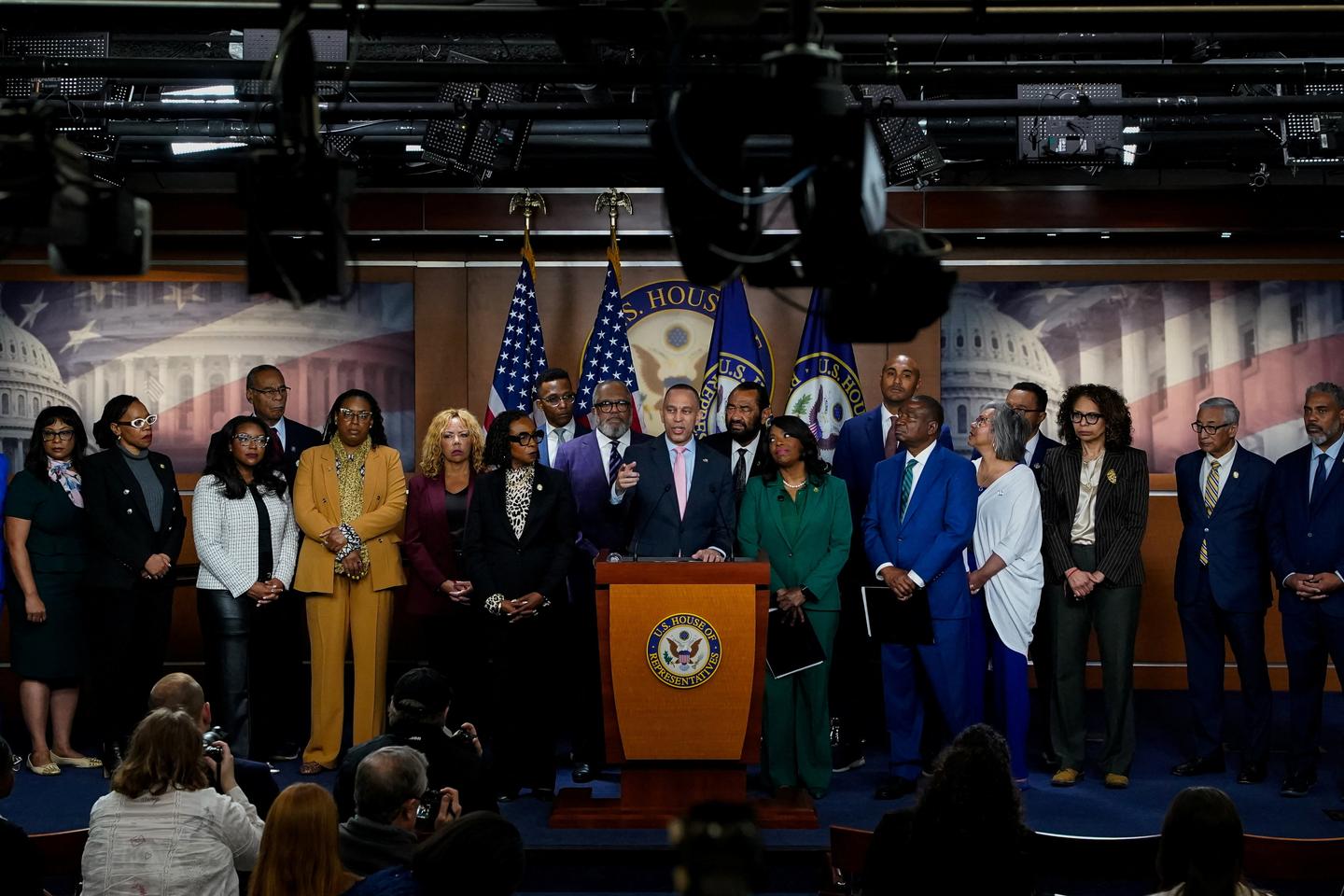
Press conference of US Representatives who are members of the Congressional Black Caucus after the Supreme Court's decision to block a redistricting plan in Louisiana, at the Capitol in Washington, April 29, 2026. ELIZABETH FRANTZ/REUTERS
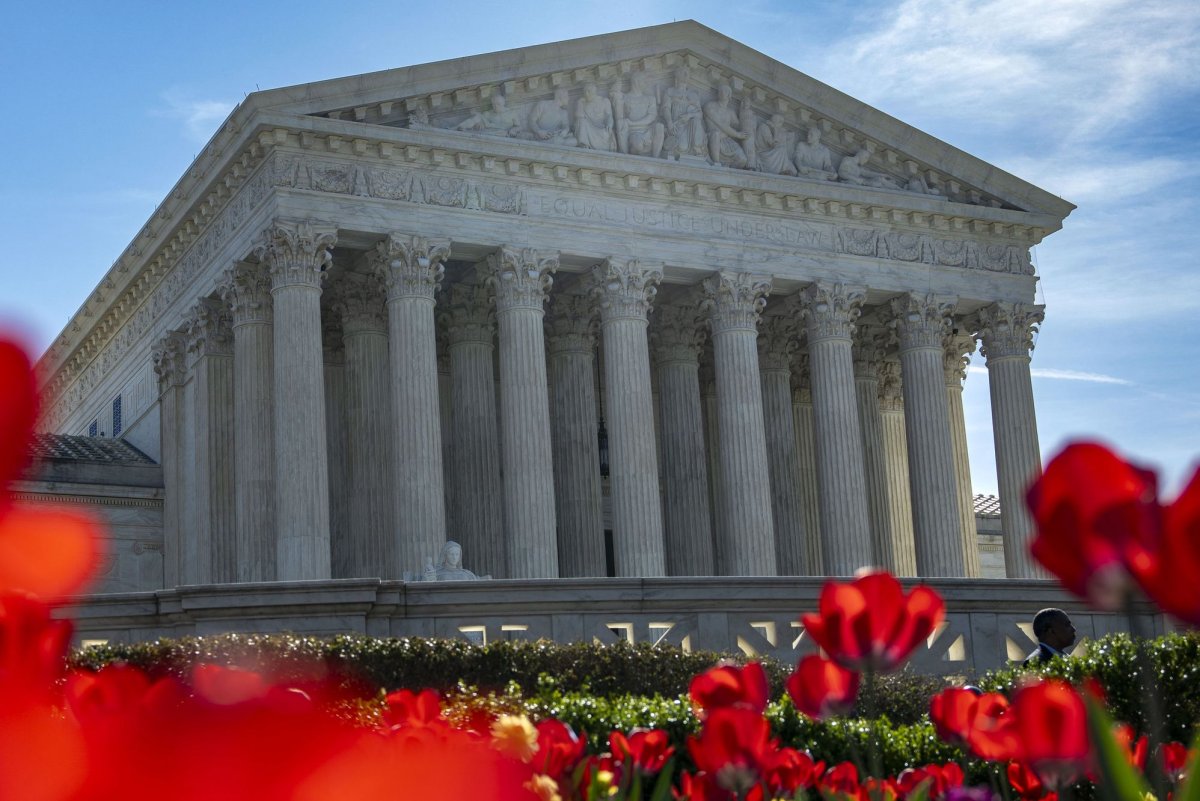
Among the many issues plaguing American democracy, partisan manipulation of electoral maps ranks high, right alongside the unchecked funding of election campaigns. Six months ahead of the midterm elections, the US Supreme Court made a landmark decision on Wednesday, April 29 – one that could ultimately reshape the political representation of America's diverse population. The conservative majority of justices (6-3) ruled, in the case of Louisiana, that an electoral map could not be redrawn using racial criteria to improve representation for African Americans.
Before the 2020 national census, only one of Louisiana's six districts for elections to the House of Representatives had a Black majority, even though the Black community makes up about a third of the state's population. The updated map was therefore intended to add a second favorable district. But it sparked a legal battle, as a group of white voters condemned what they considered a discriminatory move.