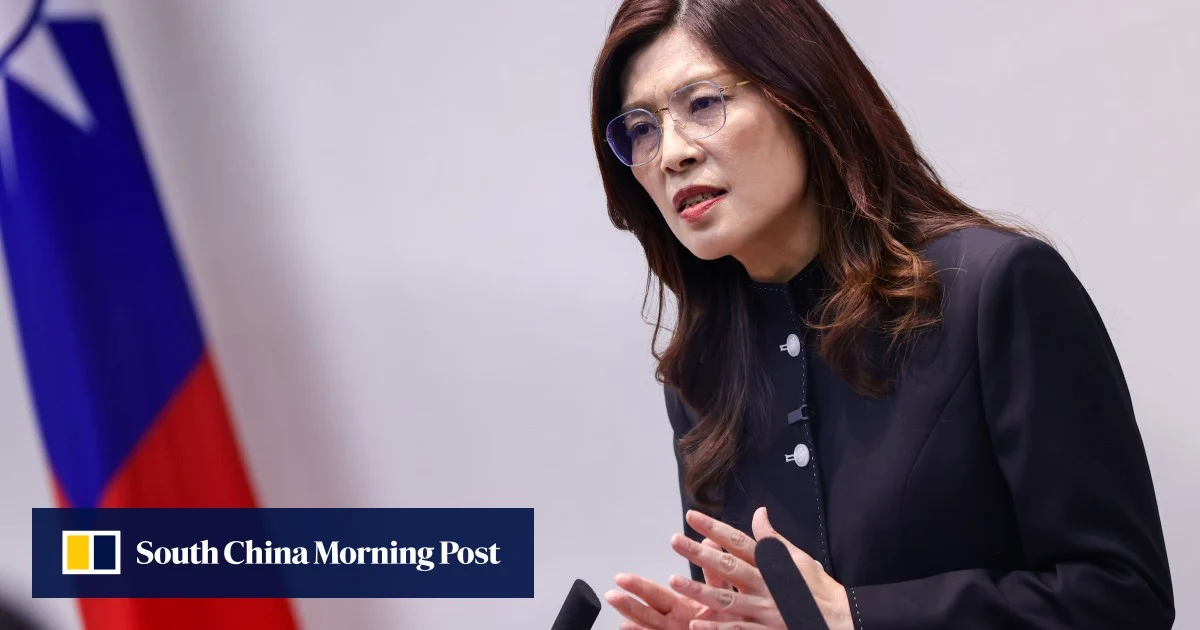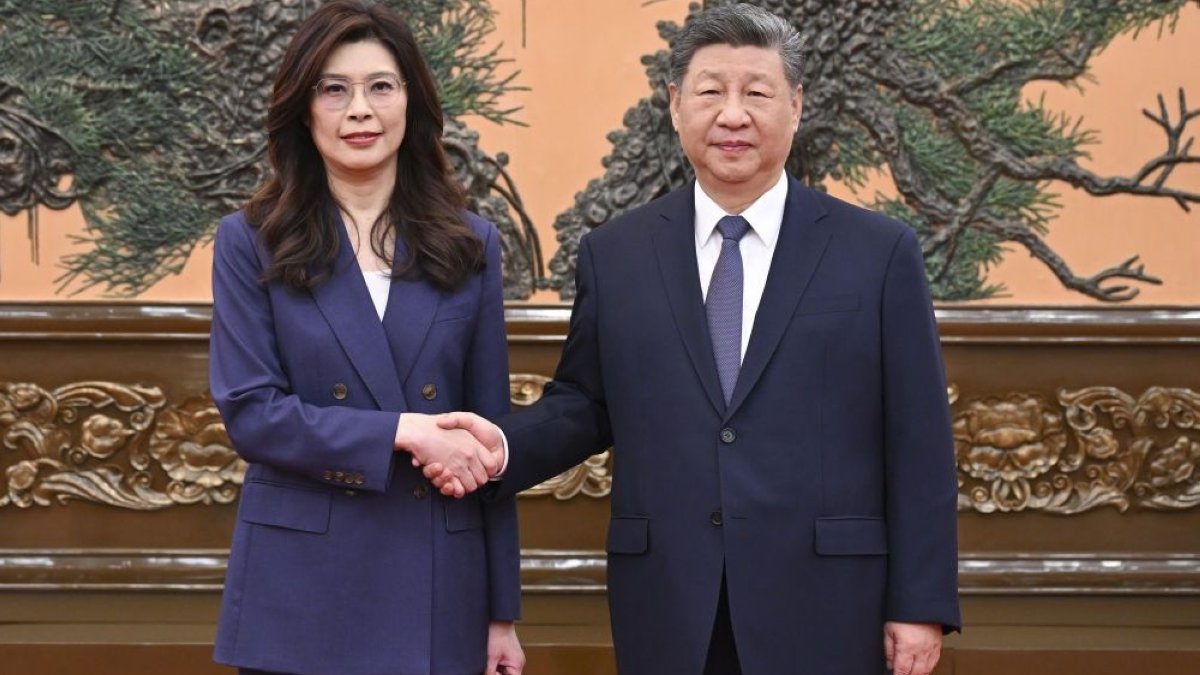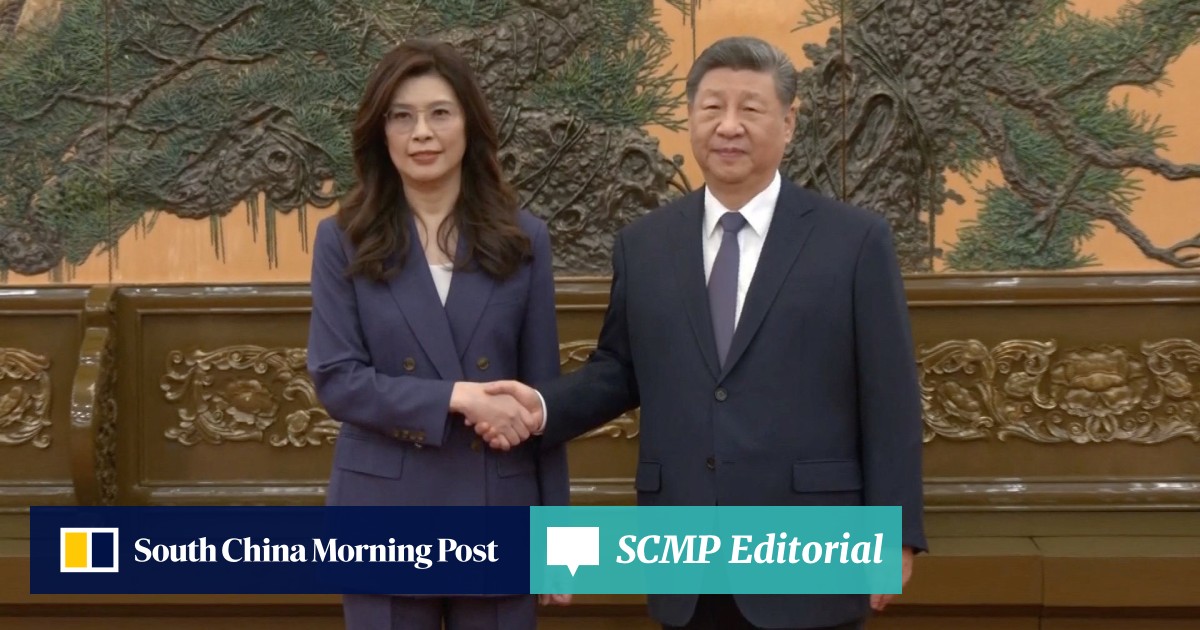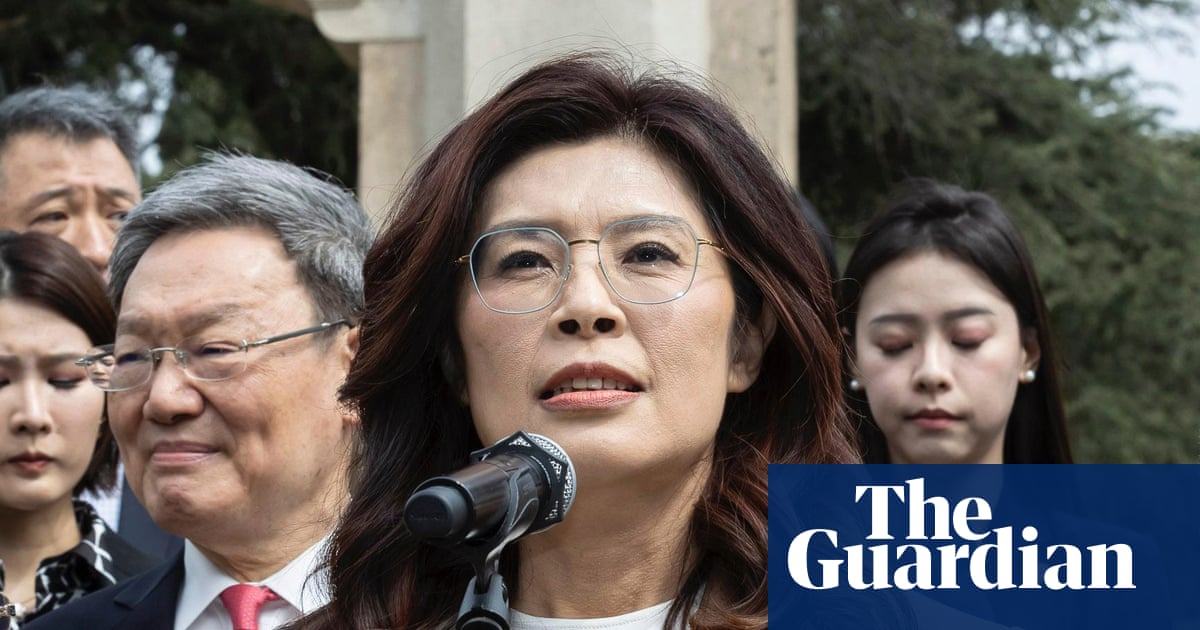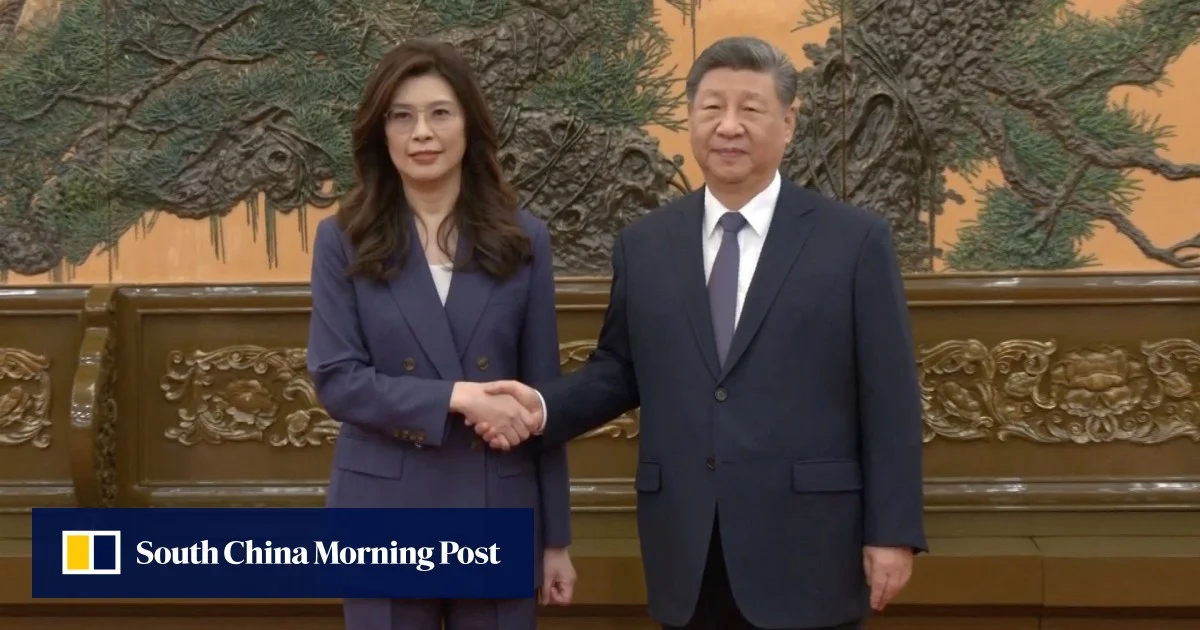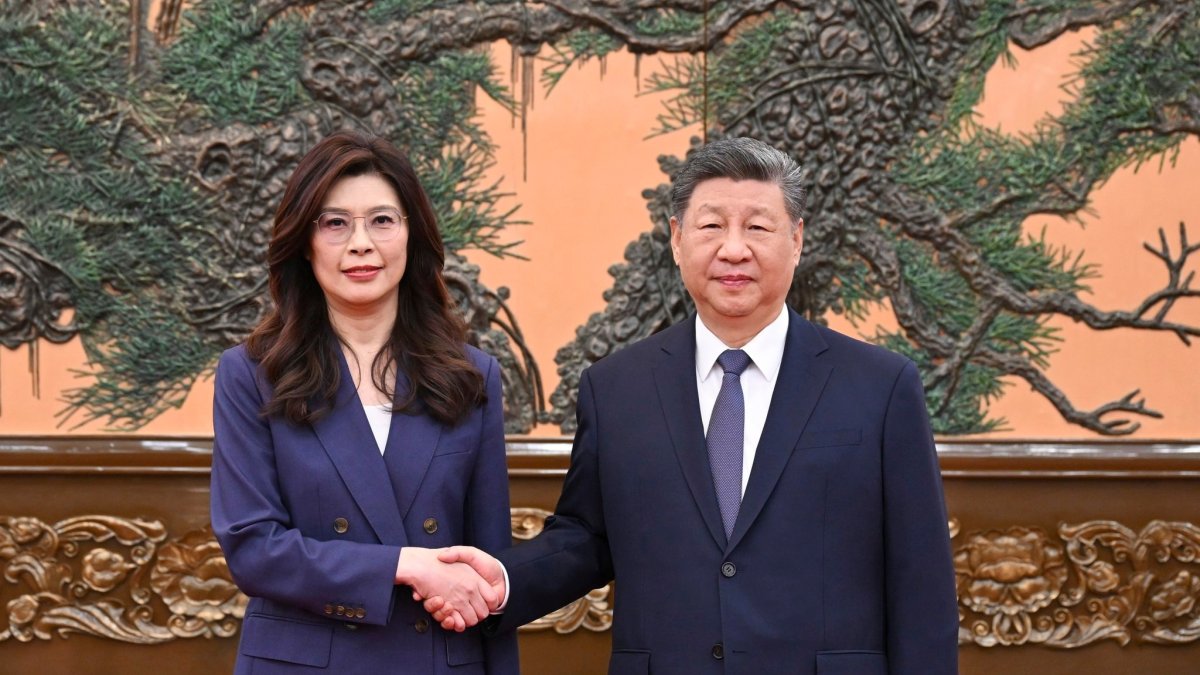
Not long ago, General Secretary Xi Jinping of the Central Committee of the Communist Party of China (CPC) met with Cheng Li-wun, Chairperson of the Chinese Kuomintang (KMT), marking the first meeting between the leaders of the CPC and the KMT in a decade.
General Secretary Xi put forward four points on advancing cross-Strait relations under the new circumstances: fostering a heart-to-heart connection on the basis of correct identity; safeguarding the common homeland through peaceful development; improving public well-being through exchanges and closer ties; and striving together for the great rejuvenation of the Chinese nation. These four points provide guidance for cross-Strait relations from the dimensions of identity, peace, integration, and rejuvenation, which have resonated strongly among sons and daughters of the Chinese nation at home and abroad, and have produced a far-reaching impact both across the Taiwan Strait and in the international community.
Both sides of the Taiwan Strait belong to one and the same China. Taiwan has been a part of China since ancient times. This statement has a sound basis in history and jurisprudence. Archaeological discoveries and historical documents attest to the profound historical and cultural ties between the two sides of the Taiwan Strait.