Parliament’s failure to change the law on a difficult issue should be the spur to democratic innovation
T
he prorogation of parliament on Wednesday signals the end of the road for the terminally ill adults (end of life) bill. The proposal to allow some patients in England and Wales, under very specific circumstances, to have medical assistance in ending their own lives was still at committee stage in the Lords when the house rose. Since it was introduced as a private member’s bill, it cannot be carried over into the next session.
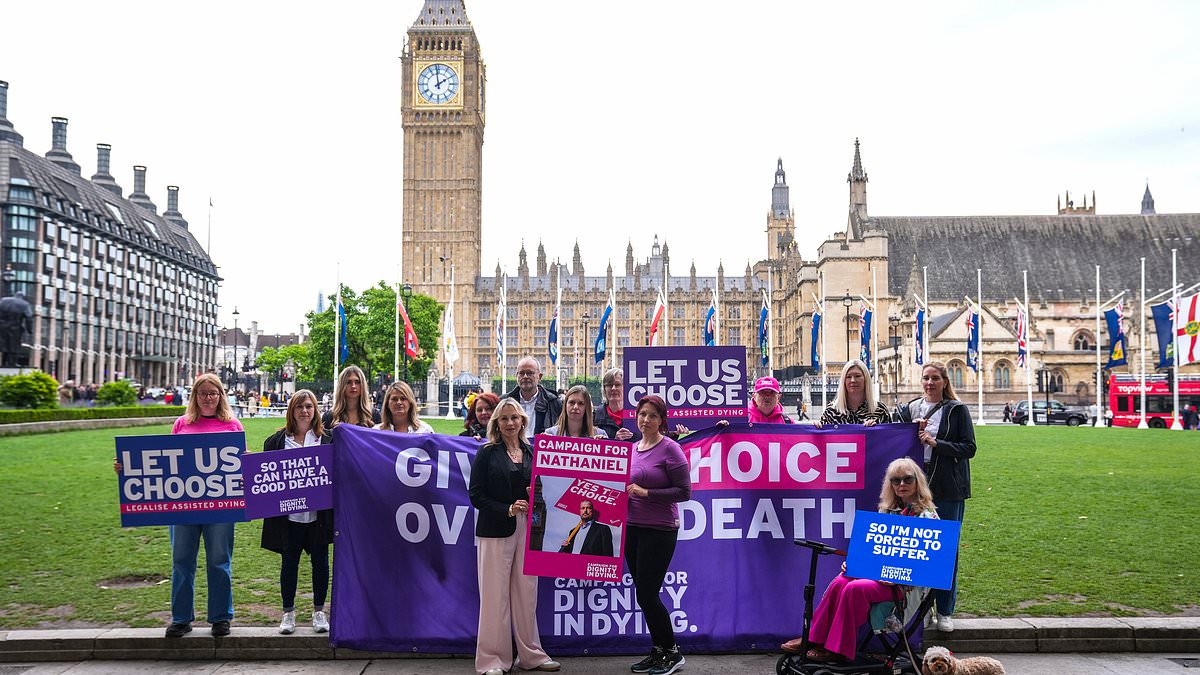
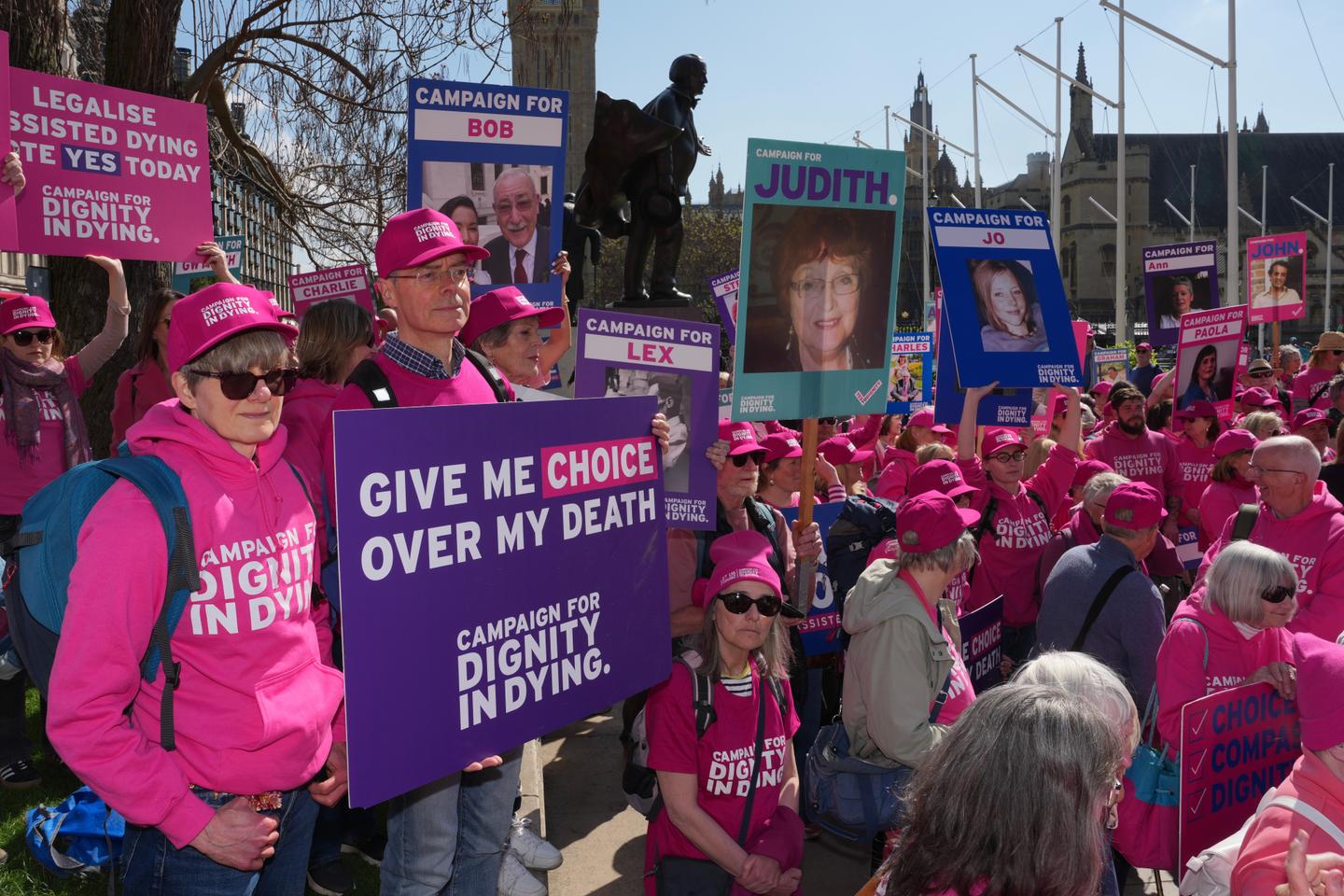
Campaigners for assisted dying are furious at what they see as procedural obstruction by unelected peers, bogging the bill down with heaps of amendments and running down the clock, thwarting the will of the elected Commons. Critics of the bill counter that the normal legislative process was followed and that the volume of amendments was a function of poor drafting, leaving practical and ethical problems that had to be addressed in the Lords.
There can be truth in both perspectives. Peers who oppose assisted dying on principle had clear motivations to prevent the bill becoming law. That doesn’t mean objections raised in the upper chamber lacked foundation.