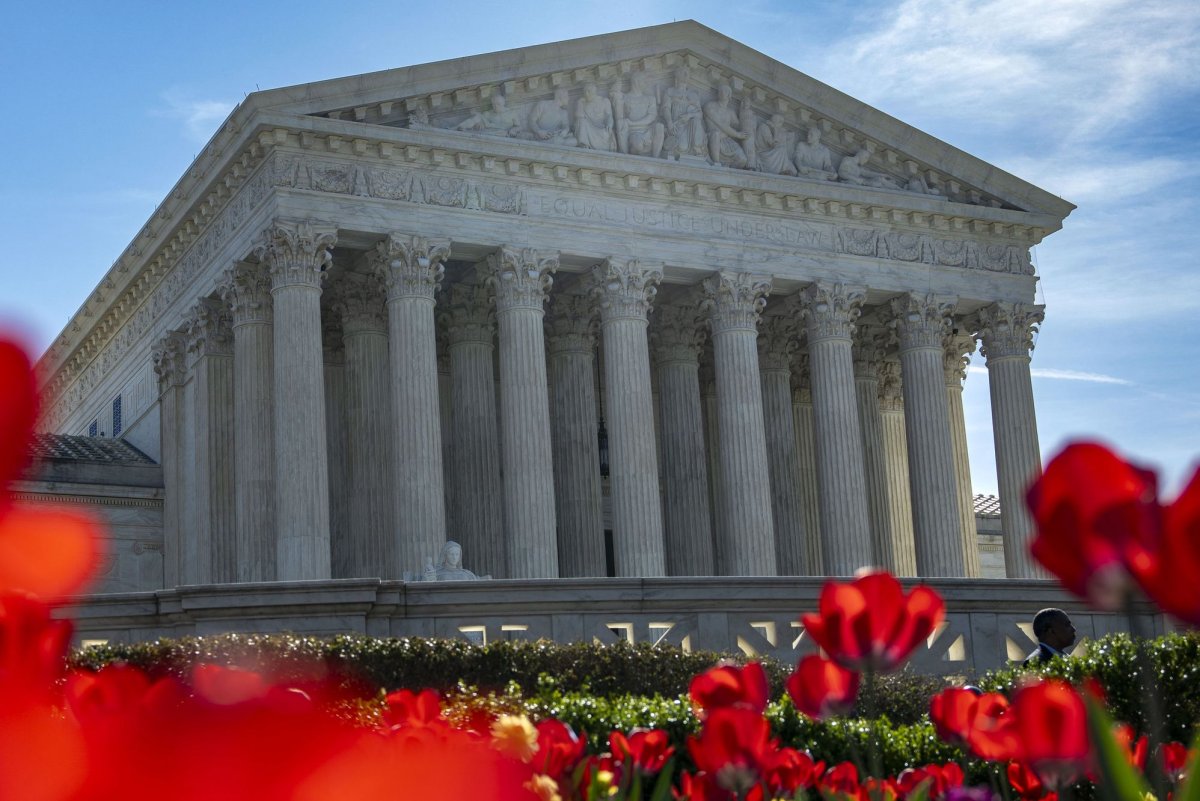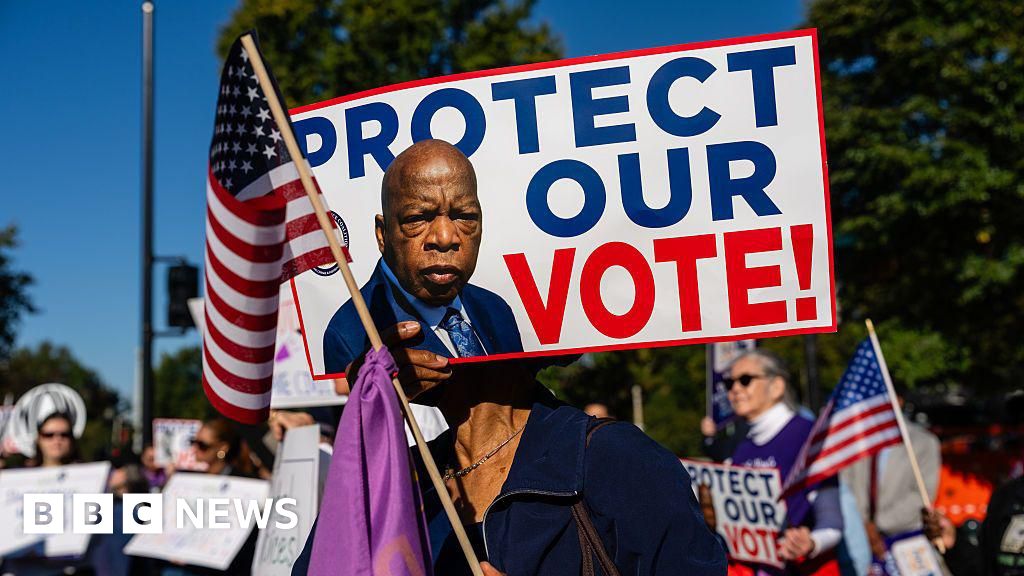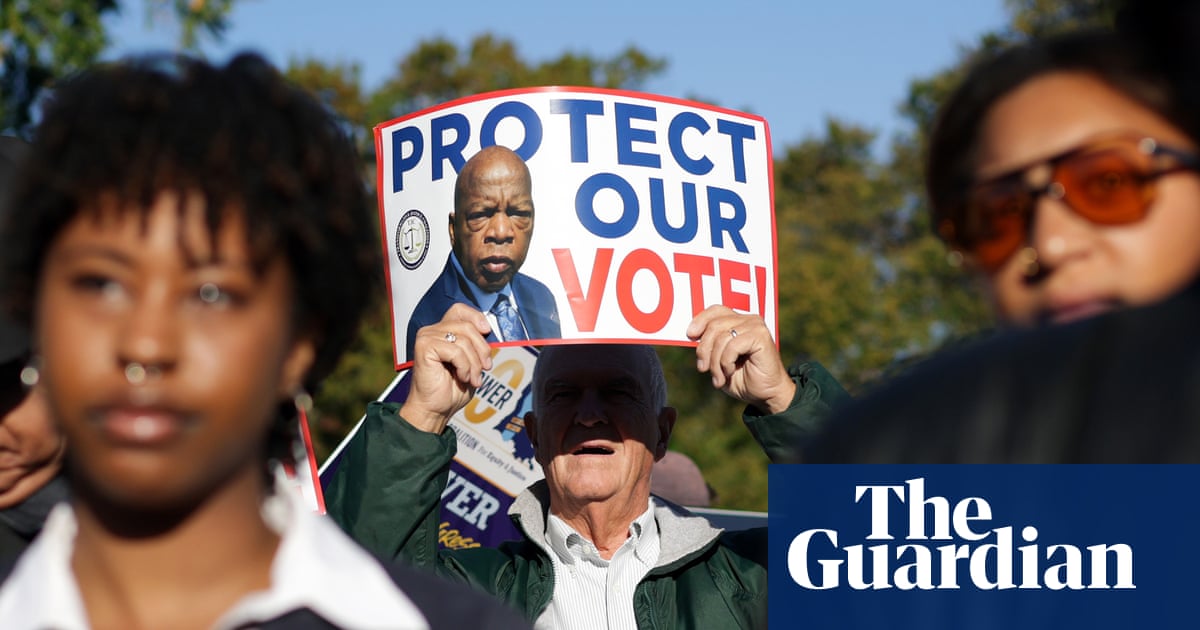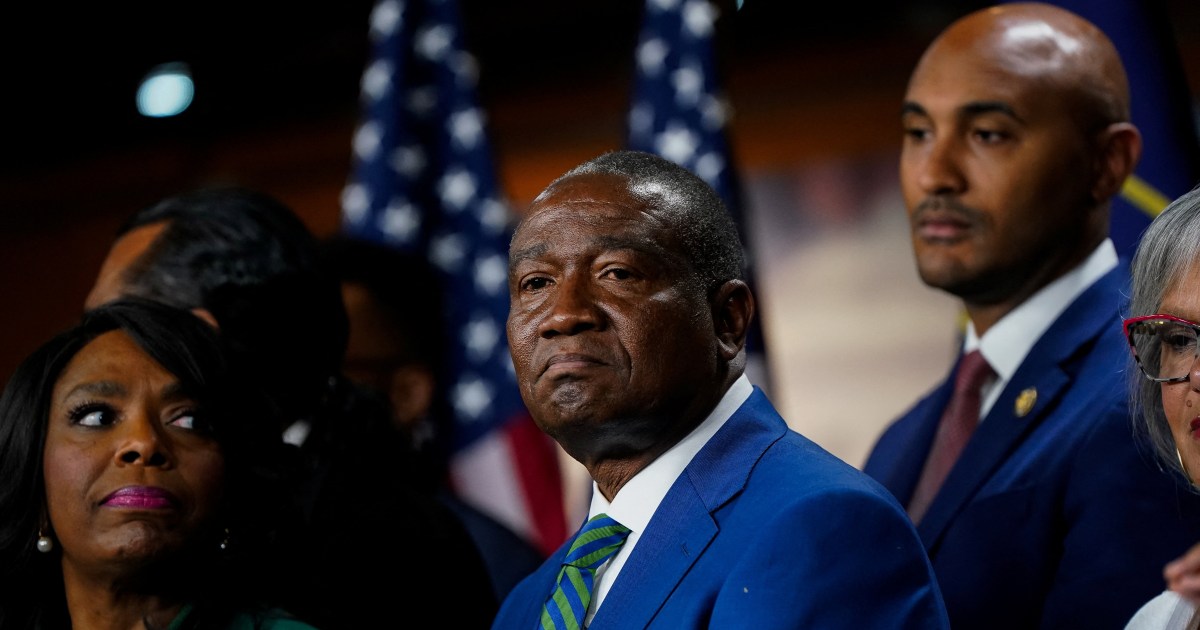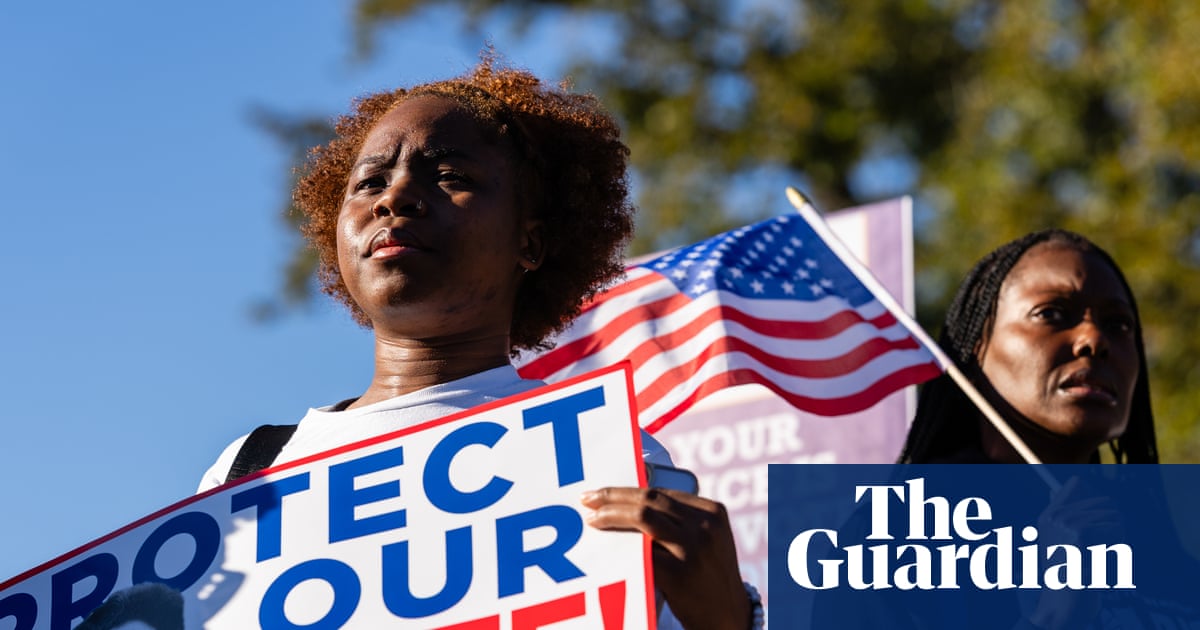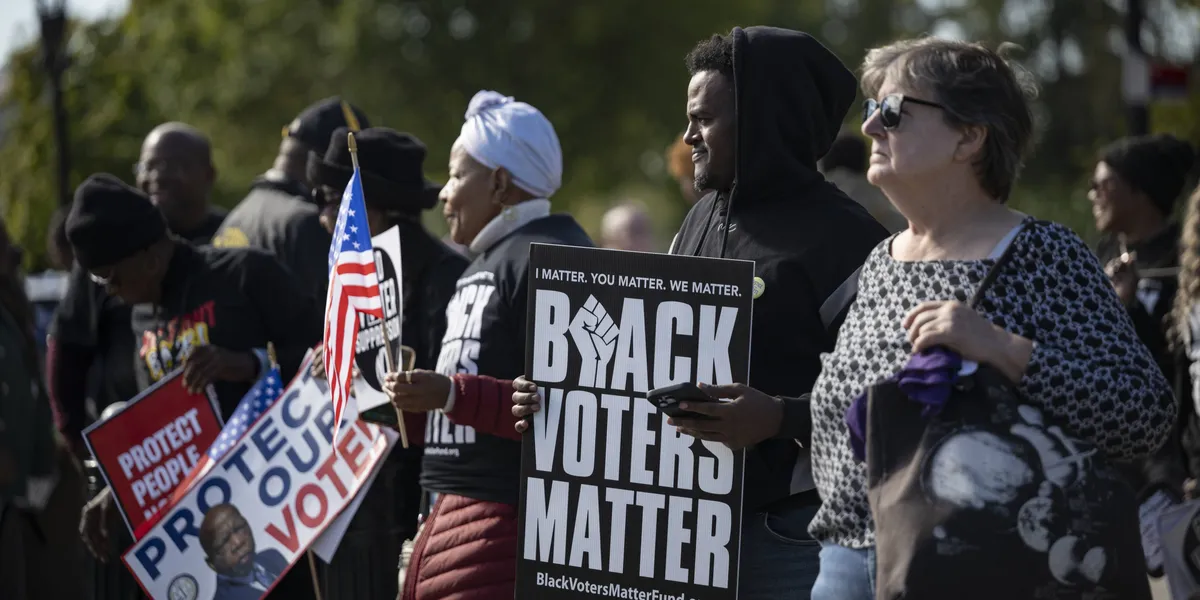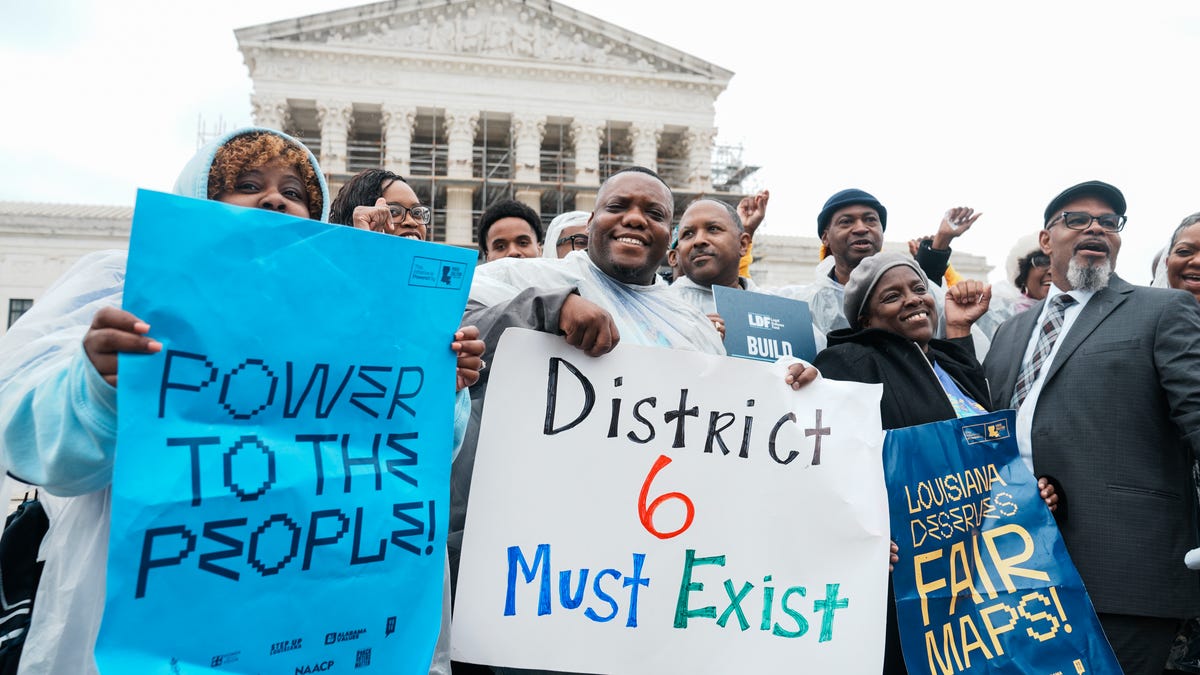
WASHINGTON – The Supreme Court on April 29 threw out a congressional map in Louisiana that had been drawn to protect the voting power of Black residents, a decision with implications for a landmark civil rights law.
An ideologically divided court sided 6-3 with the Trump administration and with the non-Black voters who challenged the map as relying too heavily on race to sort voters – and it did so just three years after upholding the 1965 Voting Right Act’s vote dilution protections for racial minorities.
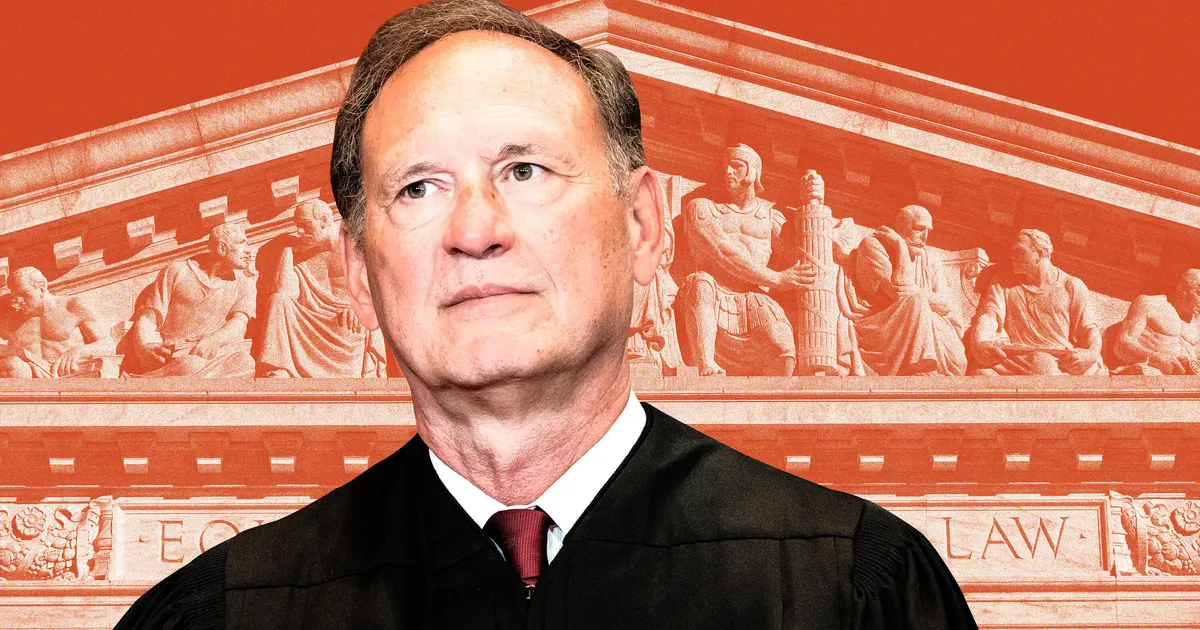
Writing for the conservative majority, Justice Samuel Alito called the map an "unconstitutional gerrymander" that violates the constitutional rights of the non-Black voters who challenged it.
The court's three liberal justices dissented. Justice Elena Kagan said the consequences of the majority's decision "are likely to be far-reaching and grave," rendering the protections of the civil rights law "all but a dead letter."
The decision could ultimately reduce the number of Black and Hispanic members of Congress and boost Republicans' chances of winning more seats in the U.S. House, where they have a thin majority. States now have a freer hand to rejigger boundaries of voting districts at all levels of government.