Killers, leeches, entitlement junkies. Scientists, engineers, nurses.
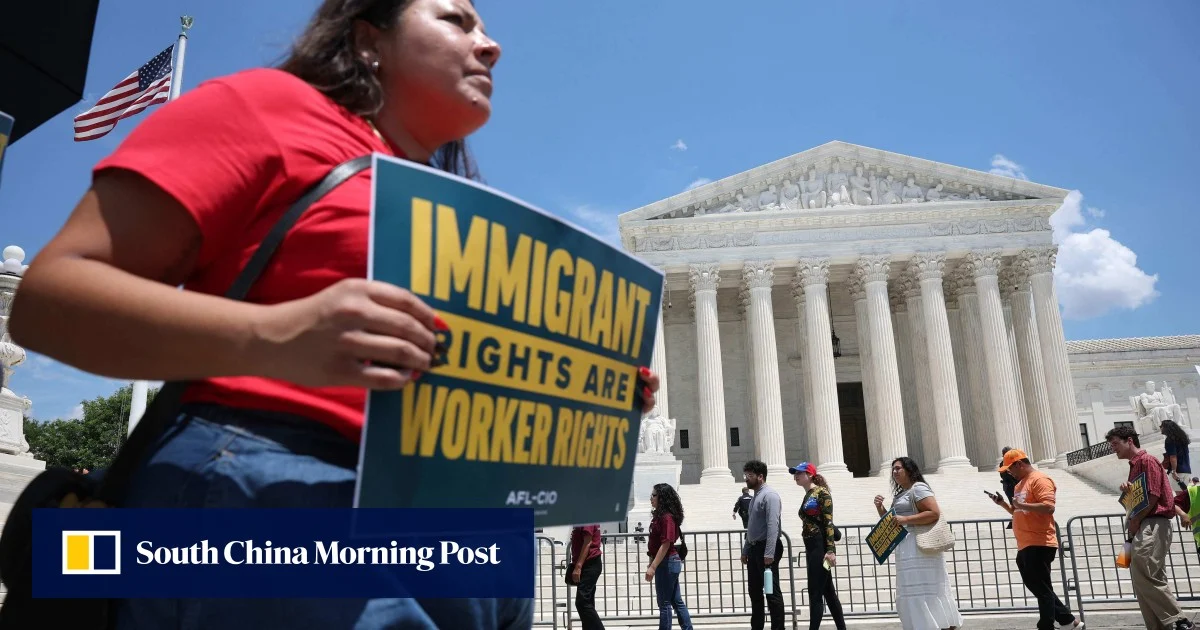
Behind the legal clash over deportation protections for Haitians unfolding in the Supreme Court is a long-running war of words to define the contributions – or the security risks – of one of the nation's oldest immigrant groups.
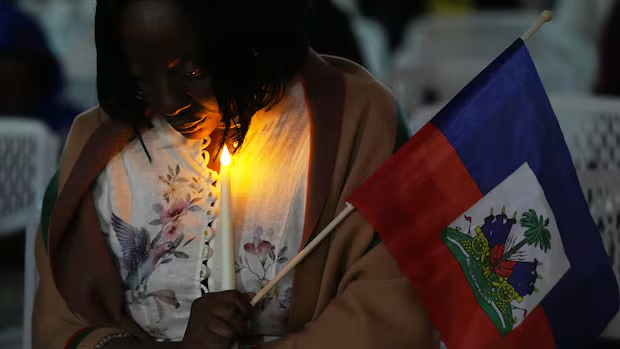
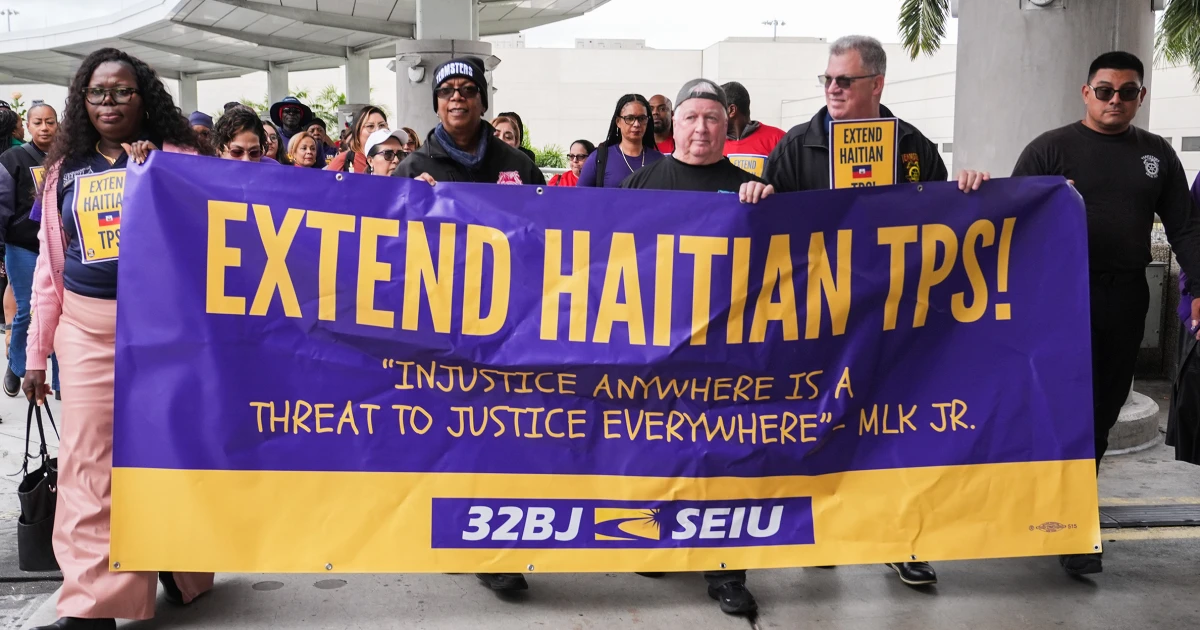
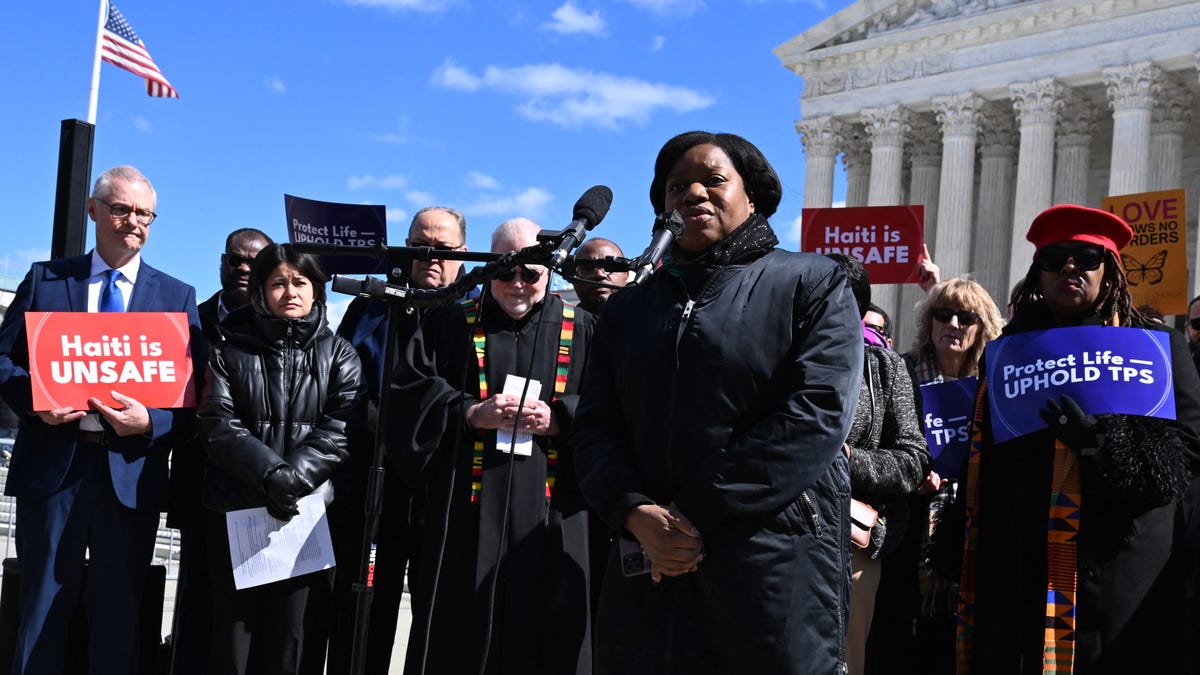
On April 29, the Trump administration will argue its rationale for ending Temporary Protected Status for Haitians in a case that could affect some 1.3 million TPS holders from more than a dozen countries. For the Haitian diaspora, the fight is the latest chapter in a long saga of the U.S. government targeting them for immigration enforcement, often in racist terms, dating back to the 18th century.
There were fewer than 1 million Haitian immigrants in the United States in 2022, according to the Migration Policy Institute, a think tank. Yet they have been a frequent target of immigration enforcement by both Republican and Democratic administrations for a half century.
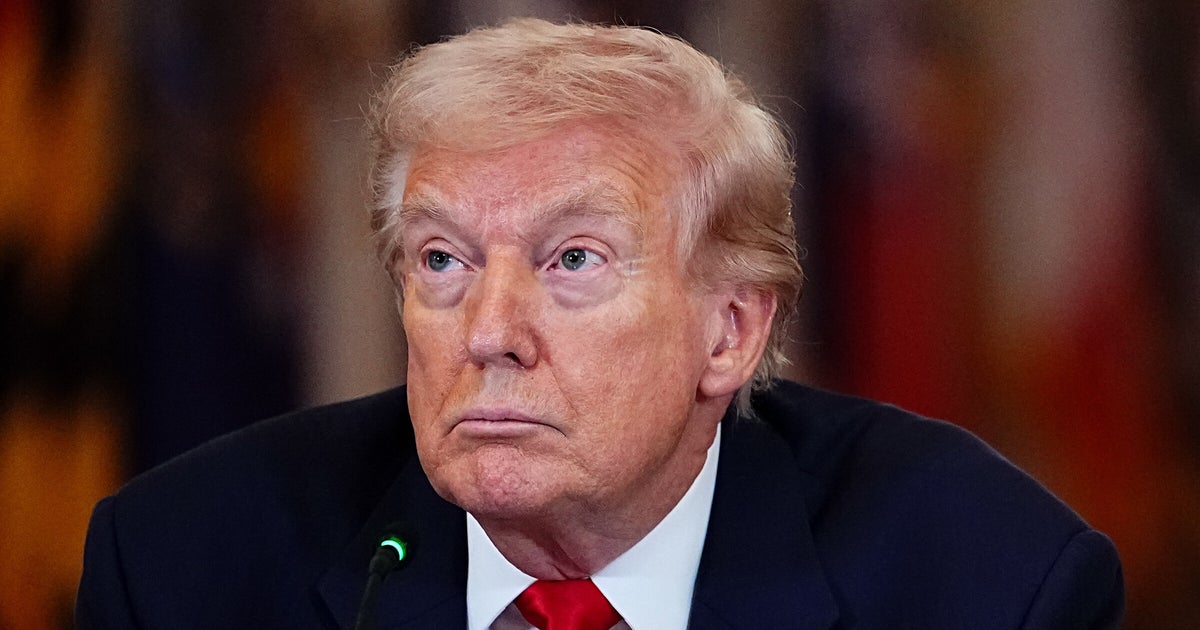
President Donald Trump's focus on Haitian immigrants stands out for the dramatic ways he has tried to define Haitian people in the United States in an effort to justify their removal, immigrant advocates say.