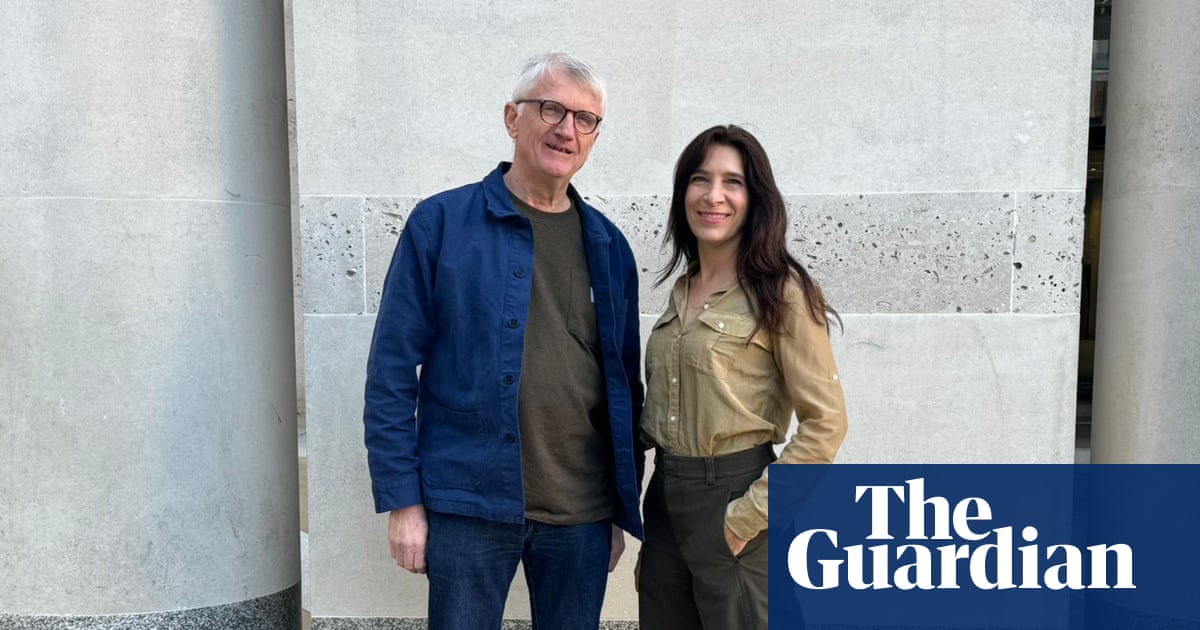
When I saw a woman with a facial difference like mine at a party, I crossed the room to speak to her. It led to one of the most joyous, exciting and transformative discussions, in which I connected with feelings I’d always ignored
A
t a fundraising event, I looked across the crowded room and saw a woman with a cleft – a gap in the lip (and sometimes the palate) where a baby’s face doesn’t fuse properly during pregnancy. She was standing on her own, and I beckoned her over to join the small group I was with. She politely declined and before I quite realised what I was doing, I was crossing the room to speak to her.
I too had been born with a cleft. I’d talked to doctors, my parents, my wife and other friends about it to varying degrees over the years, but as I walked towards her, I knew this was going to be the first time – in more than 60 years – that I was going to have a conversation about living with a cleft with someone who also has one. I was terrified I might offend her, but I said something like: “Isn’t it scary walking into a crowded room? Because it feels as if everyone is looking at us.”
Rose and I then dived straight into one of the most emotional, joyous, exciting and edgy conversations I’ve ever had. We talked about the insecurities that come from living with a facial difference, the bullying and traumas, and the way we had shaped ourselves to try to navigate a normal life – psychologically but also physically, including surgery. Rose talked so openly that it allowed me to realise and share things I hadn’t discussed with anyone. Neither of us had had that sort of depth of conversation about our clefts before. I finally felt as if I could connect with someone on a subject I’d tried to ignore all my life.