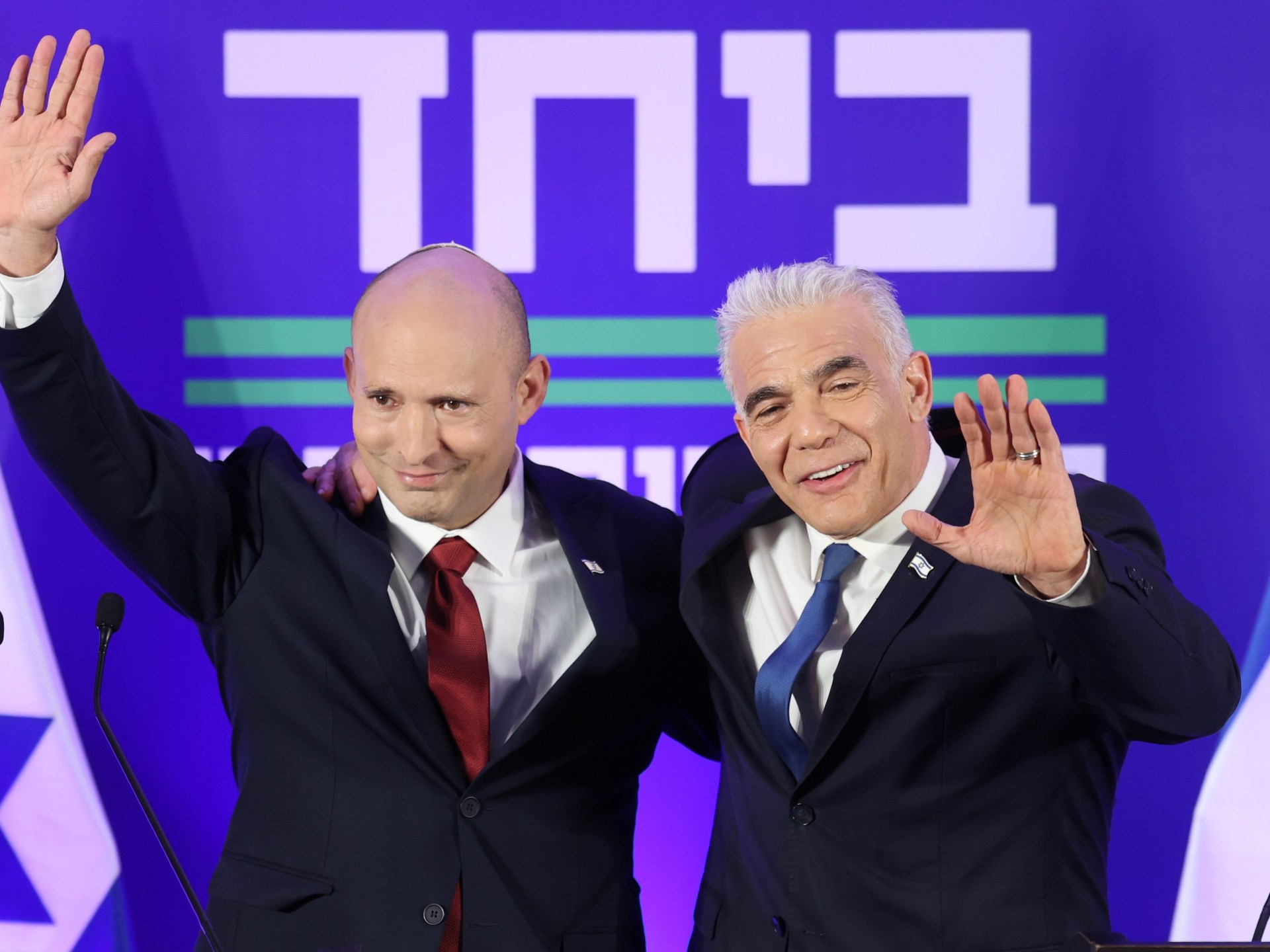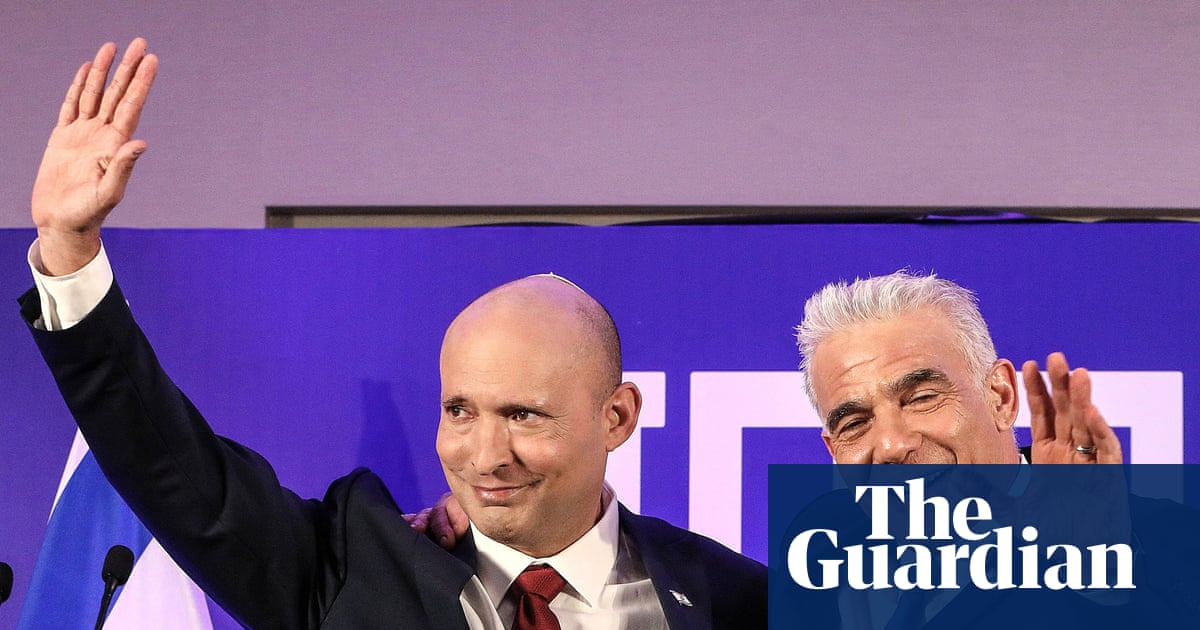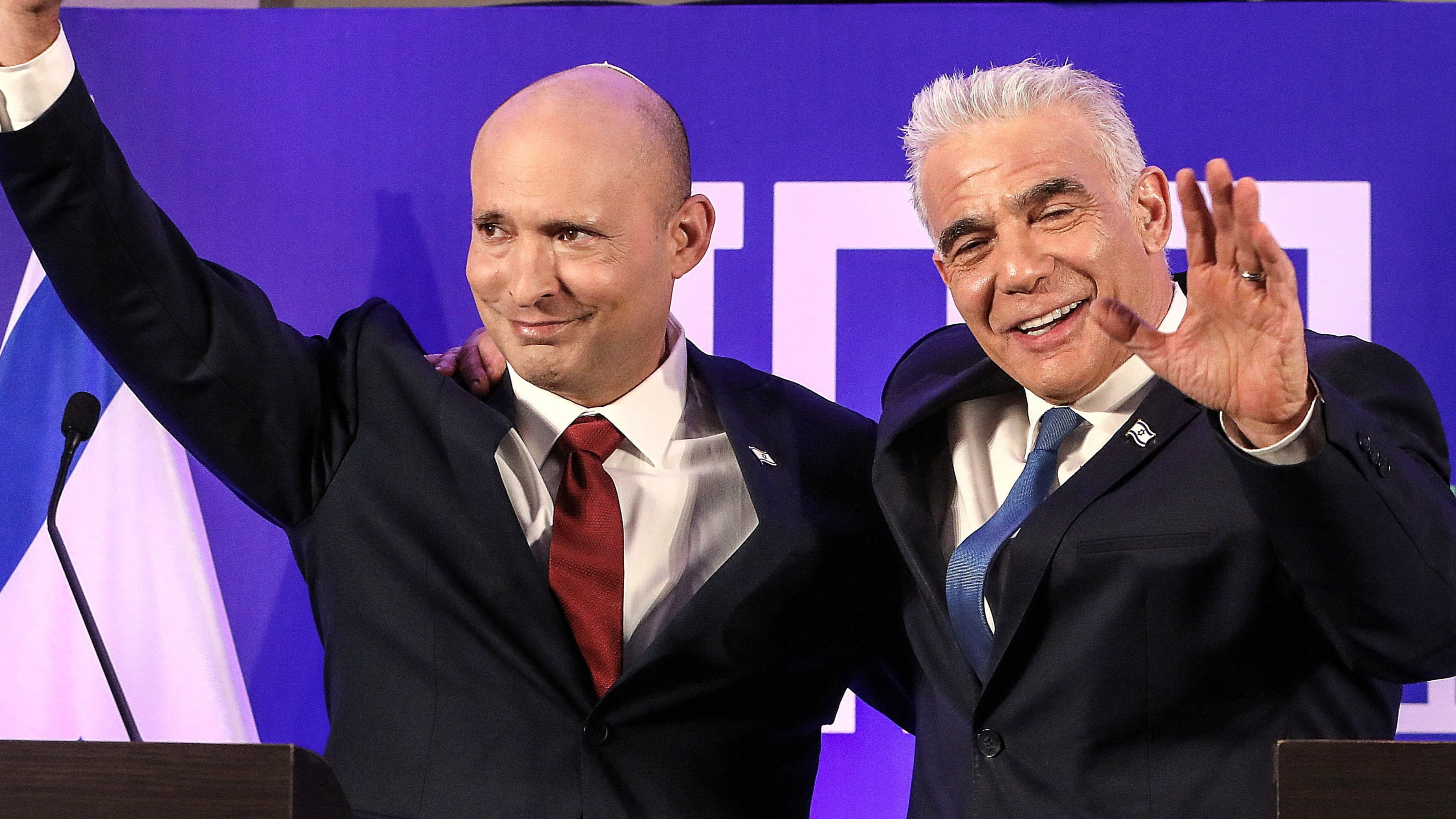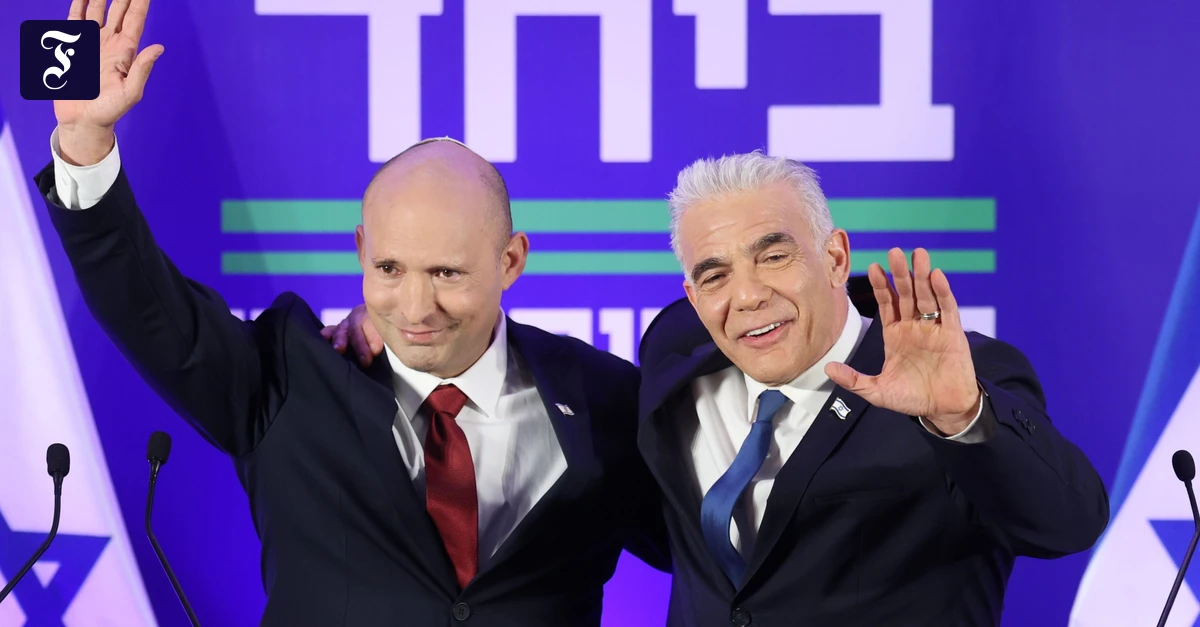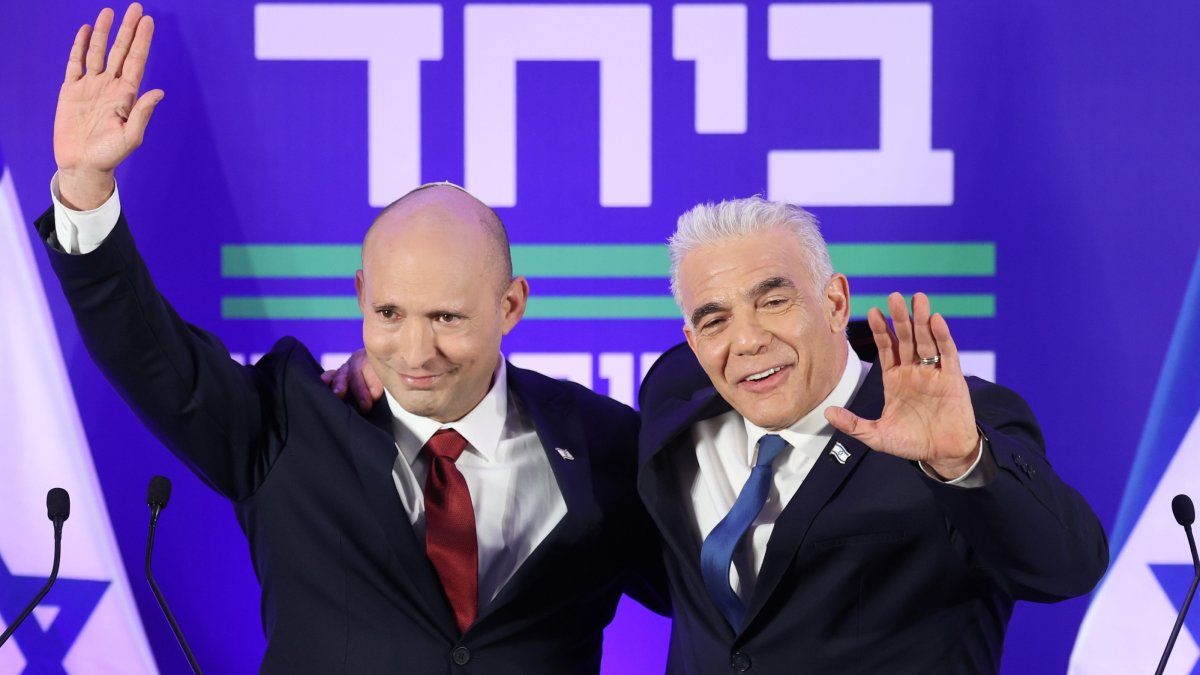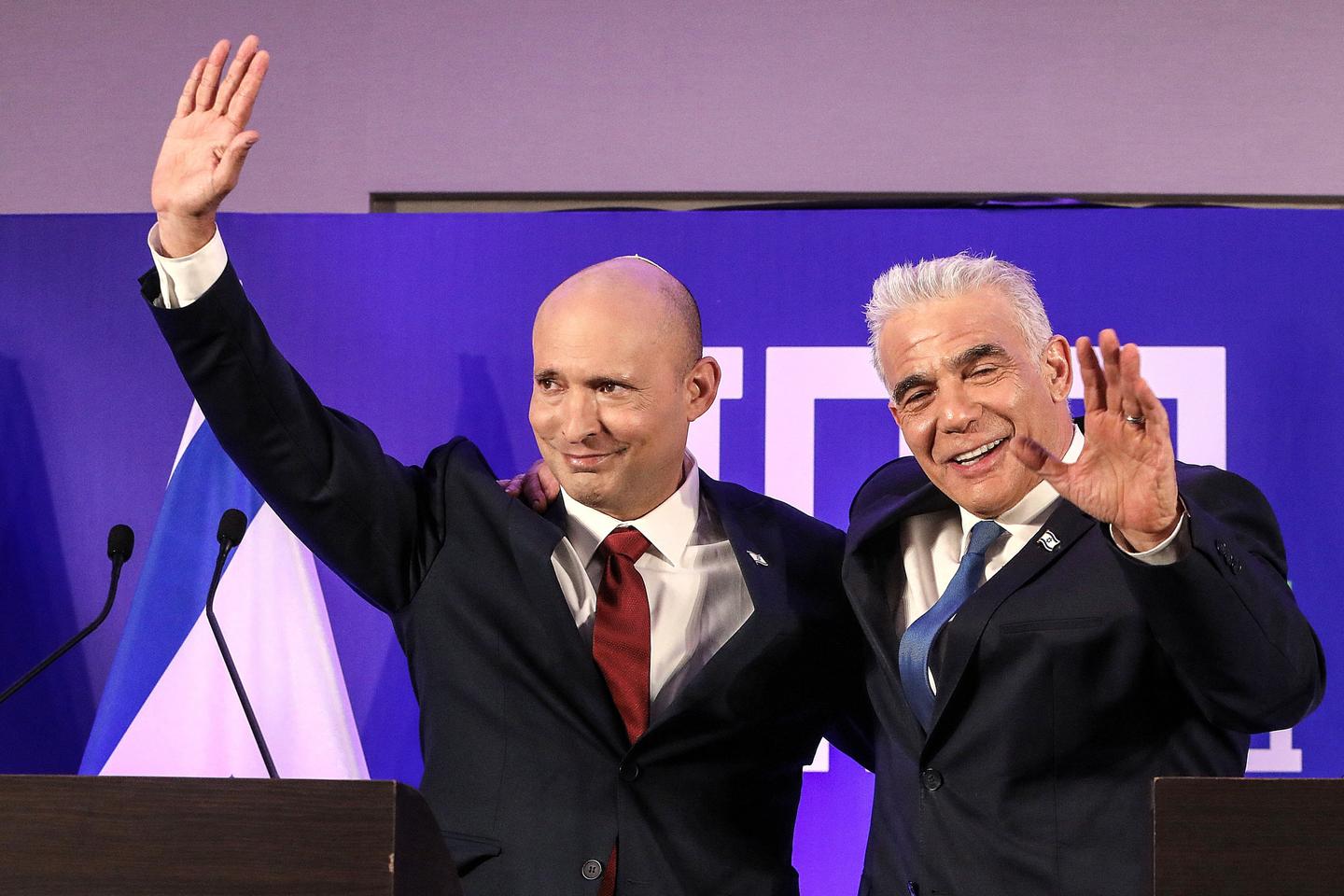
Former Israeli prime ministers and opposition leaders Naftali Bennett and Yair Lapid announce their political alliance in Herzliya, Israel, on April 26, 2026. GIDEON MARKOWITZ/REUTERS
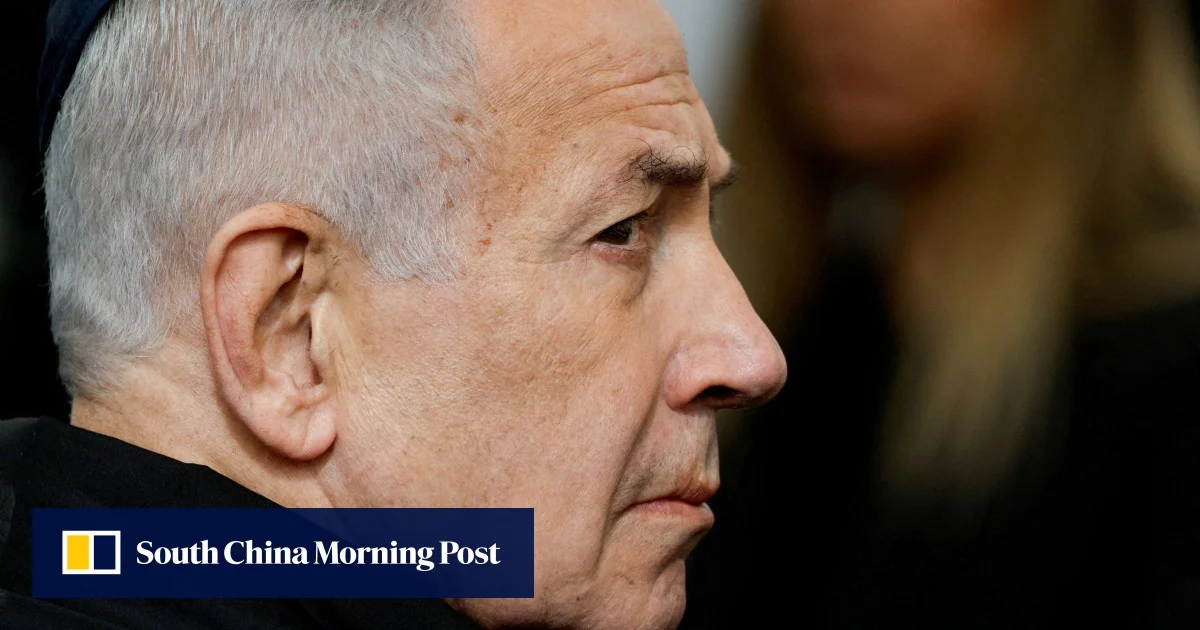
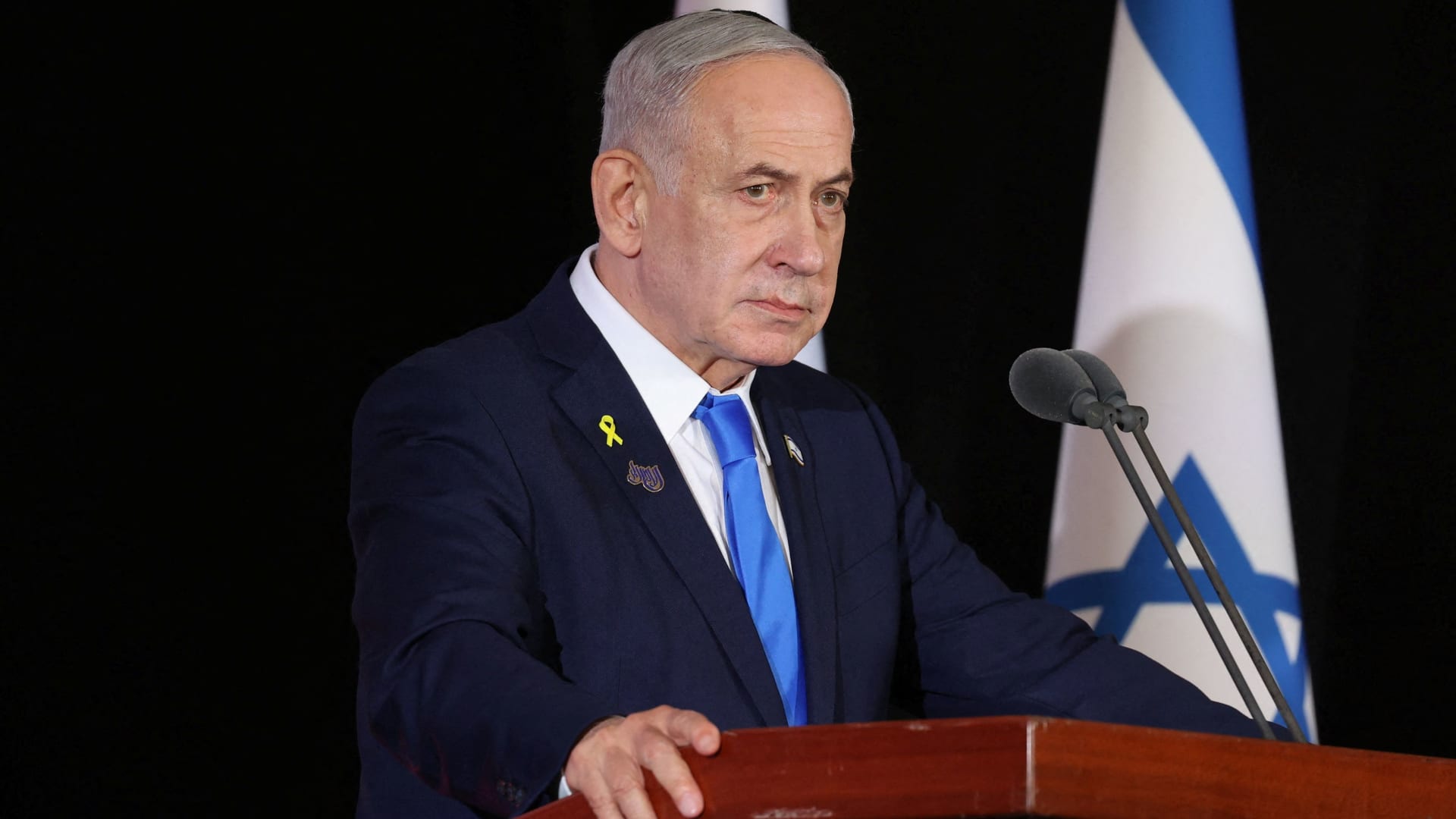
Will Israeli Prime Minister Benjamin Netanyahu and his far-right allies lose Israel's general election in October? And, if they do, can the opposition coalition actually take power? These are two distinct questions in Israel's fragmented and complex political system, but, just six months ahead of a potentially decisive election, both are nearly equally important for the country's future. In Israel, a governing coalition's defeat does not guarantee that its rivals will secure the 61-seat majority in the Knesset required to form a stable government.
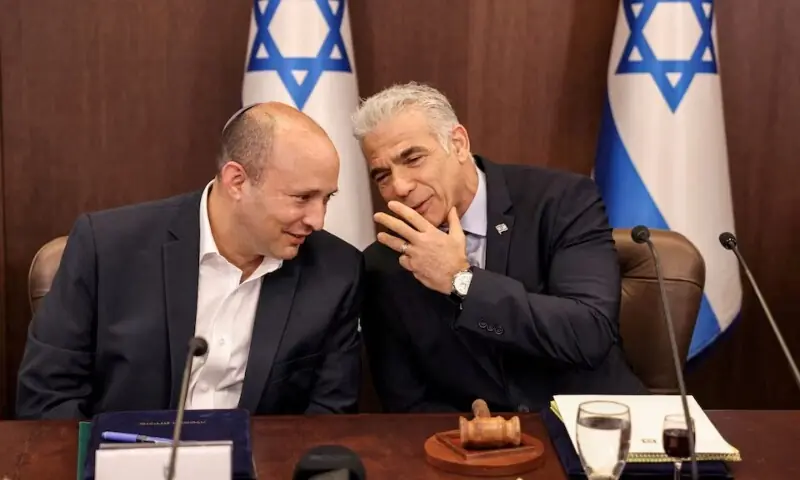
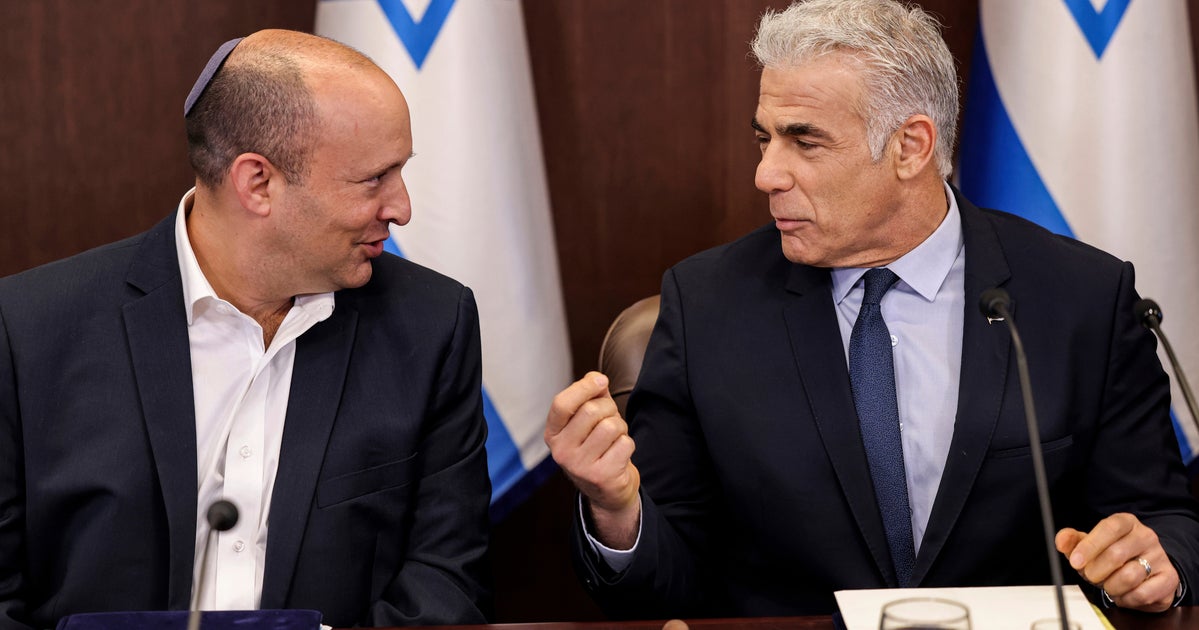
This double uncertainty is the main issue at stake in the election campaign. That is why the Sunday, April 26, announcement by hardline right-wing politician Naftali Bennett and centrist figure Yair Lapid was so significant. The two men, who both briefly served as prime minister in 2021-2022 as part of an eight-party big tent coalition, have decided to join forces once again, forming a joint ticket called "Beyachad" ("together"). "I am proud that two leaders with differing views can fight together for the good of the people of Israel (…) Our unity sends a message to all the people of Israel: The era of division is over. The era of repair has come," said Bennett, who is running as Beyachad's potential prime minister if the ticket wins in October.