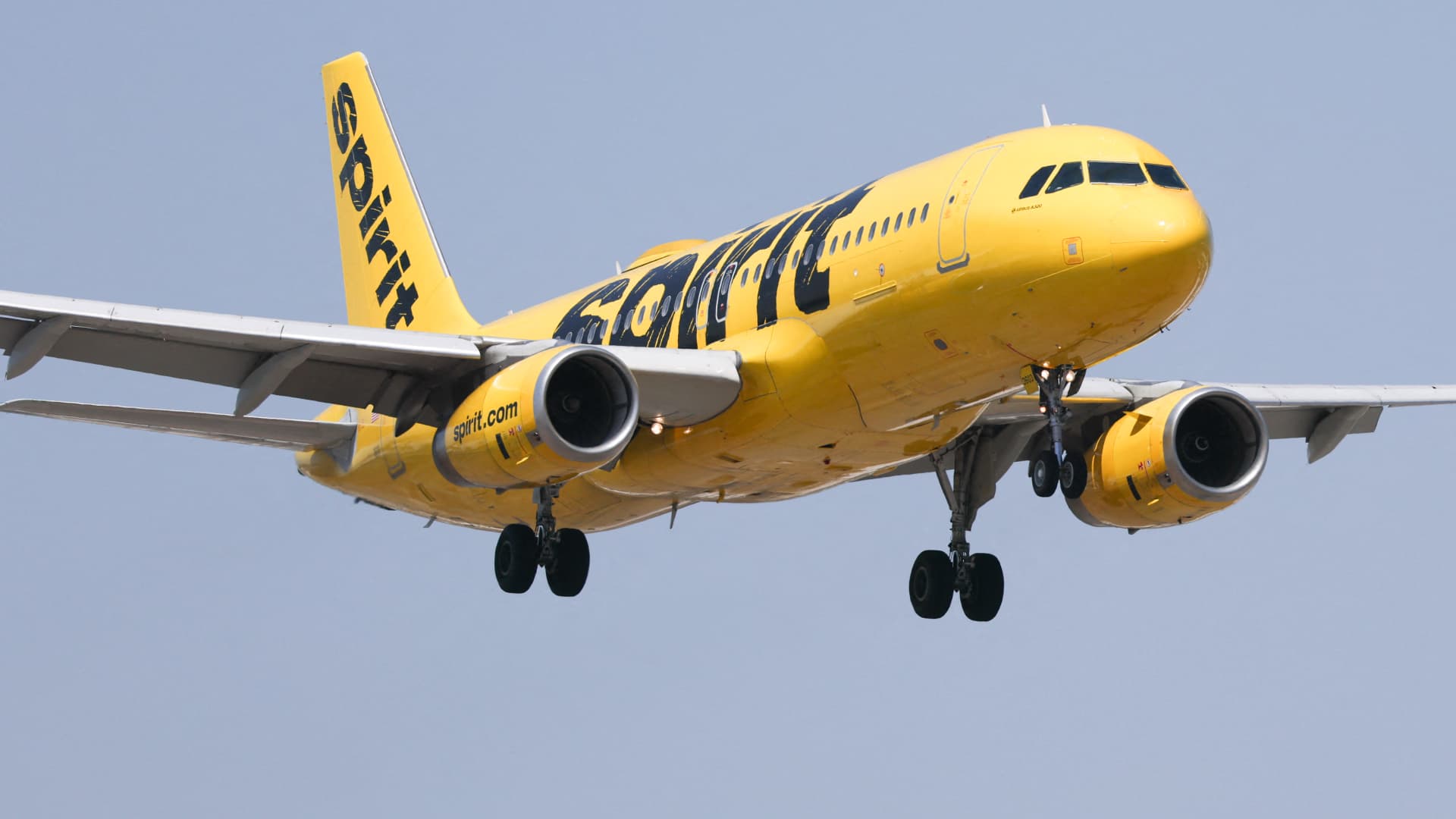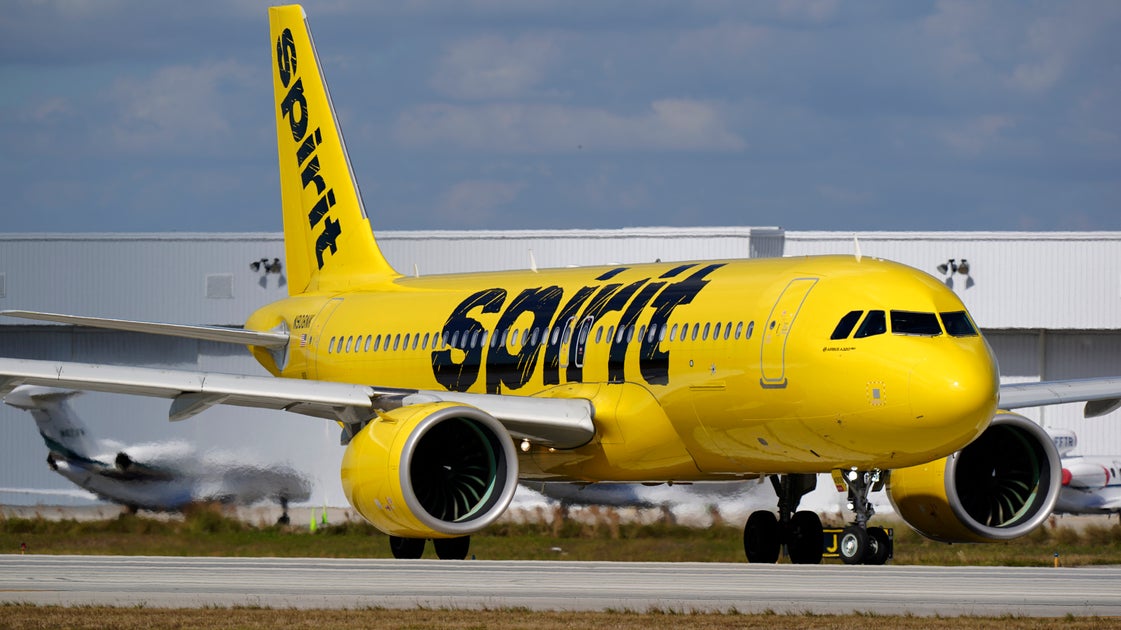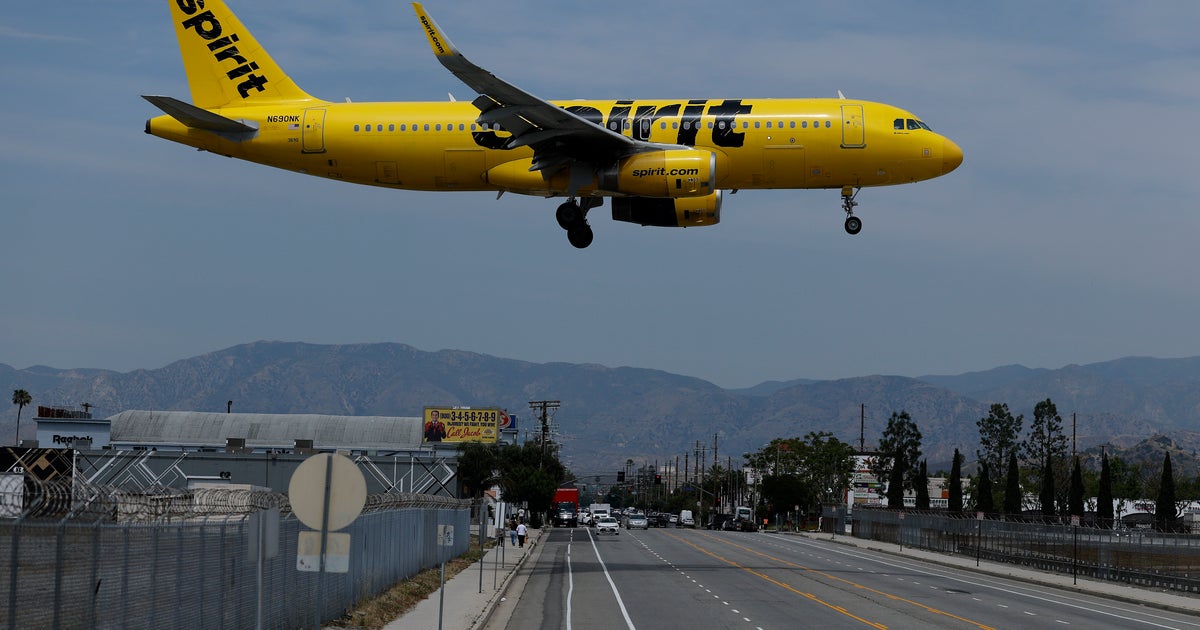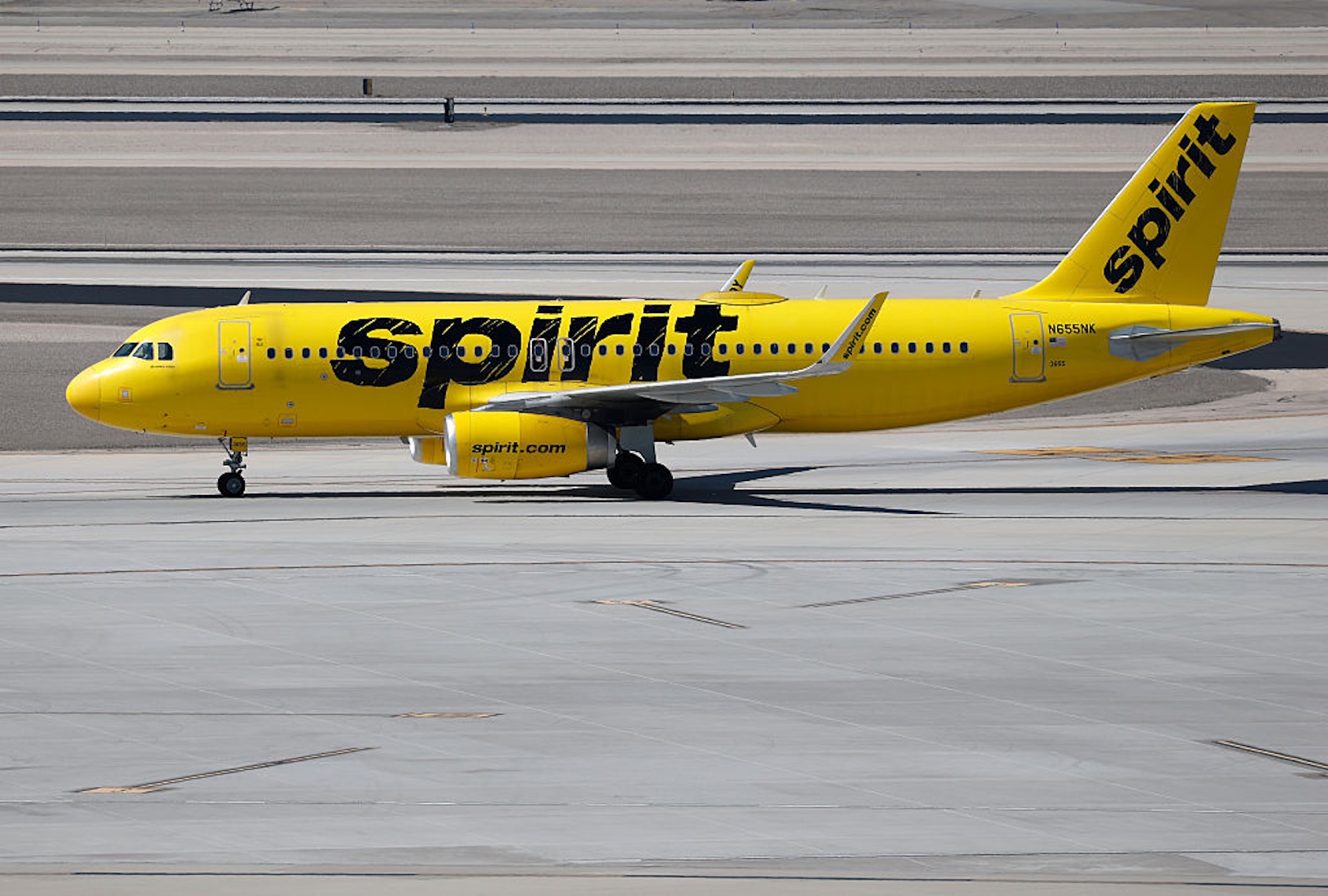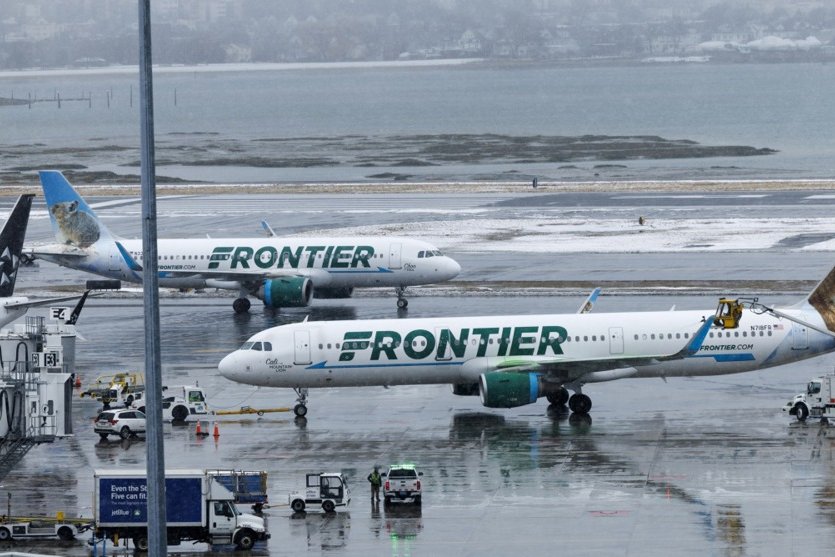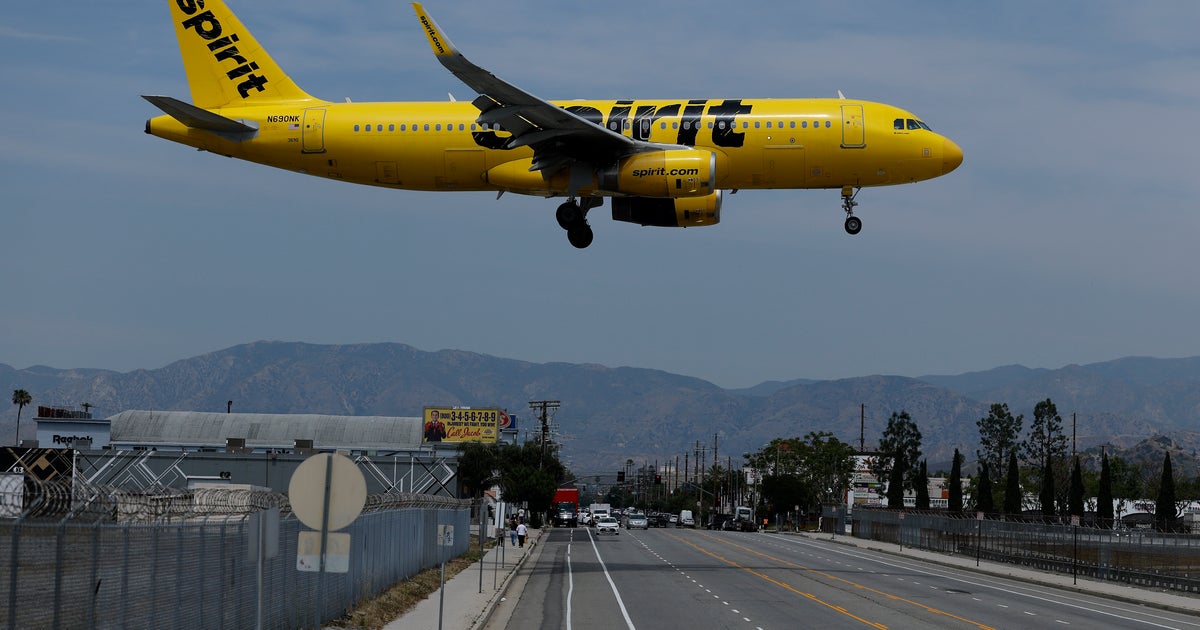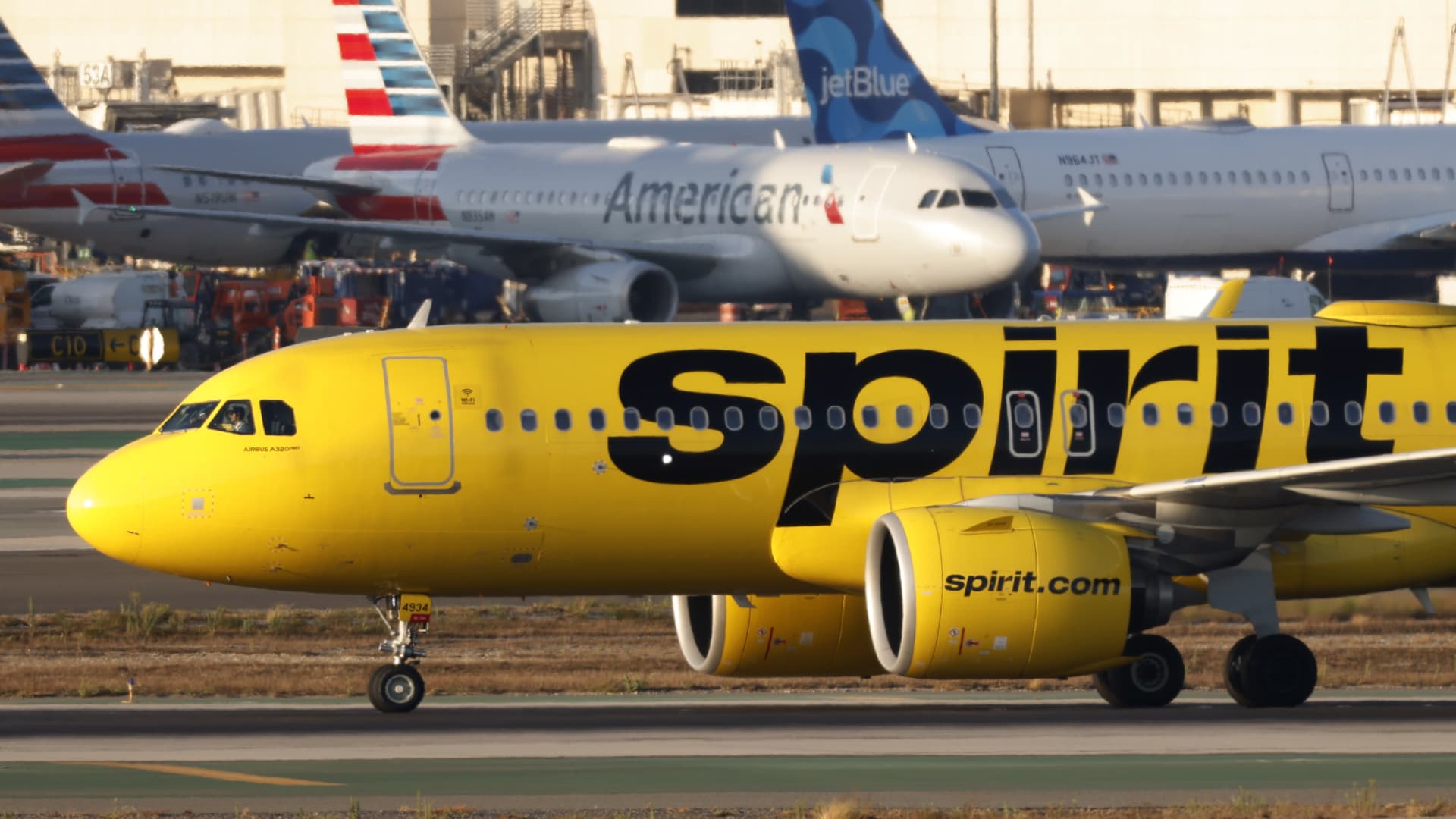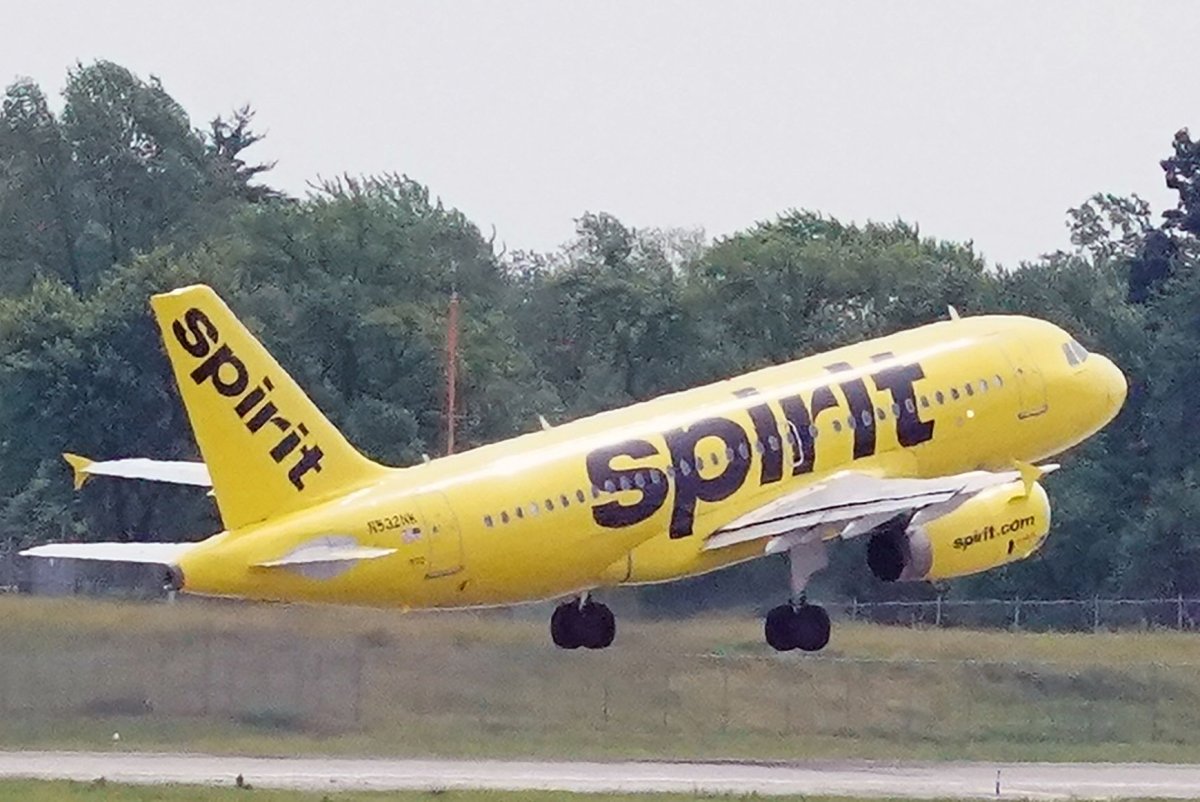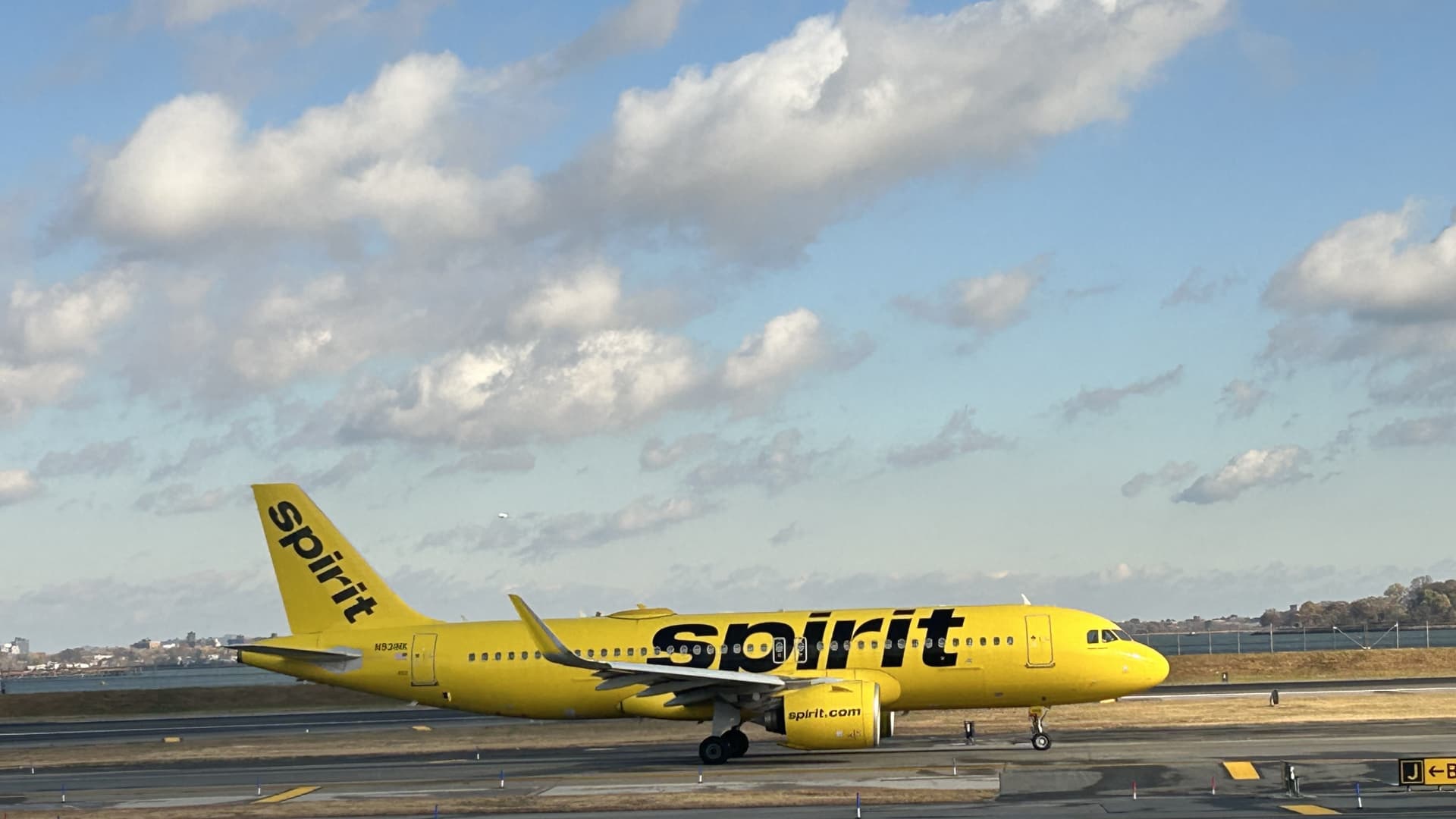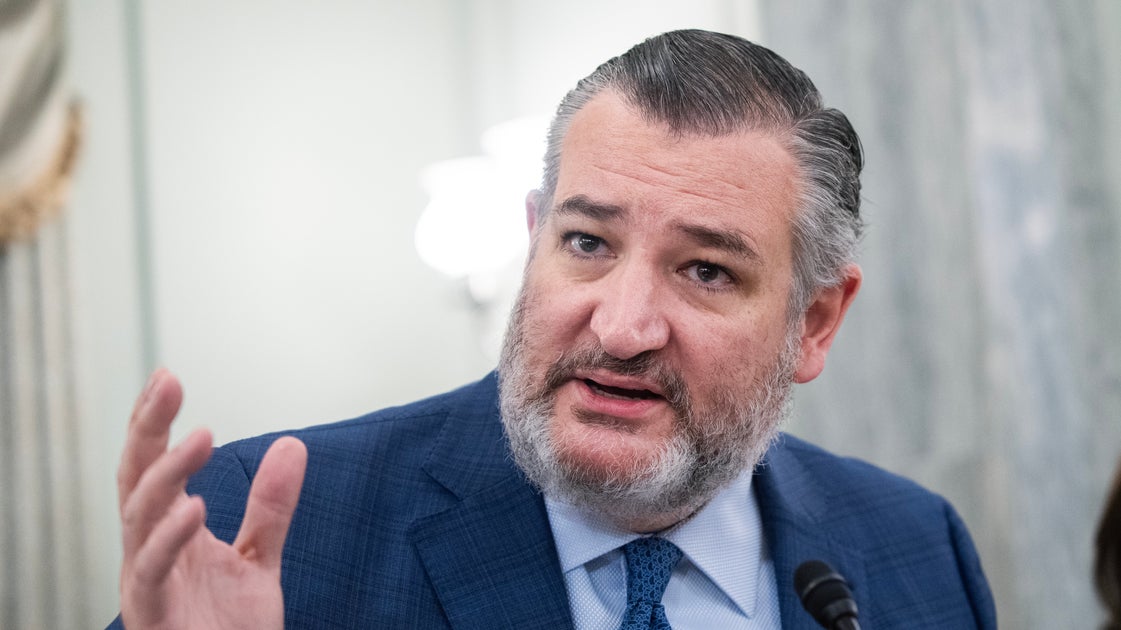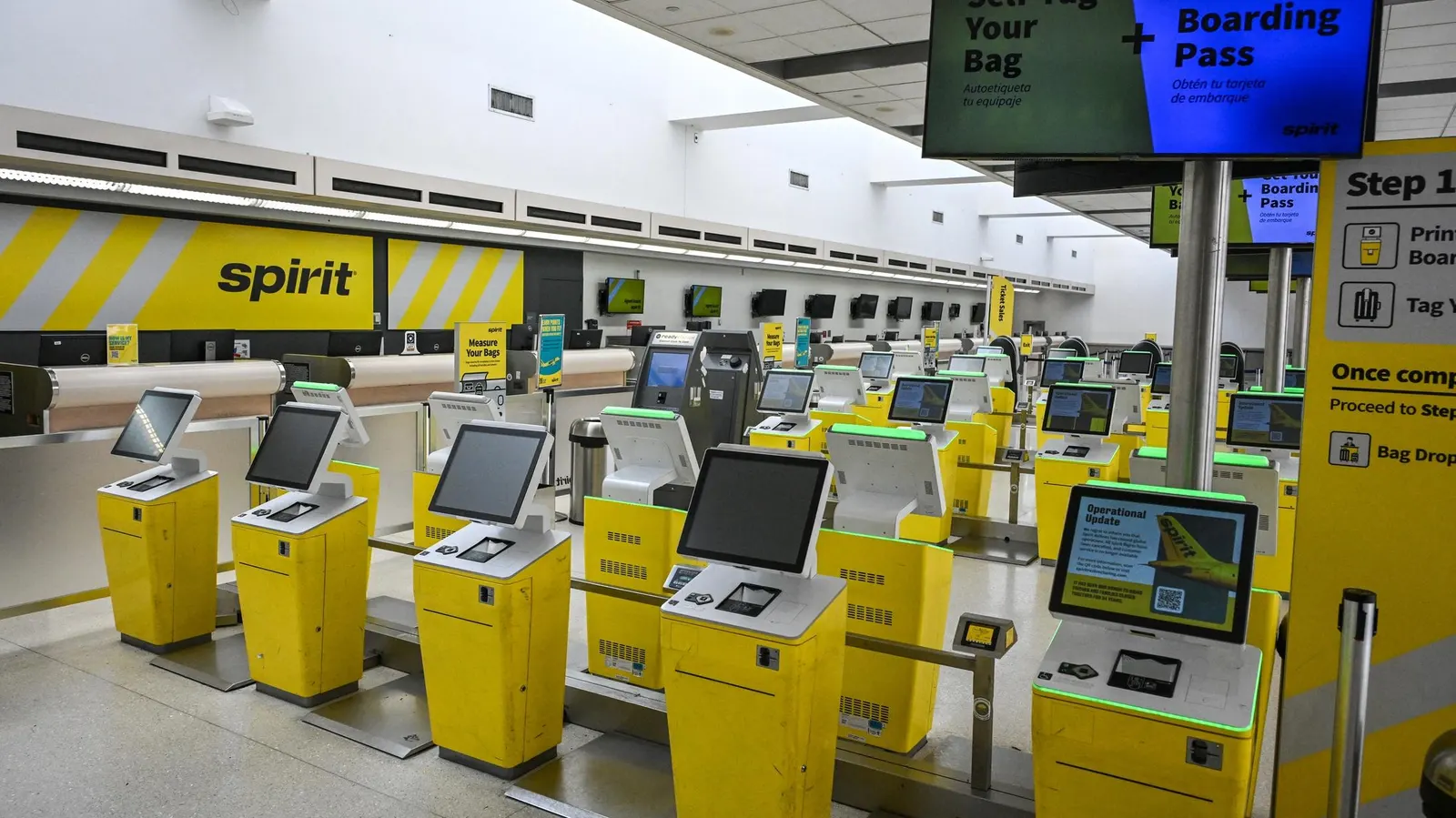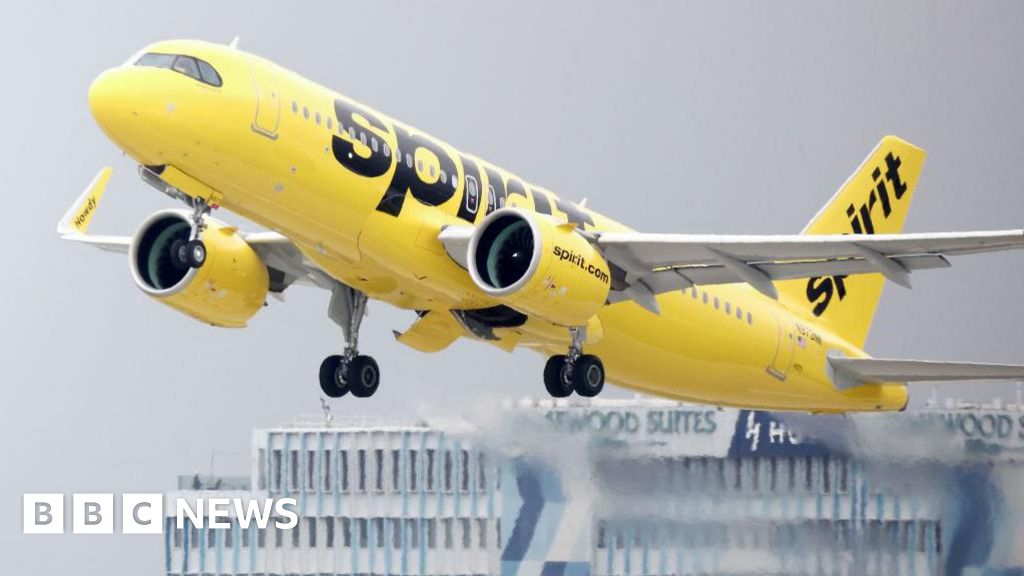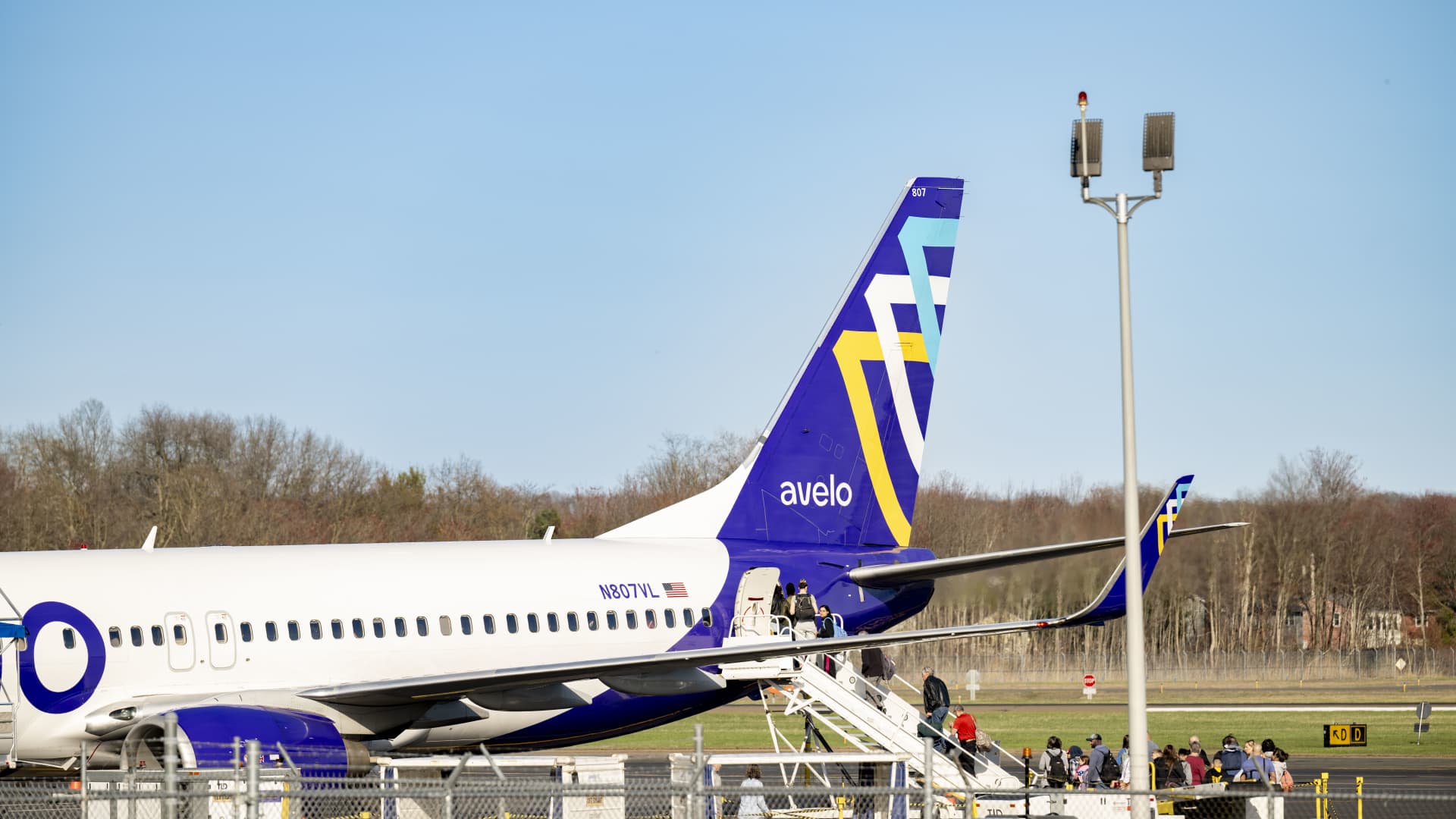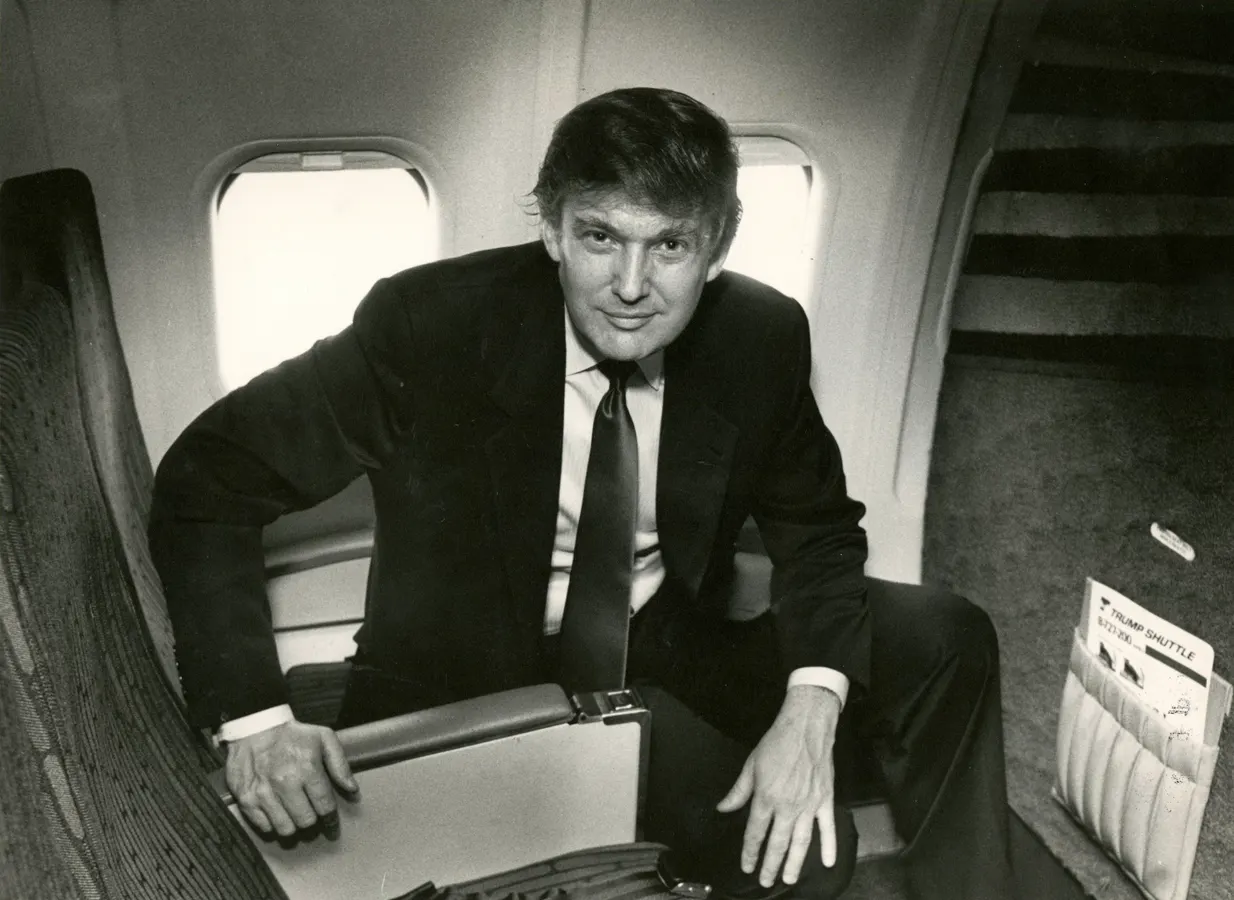
ToplineAs the Trump administration hammers out a reported $500 million rescue deal for bankrupt Spirit Airlines, other budget airlines are requesting financial help to stay solvent—a troubling sign in an industry with a long history of failures.Donald Trump in one of his Trump Shuttle airplanes in June 1989. The airline went under two years later. (Photo by Larry Morris)The Washington Post via Getty ImagesKey FactsA group of budget airlines met with Transportation Secretary Sean Duffy and Federal Aviation Administration chief Bryan Bedford last week to request $2.5 billion in U.S. government assistance in exchange for stock warrants that could convert into equity stakes in the companies, The Wall Street Journal reported Sunday.Duffy is “concerned about the health of the sector” and was receptive to the proposal, a person with knowledge of the meeting told Forbes, adding “we anticipate that conversations will continue” given that the cost environment is not expected to improve “at least in the near term.”The meeting with Duffy and Bedford included members of the Association of Value Airlines (AVA), a trade group of budget carriers that includes Frontier and Avelo—two airlines mentioned in the Journal’s report—as well as Allegiant and Sun Country, which both declined to confirm whether they were in attendance.The administration is “aware of outreach” from the budget airlines to the Department of Transportation, but without an official announcement “any discussion about federal policymaking should be regarded as baseless speculation,” White House spokesperson Kush Desai told Forbes via email.Spirit Airlines, another AVA member, is reportedly in the advanced stages of a separate $500 million rescue deal that could give the government a 90% ownership stake in a carrier that has entered bankruptcy twice since 2024.Earlier this month, AVA members asked Congress to approve a temporary break on certain airline ticket taxes to offset some of the cost of jet fuel.Jet fuel prices that have soared due to the Iran war sucked billions of dollars from airlines’ collective bottom lines in March alone, and American Airlines told investors it will spend $4 billion more in fuel this year than it did in 2025, while Delta Air Lines said its fuel bill will be $2 billion higher in the second quarter alone. Crucial Quote “It’s not the government’s fault that budget airlines aren’t able to necessarily run their businesses as well as other carriers,” Henry Harteveldt, president of Atmosphere Research Group, a travel market research and advisory firm, told Forbes. “Why should American taxpayers bail them out? That’s free market enterprise.”What We Don’t KnowWhen jet fuel prices will come down. Jet fuel was $4.19 a gallon Friday on the Argus U.S. Jet Fuel Index—up 68% since the U.S. and Israel launched initial airstrikes against Iran more than eight weeks ago. “We're looking at probably a six month or longer timeline for the supplies of jet fuel to get back to normal, or even close to normal, levels,” Harteveldt said. “Will the price of that jet fuel come back down to where it was before the fighting began? Will it be considerably more expensive, or could it become cheaper? We don't know.” Based on first-quarter earnings calls, most airlines now assume jet fuel prices will remain above a $4-a-gallon average for the rest of the year. The budget airlines that met with Duffy and Bedford estimate the higher price of fuel will cost them an additional $2.5 billion in 2026. Trump’s Failed Airline Is A Cautionary Tale The history of the airline industry is littered with notable failures—Pan Am, TWA, Northwest, Eastern, Continental, AirTran—that were never bailed out by the government. “Airlines are risky financial investments, and the President should remember this,” Harteveldt, who was marketing director of Trump’s airline when it launched in 1989, told Forbes. “He invested $365 million of his own money in what became the Trump Shuttle, which was not a financial success and the banks took it over, and it was eventually sold off to another airline.” By 1991, Citibank had taken ownership and soon installed U.S. Airways to operate the president’s short-lived airline. As it happened, U.S. Airways would go on to be acquired twice—first by America West Airlines in 2005 and subsequently by American Airlines in 2013. Republicans Are Divided On Budget-Airline BailoutsSpirit Airlines will run out of cash within days, the carrier’s attorney told its bankruptcy judge at a hearing last week. “I think we’d just buy it,” Trump told reporters in the Oval Office last Thursday when asked about rescuing the beleaguered airline. Commerce Secretary Howard Lutnick is reportedly supportive, while some other members of Trump’s Cabinet and the Republican party have been less enthusiastic. “What we don’t want to do is put good money after bad,” Duffy told Reuters last week. “And there’s been a lot of money thrown at Spirit, and they haven’t found their way into profitability.” A conservative political advocacy group founded by former Vice President Mike Pence issued a policy paper urging against a rescue plan, writing that “bailing out Spirit creates the expectation that American taxpayers, at the whim of politicians, will bail out other struggling airlines.” Sen. Ted Cruz, R-Texas, called rescuing Spirit “an absolutely TERRIBLE idea,” adding, “the government doesn’t know a damn thing about running a failed budget airline.” Further ReadingJet Fuel Costs Wiped Billions From Airlines’ Bottom Lines In Q1 (Forbes)Airline CEOs Hint At Mergers As Jet Fuel Prices Squeeze Industry (Forbes)
Will Soaring Fuel Costs Kill Budget Airlines? Here’s What To Know
The history of the airline industry is littered with failures, including Trump’s own carrier that failed after only two years.
893 words~4 min read