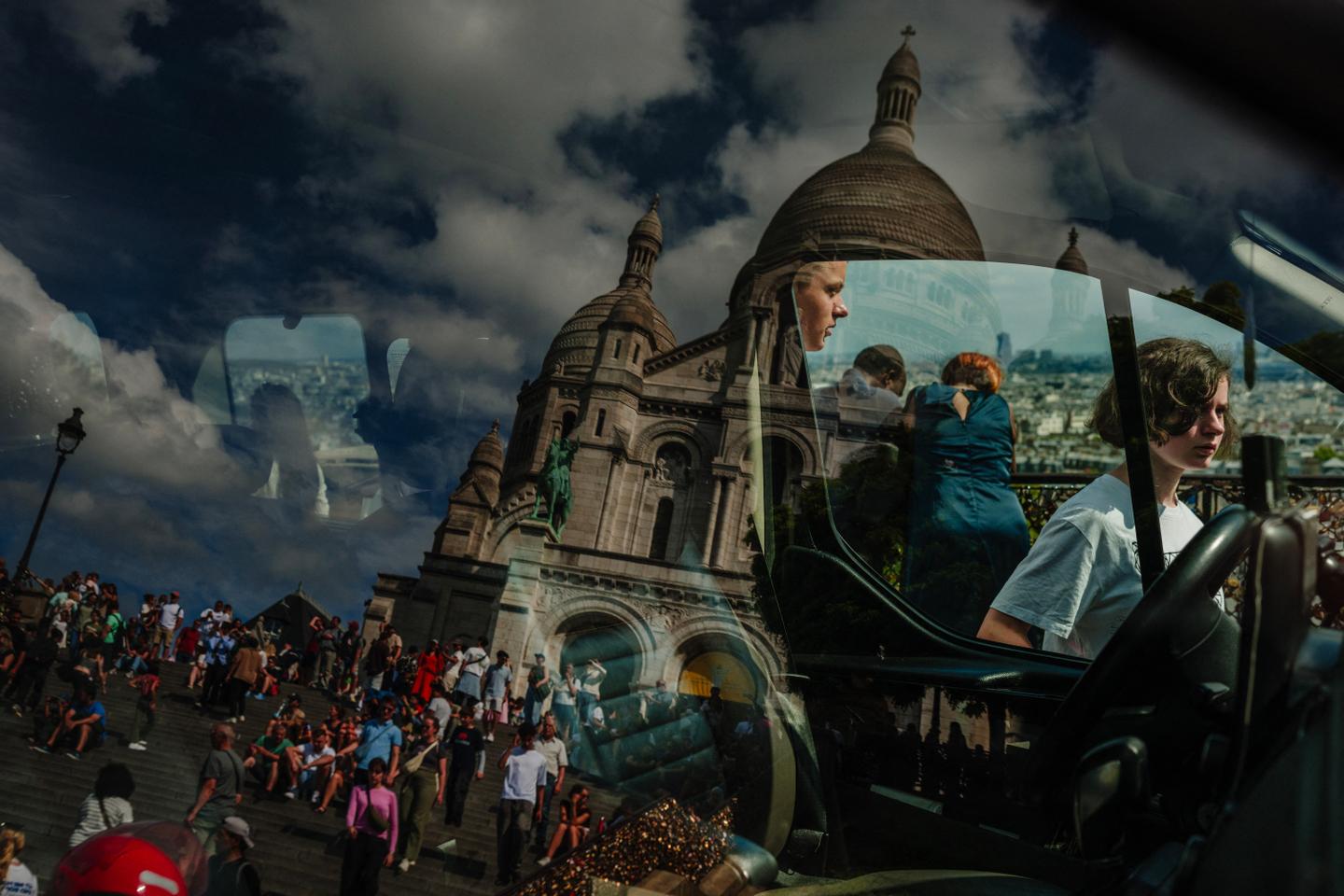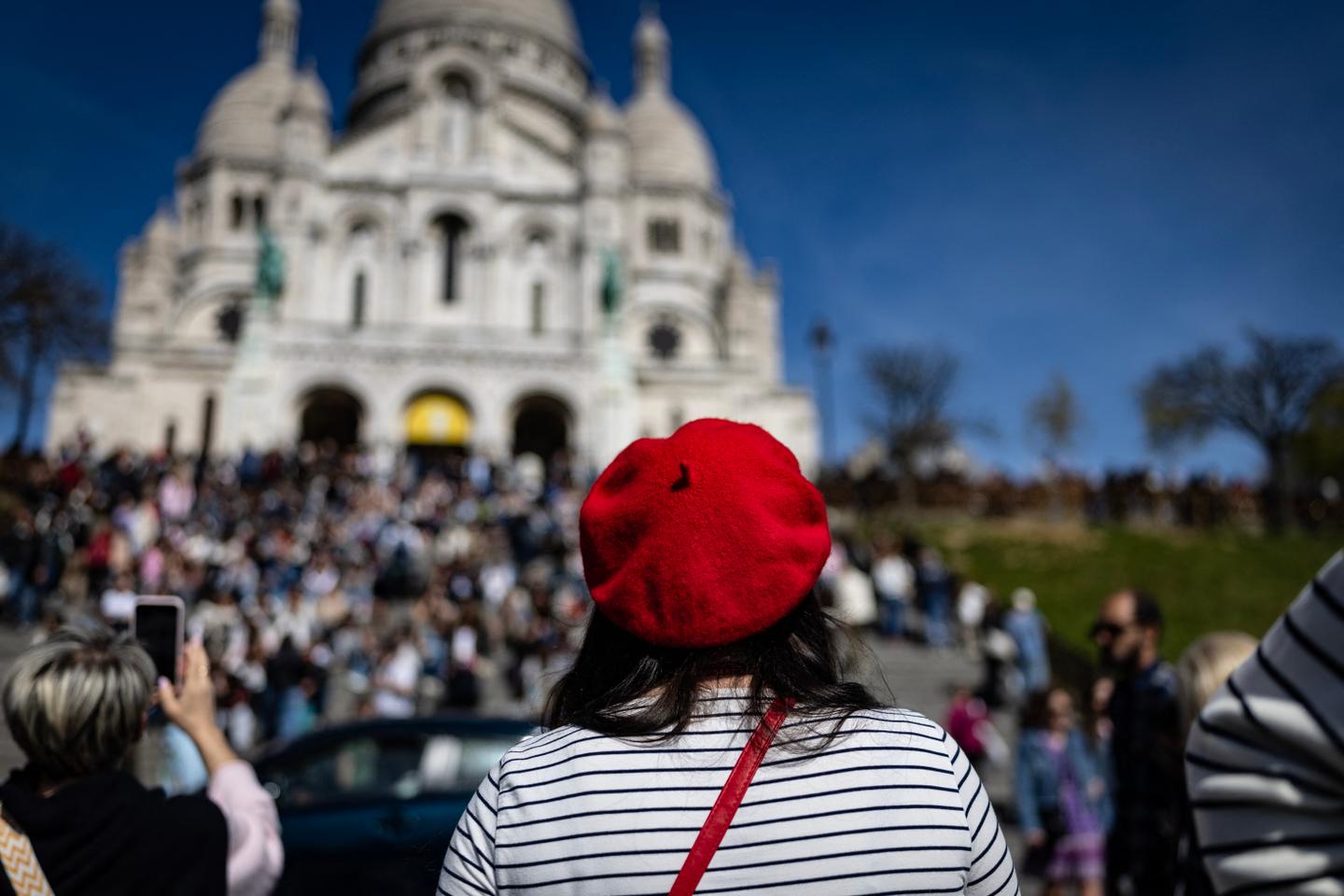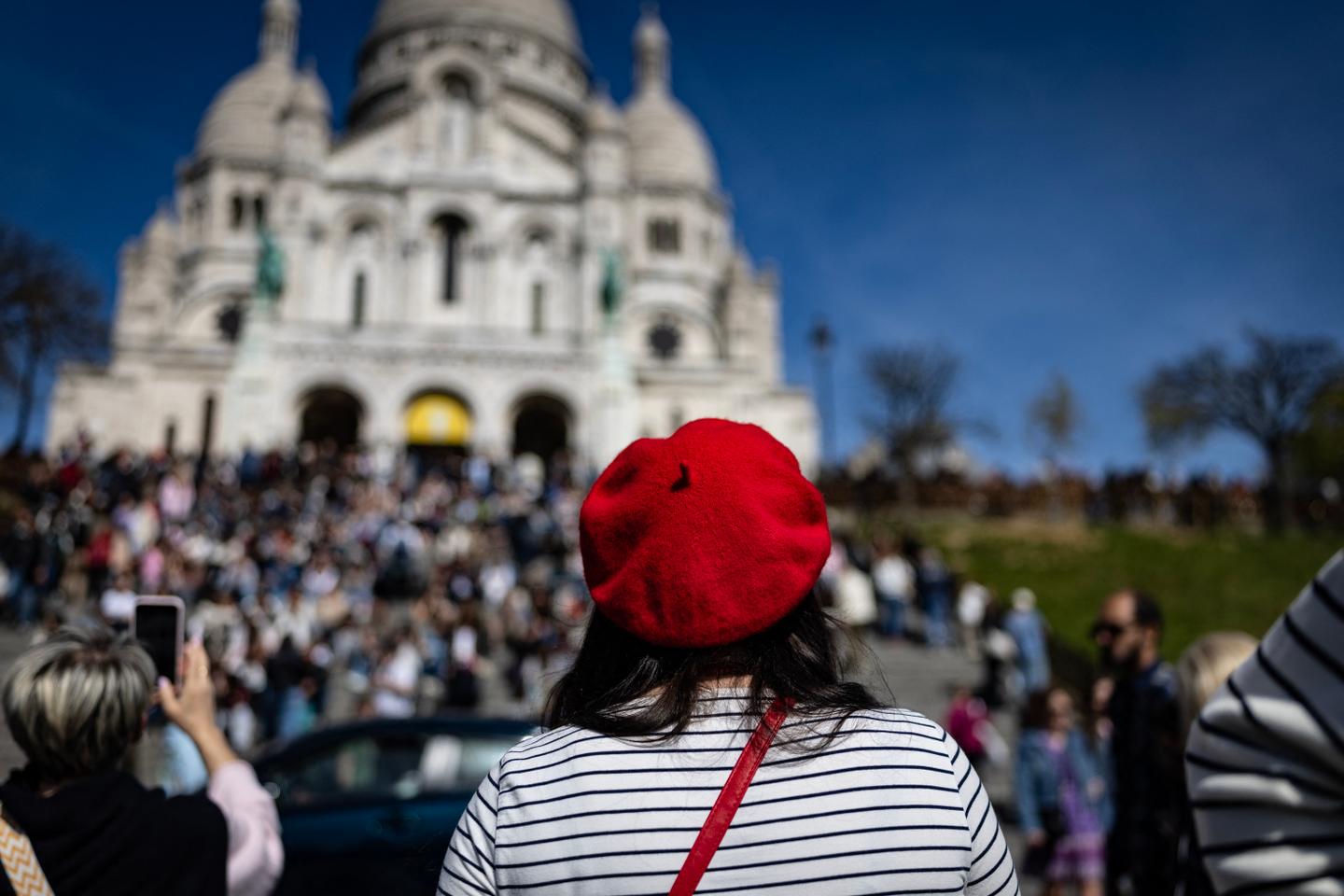
In front of the Sacré-Cœur Basilica, at the top of Montmartre hill, on Easter Monday, Paris, April 6, 2026. IAN LANGSDON/AFP
Tourism acts as a magnifying glass for the transformations in our societies, argues geographer Rémy Knafou in his book Hypertourisme ("Ultratourism"). Knafou analyzes contemporary forms of tourism, its excesses and the dangers of insufficient regulation at the international level.
According to you, we have entered the era of ultratourism. What does that mean?
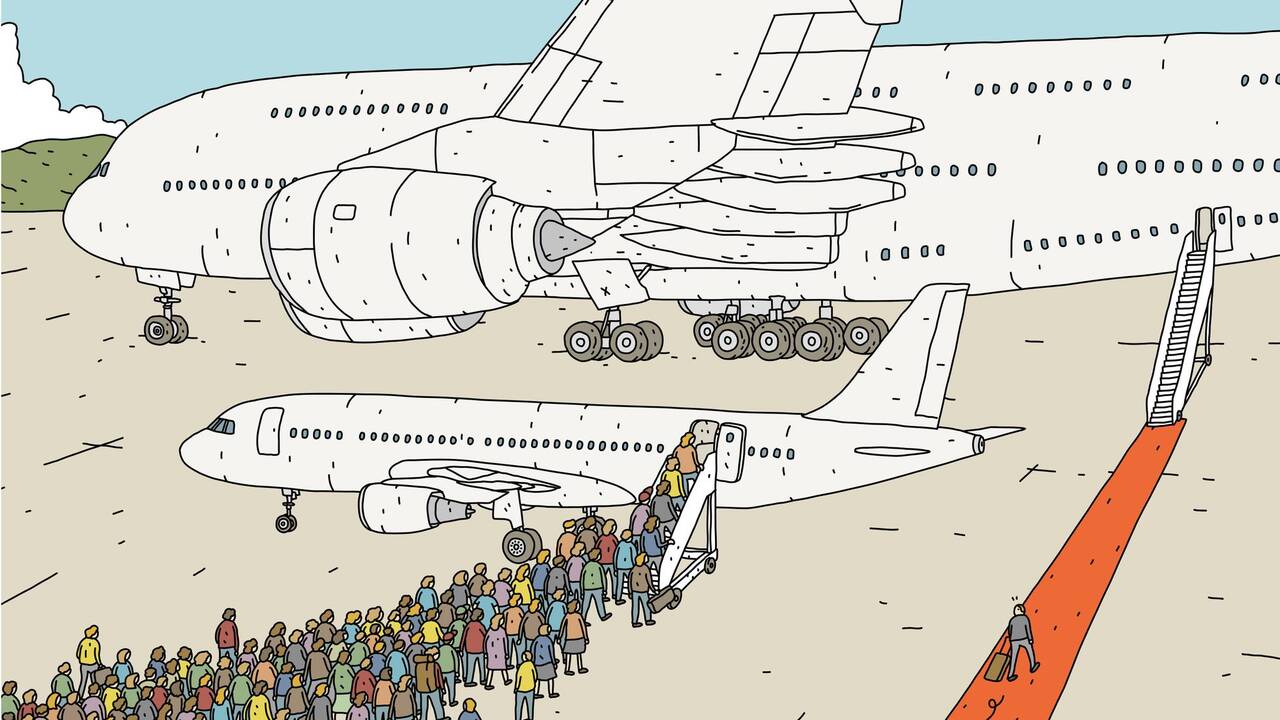
International tourism has been rapidly increasing around the world, and now reaches into almost every part of the planet, and for ever-longer periods. Two images capture the scale of this phenomenon: the queues at the summit of Mount Everest in May 2019 and the first landing of an Airbus A340 in Antarctica in 2021 – a prelude to the opening of regular flight routes, alongside the development of luxury lodges on the White Continent.
This exponential growth has also changed the very nature of tourism, due to the arrival of new actors. On the one hand, there are the platforms – mainly American (Booking, Expedia, Airbnb, Tripadvisor) – which have established themselves as essential intermediaries. On the other, there is social media (TikTok, Instagram), which is increasingly shaping travel trends. Tourism has become the favored ground for today's extreme hedonism, where consumption is a means of constructing one's identity. The selfie is its emblem – to such a point that one might wonder if, for some travelers, the real purpose of the trip is simply to be seen in desirable places. We have entered the era of ultratourism, a system in which tourism is no longer just one activity among others, but an organizing logic that tends to subject regions, economies and societies to its imperatives.