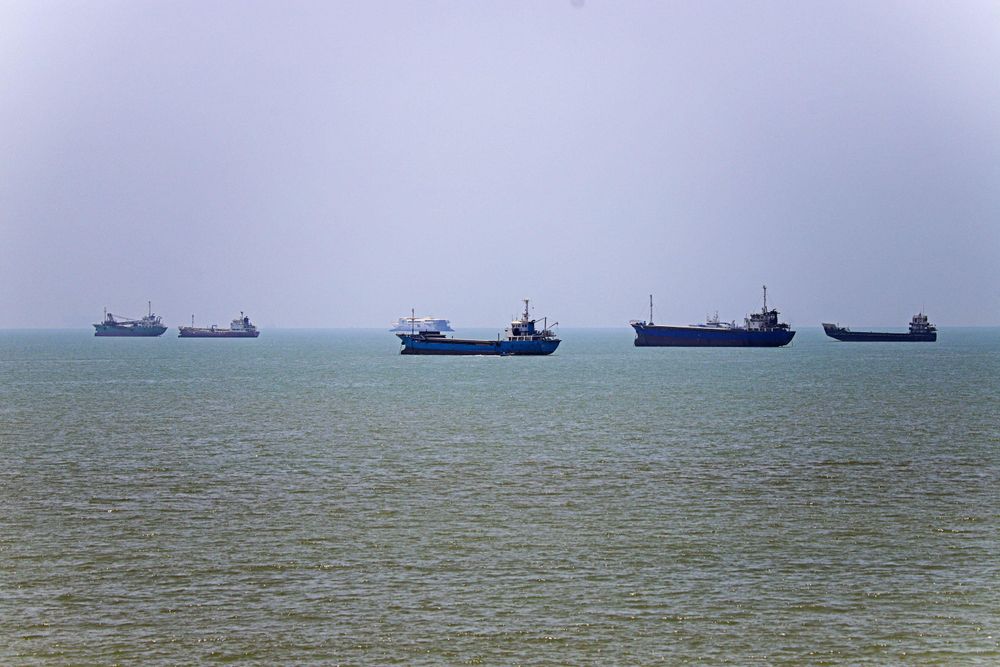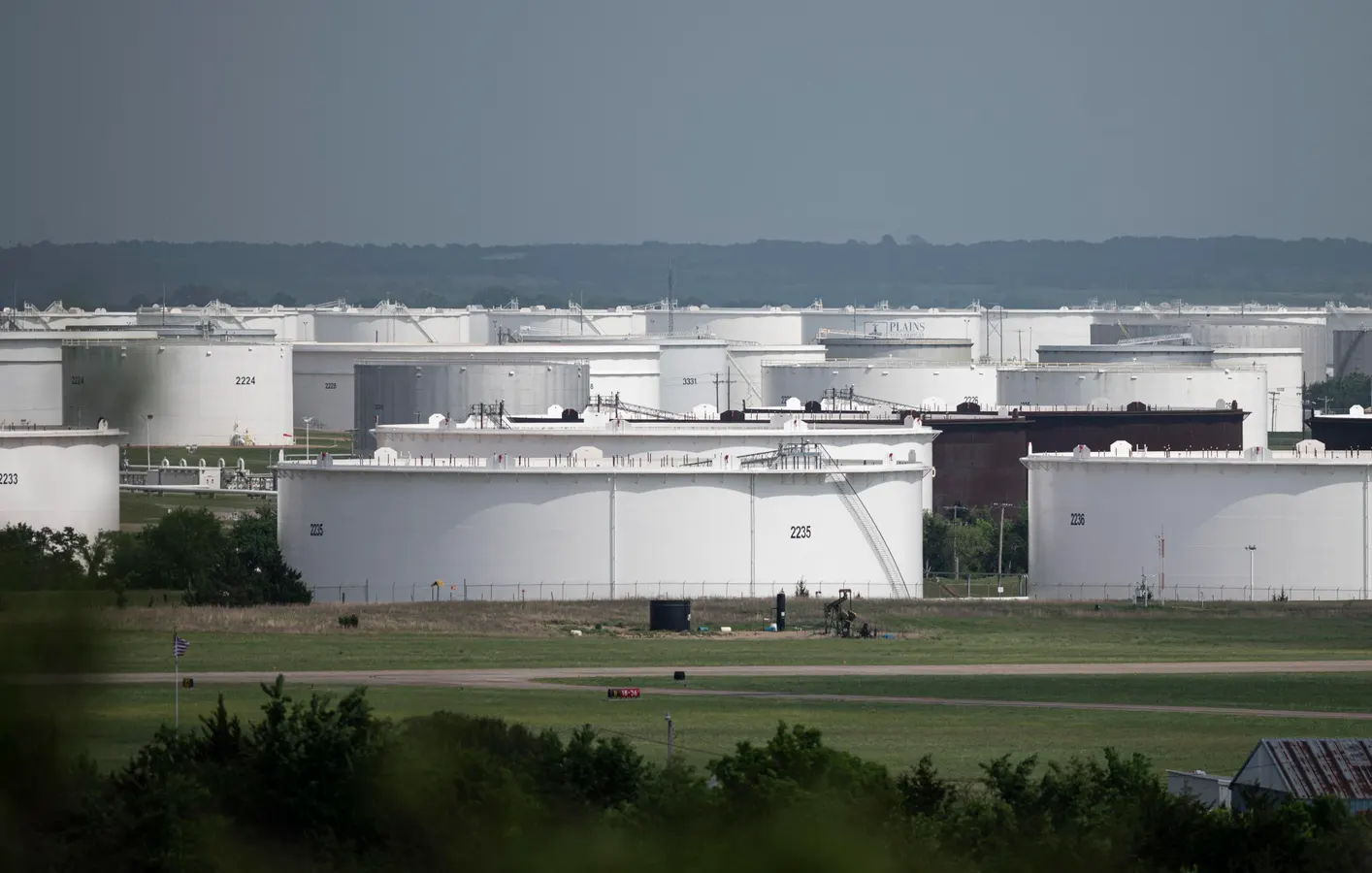
A crude oil storage facility in Cushing, Oklahoma, U.S. (Photo: Johannes Eisele)AFP via Getty ImagesOil prices rose again on Monday on stalled negotiations between the United States and Iran aimed at bringing the conflict in the Middle East to an end. Trading in Asia saw both the global proxy benchmark Brent as well as the U.S. benchmark West Texas Intermediate rise by more than 2%. However, early afternoon trading in Europe saw a pullback from early morning price spikes. At 7:19 a.m. EDT on Monday, the Brent front-month contract was up 1.06%, or $1.01, to $100.18 per barrel, while the WTI traded at $95.16 per barrel, up 1.01% or $0.76. ForbesOil Prices Up 11% On The Week As U.S.-Iran Peace Talks Remain ElusiveBy Gaurav SharmaOver the weekend, attempts to bring the U.S. and Iran to the negotiating table failed again. Iran’s foreign minister Abbas Araghchi, left talks with Pakistan in Islamabad on Saturday, where he said he had put forward his country’s position on a framework to end the war but added that he is "yet to see if the U.S. is truly serious about diplomacy."Shortly afterward, U.S. president Donald Trump said his envoys Steve Witkoff and Jared Kushner’s trip to Pakistan for talks on the war with Iran had been called off.In a post on Truth Social, the president said: “I just cancelled the trip of my representatives going is Islamabad, Pakistan, to meet with the Iranians. Too much time wasted on traveling, too much work! Besides which, there is tremendous infighting and confusion within their 'leadership.’ Nobody knows who is in charge, including them. Also, we have all the cards, they have none! If they want to talk, all they have to do is call!!!"ForbesEnergy Crisis Driving Market To Operational Diversity And OptimizationBy Gaurav SharmaMORE FOR YOUNo End In Sight For Strait Of Hormuz DisruptionFollowing the development, expectations of oil prices trending higher took hold and were realized in Monday trading in Tokyo. Market commentators say traders are seeking signs of any concrete moves to ease disruption of maritime traffic in the Strait of Hormuz. The key maritime artery — through which a fifth of the world’s oil and gas supplies pass — is currently being blockaded both by Iran and the U.S. Iran said talks with its neighbors were ongoing, while president Trump reiterated that a resumption of diplomacy was only a phone call away. SEB chief commodities analyst Bjarne Schieldrop said neither side appears to be budging and alarm bells will ring loudly if the Strait doesn't reopen during May. “Spot crude and product prices will trade higher and higher. And if a decent reopening doesn’t take place before June/July, then the risk is significant for a real crisis where the world may be forced to reduce its oil consumption closer to the level of availability.”In a client note issued last week, JPMorgan said oil may rise further as higher price levels have not yet forced further demand out of the system to offset outages and supply constriction from the Middle East.It also noted that commercial inventories in OECD countries may hit “operational minimums” at some point between May 9 and May 30. The bank added that at such a juncture, increases in oil prices may “become exponential rather than linear.”Meanwhile, bets on reopening of the strait have slipped further into the future. The latest Polymarket odds are only pricing a 36% of a partial reopening before May 13 and a 57% chance before June 30 — essentially a coin flip over the next two months. This may add to the likelihood of oil prices trending higher over the near term.ForbesHow Aramco Ventures Is Pumping $7.5 Billion Into Strategic TechBy Gaurav SharmaDisclaimer: The above commentary is meant to stimulate discussion based on the author’s opinion and analysis offered in a personal capacity. It is not solicitation, recommendation or investment advice to trade oil stocks, futures, options or products. Oil markets can be highly volatile and opinions in the sector may change instantaneously and without notice.
Oil Prices Climb As U.S.-Iran Talks Stall And Strait Of Hormuz Stays Blocked
Oil prices climb as U.S.-Iran talks stall and the Strait of Hormuz remains blocked, raising risks of tighter supply, falling inventories and further price spikes.
669 words~3 min read