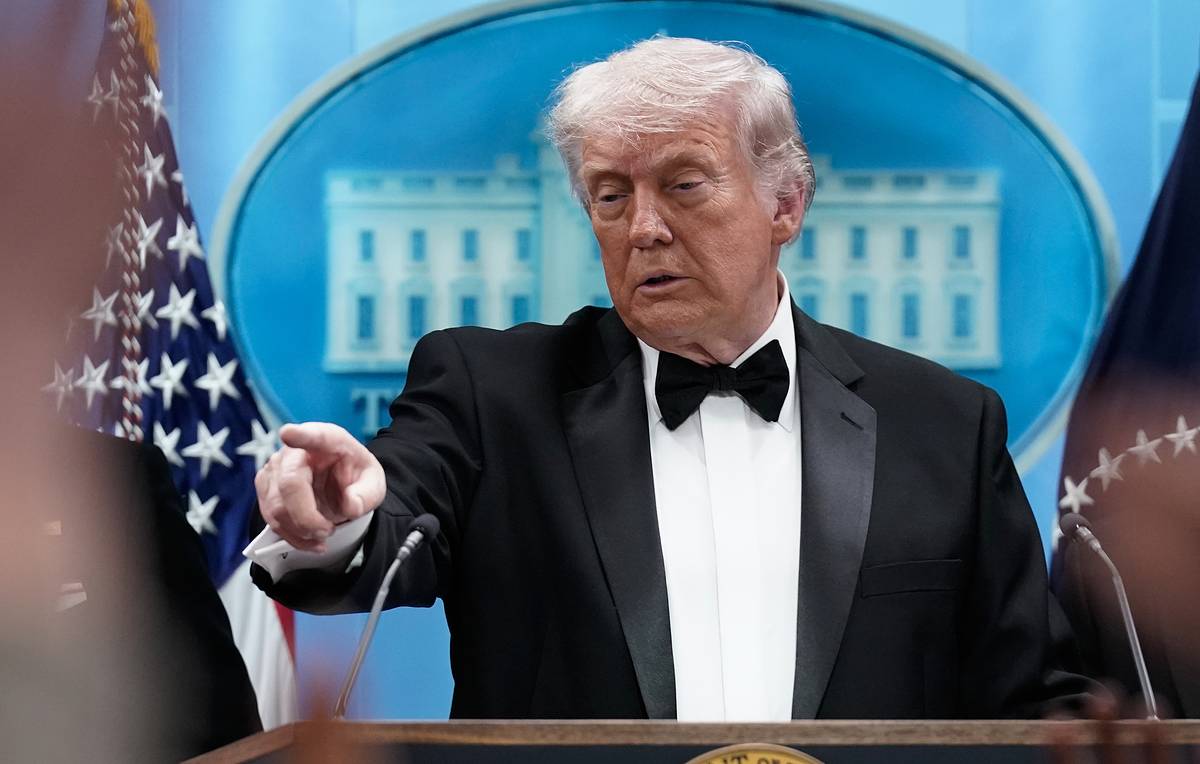
MOSCOW, April 27. /TASS/. Talks between the United States and Iran have stalled amid unresolved disputes over sanctions and negotiation conditions; a failed assassination attempt on Donald Trump during a White House Correspondents’ event highlighted tensions in US politics; and the upcoming Non-Proliferation Treaty review conference may face major divisions threatening consensus on nuclear issues. These stories topped Monday’s newspaper headlines across Russia.
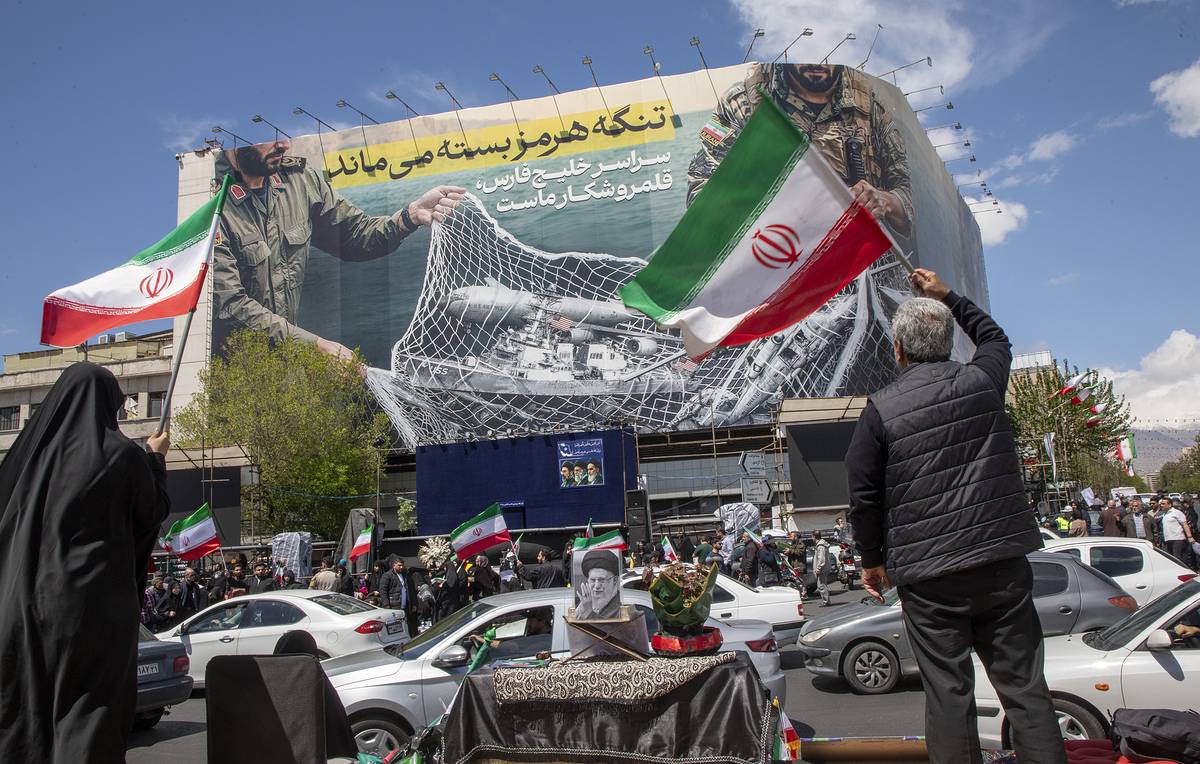
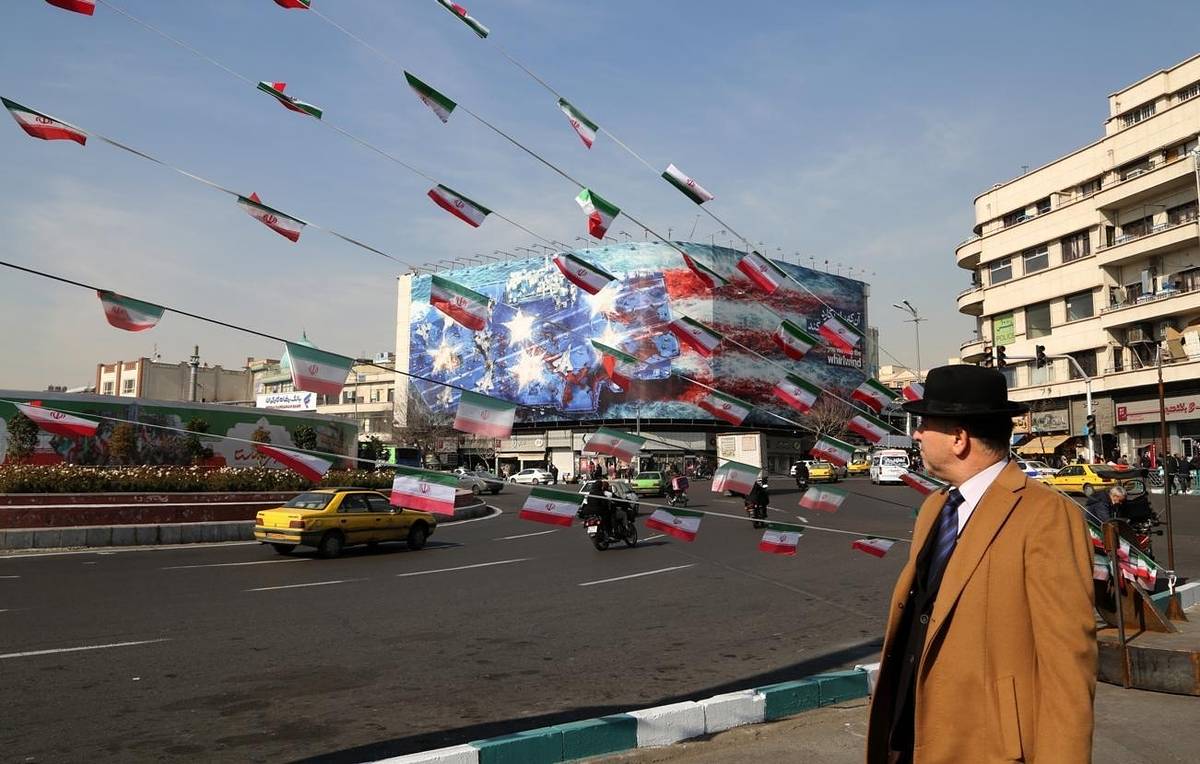
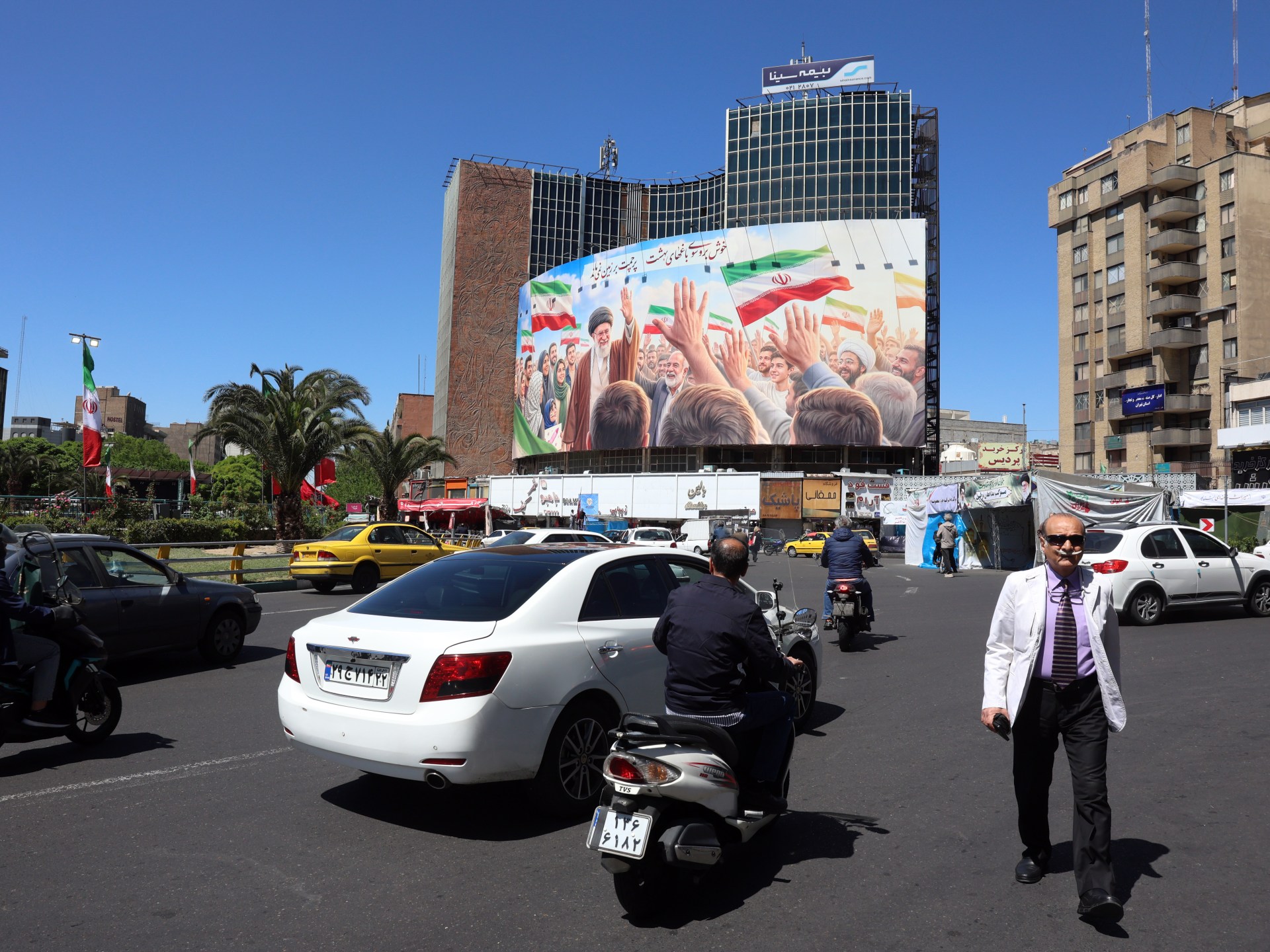
Negotiations between the United States and Iran on resolving the conflict have once again approached the brink of collapse: Tehran is linking a return to dialogue to the lifting of the US blockade, while Washington maintains its own conditions. The key contradictions between the opposing sides remain, according to experts interviewed by Izvestia. On April 27, Iranian Foreign Minister Abbas Araqchi is set to visit Russia and, according to a number of media reports, may meet with Russian President Vladimir Putin. Against this backdrop, the American side has canceled its trip to Pakistan, where a meeting with the Iranian delegation had reportedly been scheduled.
According to political scientist and Middle East expert Ilya Shcherbakov, a member of the presidium of the Council of Young Political Scientists of the Russian Association of Political Science, at this stage it is too early to speak of a full-fledged diplomatic resolution of the conflict. The situation surrounding Iran is in an intermediate phase – between the "fog of war" and a regime of partial deconfliction, where certain channels of interaction remain, but a stable political framework for a settlement has not yet been formed. Under these conditions, regional instability persists, including around Lebanon, where the situation continues to serve as an additional source of pressure on diplomatic processes.