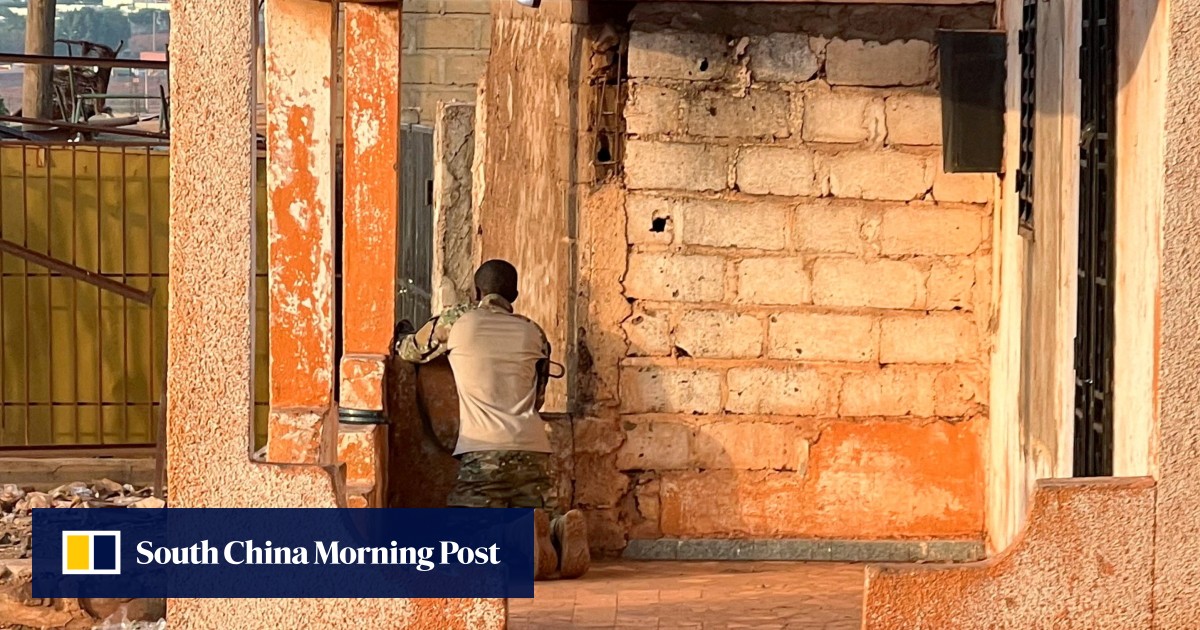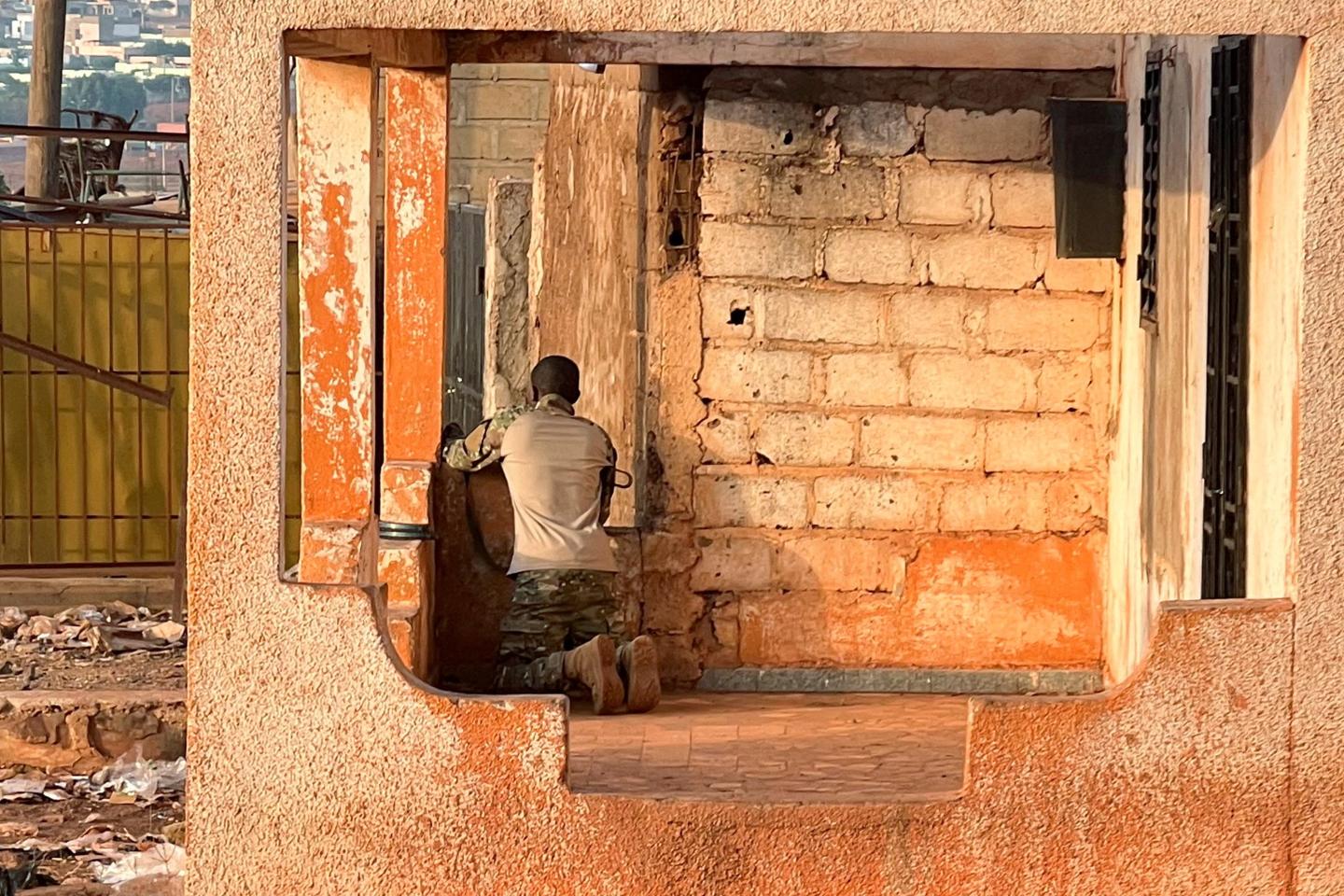
A Malian soldier during the attack on the Kati military base, near Bamako, on April 25, 2026. REUTERS
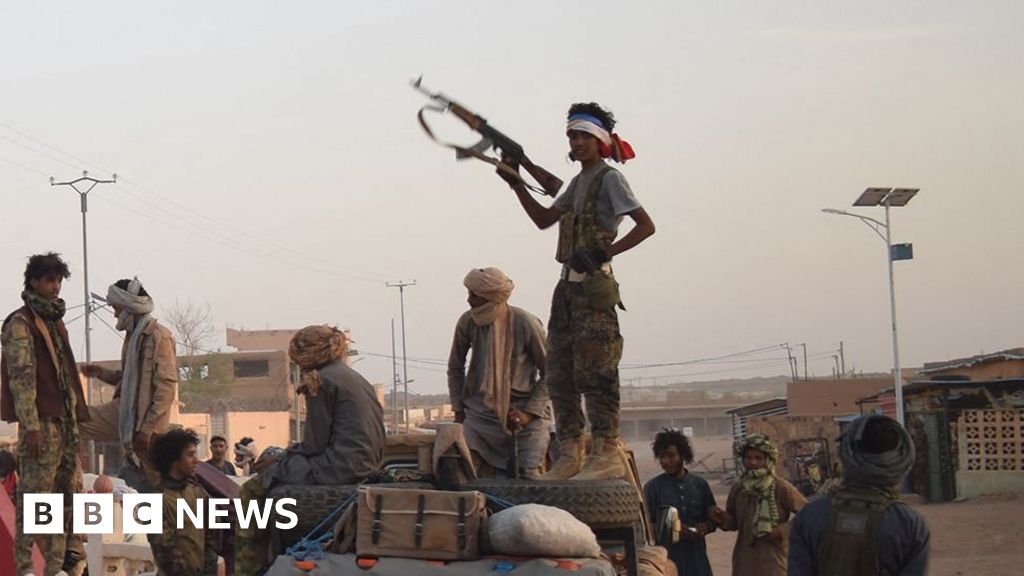
On Saturday evening, April 25, General Assimi Goïta, head of Mali's ruling military junta, remained out of sight and silent. Perhaps it was a sign of paralysis, of panic at the top of the state. Since the early morning, the country had been experiencing an attack of unprecedented scale, led by the jihadists of the Group for the Support of Islam and Muslims (JNIM) in coordination with pro-independence Tuaregs from the Azawad Liberation Front (ALF).
Never before had there been an offensive against several cities, hundreds of kilometers apart, mobilizing likely more than 1,000 fighters and a large quantity of weapons, and requiring such close tactical cooperation. The assault managed to shake the government in Bamako.
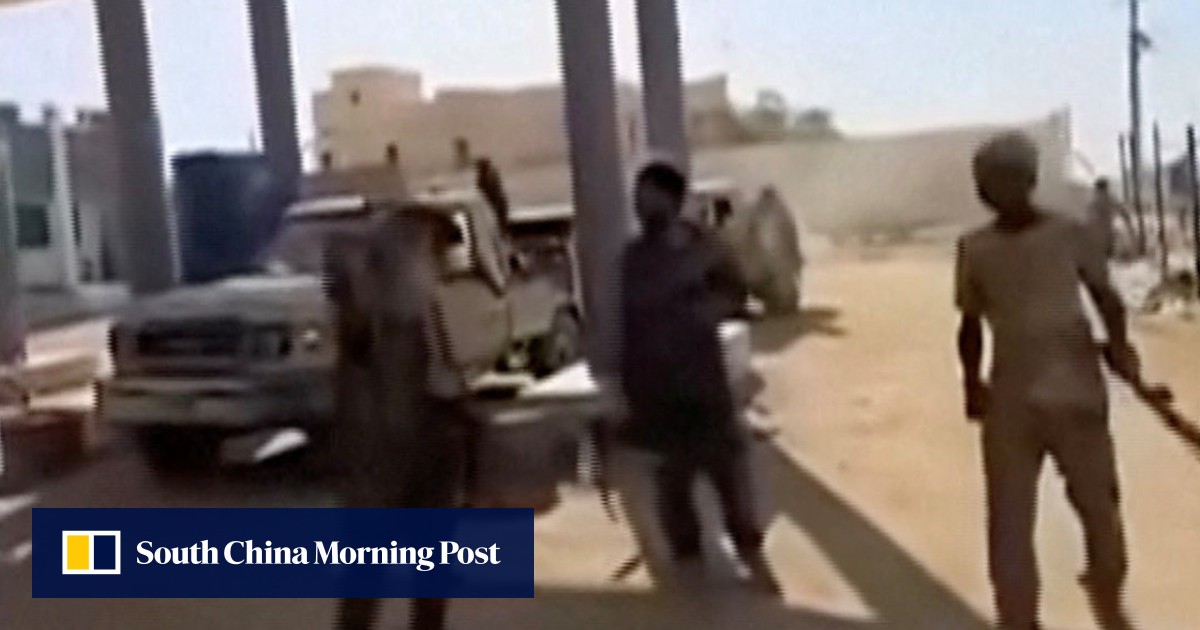
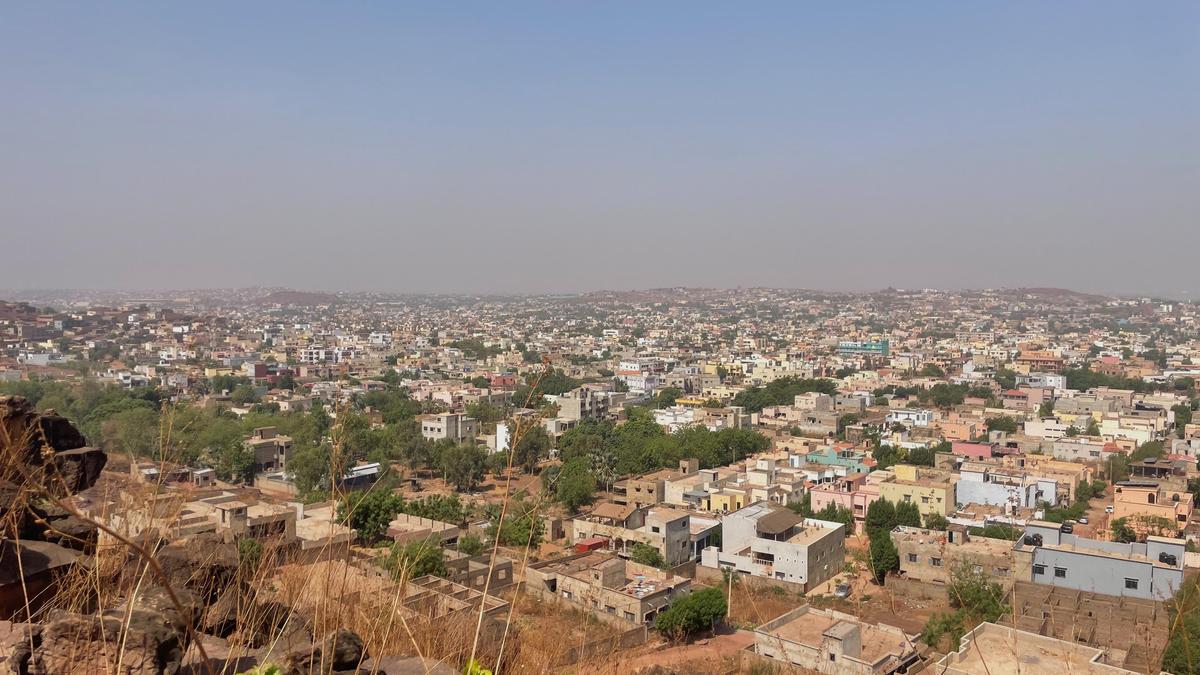
At dawn, hundreds of armed men swept through several strategic cities in Mali: Kidal and Gao in the north, Sévaré in the center, and Bamako and Kati in the south. The latter, a garrison town less than 20 kilometers from the capital, is home to Camp Soundiata Keïta, the country's main military base, which has become the center of power since the military ousted civilians in 2021.