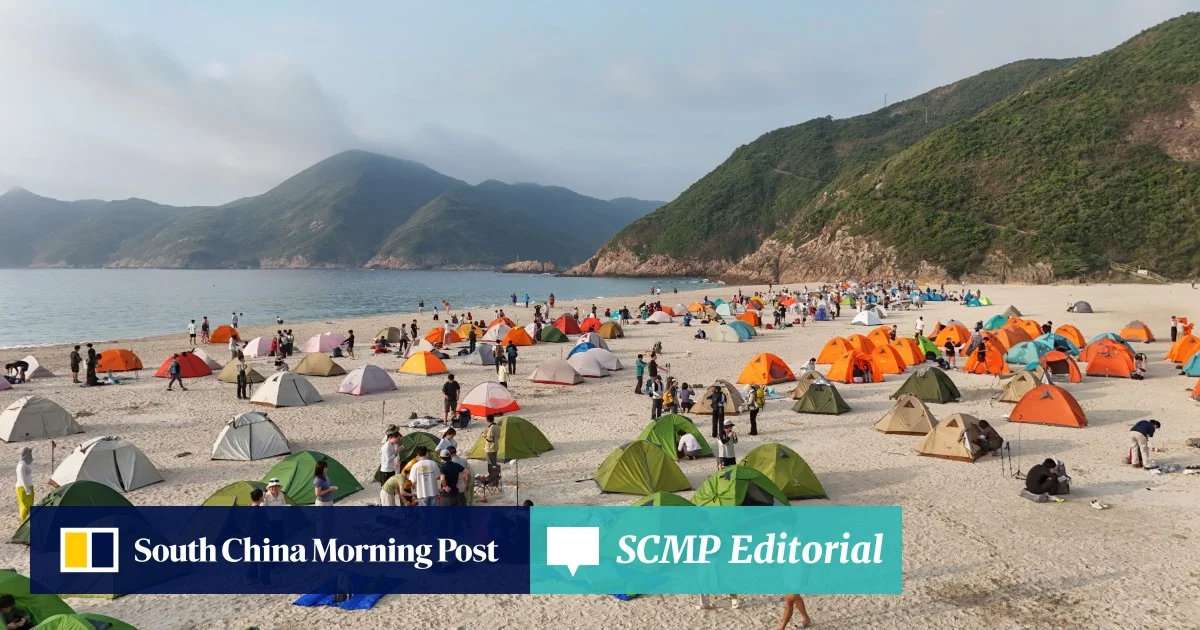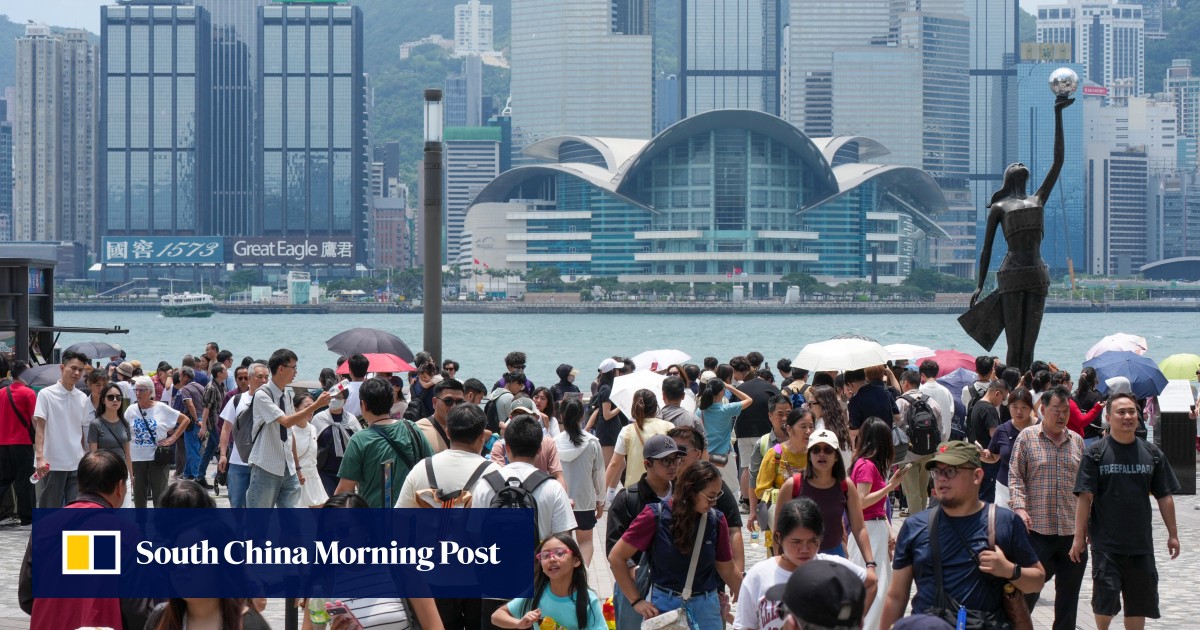
The Labour Day holiday is expected to live up to its “golden week” name by providing a welcome boost to the Hong Kong economy, but it will also test the city’s ability to balance an expected tourism surge with environmental conservation. Authorities must apply lessons learned from problematic high seasons in the past when the city sees visitor numbers rise. Arrivals from mainland China alone could hit 980,000, up 7 per cent from 2025, the Immigration Department said.The government plans to boost manpower and transport capacity during peak periods, as well as enforce environmental regulations around the clock at popular camping spots. Close coordination with the travel sector and relevant organisations has also been promised to ensure smooth operations during the May 1 to 5 holiday.Visitors are a valued source of social and economic vitality for many communities, but their appeal fades when they love attractions and natural assets to death. One recent example was a “tree-hanging” trend seen in Long Ke Wan. Tourists have flocked to the Sai Kung area to mimic images on social media only to risk harming the trees, themselves and others.Other locations have proven deadly. A visitor who slipped off a cliff and fell to his death on New Year’s Eve was reportedly taking pictures. Similar misadventures have involved Hong Kong tourists while travelling abroad. The related global challenge of overtourism has also been seen in Hong Kong. Holiday periods often draw hundreds of campers to beaches and other fragile natural sites that are inevitably left with messes to clean.The Agriculture, Fisheries and Conservation Department said it will deploy extra staff to popular campsites in Sai Kung to patrol the locations. However, monitoring is not enough. The government must accelerate the implementation of long-term structural reforms such as access fees and a formal booking system.Balance will be essential so the city remains welcoming without sacrificing the very natural heritage that draws many visitors. If Hong Kong can rise to the challenge of enforcing standards without closing its doors, it can serve as a world-class role model of how communities can treasure their visitors and environment.
Editorial | Hong Kong’s natural heritage needs preserving amid holiday crush
If Hong Kong can enforce standards without closing its doors, it can serve as a role model of how to treasure visitors and the environment.
350 words~2 min read