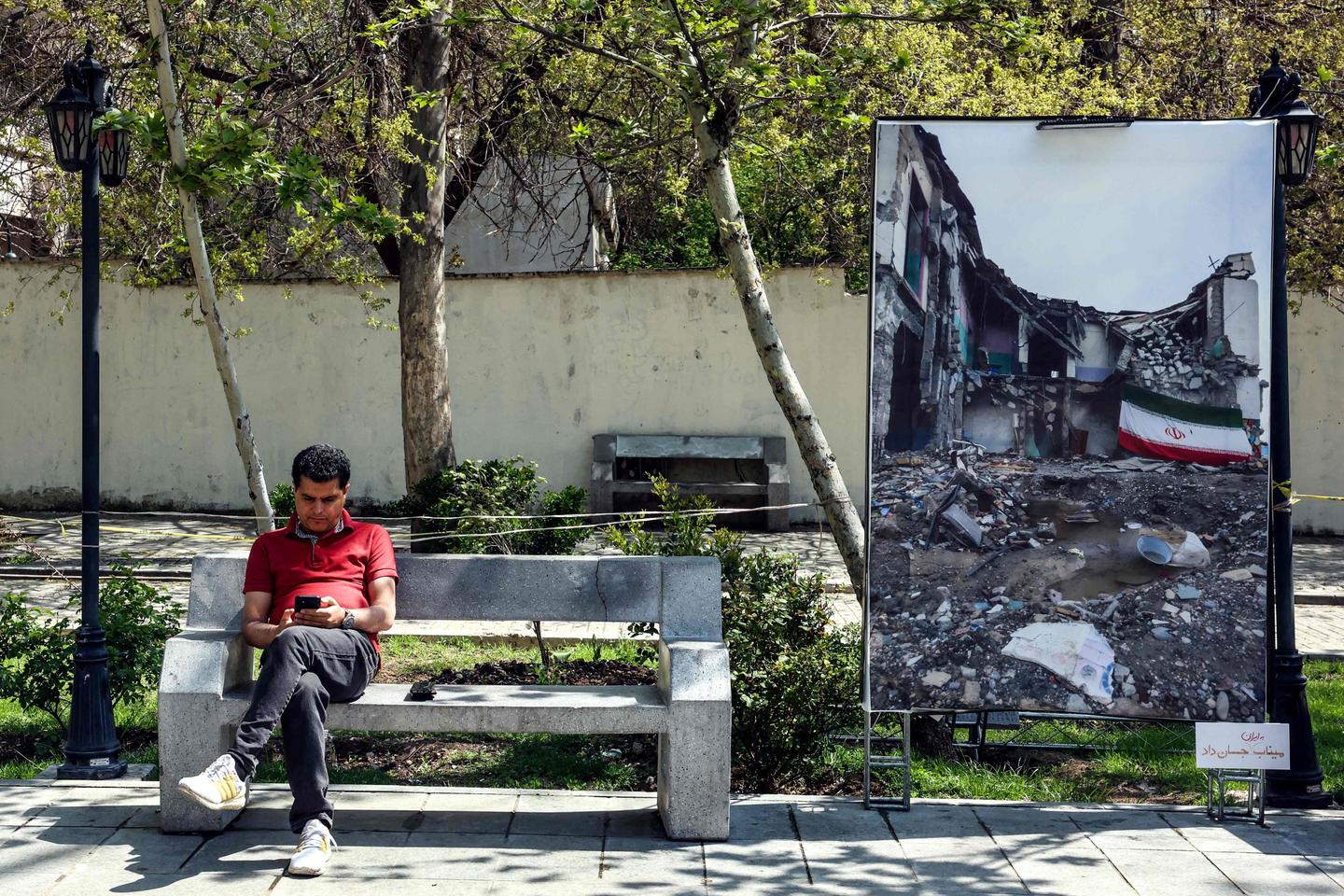
In Tehran, April 16, 2026. AFP
The internet shutdown in Iran, which began with the Israeli-American strikes on February 28, no longer appears to be a temporary measure. Everything indicates that a new infrastructure is being put in place, in which access to the global internet is no longer considered a right for everyone, but a privilege granted by the government to certain individuals.
From now on, access depends on proximity to the regime and, in some cases, is reserved for specific groups, sometimes only after obtaining individual authorization from the authorities. This marks a shift from traditional censorship to a discriminatory, stratified and hierarchical system.
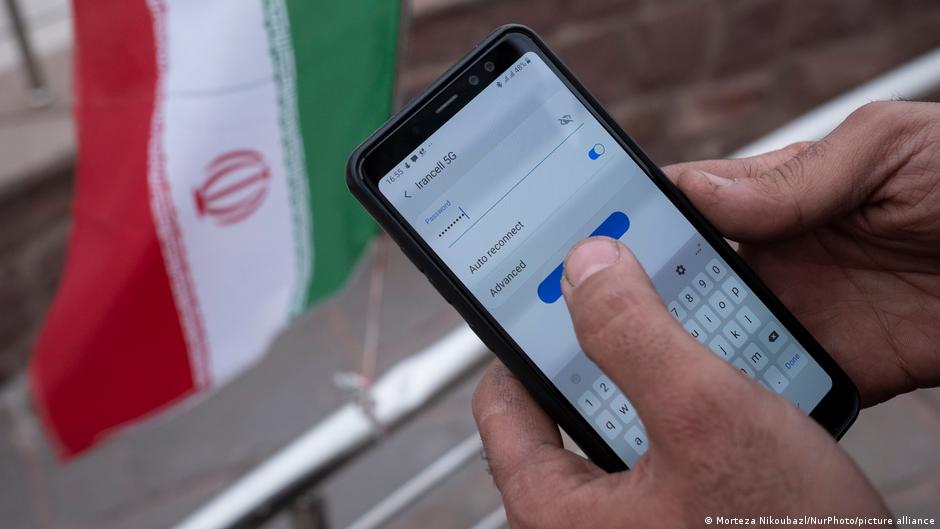
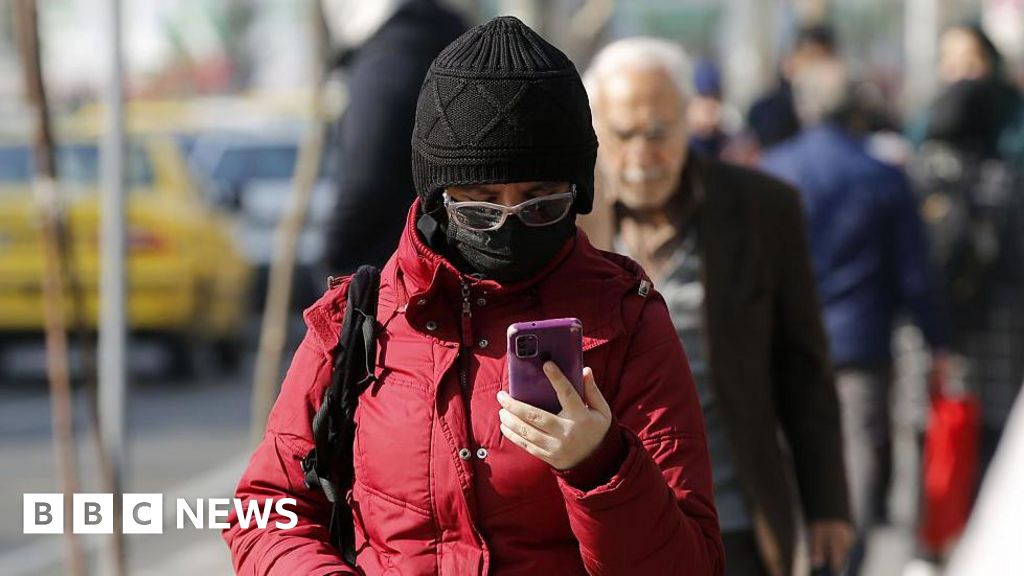
Since the start of the war – except for political leaders, certain journalists and figures close to the authorities in possession of what is known in Iran as a "white SIM card" allowing unrestricted access to the internet – the vast majority of Iranians have been cut off from the outside world. A minority has managed to circumvent these restrictions using VPNs. These Virtual Private Networks, used to bypass blocks by connecting through other countries, were purchased on the black market at high prices and with the risk of increased surveillance; there were also Starlink satellite dishes, which were banned in Iran and could lead to espionage charges.