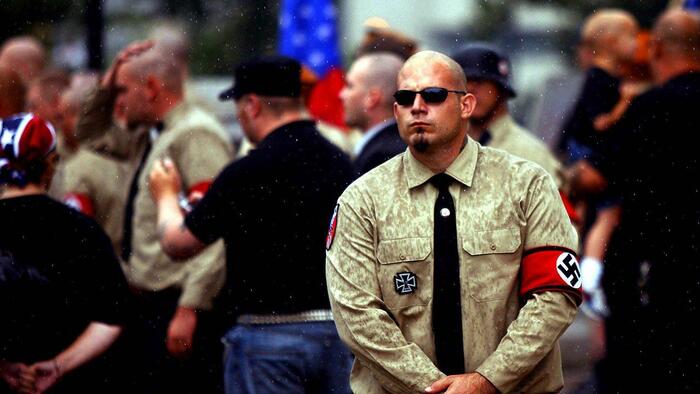
WASHINGTON – In July 1998, Victoria Keenan and her son Jason were driving near a white supremacist compound in northern Idaho when the car backfired or stalled. Aryan Nations guards chased them, opened fire, forced them off the road and held them at gunpoint.
Two years later, a civil lawsuit brought by the Southern Poverty Law Center won a $6.3 million judgment against the Aryan Nations at trial, ultimately forcing it into bankruptcy and shutting down a heavily armed encampment that had served as a hub for the nation’s most violent far-right hate groups.
The court judgment forced white supremacist leader Richard Butler to turn over the 20-acre compound to the Keenans; it was later turned into a public "peace park.”
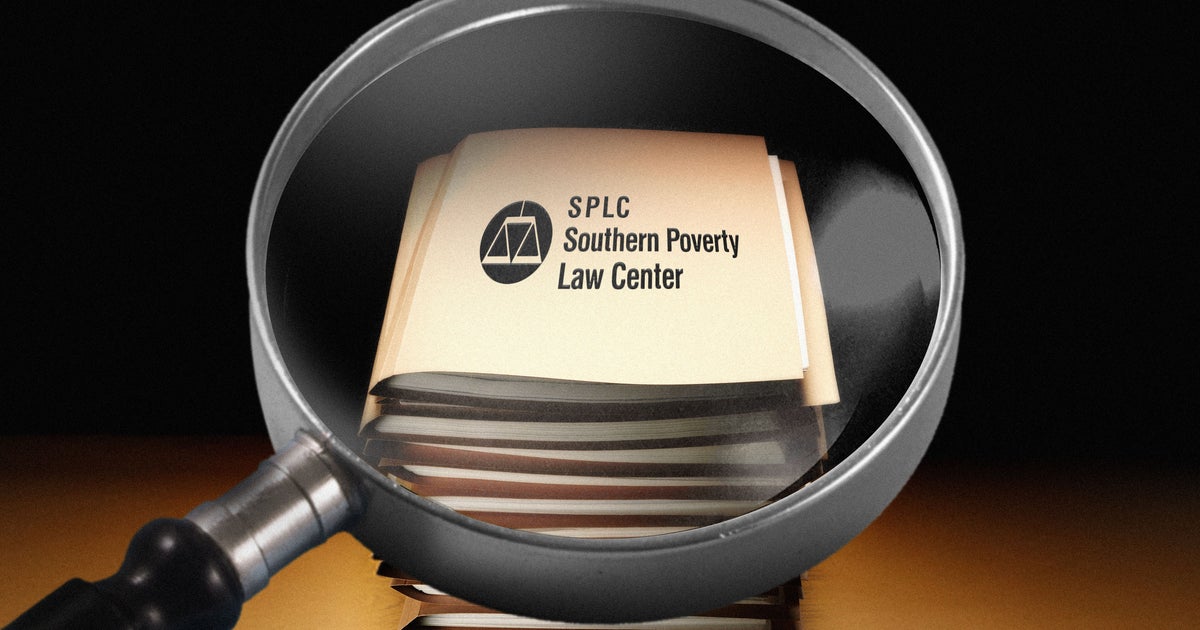
The case was just one of many examples over the past half-century of how the Montgomery, Alabama-based nonprofit has used the courts, insider information − and persistent research and investigation − to dismantle some of the most dangerous extremist organizations in the United States, according to USA TODAY interviews and SPLC and court documents.
Since its founding in 1971, the SPLC also has developed close relationships with the FBI and Justice Department. The SPLC provided the agencies with research on hate crime as well as intelligence developed by its network of undercover informants that was frequently shared with law enforcement agencies, those documents and interviews show.