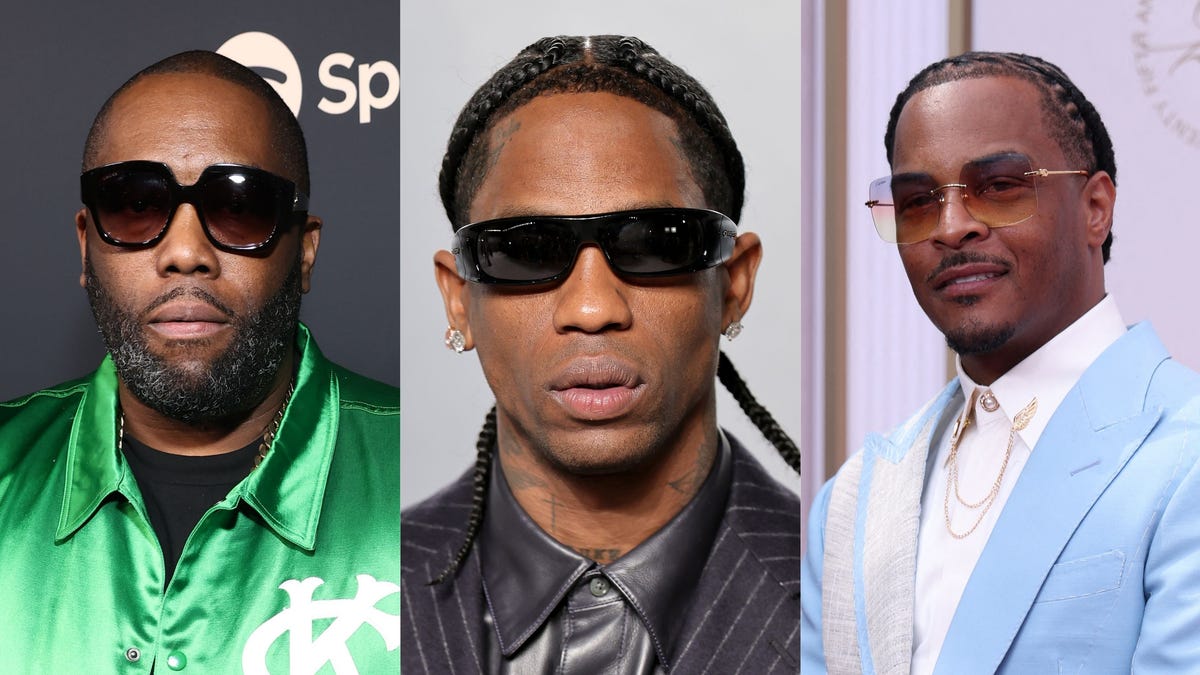
An upcoming execution in Texas has gained the attention of prominent rappers like Travis Scott and T.I. for the questions it raises about the place rap lyrics have in the courtroom and how justice is meted out to Black defendants.
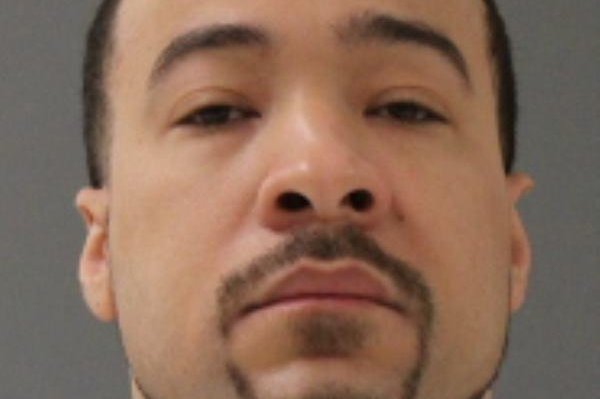
James Broadnax, 37, is set to be executed by lethal injection on Thursday, April 30, for the 2008 double murder of Stephen Swan and Matthew Butler, two producers of Christian music killed during a robbery outside their studio in the Dallas suburb of Garland.
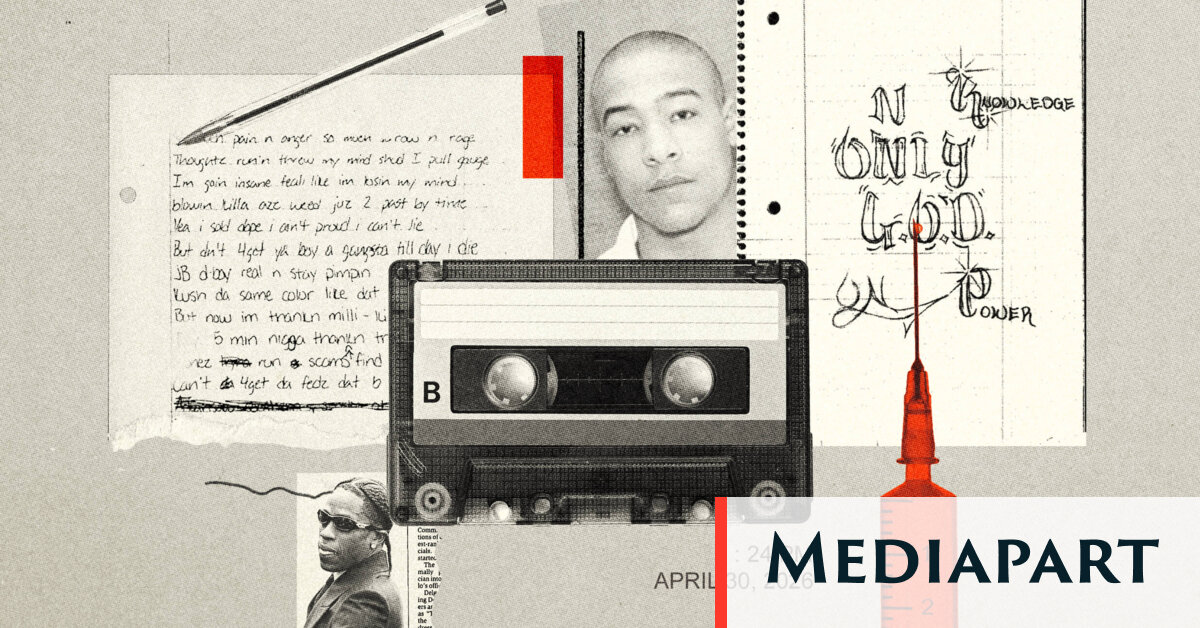
Broadnax's case is gaining national attention for what his attorneys say was an unfair trial that saw prosecutors eliminate almost every potential Black juror and use Broadnax's own rap lyrics against him. The result, defense attorneys argue in a recent U.S. Supreme Court filing, transformed Broadnax's "artistic expression into a death warrant."
In a friend-of-the-court brief filed in the Supreme Court last month, rapper Travis Scott argues that rap music has been increasingly used as evidence against defendants "in a manner that exploits and perpetuates stereotypes."
"Because rap lyrics are art, they are not literal," the brief said. "And introduction of rap lyrics as evidence against criminal defendants invites jurors to transfer their opinions about the genre onto the individual before them, risking punishment for expression unrelated to the crime at issue."