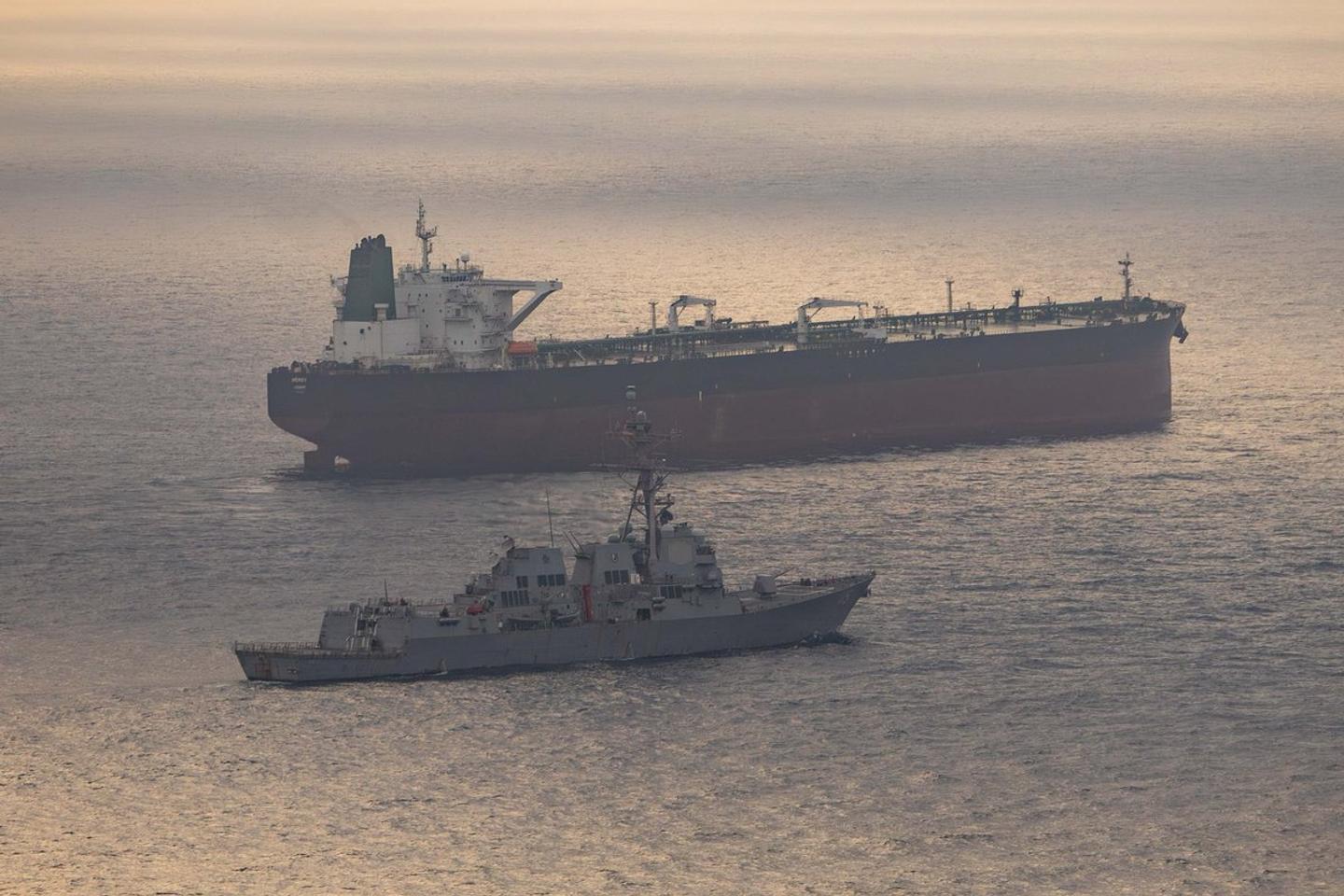
The guided-missile destroyer USS Rafael-Peralta blocks an Iranian-flagged ship attempting to reach a port in the Islamic Republic, April 24, 2026 (photo provided by US Central Command). CENTCOM/X
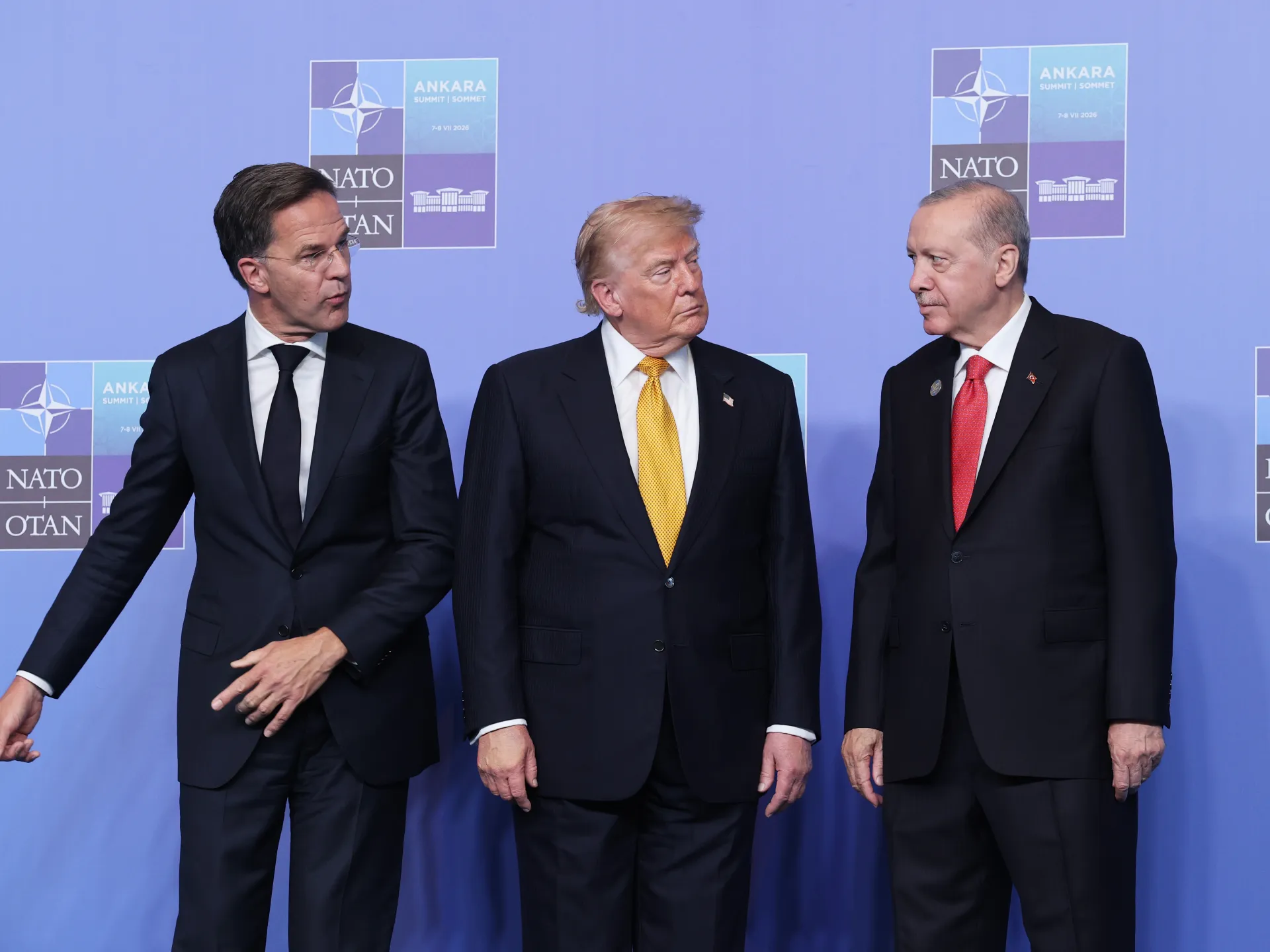
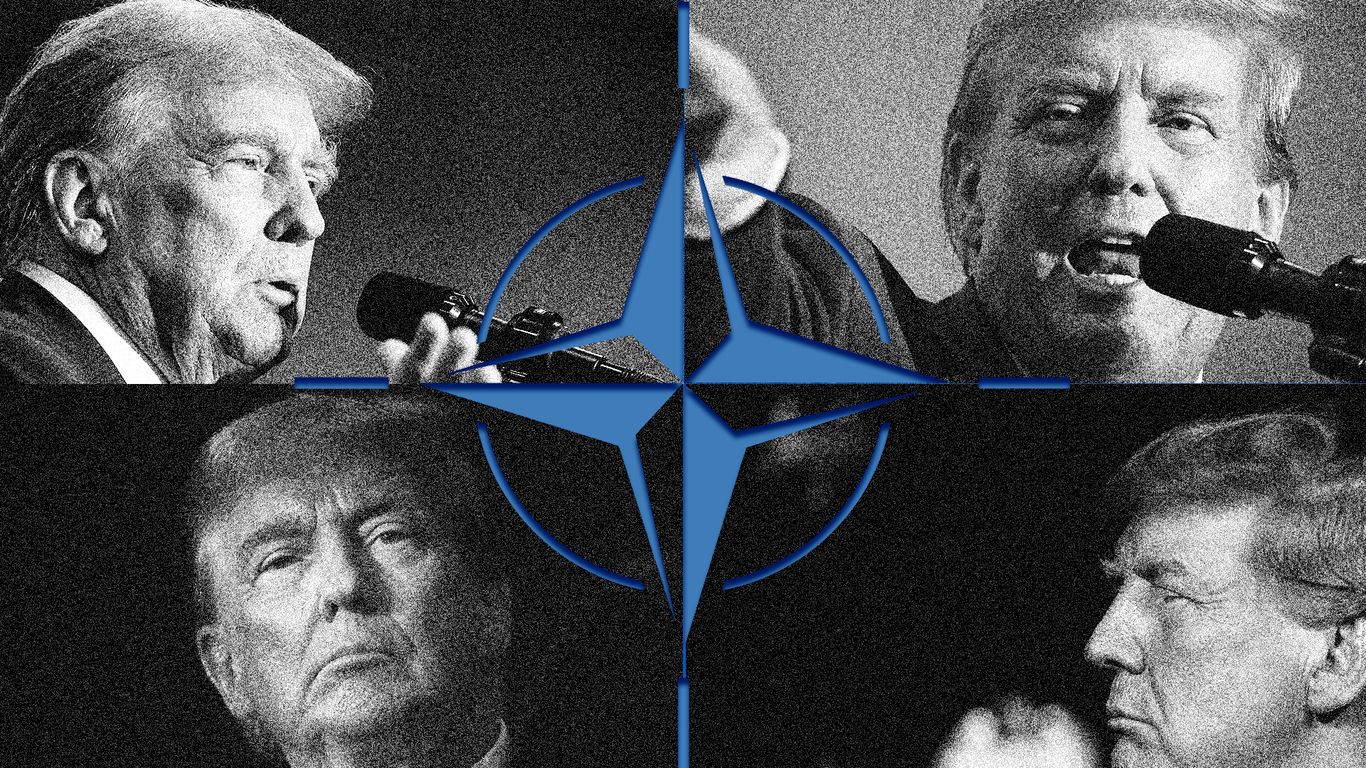
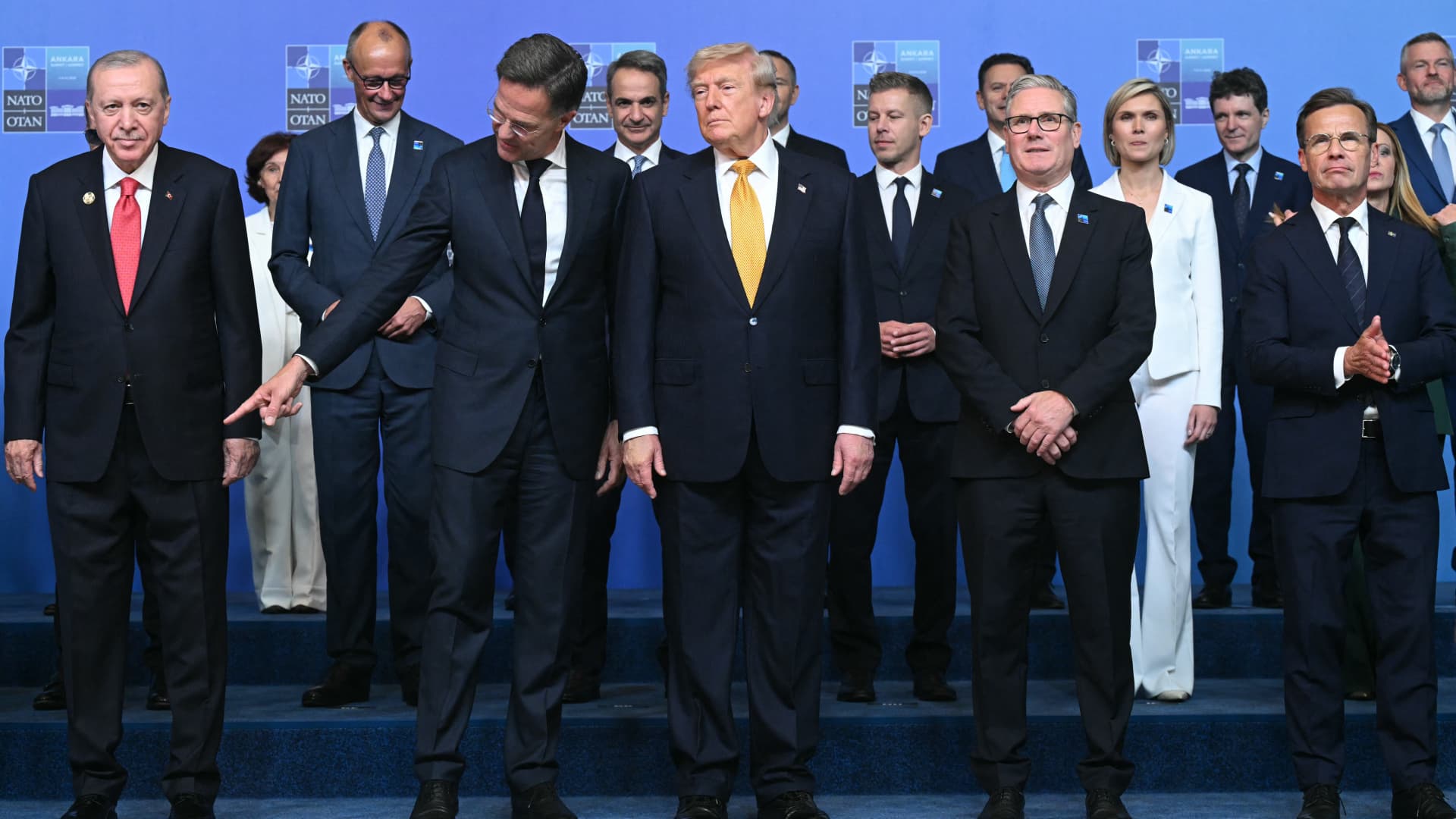
Divorce seems unlikely, but the growing apart is undeniable. That sums up the sad state of the North Atlantic Treaty Organization (NATO) under the Trump administration. The White House may well view the war against Iran as a military triumph, but its irritation with NATO countries continues to grow.
According to Washington, NATO allies have failed to show solidarity with the United States or to defend their own business interests in the Strait of Hormuz, which is being choked off by Tehran. The US wanted European countries to quickly dispatch naval forces to take part in demining and securing the vital shipping lane. In response, the Europeans said they would only consider such a commitment once a lasting, negotiated ceasefire was in place. Their implicit message: Let the Americans fix what they broke.
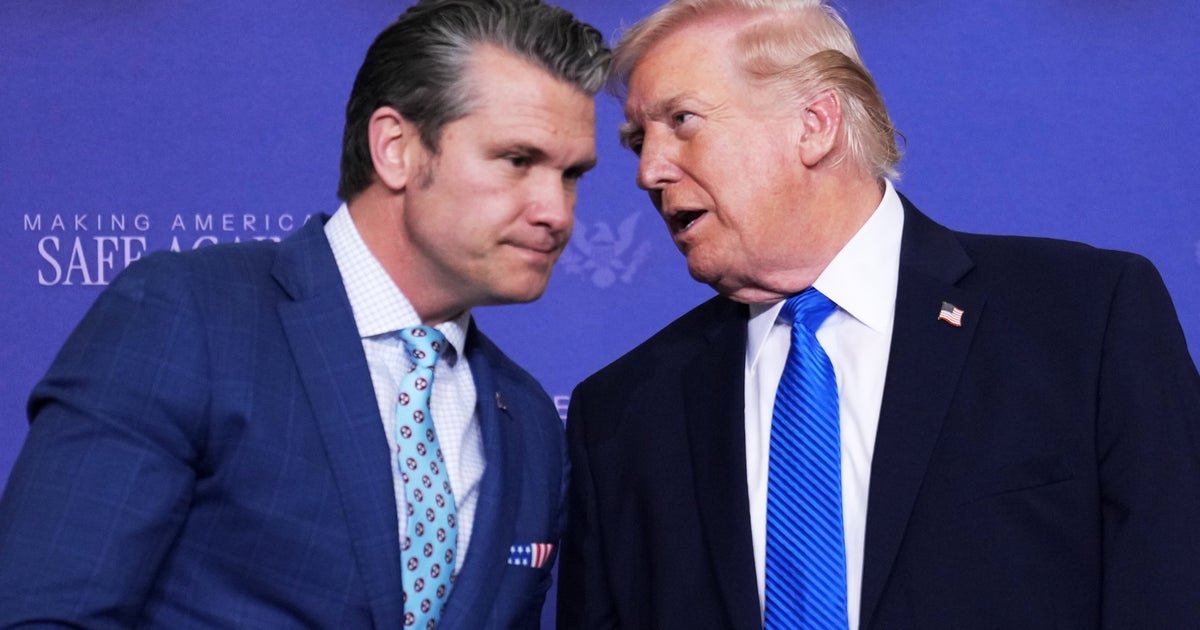
In early April, Donald Trump called the alliance a "one-way street." His secretary of state, Marco Rubio, spoke soon after of the need to "reexamine" the relationship. On Friday, April 24, during a press briefing, Defense Secretary Pete Hegseth struck a similar tone: "We are not counting on Europe, but they need the Strait of Hormuz much more than we do, and might want to start doing less talking and having less fancy conferences in Europe, and getting a boat. This is much more their fight than ours." He added, " Europe and Asia have benefited from our protection for decades, but the time for free-riding is over."