A previously unknown species of bacteria found in patients with noma could be key to creating treatments for the neglected tropical disease
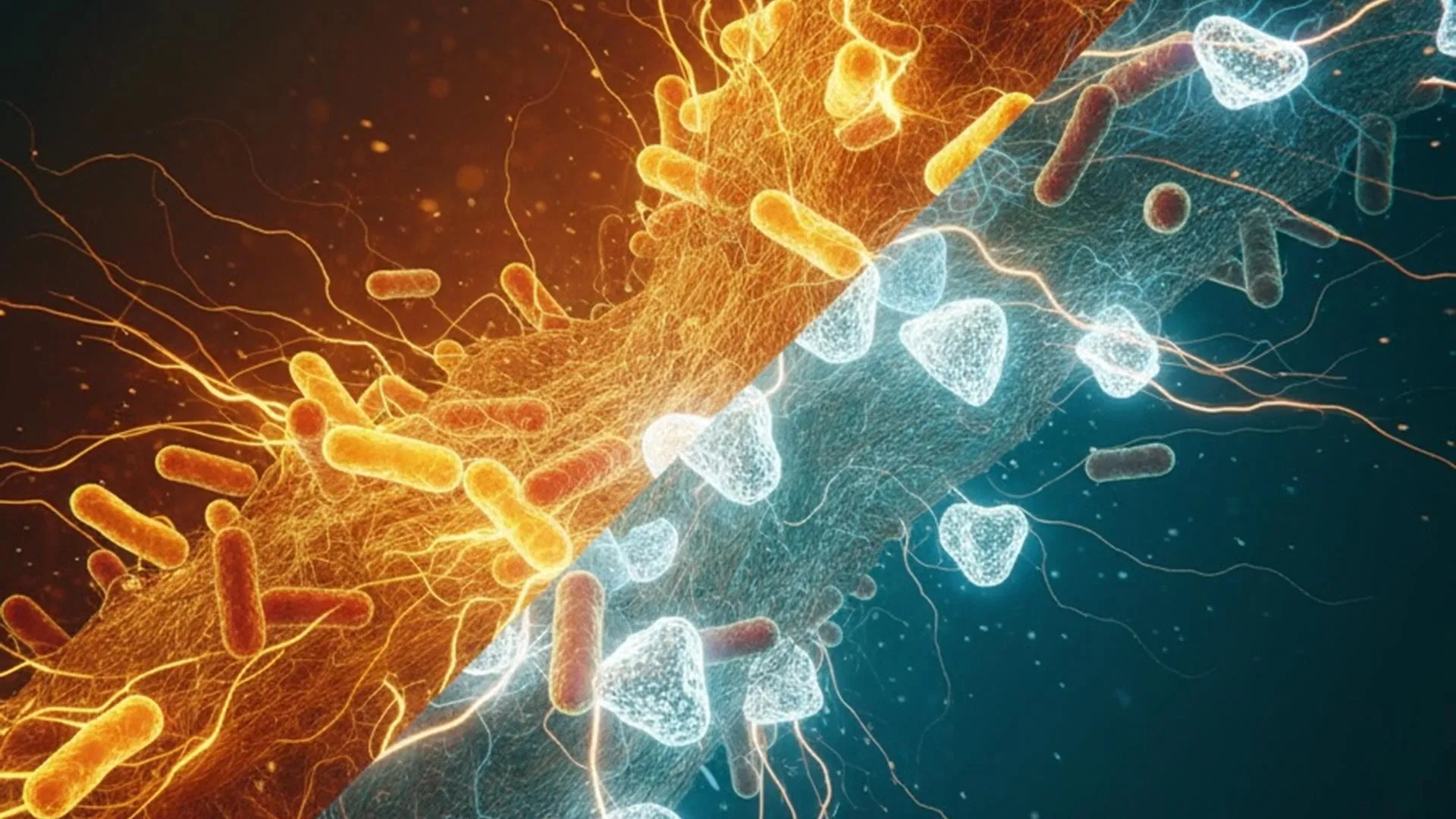
The “astonishing” discovery of a new bacteria could open the door to better ways to prevent, detect and treat a fatal and disfiguring childhood disease, researchers hope.
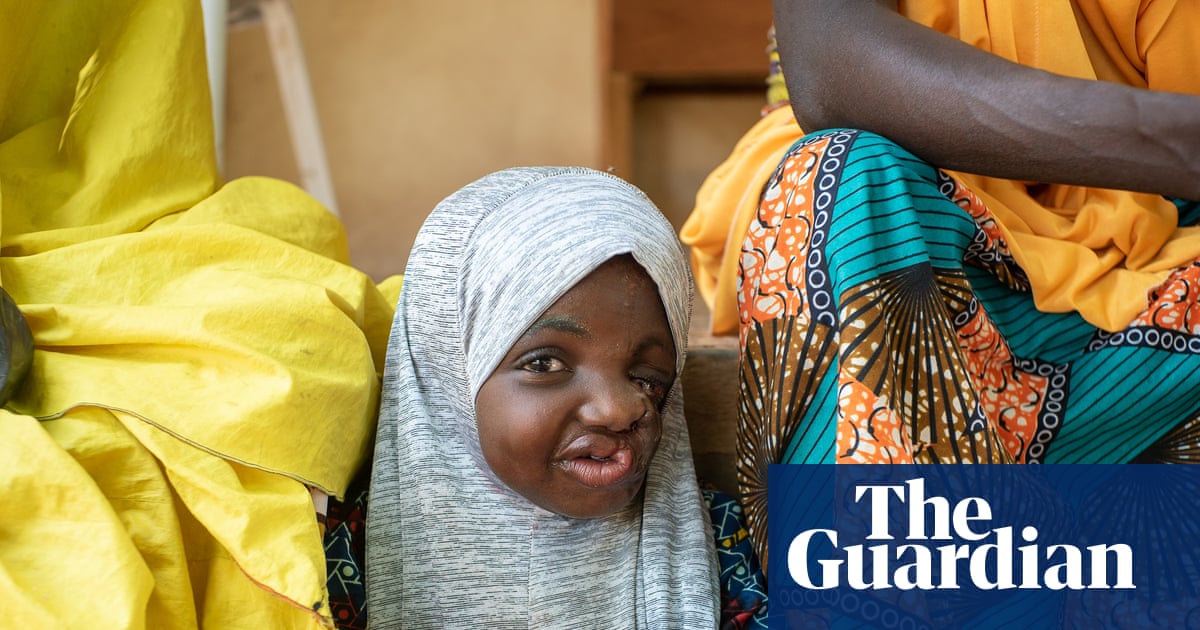
Noma, which is fatal in 90% of cases without treatment, begins as a sore on the gums but goes on to destroy the tissues of the mouth and face.
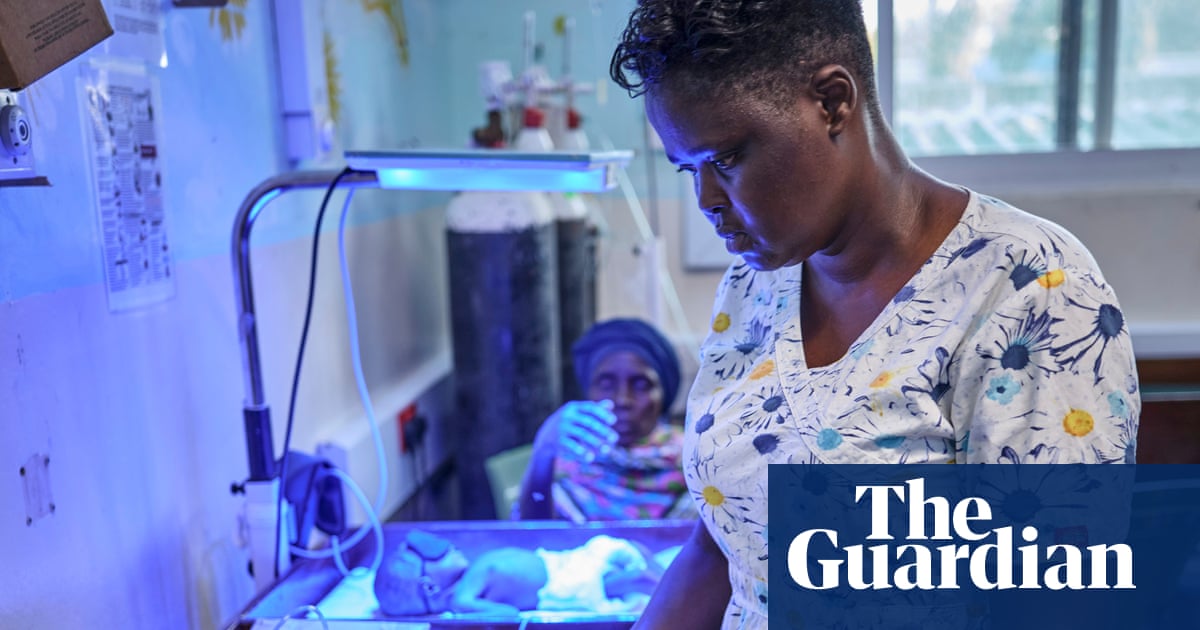
It mainly affects young, poor and malnourished children, and has been called the “face of poverty”. Those that survive are left with lifelong scarring and disfigurement. Data on noma is patchy, but expert estimates put case numbers at tens of thousands every year. Most cases are reported in the Sahel region of Africa, but it also occurs in other parts of the world.
While it can be successfully treated with broad spectrum antibiotics, pointing to a bacterial culprit, the precise underlying cause of noma, classified as a neglected tropical disease, has never been established.