Study of 1,300 campaigners finds arrests, fines and jail terms increase determination of activists to take direct action
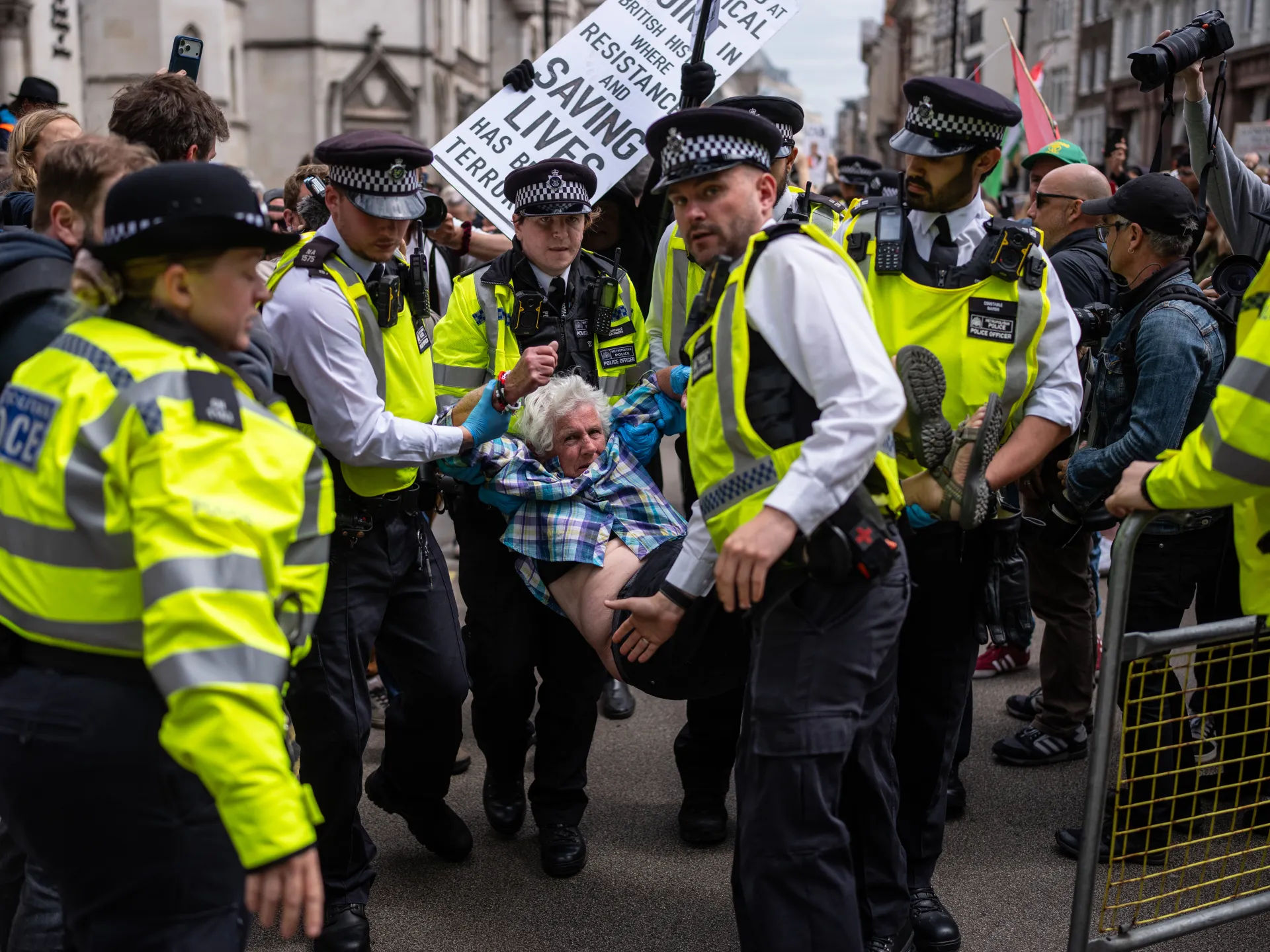
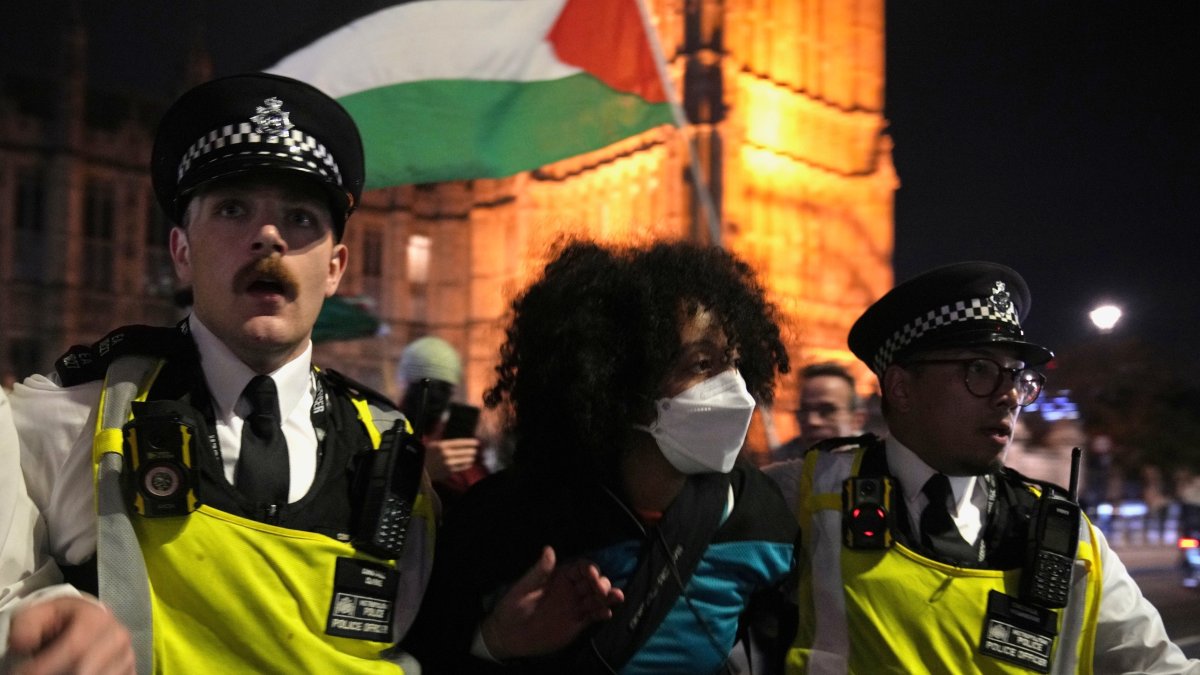
The criminalisation of direct action climate protests in the UK is counterproductive and increases the determination of activists to undertake disruptive demonstrations, according to a study of 1,300 campaigners.
New findings suggest arrests, fines and lengthy prison sentences given to nonviolent climate protesters who have blocked roads or damaged buildings may actually radicalise them. The repression of protest could even be one driver of recent covert actions such as the cutting of internet cables, they said.
Previous research found conflicting results on the impact of repression on protesters, some suggesting it deterred further action and some indicating it encouraged it. The new work found the emotional response of the activists determined their reactions to repression they experienced or anticipated experiencing.
Those who had already been jailed, fined, arrested or surveilled said they were less fearful of taking part in future disruptive actions. The campaigners who had not experienced repression fell into two broad groups. Those who felt anger or contempt about the prospect of repression were galvanised and had stronger intentions to take part in future. Those in whom the idea of repression increased fear had weakened intentions.