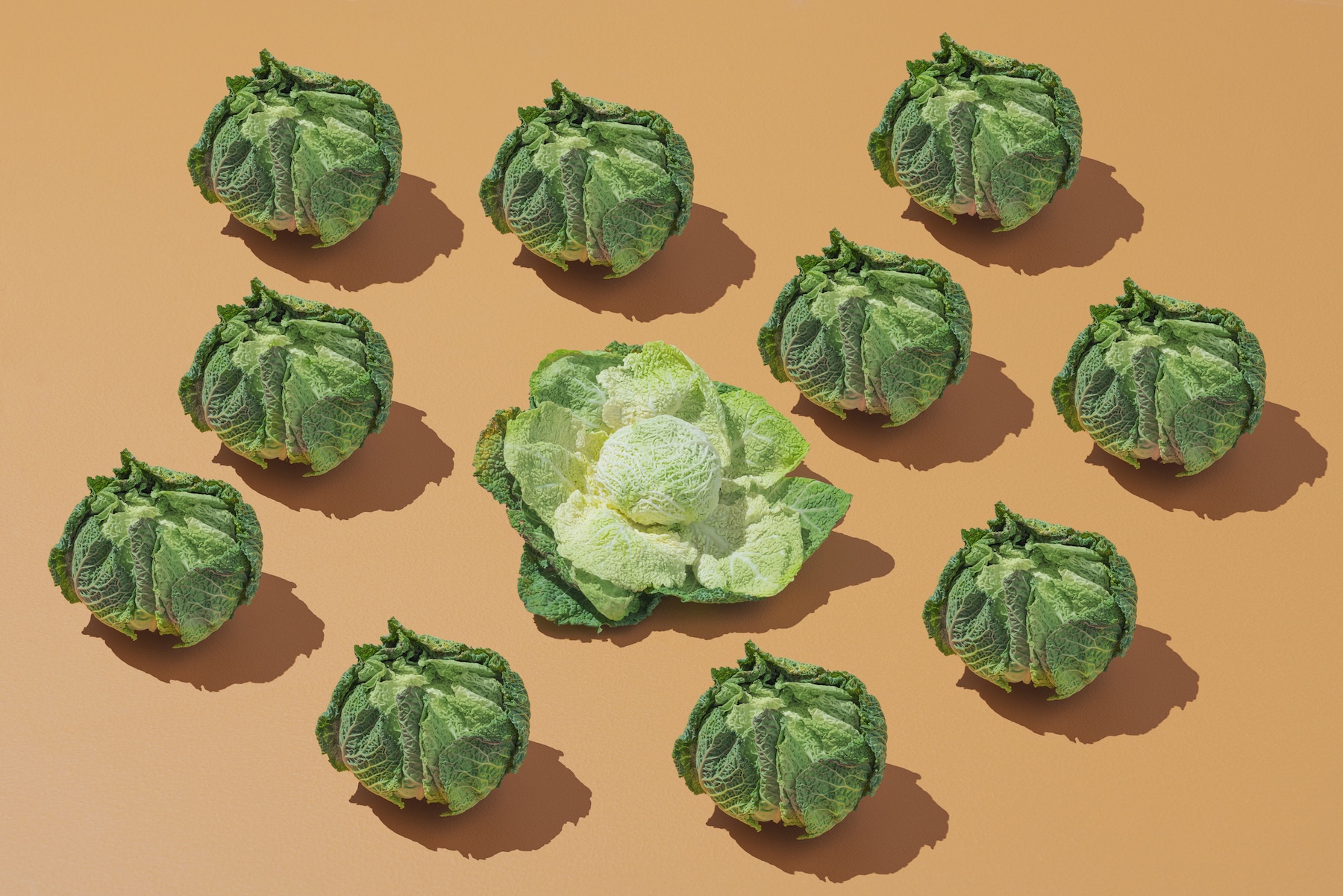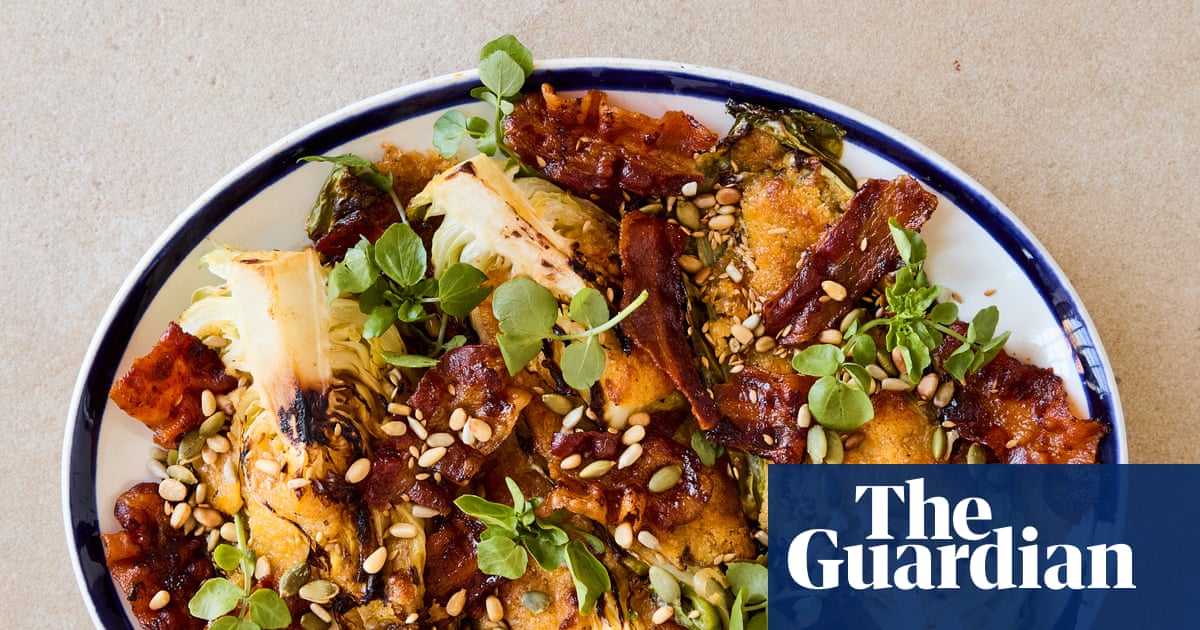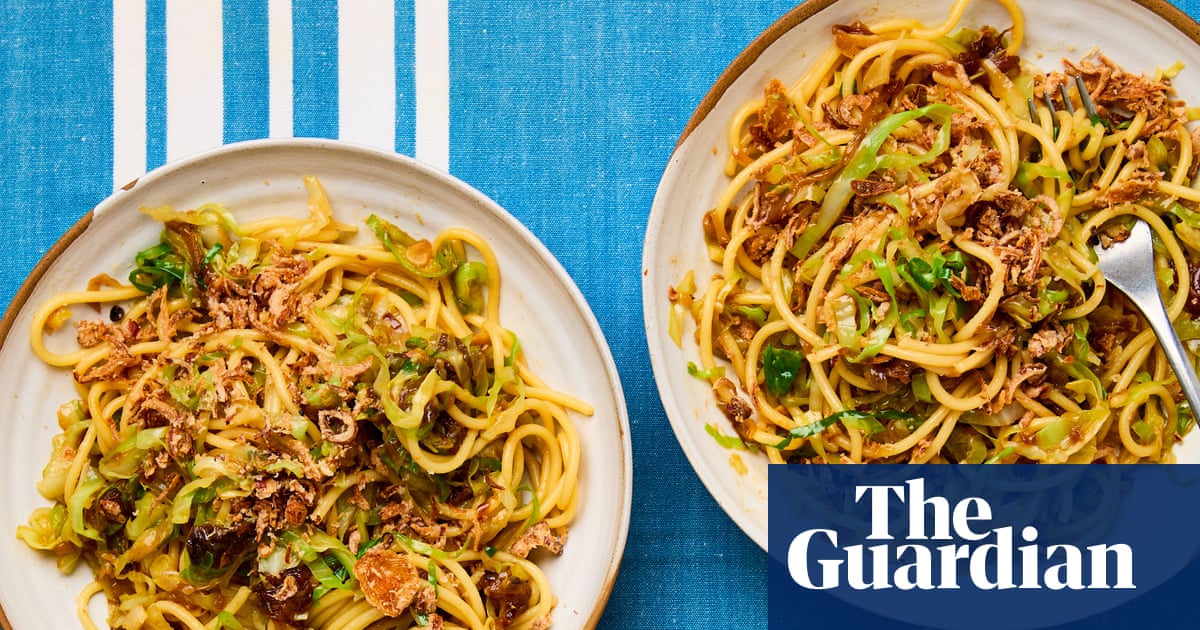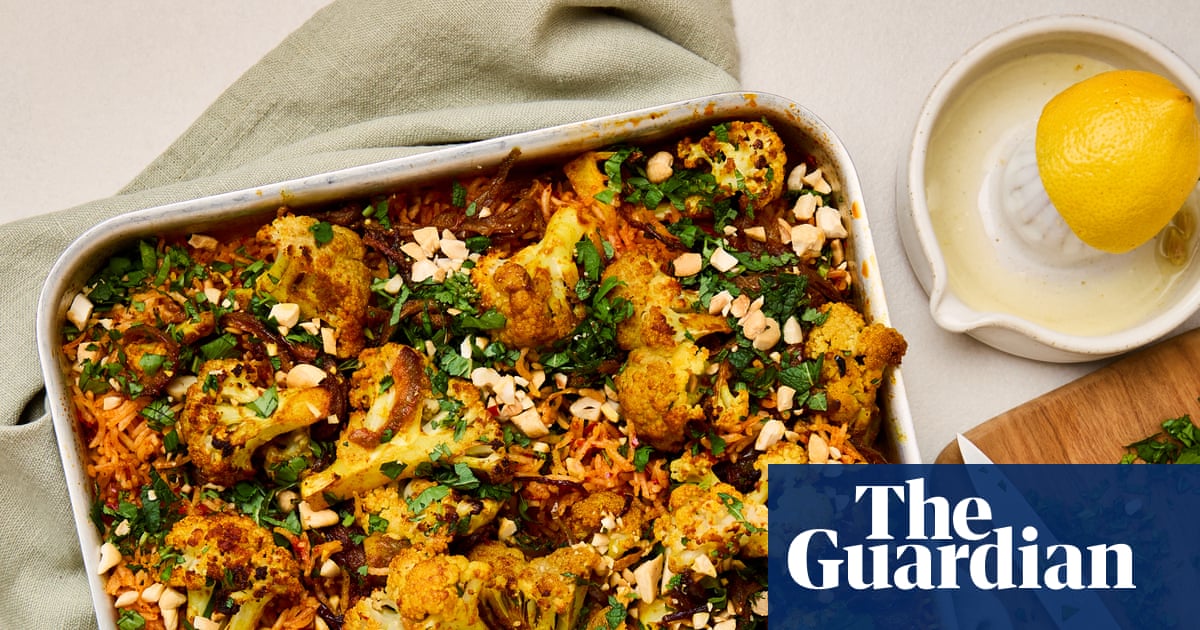
When Vogue, Pinterest and L’Enclume’s chef-patron Simon Rogan all separately declared 2026 the year of the cabbage, it felt like the culmination of a lot of hard work behind the scenes. Some of us don’t need convincing of the value of this leafy-green member of the brassica family. Among Eastern European matriarchs, for instance, “cabbage-core” has been trending for centuries. But after a decade of grilled hispi cabbage, cabbage steaks and kimchi being smuggled onto western plates, the rehabilitation of this once stigmatised vegetable seems complete.
Cabbage ticks a lot of boxes. It is highly nutritious, packed with fibre, antioxidants and vitamins C and K. Low in calories. Versatile (it can be roasted, braised or pickled; used in a soup or salad or as a wrapper or side). And cheap. Chefs particularly love it as a humble ingredient that can be elevated to greater things.
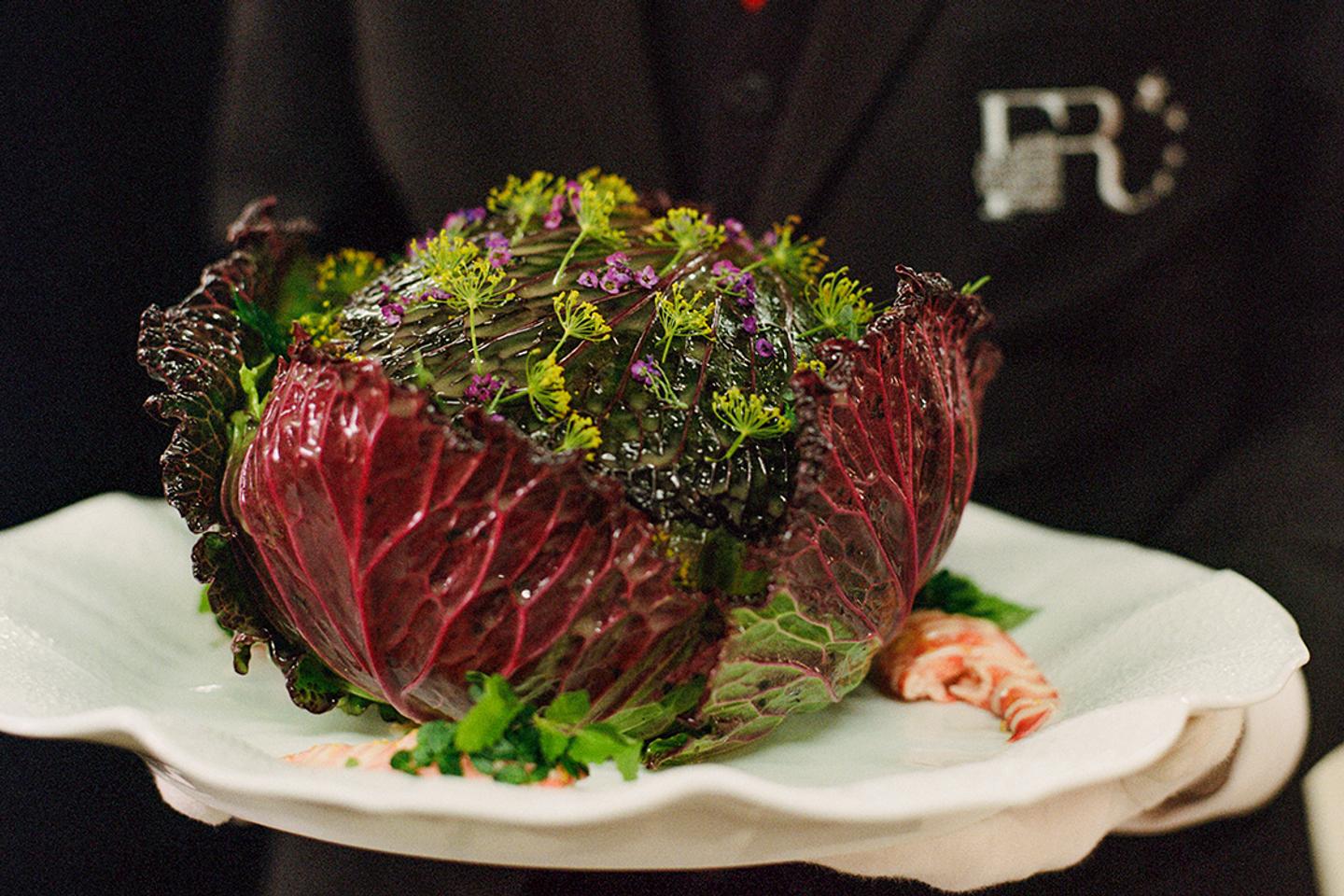
Karl O’Dell’s native lobster and Alsace bacon chou farci at Cord restaurant in London © Cord Restaurant
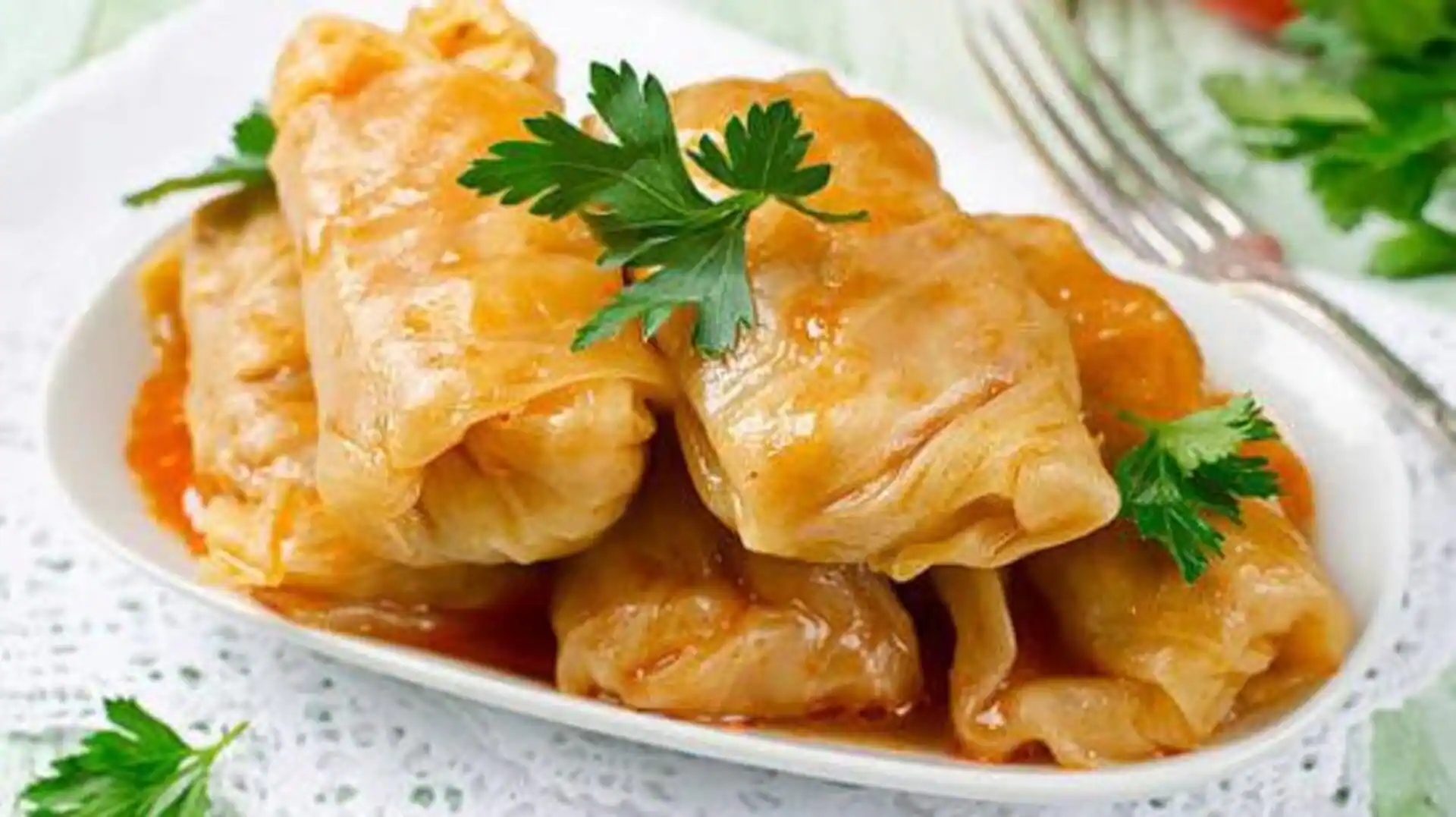
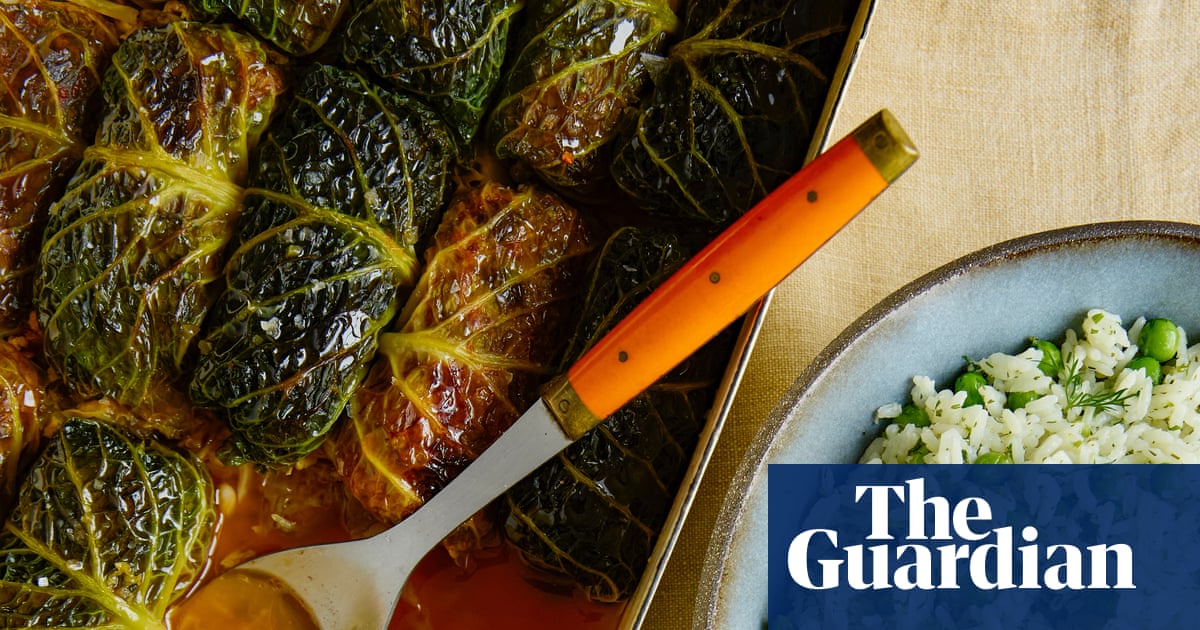
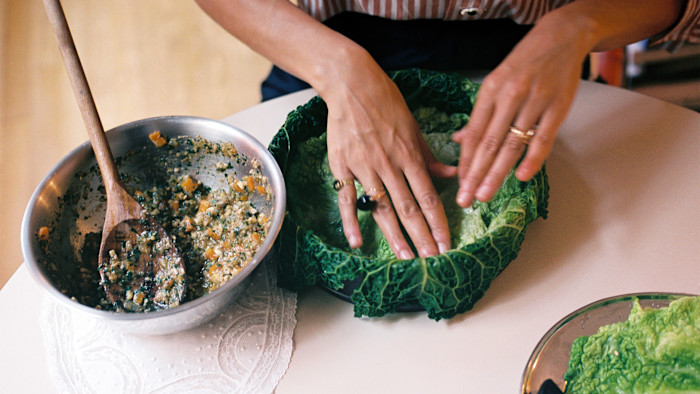
This transformation is exemplified by the French dish chou farci, a stuffed cabbage recipe that was born of peasant cooking as a way of using up leftovers. It remains a family favourite with a classic filling that includes ground pork and beef with vegetables, but many chefs have come up with grander renditions. “The chou farci at Julien Royer’s restaurant Claudine in Singapore is probably the best dish I have ever eaten,” says Rogan of a version made with Gascon bacon, foie gras and prunes. “It is a perfect example of how a traditional French rustic dish can be transformed through incredible ingredients and execution.”