A catastrophe in global aviation fuel is taking shape, and almost no one is paying attention. File Photo by John Angelillo/UPI | License Photo
April 24 (UPI) -- A catastrophe in global aviation fuel is taking shape, and almost no one is paying attention.
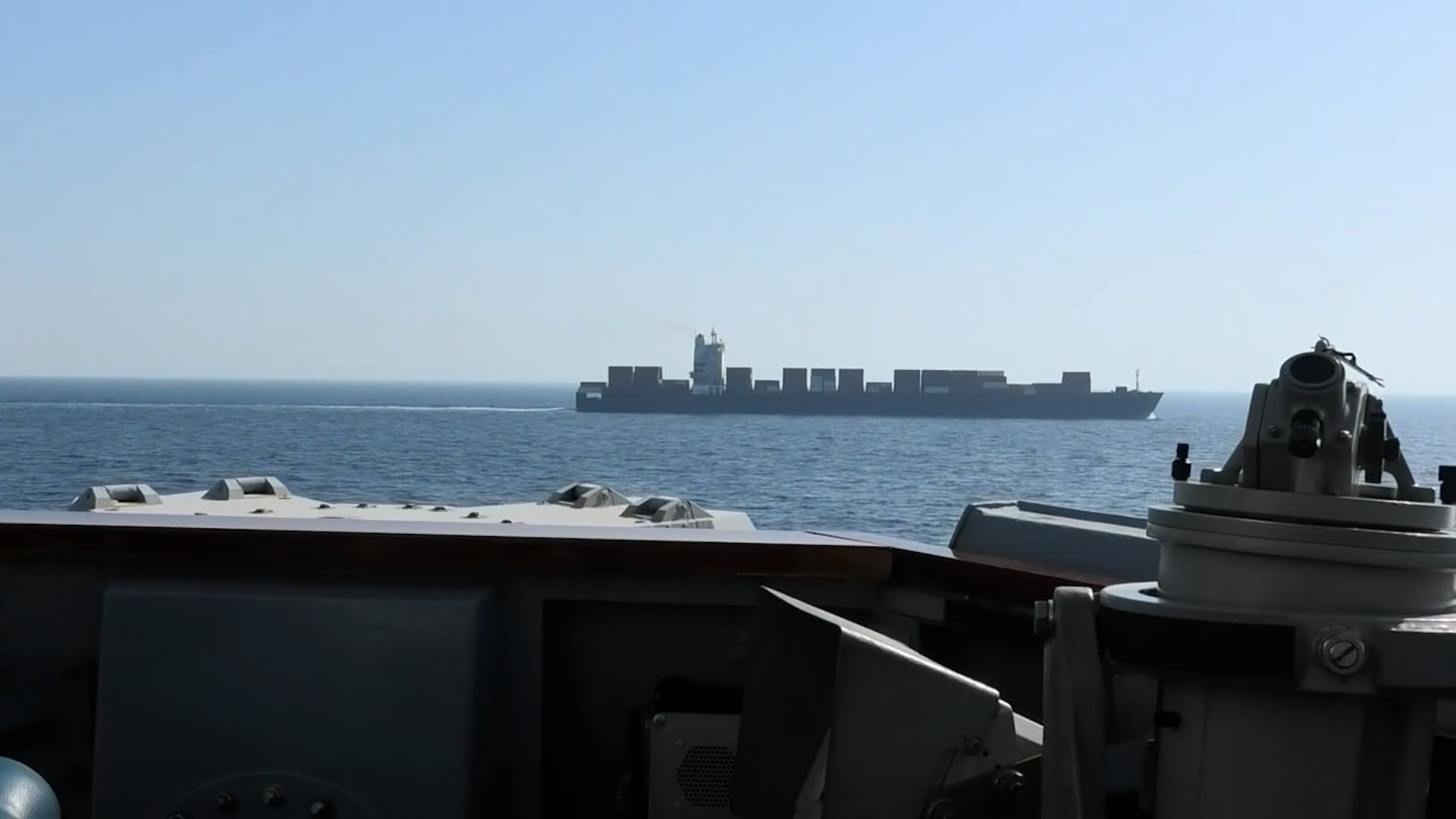
The culprit is the prolonged conflict in the Middle East and the supply insecurity it has introduced into global crude oil markets. Jet fuel is refined from crude oil, and the vast majority of jet fuel-producing nations -- South Korea, Singapore, India, and Japan among them -- import that crude through the Strait of Hormuz, now under sustained threat of blockade. Unlike most petroleum derivatives, jet fuel is structurally among the most exposed products in this crisis.
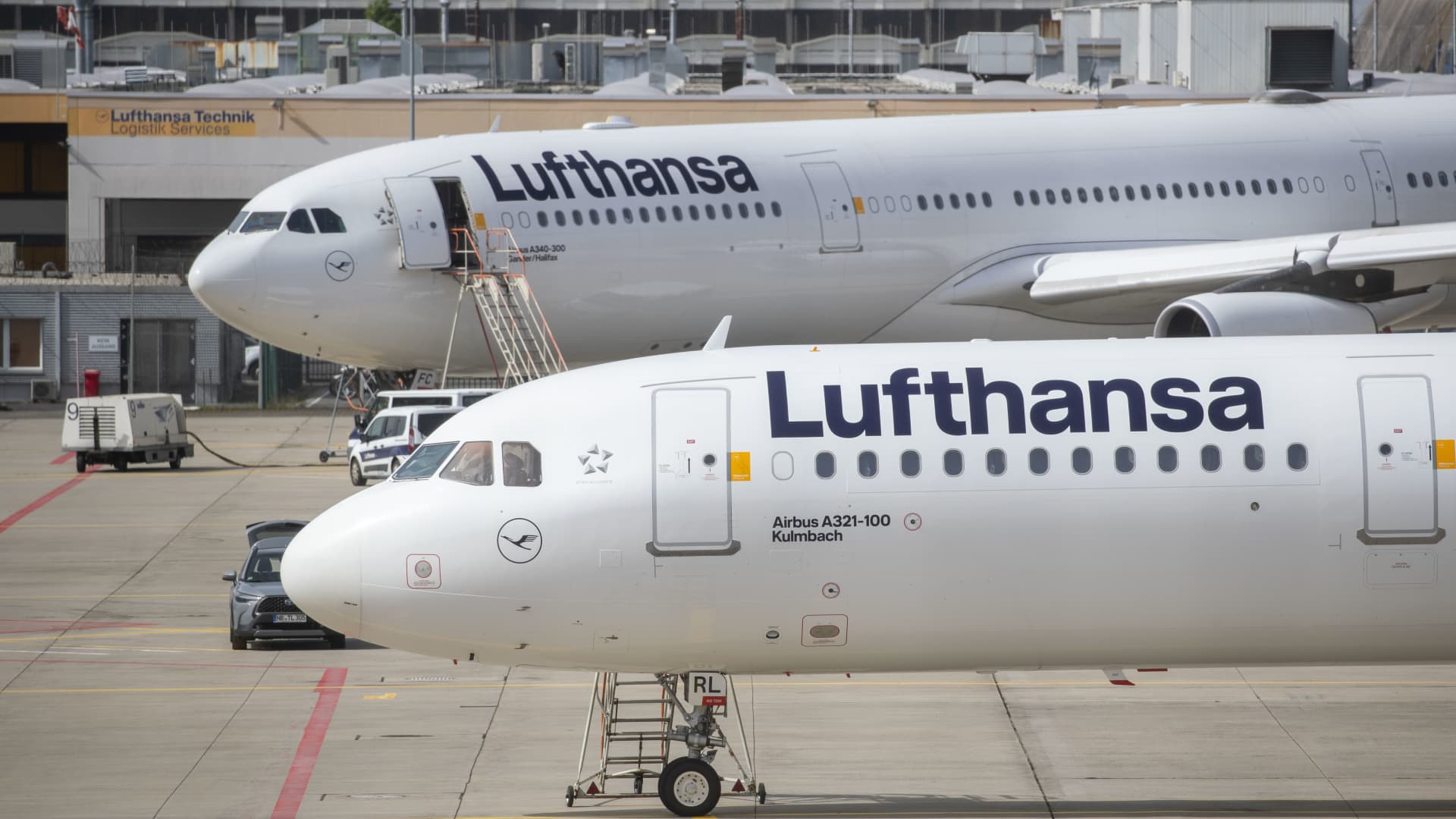
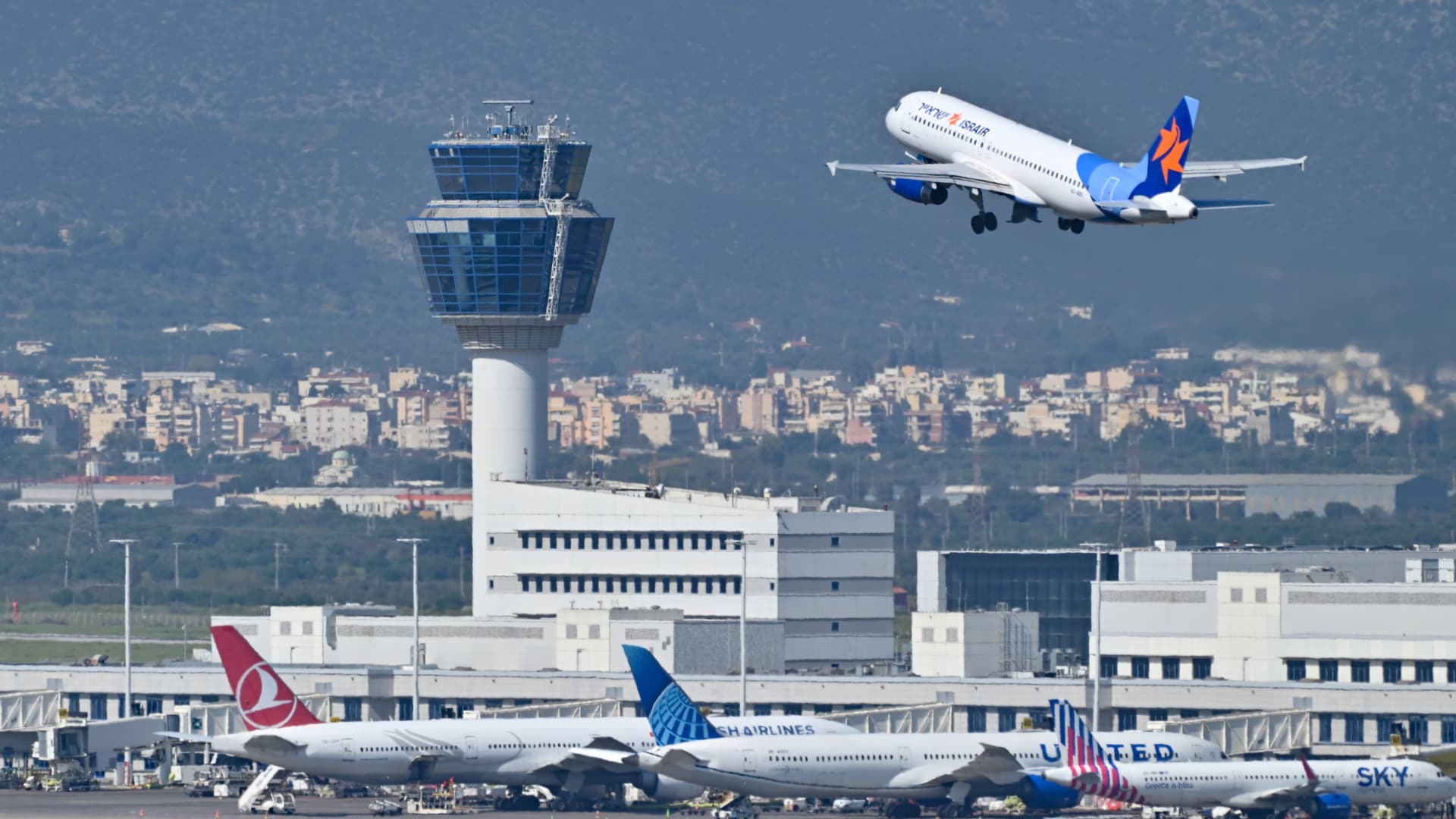
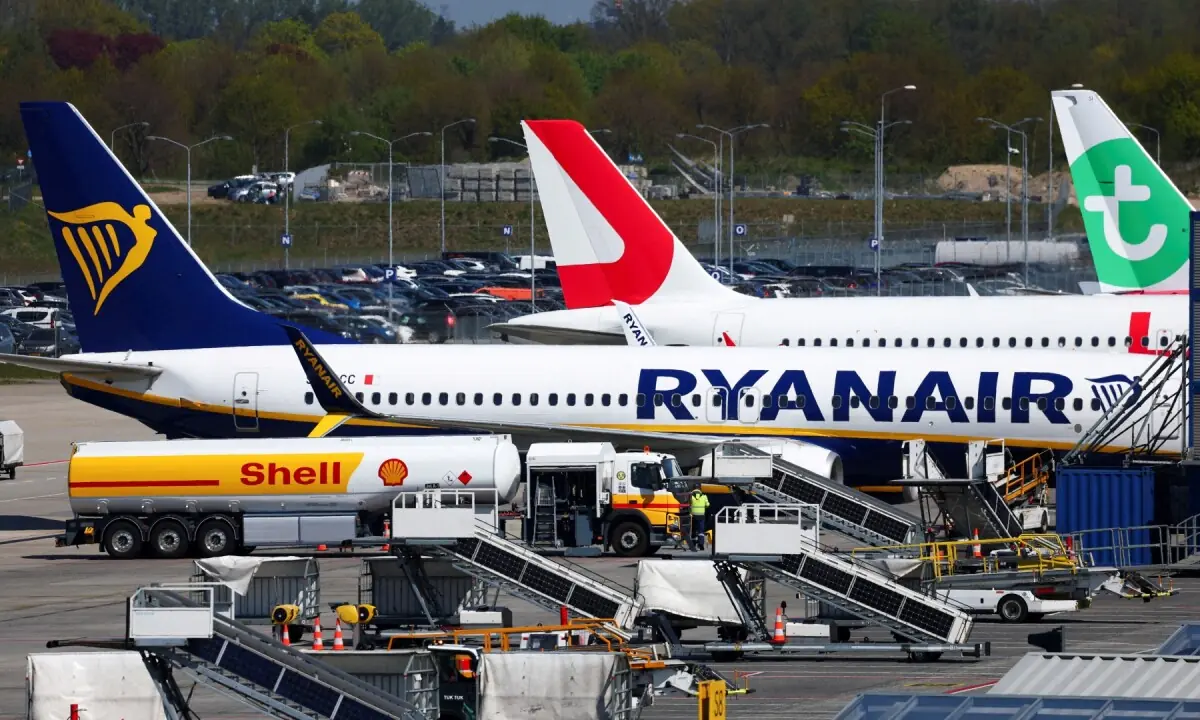
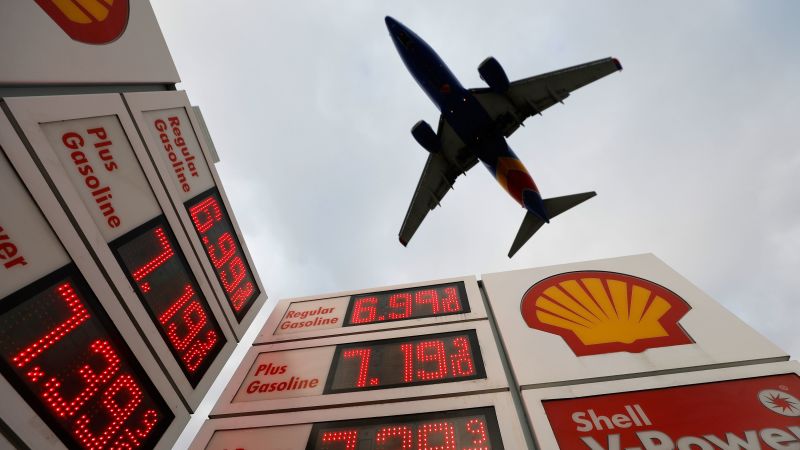
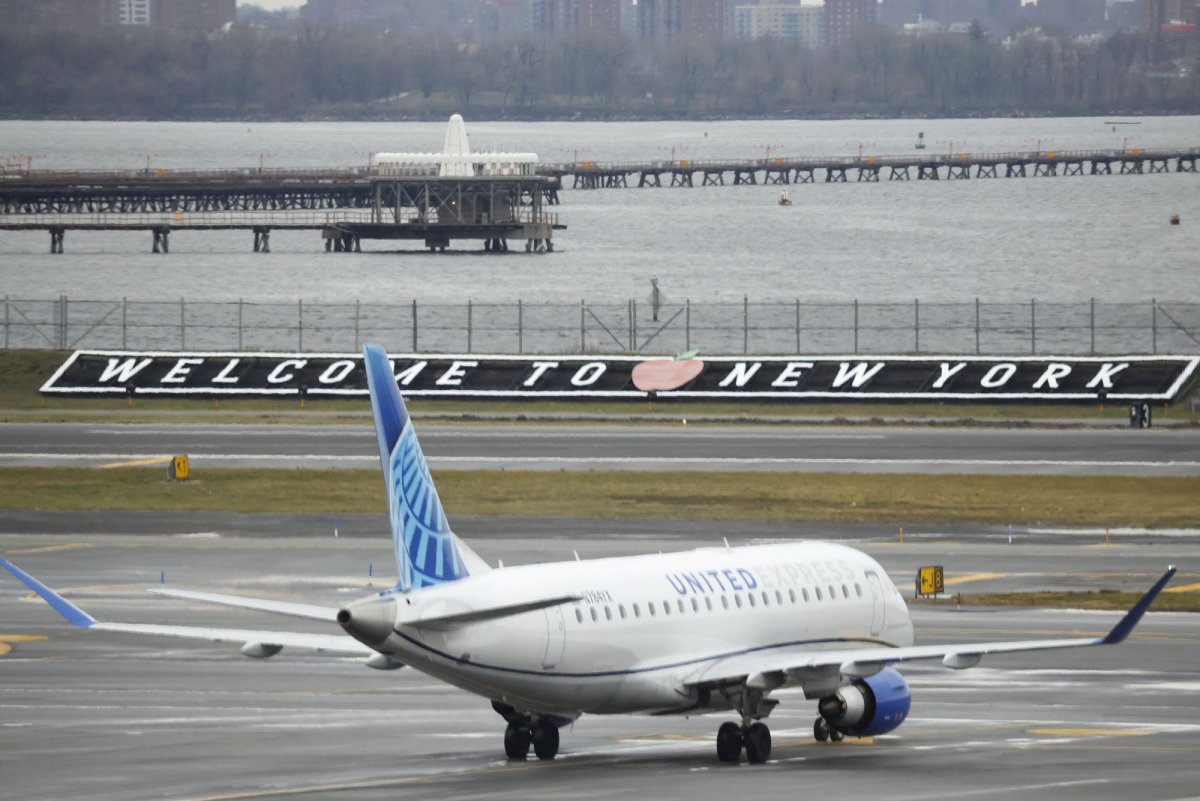
The consequences of a supply disruption would be swift and severe. At minimum, one-third of the world's airports could see fleets grounded as prices spike beyond what carriers can absorb. The cascading damage to business travel, logistics, and global supply chains would rival the economic toll of open warfare. The early warning signs are already visible: jet fuel prices have more than doubled, inventories are thinning, and airlines are quietly cutting routes.
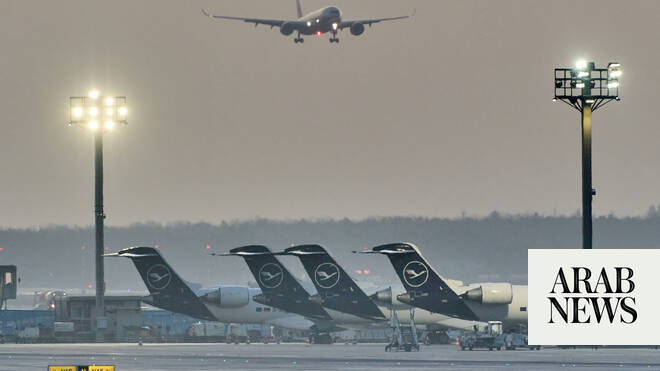
On April 16, Fatih Birol, Executive Director of the International Energy Agency, reported that European jet fuel reserves had fallen to roughly six weeks of supply -- a warning that, one week on, means approximately five weeks remain. With the Strait of Hormuz still closed, Europe's aviation sector is in a genuinely precarious position.