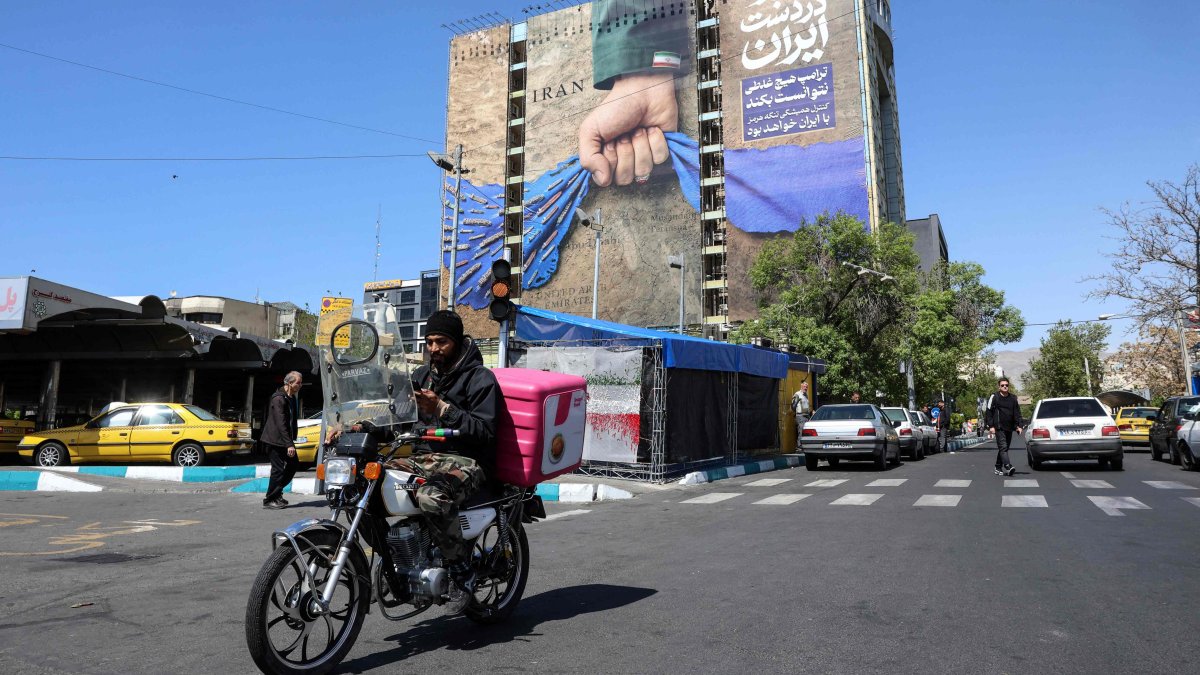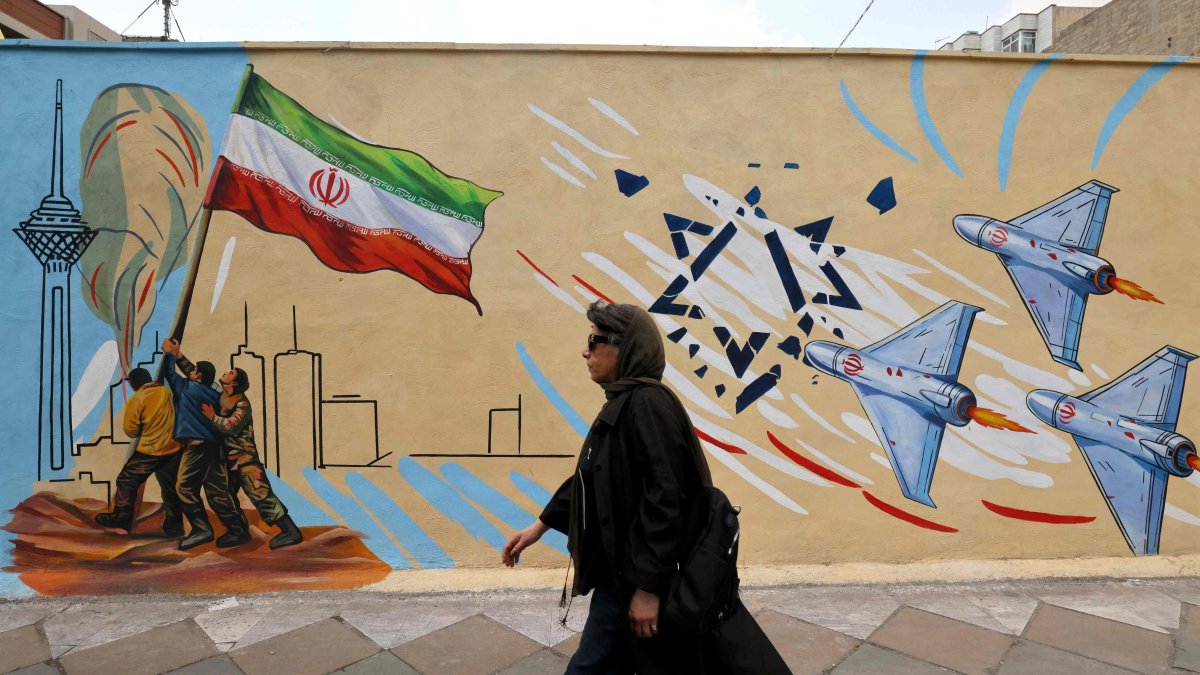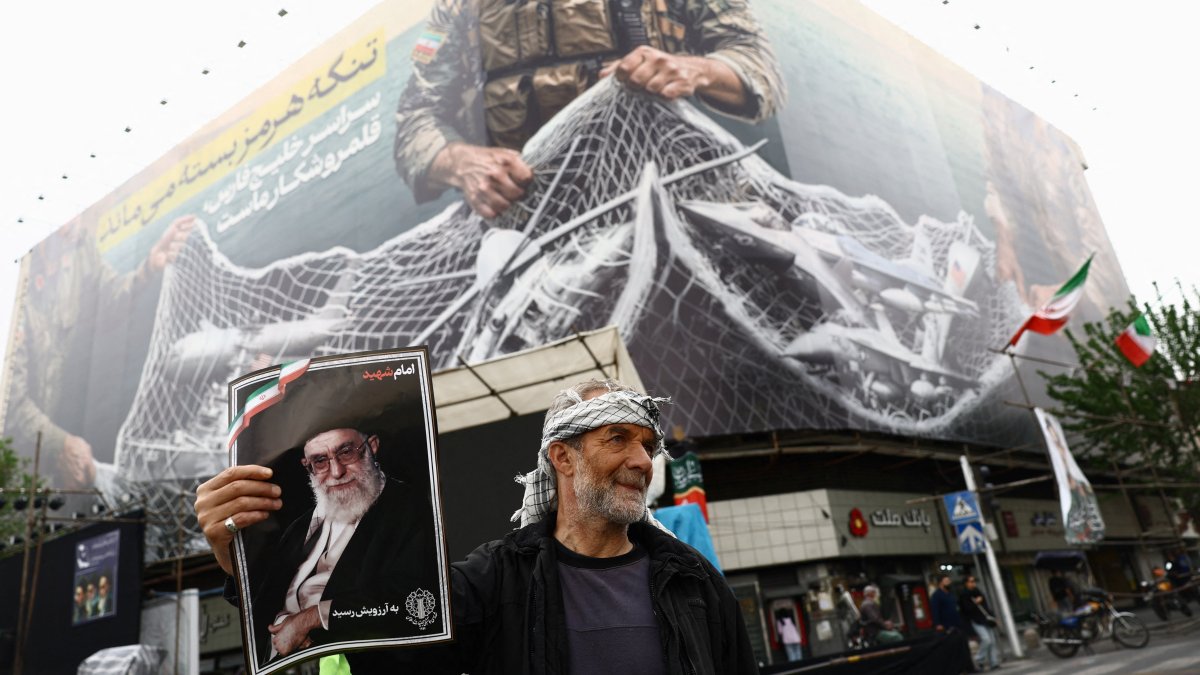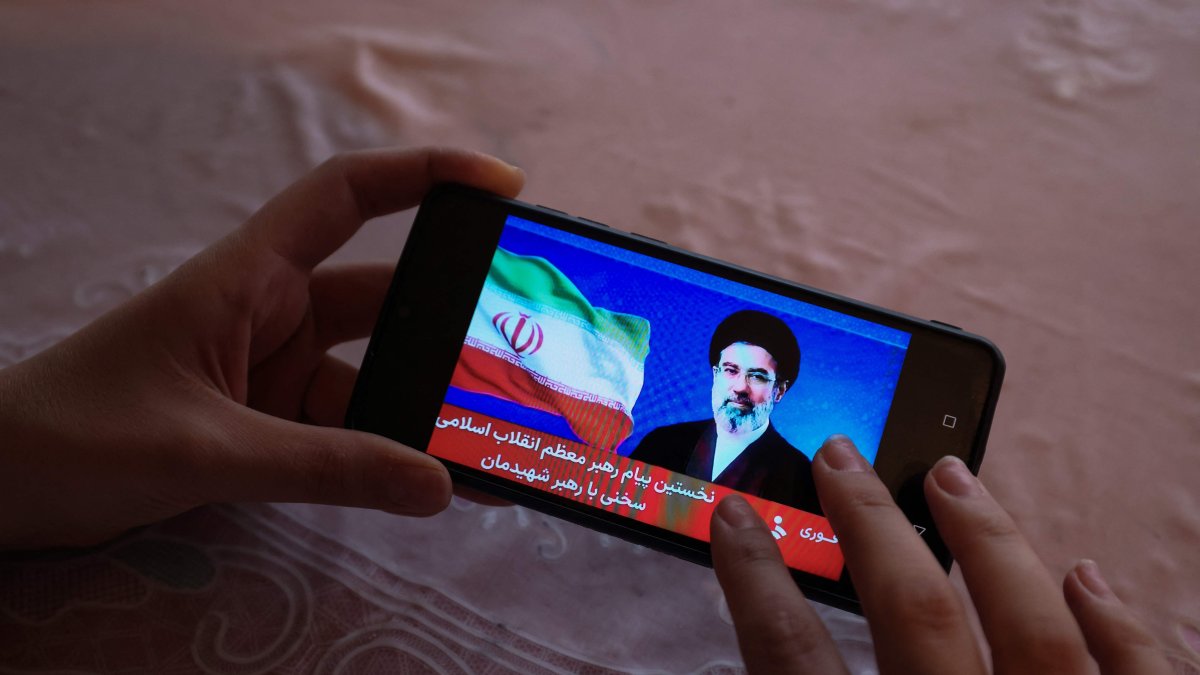
While the first round of Iran-U.S. talks in Islamabad raised cautious hopes for progress, the negotiations ended without a breakthrough, falling short on key disputes over the Strait of Hormuz and Iran’s nuclear program.
As a fragile two-week cease-fire approached its deadline, expectations shifted to a second round that was expected to revive diplomacy, but the meeting has yet to take place.
The cease-fire, initially agreed on April 8, was extended by the U.S. at the last minute to allow more time for negotiations, but without Iran’s formal backing, leaving it fragile.
Continued tensions, including disputes over a U.S. naval blockade and Iran’s hesitation to return to talks, have since stalled momentum and cast doubt over the prospects of a near-term agreement.
Amid this uncertainty, Iran expert Mustafa Caner said the trajectory of negotiations is being shaped not only by disputes between Washington and Tehran but also by deepening divisions within Iran itself.