From over-serious spoken word to meaningless steel skeletons and bleak military aesthetics, the 2026 shortlist is more notable for what’s missing. It can’t help but feel insular and elitist
W
hat do you want from the Turner prize in 2026? Are you after wild, shocking, disturbing, era-defining cultural moments? Please, it’s not the 1990s. How about hard-edged, ultra-conceptual, high-minded aesthetic experimentation? Come on, we haven’t had that for decades. Maybe you expect some culture-war-mongering, super-identitarian, polemically explosive political invective? A bit 2022, I reckon.
No, the 2026 Turner prize is something else, something way more appropriate for the age: a bit timid, a bit fearful, a bit safe.
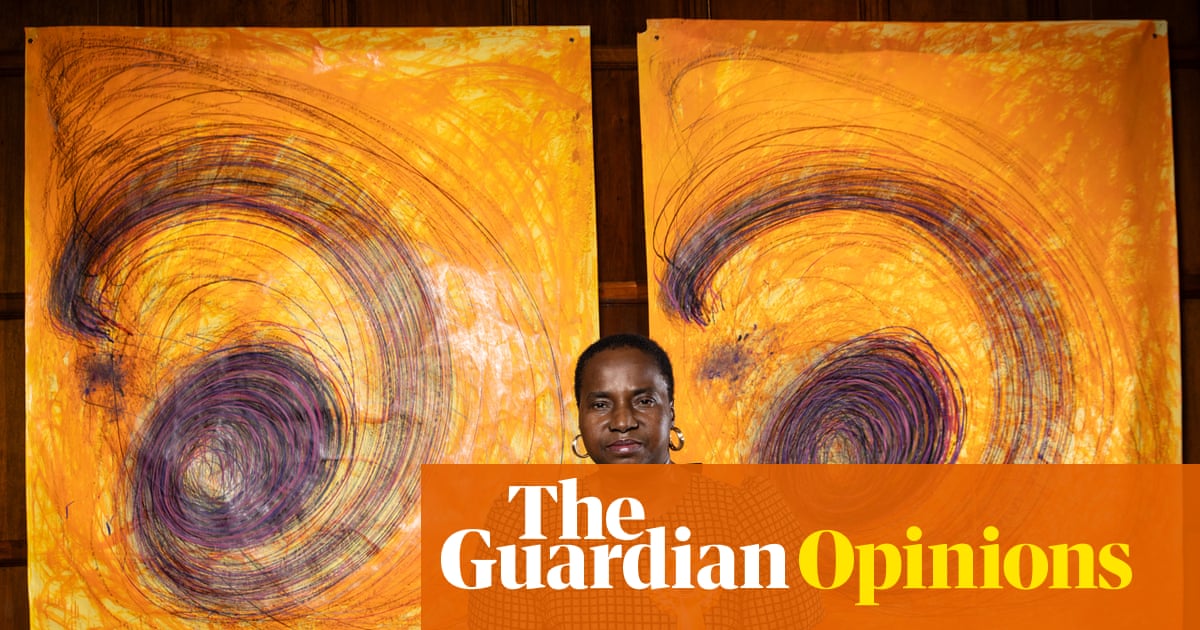
Not that there’s anything wrong with that, to quote Seinfeld. That’s just life in 2026 – we’ve all been worn down by the whole thing. This year’s list of nominees is mainly notable for what’s missing compared to past editions: there are no older artists, no artists from non-traditional art backgrounds such as last year’s winner Nnena Kalu, there’s no painting, no video art, there’s nothing angrily political. Instead, there’s sci-fi utopianism, jazz performance poetry, ephemeral sculpture and anti-corporate satire. It’s missing the anger of previous years, the radicalism, the transformative joy.