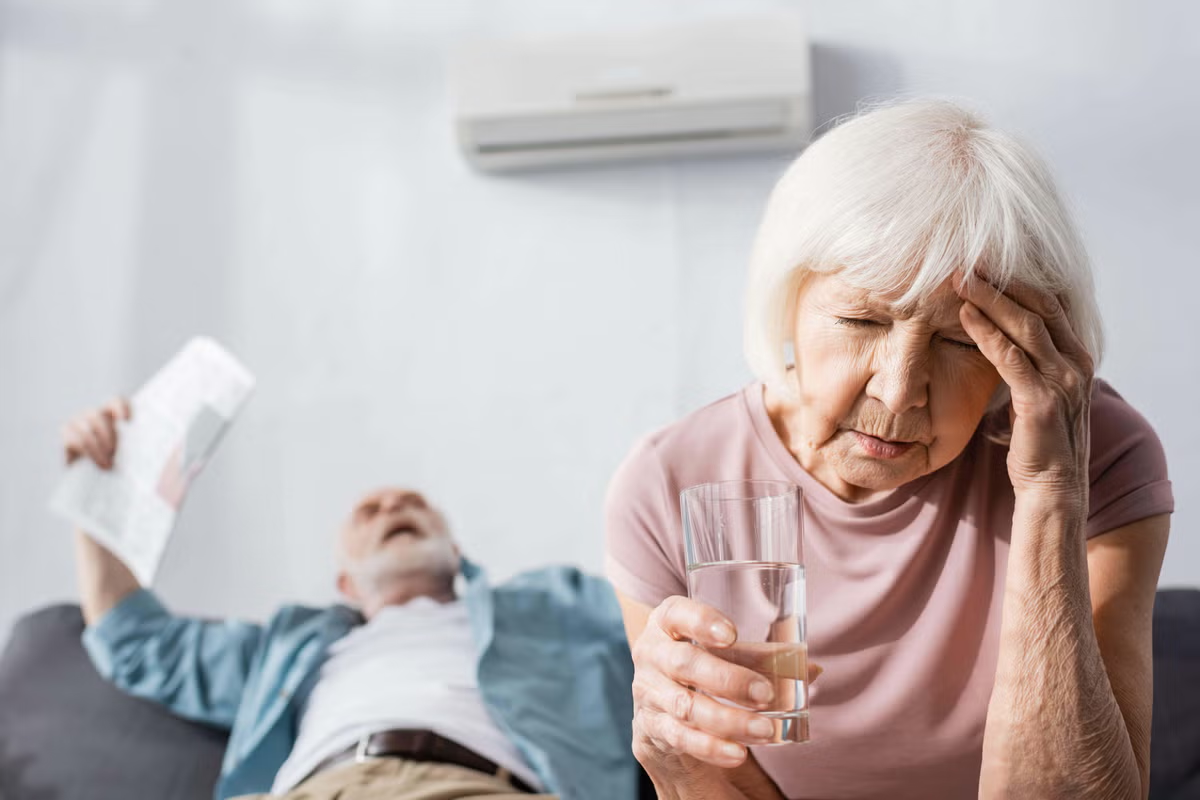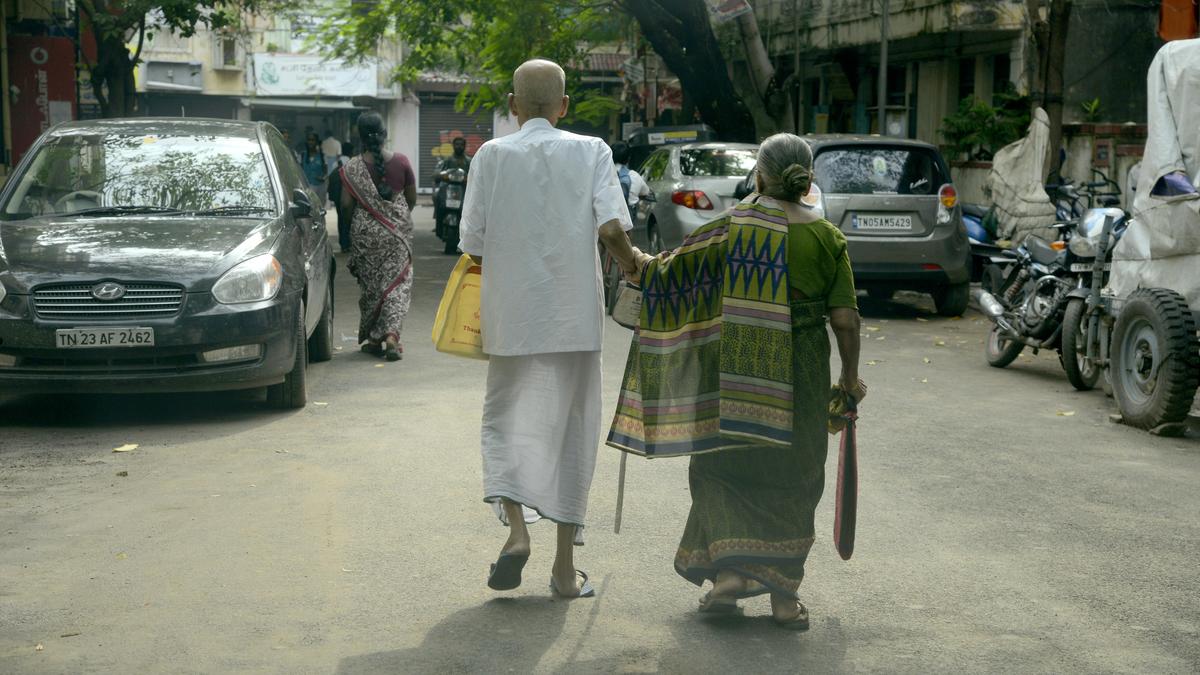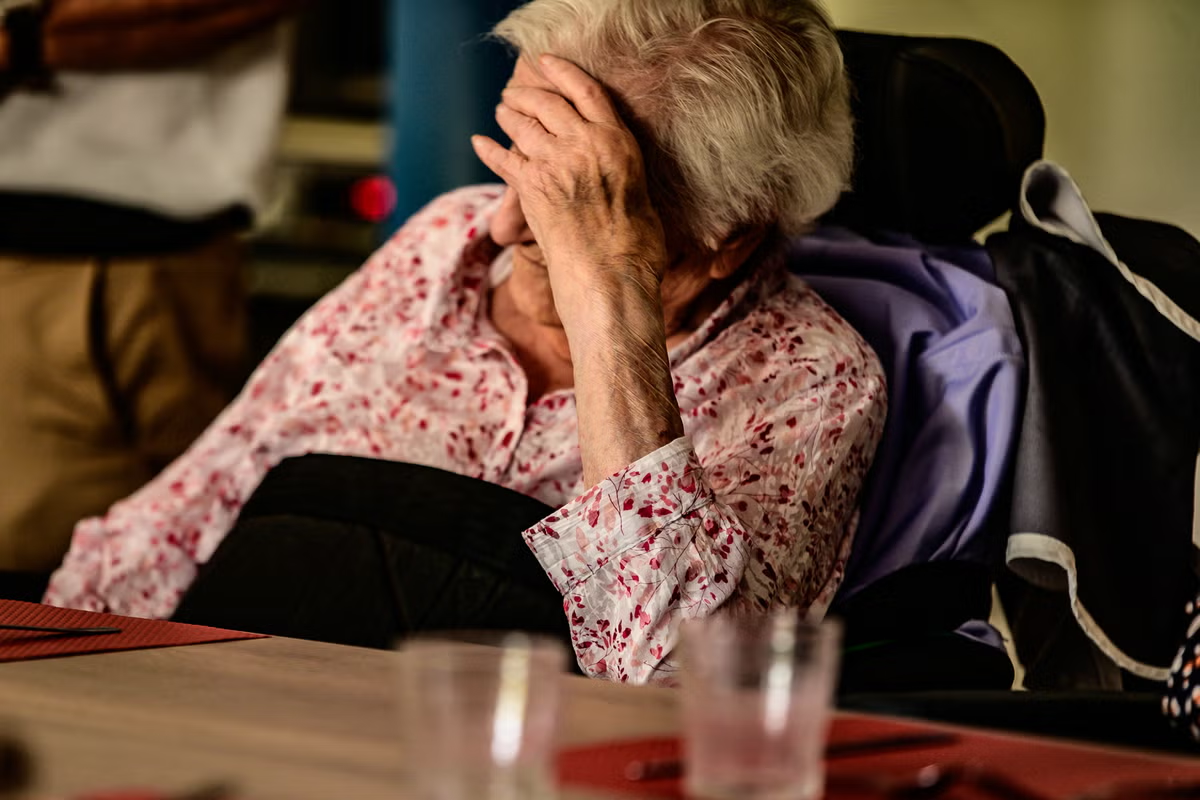
With temperatures rising, geriatricians have started to see elderly persons with signs of dehydration and exhaustion. The scorching heat levels can put the elderly at risk of heat-related illness, and doctors have raised the need to take precautions, recognise warning signs early and seek timely medical help.
Priyanka Rana Patgiri, Consultant, Geriatrics, Apollo Hospitals, Chennai, said, “Last week, I saw two elderly patients with signs of confusion. Both were at home but did not realise that the indoor heat levels were impacting them. Many tend to keep the windows and doors closed due to the heat levels, leading to poor ventilation. Both the patients had no sweating. They had dehydration and were treated appropriately.”
Confusion is often the earliest and most overlooked sign of heat-related illness in the elderly, she said, adding: “They may be disoriented, have reduced urination and could experience sudden falls. The absence of sweating is a red flag and the blood pressure level may drop, while the heart rate can climb up.”
G.S. Shanthi, Senior Consultant, Geriatric Physician, Kauvery Hospital, Vadapalani, said that heat exhaustion and heat stroke can occur if the early signs are ignored. “The classic signs of heat-related illness in the elderly are high body temperature, headache, mental disturbance, dry skin, restless/agitated and confused speech. We should also remember that the elderly do not sweat a lot as sweat glands are less owing to poor blood circulation in the skin. Headache is one of the main signs of heat stroke. Heat stroke is a medical emergency and adequate precautions should be taken to prevent it,” she elaborated.