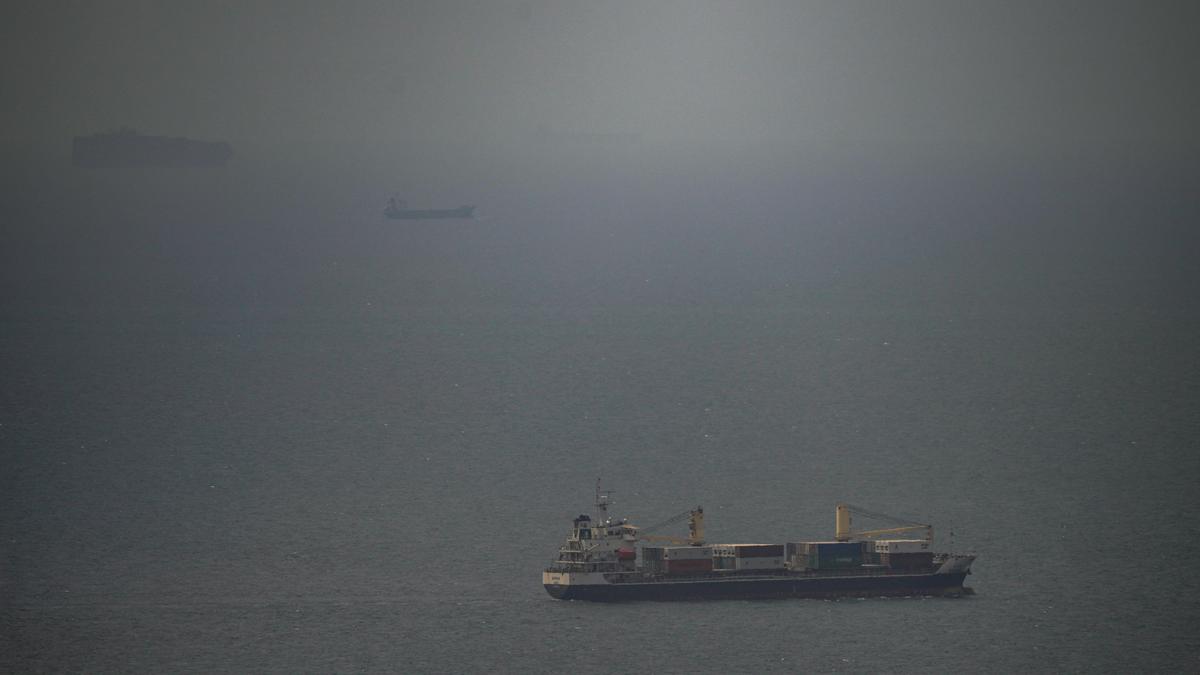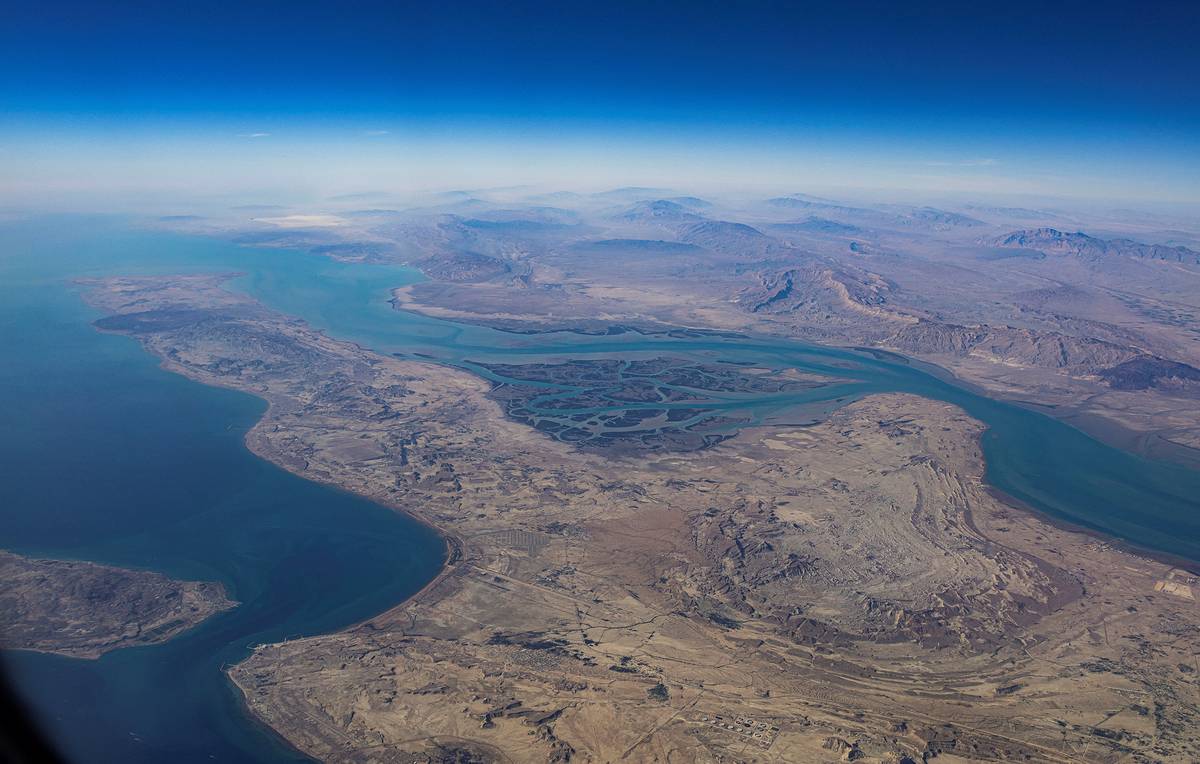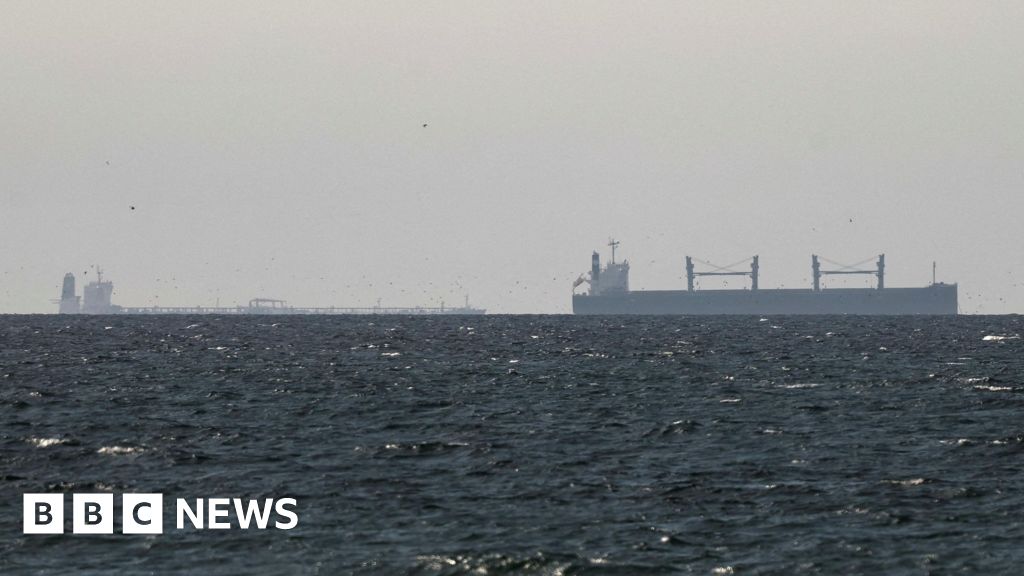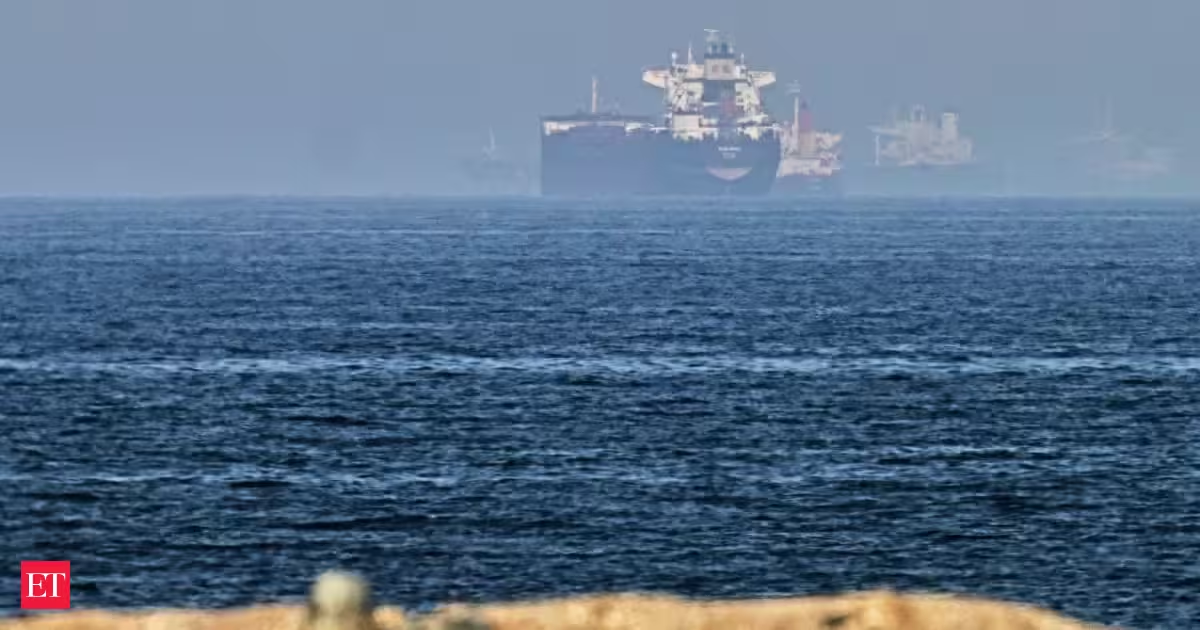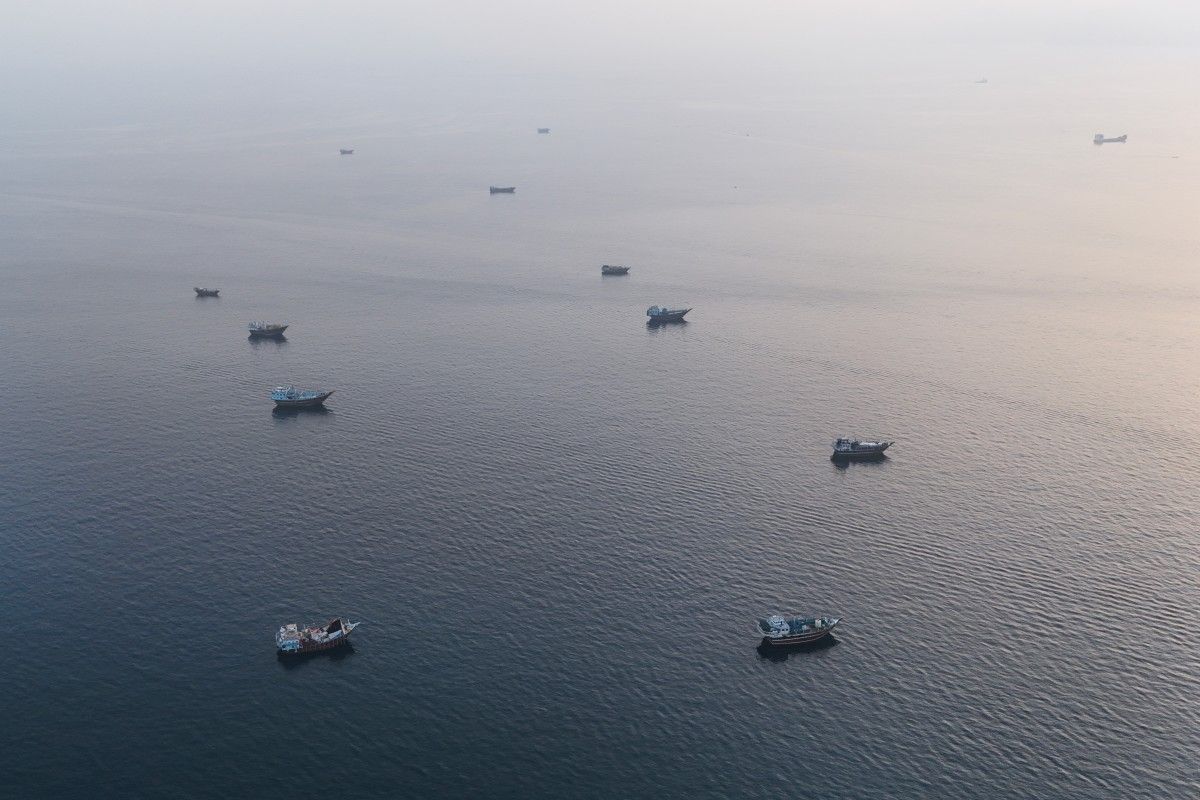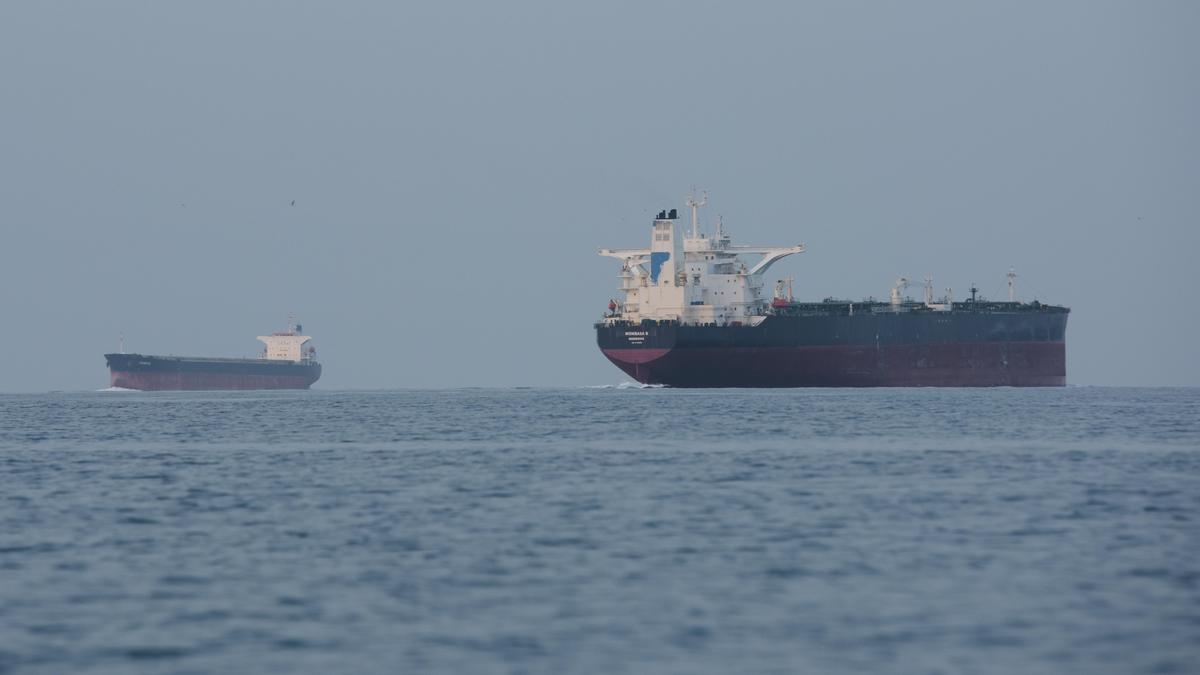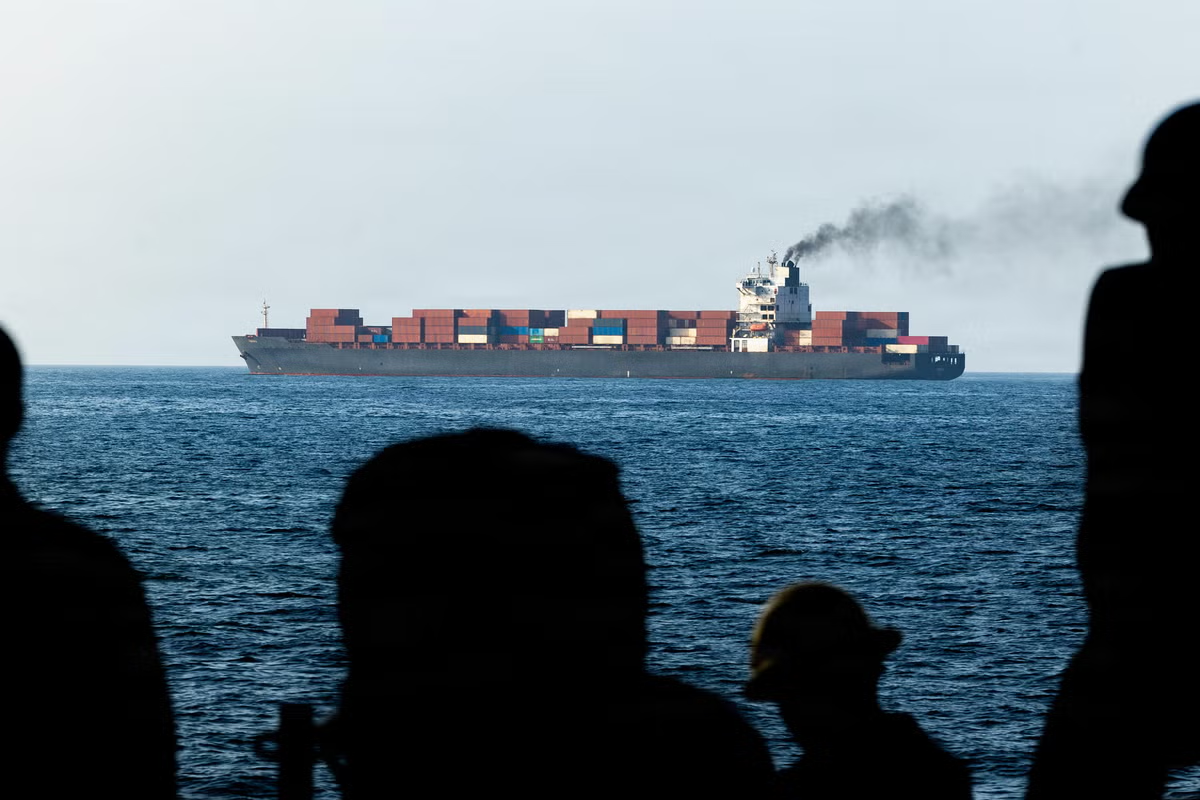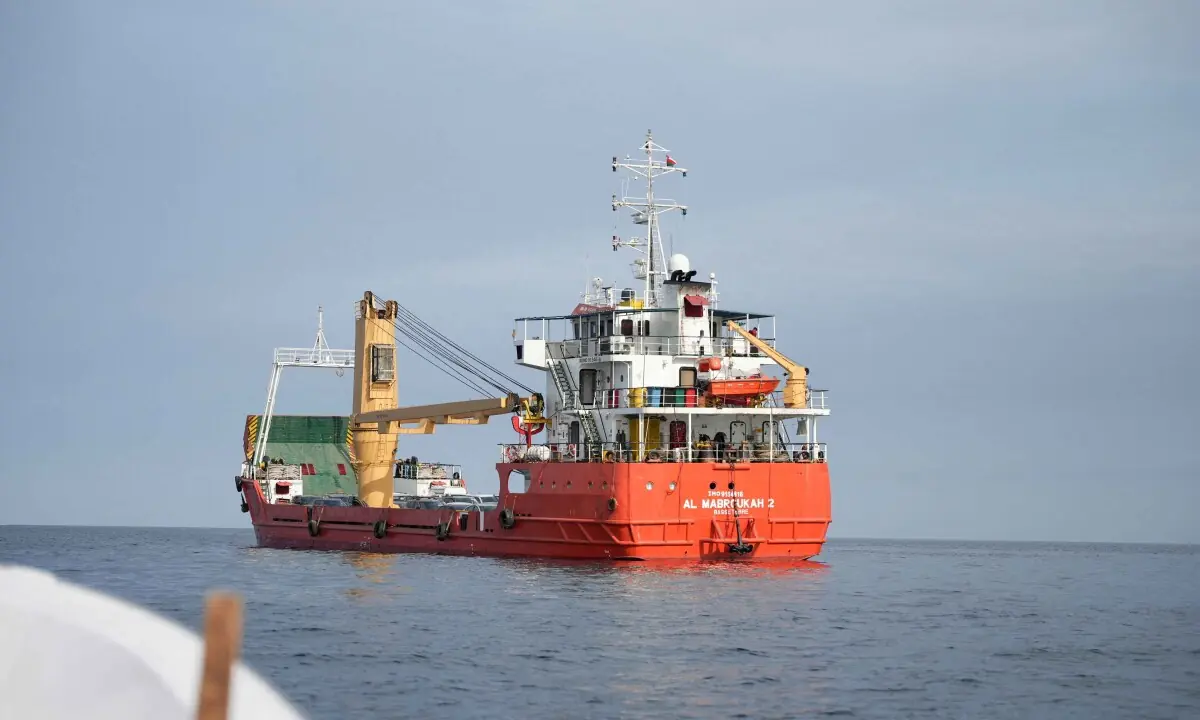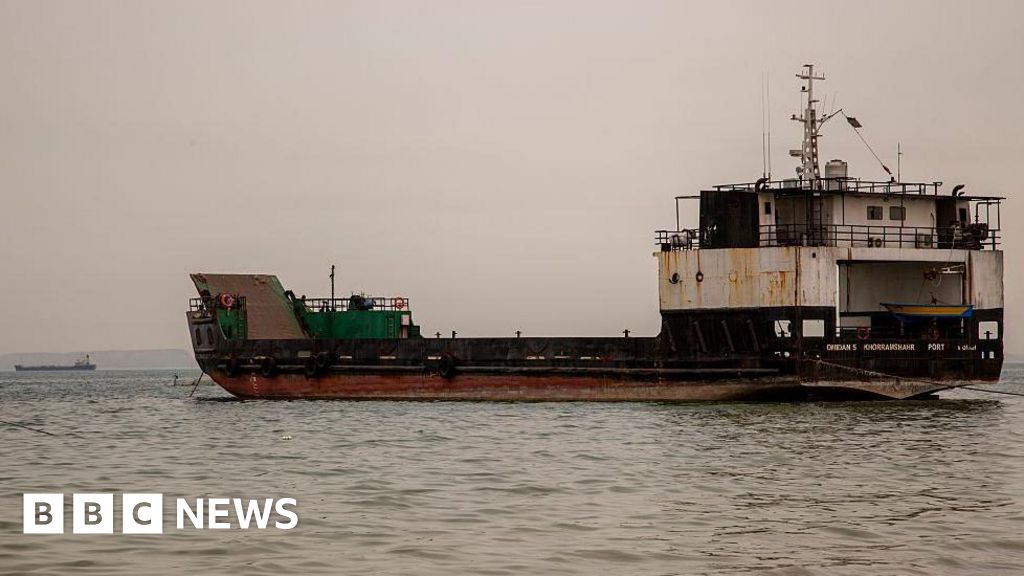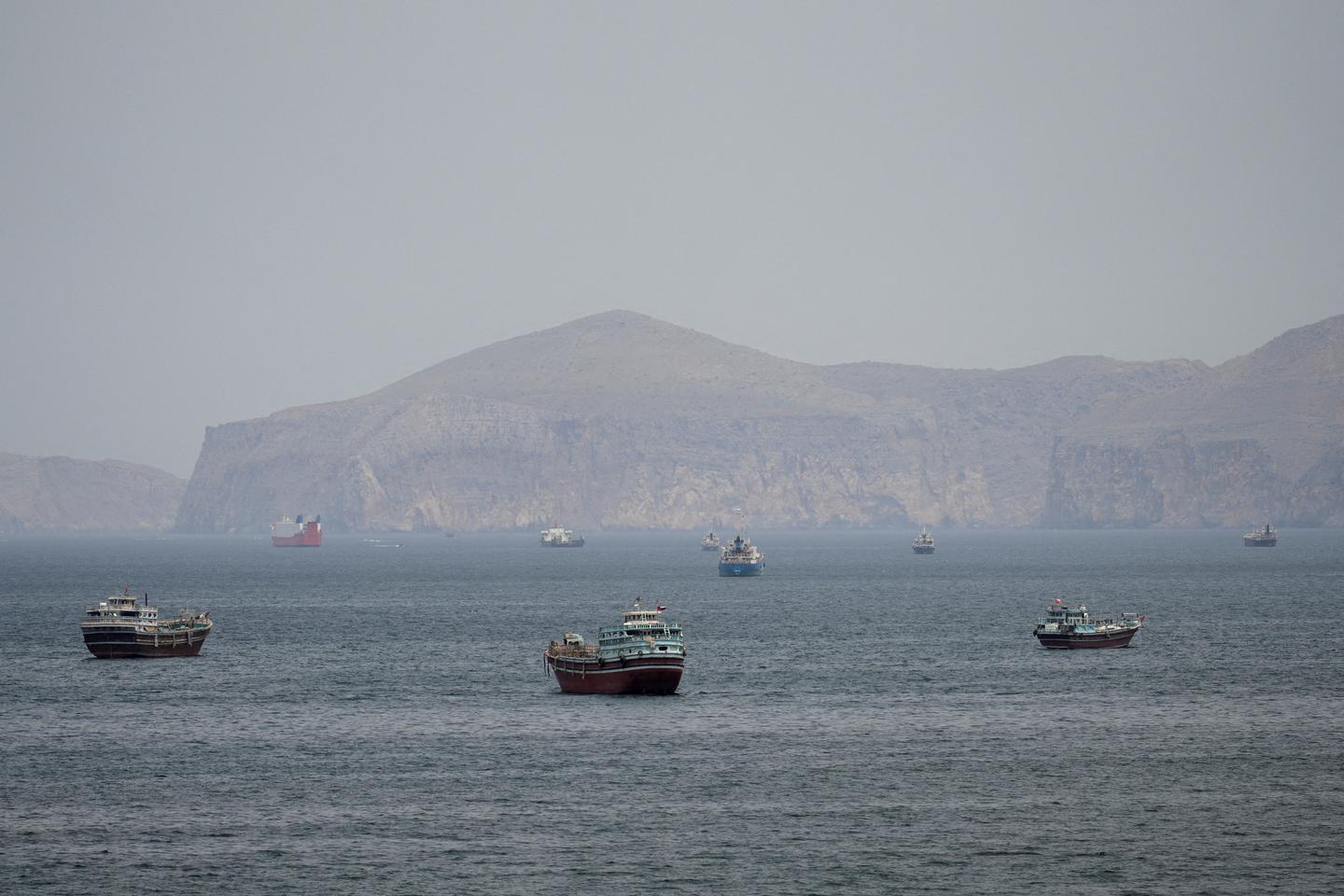
Ships and boats in the Strait of Hormuz, Musandam, Oman, April 22, 2026. STRINGER / REUTERS
Iran vowed on Wednesday, April 22, not to reopen the Strait of Hormuz so long as a US naval blockade remained in place despite a ceasefire extension, as it announced the seizure of two ships trying to cross the strategic waterway. As the clock ticked for a return to the war that has engulfed the region, US President Donald Trump said Tuesday he would maintain the truce to allow more time for Pakistani-brokered peace talks. Iran said it welcomed the efforts by Pakistan but made no other comment on Trump's announcement.
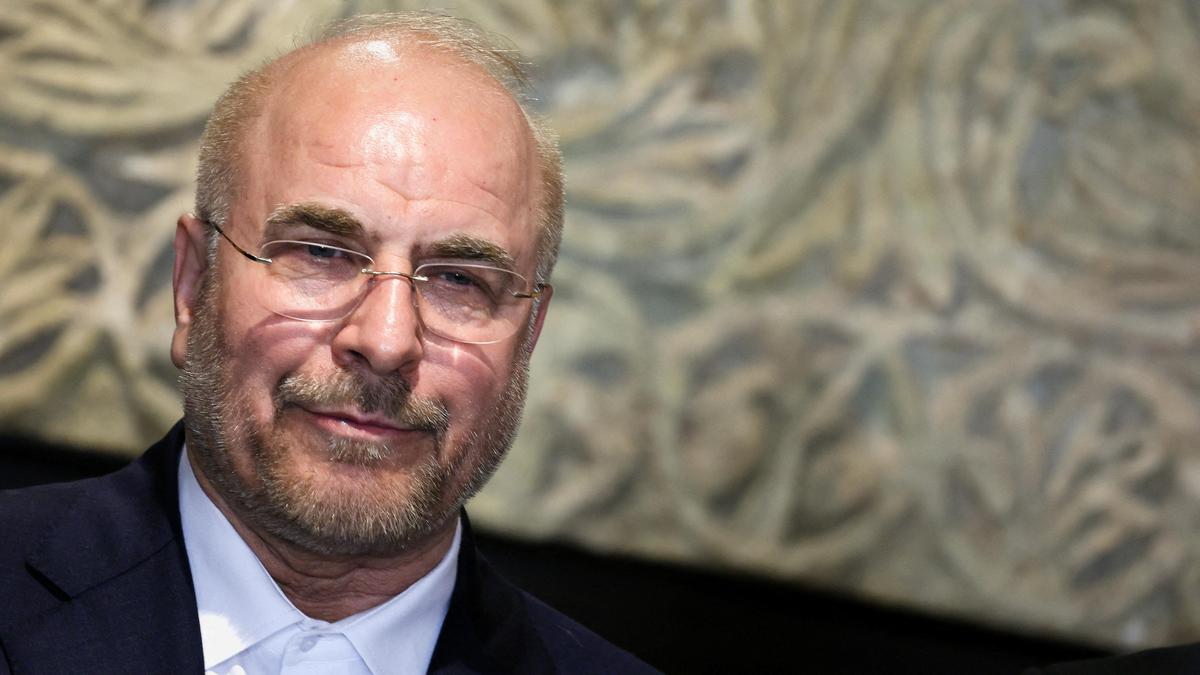
"A complete ceasefire only has meaning if it is not violated through a naval blockade," said Iranian parliament speaker Mohammad Bagher Ghalibaf, who led Tehran's delegation in the first round of talks in Islamabad. "Reopening the Strait of Hormuz is not possible amid a blatant violation of the ceasefire."
Oil prices, which have soared since Israel and the United States attacked Iran on February 28, kept inching up from the uncertainty about whether war will resume, although US stock prices gained ground. Trump had said he wanted to give time for Iran's "fractured" leadership to come up with a proposal, in what many observers saw as a face-saving way to avoid renewed war. Trump told the New York Post that talks could resume in Pakistan within two to three days, even though Iran has not confirmed participation and Vice President JD Vance put on hold his travel to Islamabad on Tuesday.