To learn more about the CNBC CFO Council, visit cnbccouncils.com/cfo
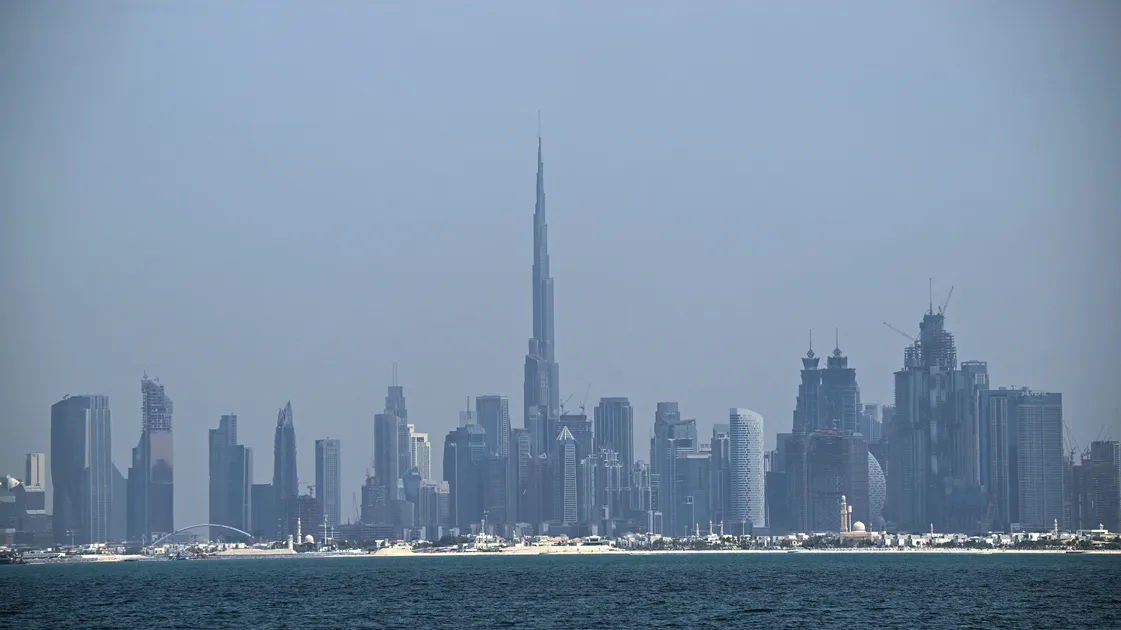
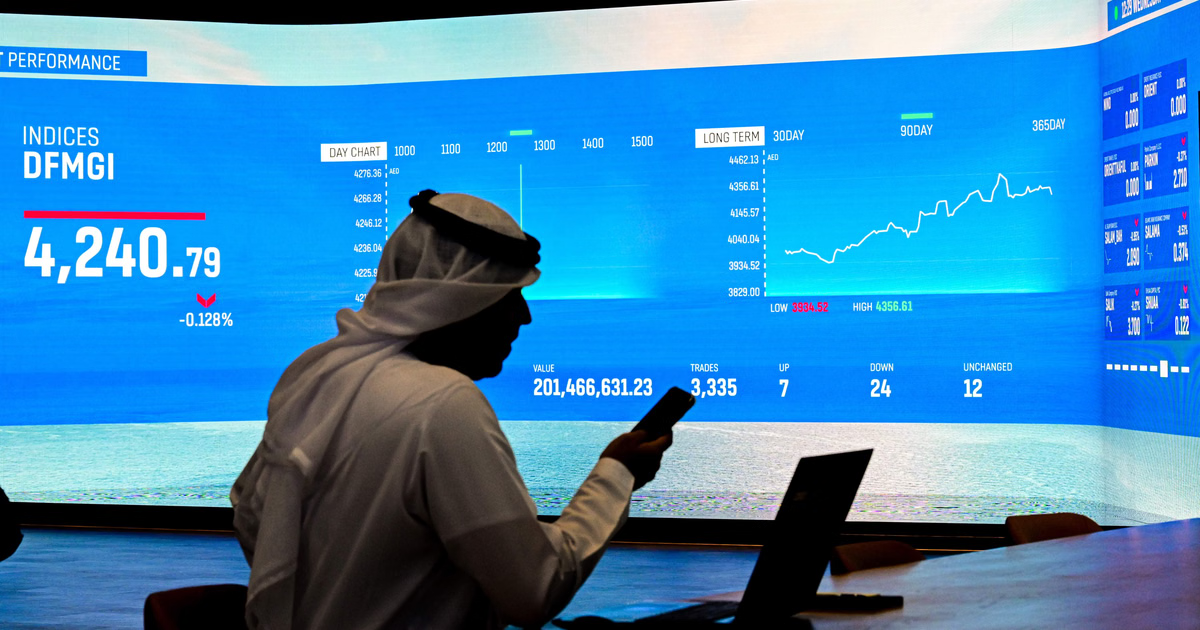
The U.S. government’s weighing of a financial lifeline for the United Arab Emirates posts bigger questions about what is in store for the booming Mideast economy post-war. The UAE has spent decades engineering one of the world’s most resilient tourism economies, built on global connectivity and continuous infrastructure expansion. That model is now under acute stress due to the U.S.-Iran war and attacks Iran has launched targeting its infrastructure.
Is this the “End of Dubai?” is a question already being asked by some who have closely followed the Emirates’ rise. In the short term, it’s not just energy infrastructure risks, with damage estimated at close to $60 billion already, that is hurting the economy. Regional conflict has had enormous impacts on travel demand and consumer spending across the Gulf, with the UAE — particularly Dubai — absorbing an outsized share of the shock.
Early indicators suggest a rapid, synchronized pullback: fewer flights, rising hotel vacancies, Airbnb cancellations and complexities, and more cautious household spending patterns in the region.
“Daily losses in the Middle East region are at $600 million, with the UAE taking a big proportion of that hit,” said Nancy Gard McGehee, professor of hospitality and tourism management at Virginia Tech.