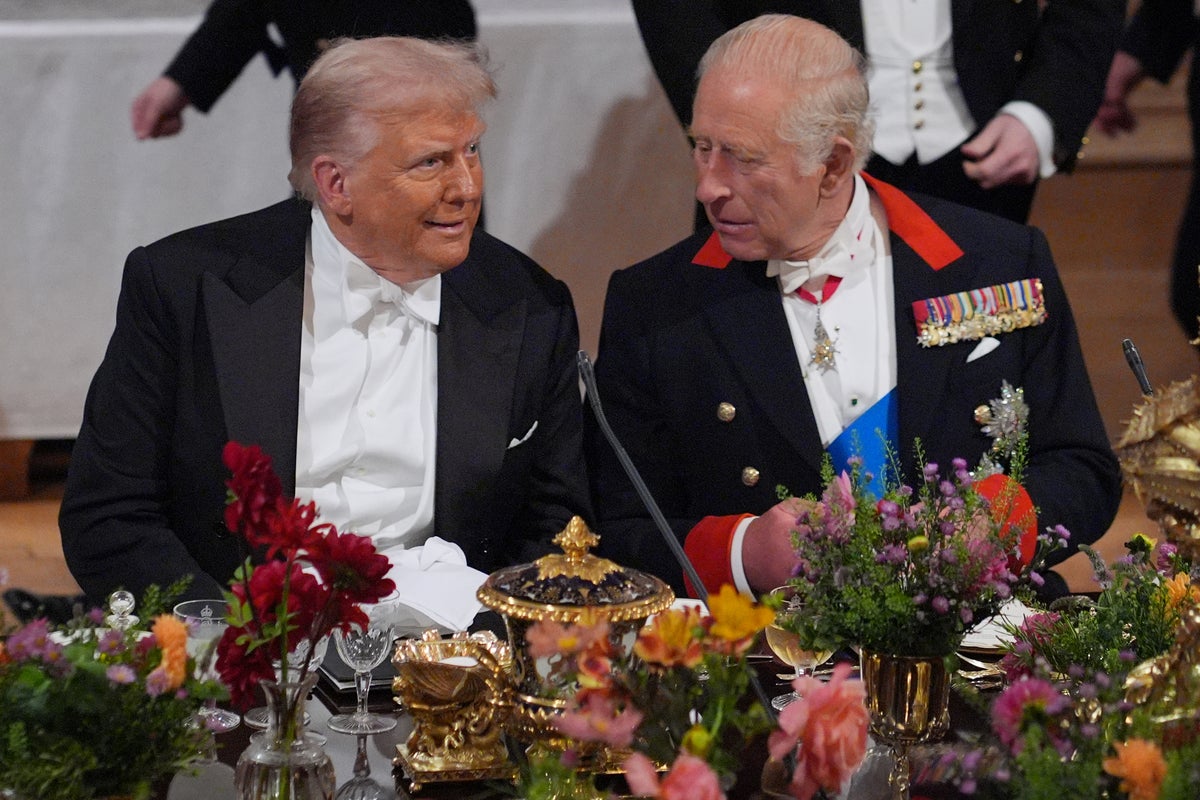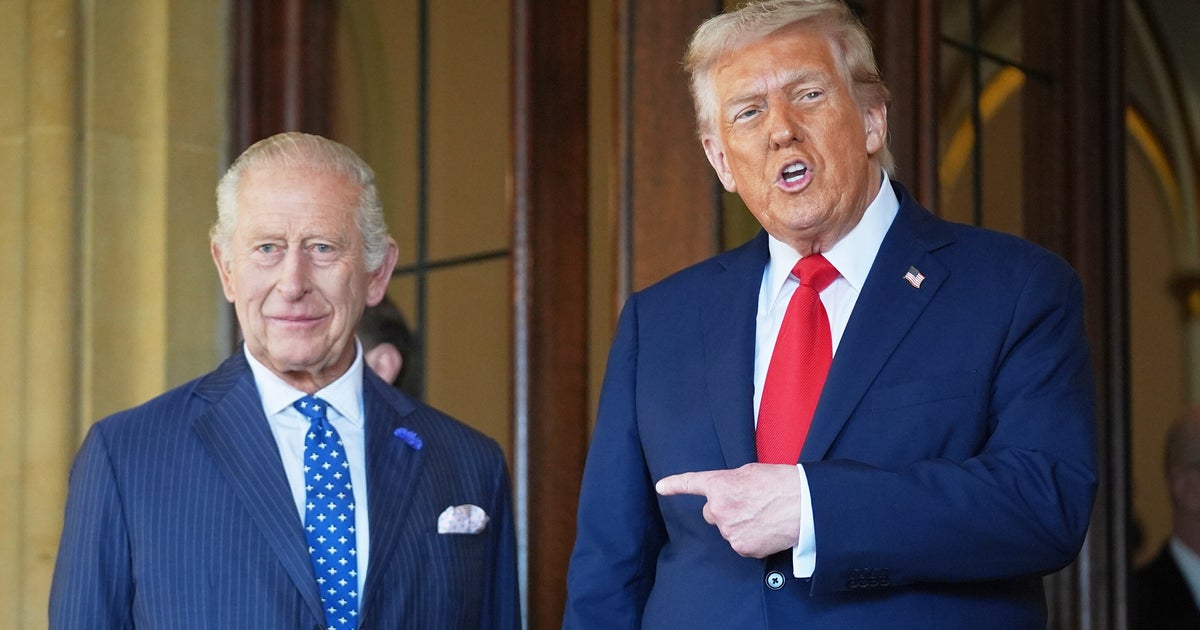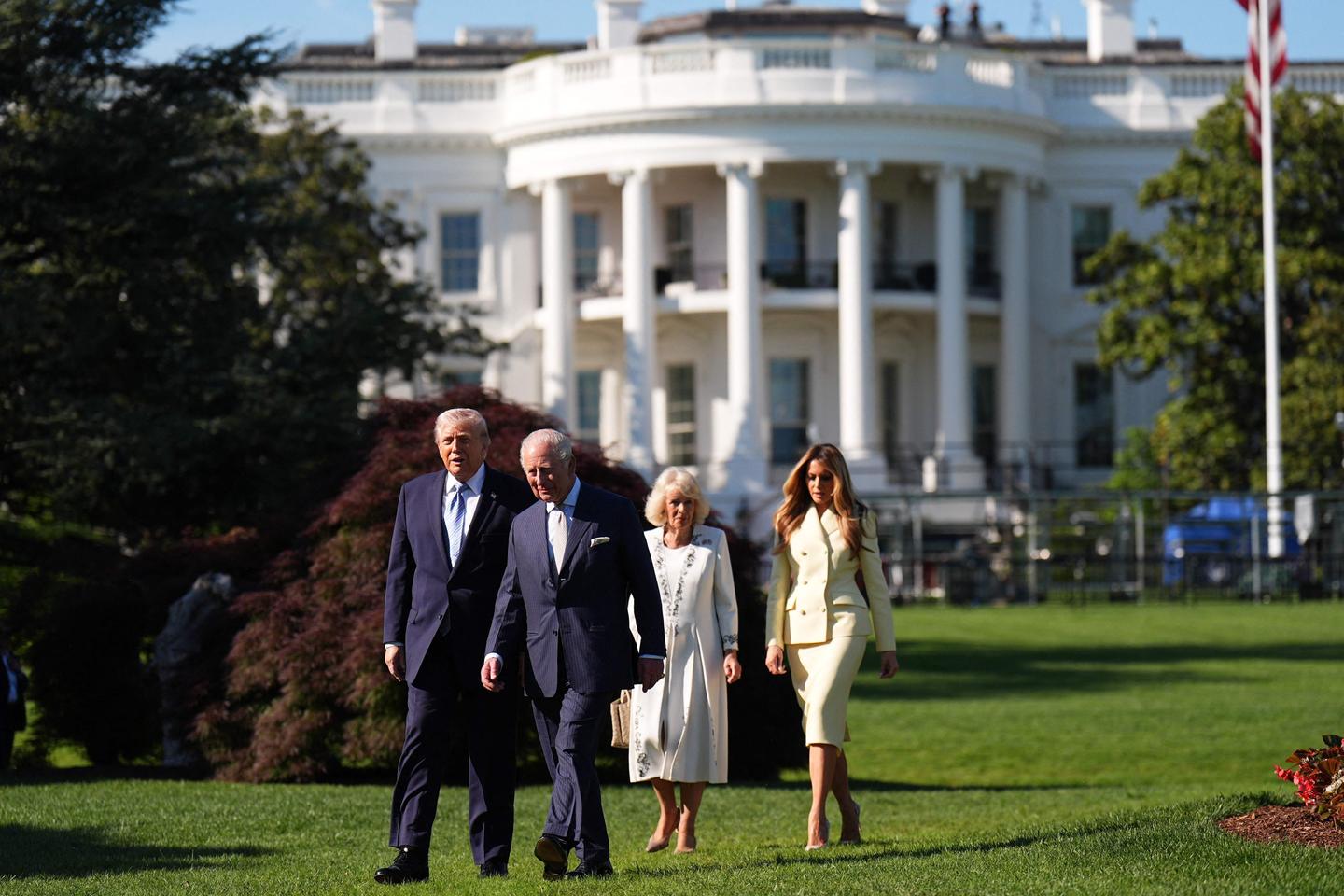
On her first trip to the United States as sovereign, Queen Elizabeth II so charmed President Dwight D. Eisenhower that she managed to mend a breach between their two countries over the 1956 Suez Crisis.
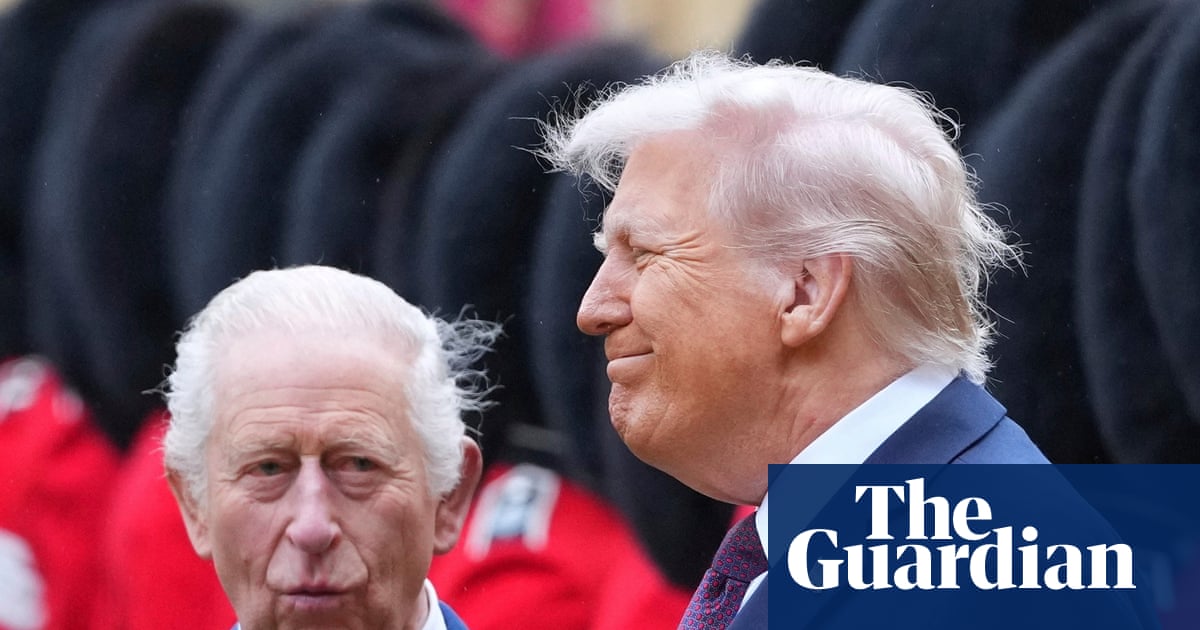
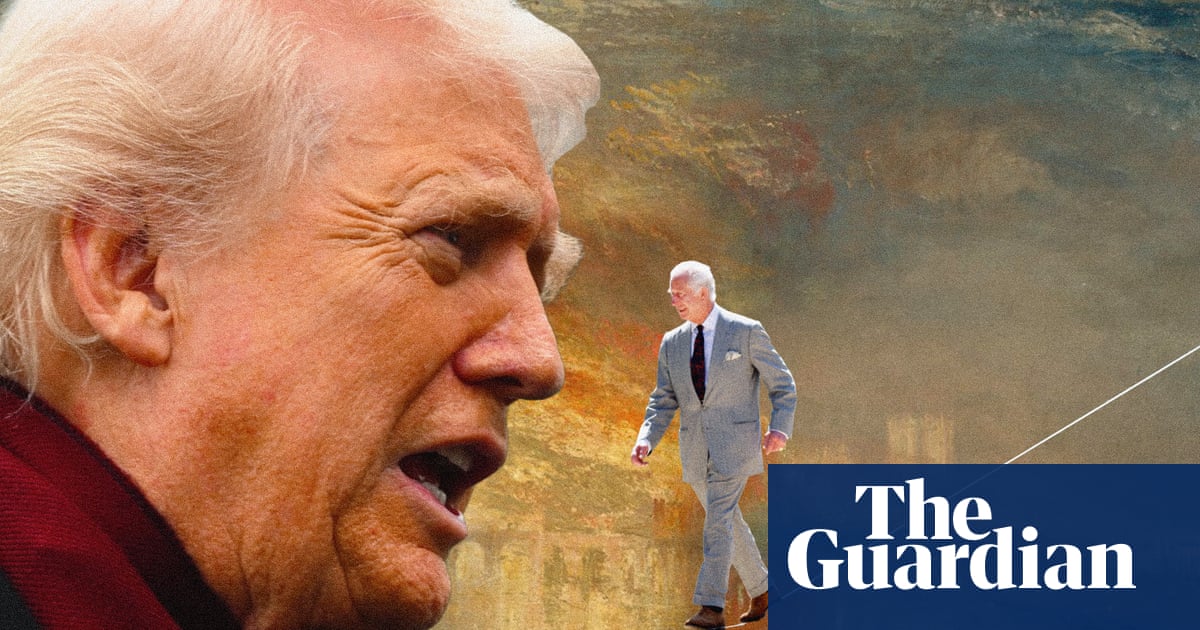
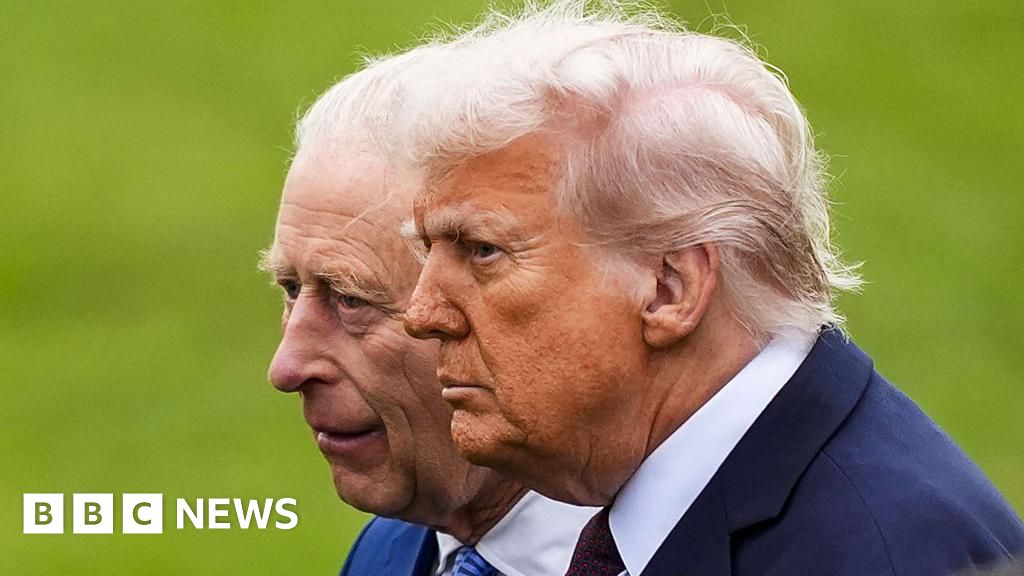
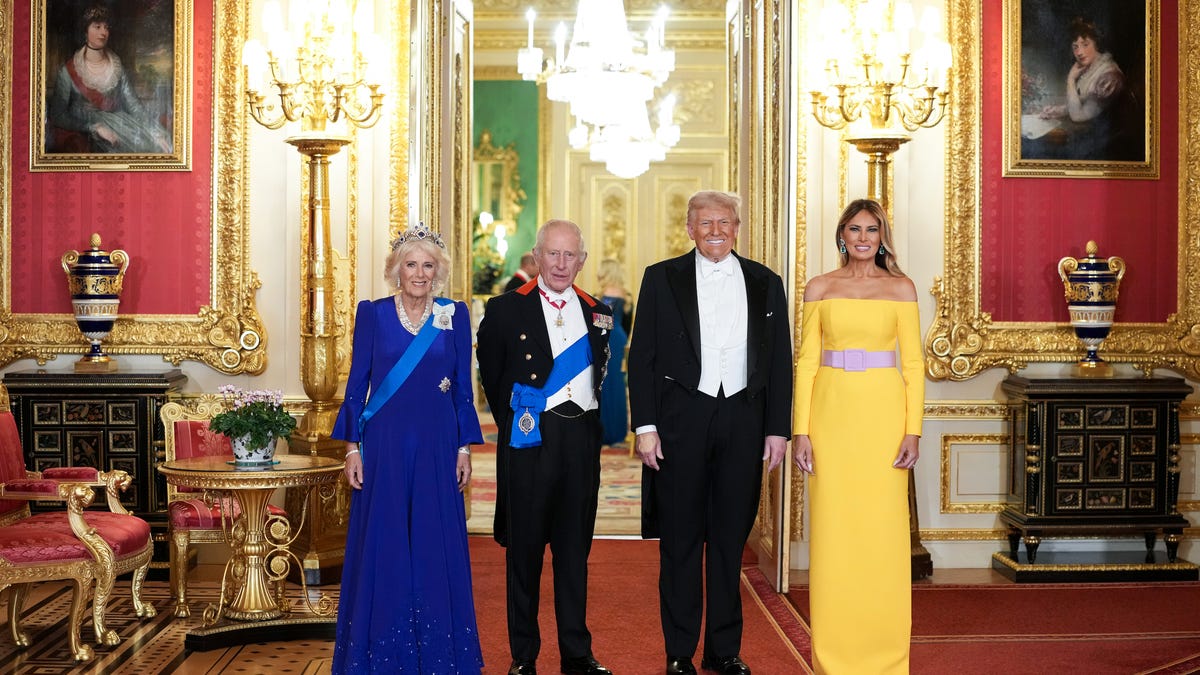
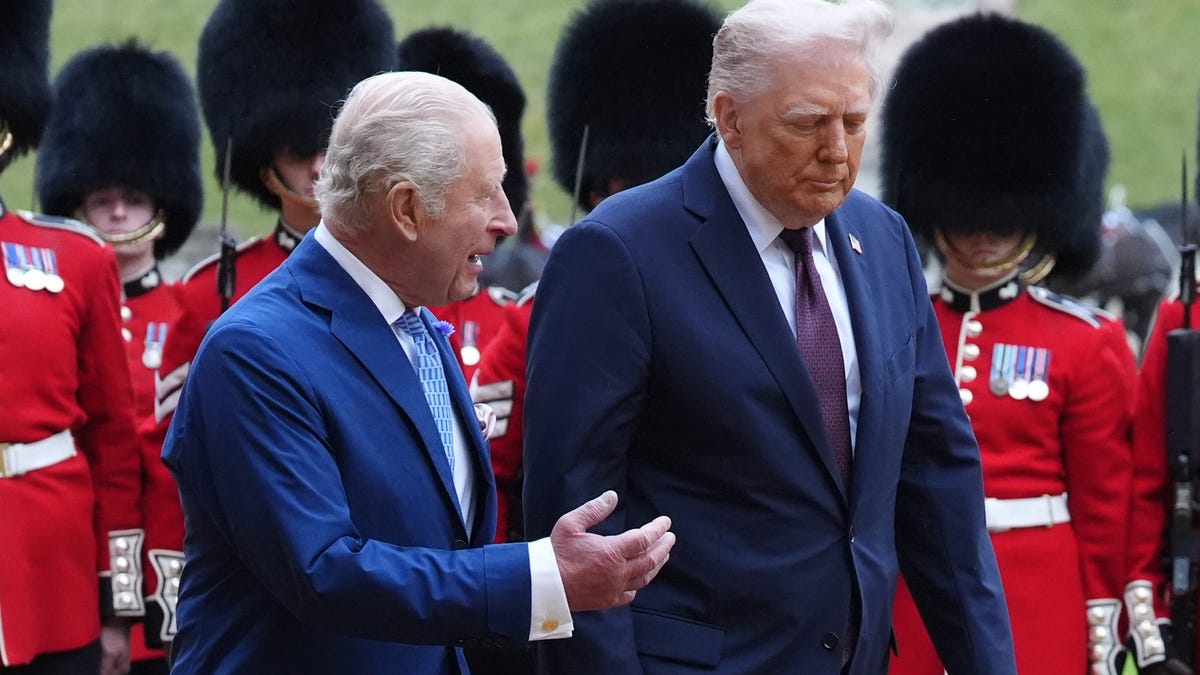
Seven decades later, her son Charles will be tested on his first trip to Washington as king to somehow smooth Great Britain's relations with President Donald Trump, which have been torn by conflicts over the course of the Iran war and the future of the NATO alliance.
Can King Charles III display his mother's magic?
At stake may be the future of the "special relationship" between the two countries, forged during World War II and now more imperiled than it has been since England defied Eisenhower's advice and, in a spectacular miscalculation, tried to seize control of the Suez Canal.
As a constitutional monarch, Charles won't be negotiating the United Kingdom's role in reopening the Strait of Hormuz, of course, or the configuration of a European security alliance in which the United States seems determined to take a smaller role. Those are the tasks of British Prime Minister Keir Starmer and his government.