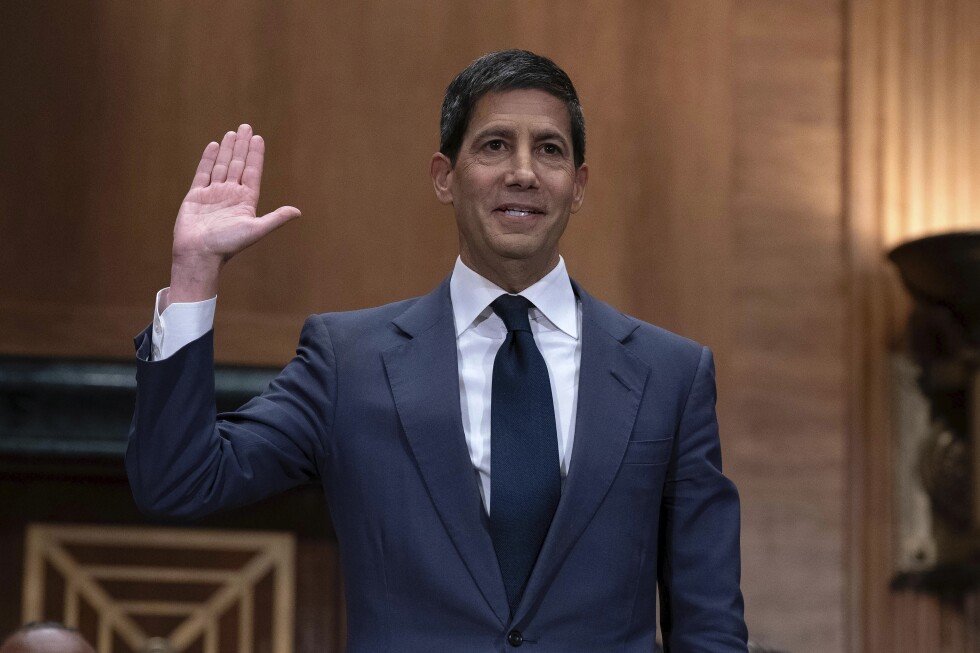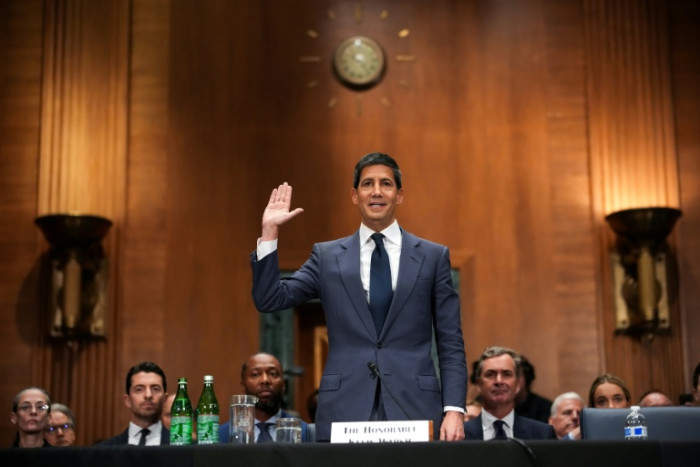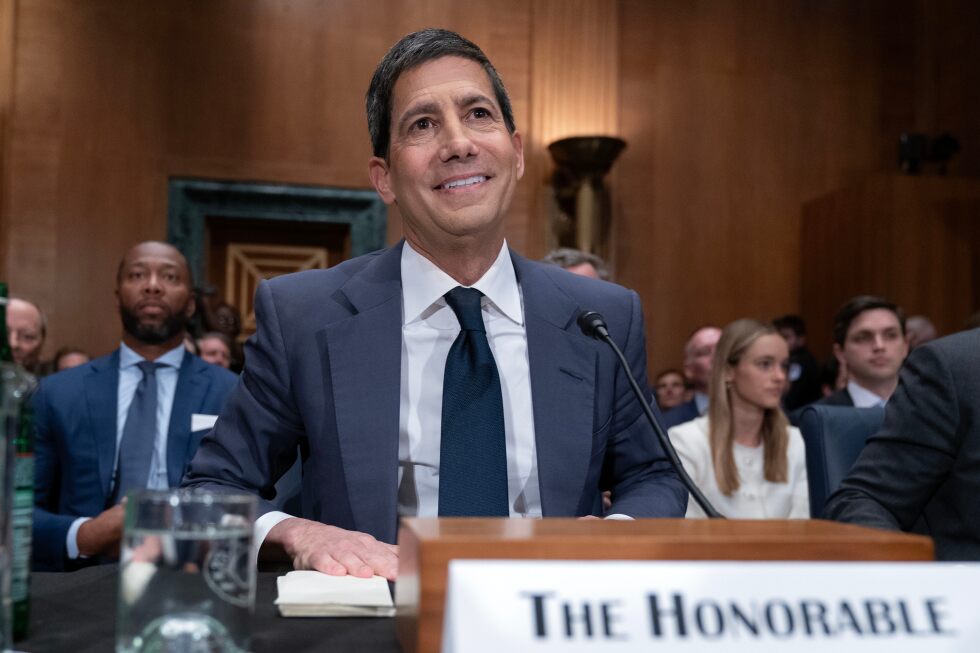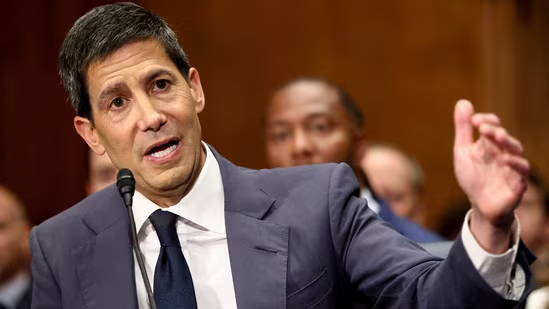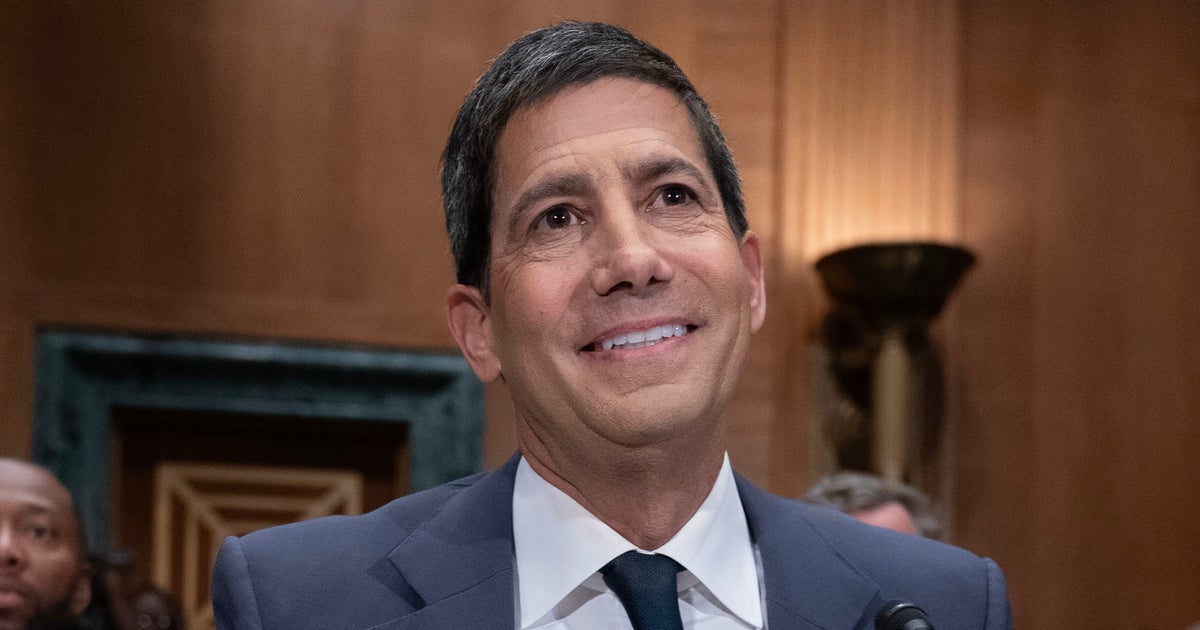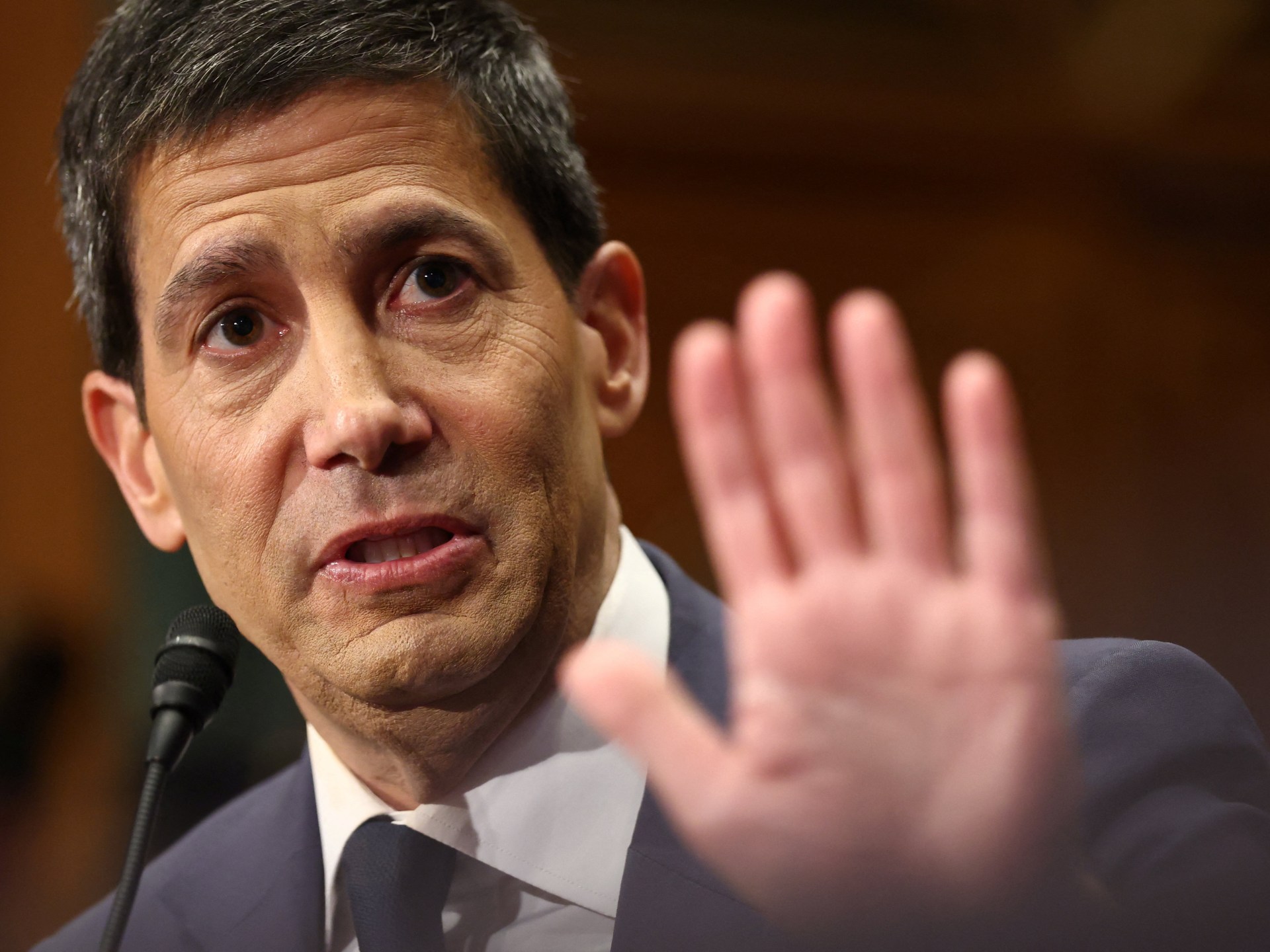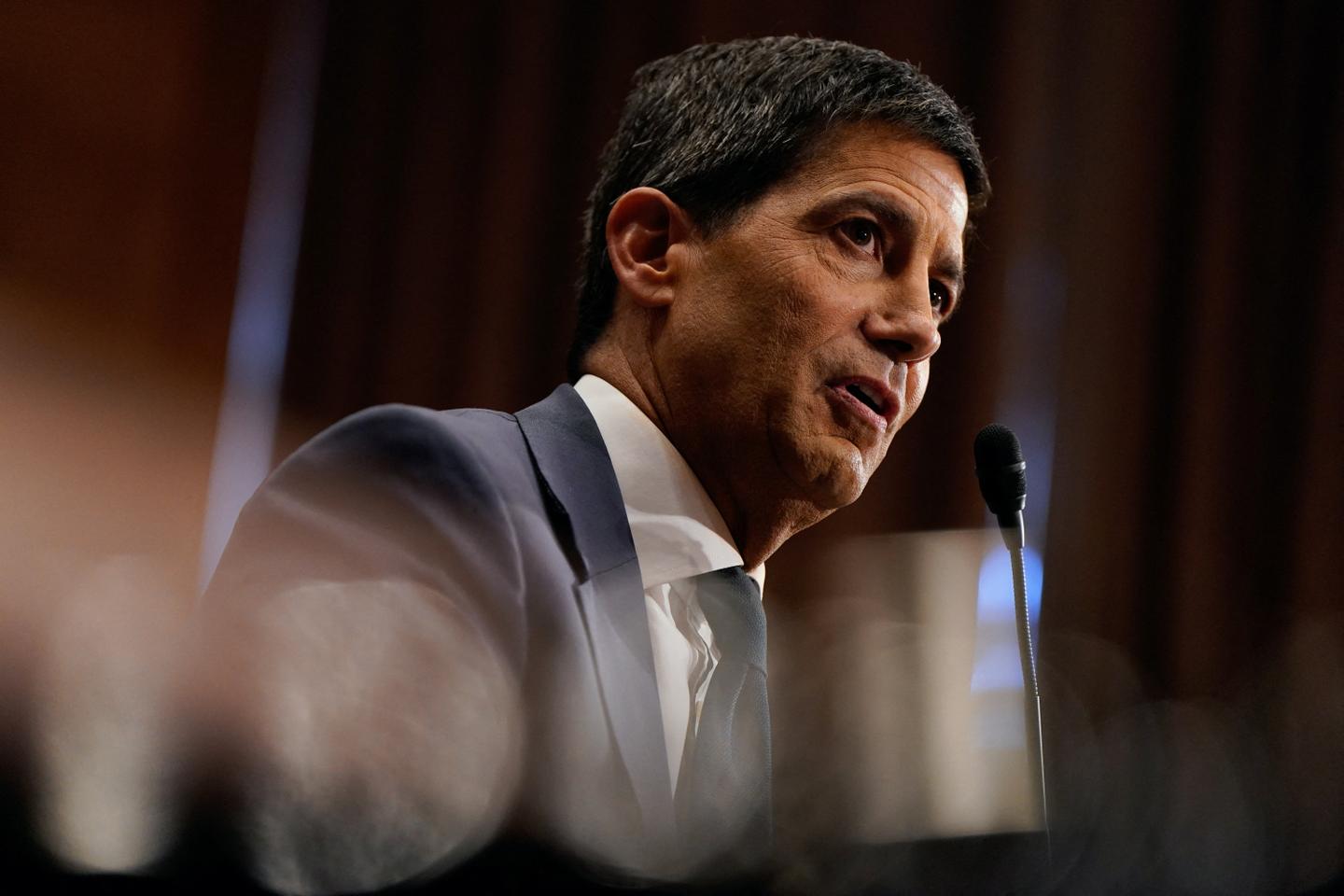
Kevin Warsh, US President Donald Trump's pick for chair of the Federal Reserve, testified before the Sénat Banking Committee at the Capitol in Washington on April 21, 2026. ELIZABETH FRANTZ/REUTERS
Kevin Warsh's nomination to head the Federal Reserve (Fed) was largely in the hands of the Senate on Tuesday, April 21, and to a lesser extent the White House. Donald Trump's candidate faced lawmakers on the Banking Committee for his confirmation hearing to lead the financial institution, replacing Jerome Powell, whose term ends in mid-May. While Democrats grilled him, Warsh's ambitions currently appear mostly hampered by divisions within the Republican ranks, particularly as one senator has vowed to defend the Fed's independence from presidential pressure.
Warsh sought to convey three main messages to a committee led by Republicans, who otherwise had nothing but praise for him. First, "monetary policy independence is essential," and it is not "threatened" by Trump. Second, the Fed has strayed from its remit in recent years by involving itself too much in general policy matters, even though its dual mandate is to maintain price stability and pursue full employment. Finally, the institution failed in its mission by allowing inflation to spiral out of control in the wake of the Covid-19 pandemic, a sharp critique of Powell's record.