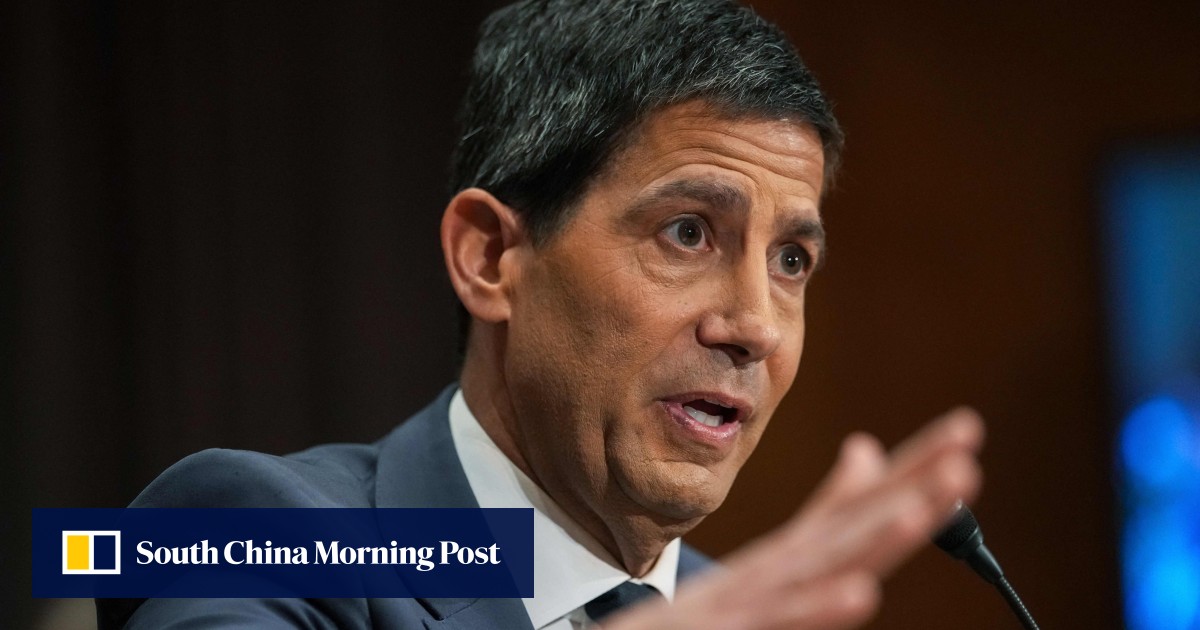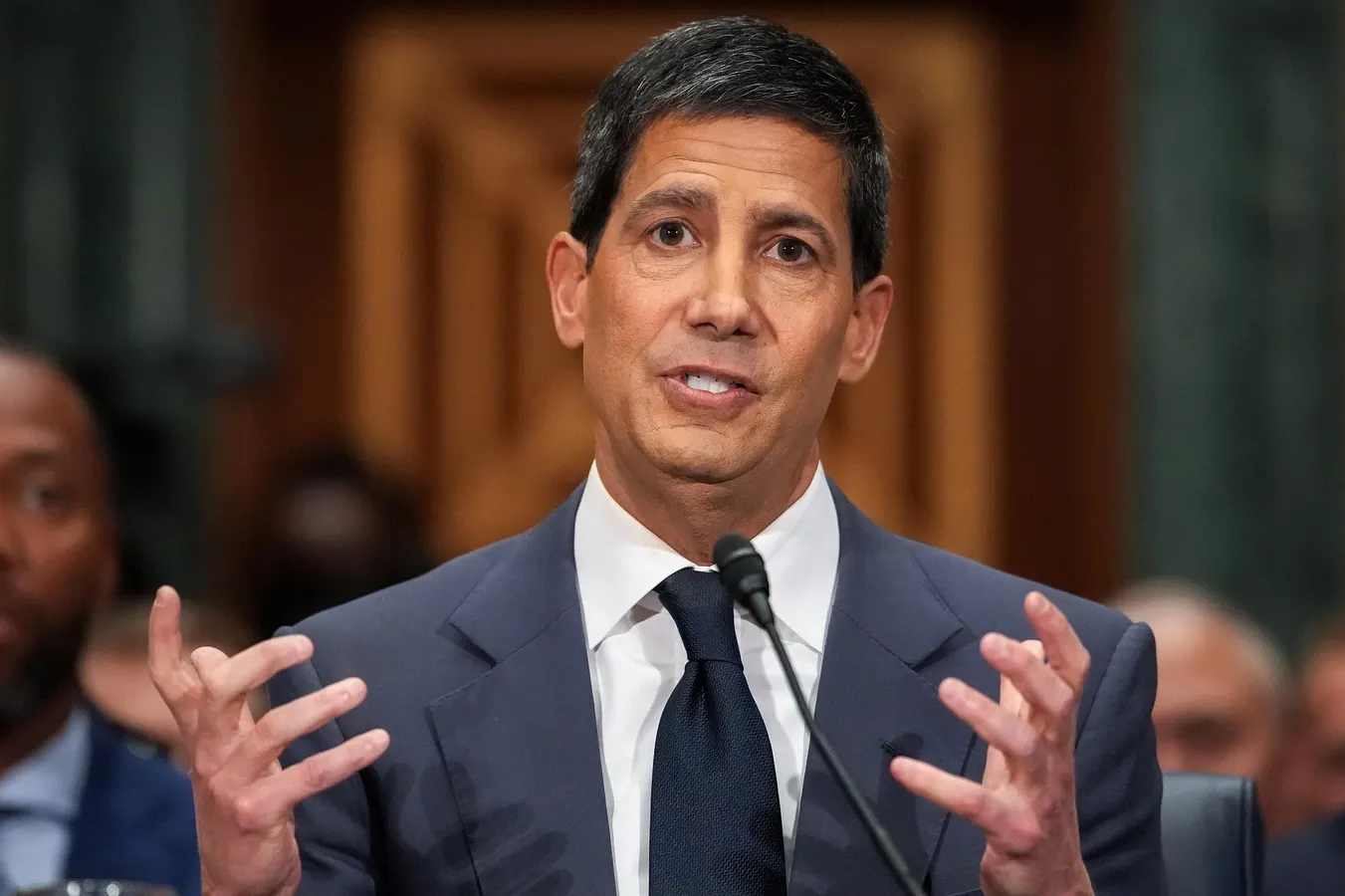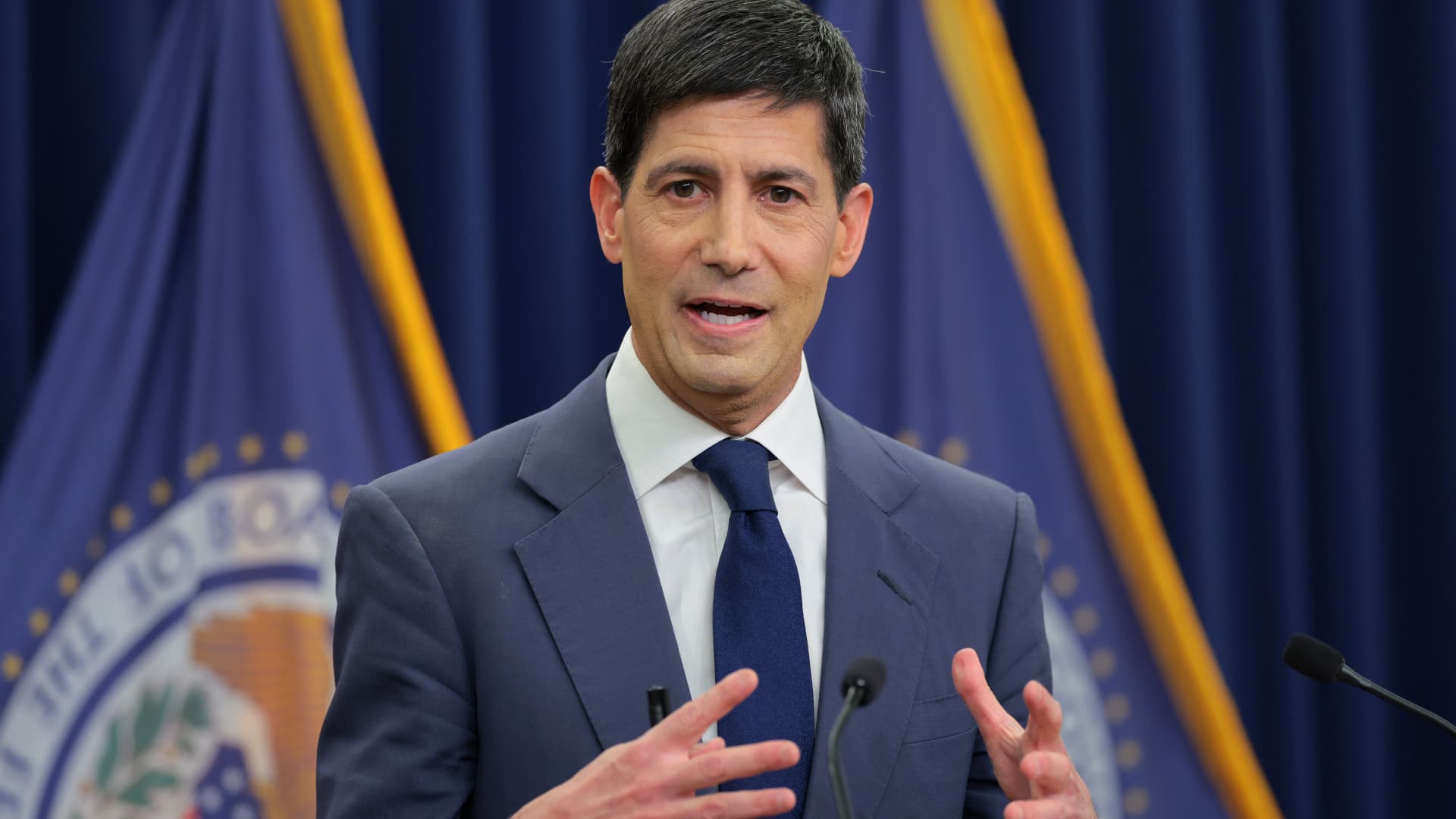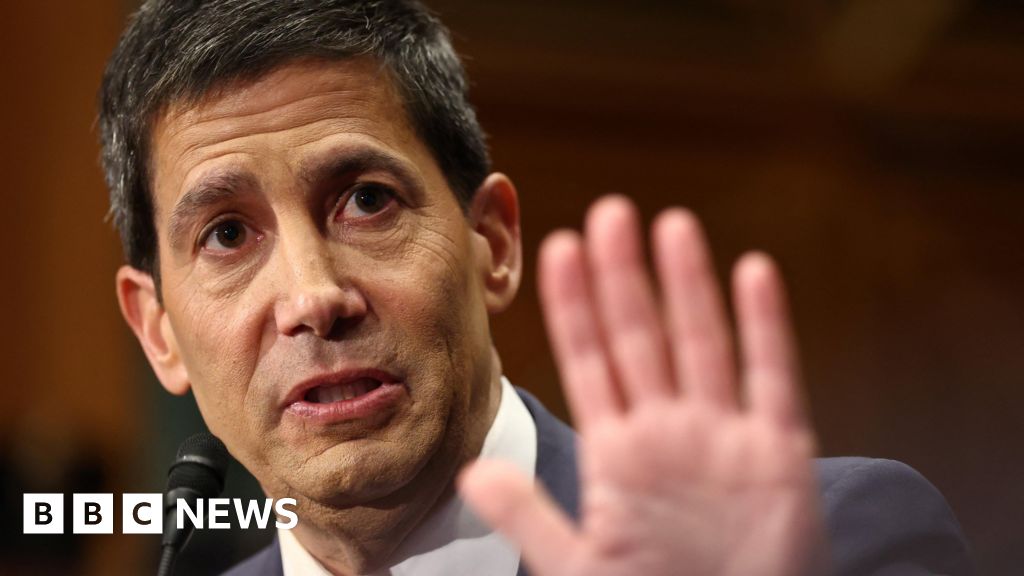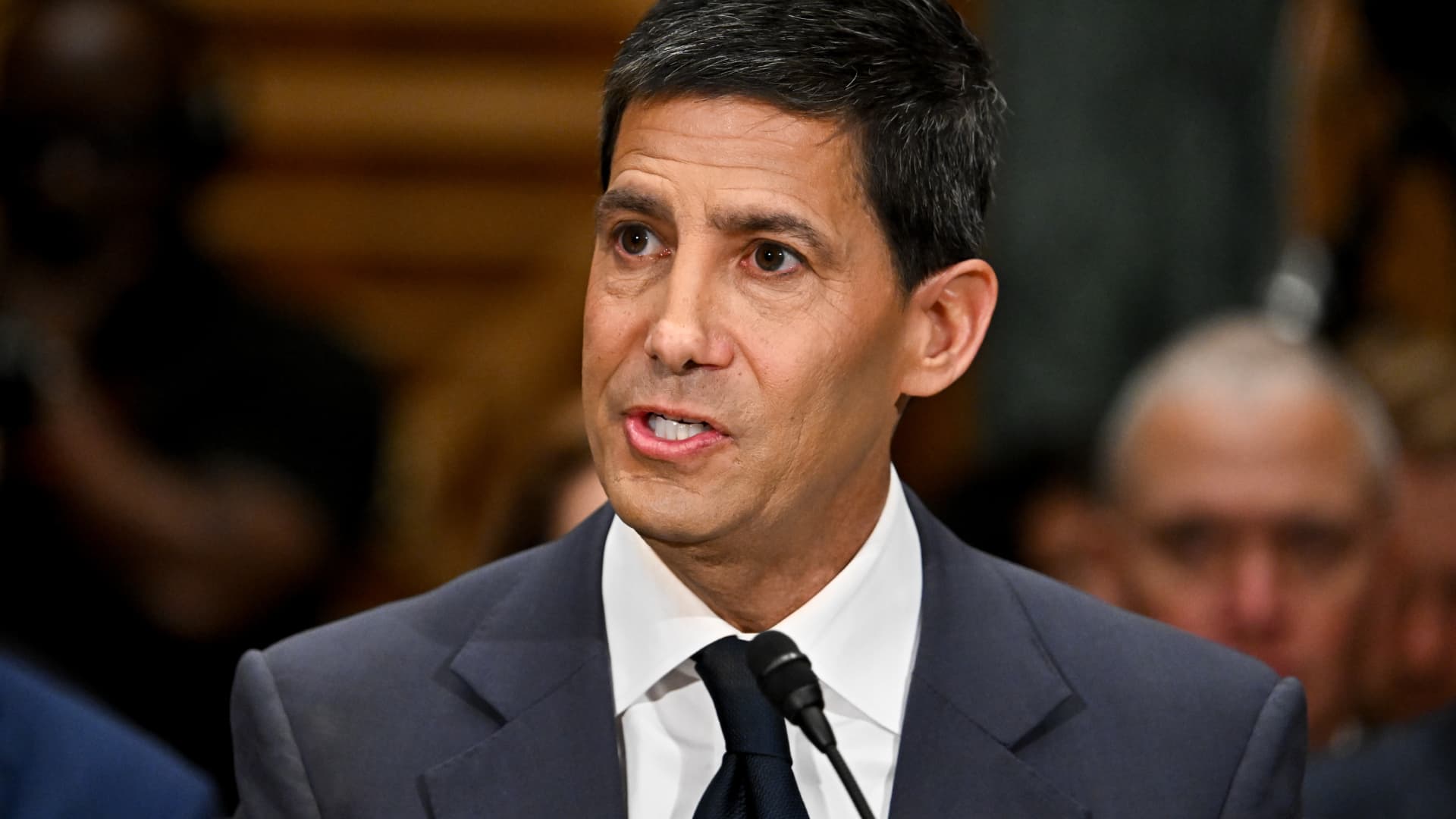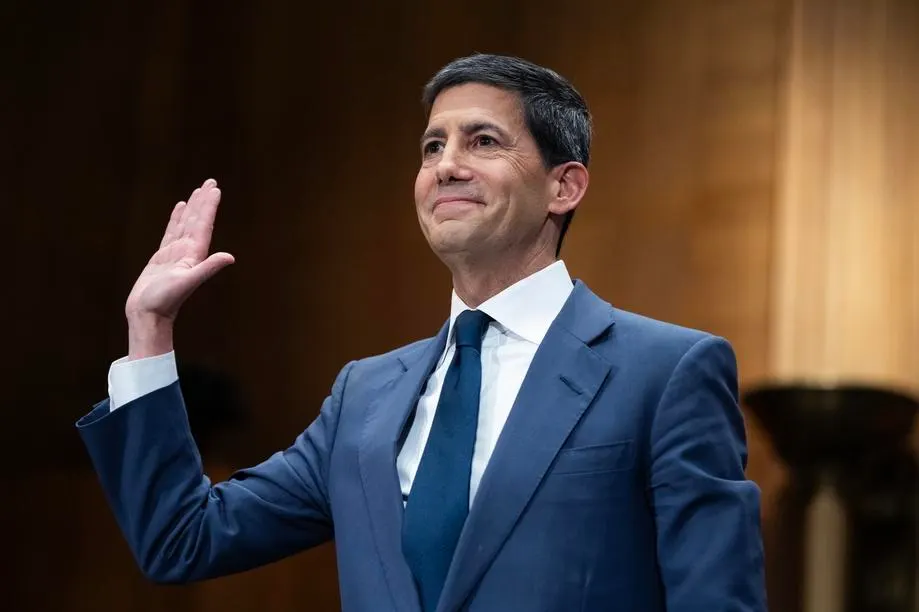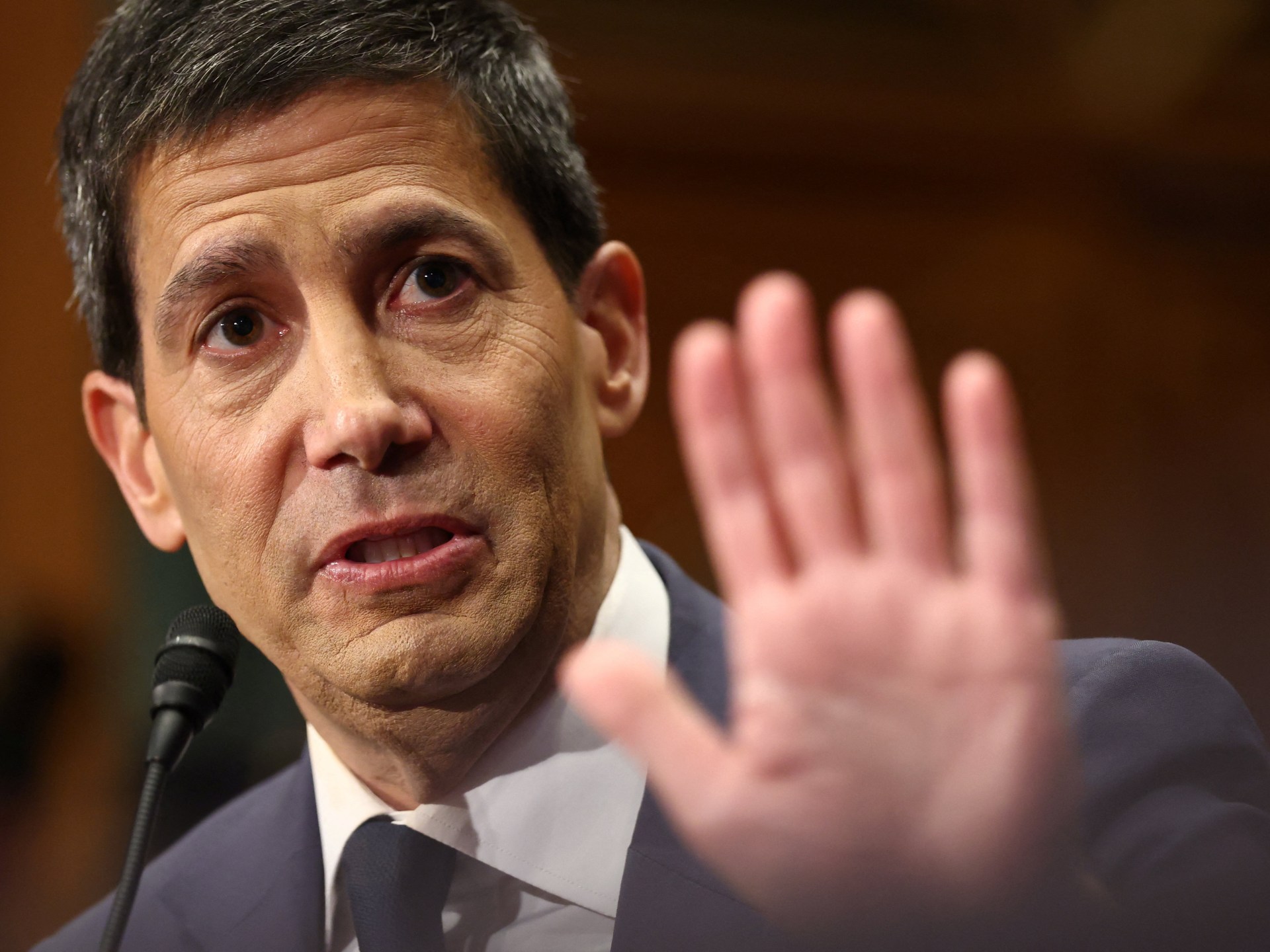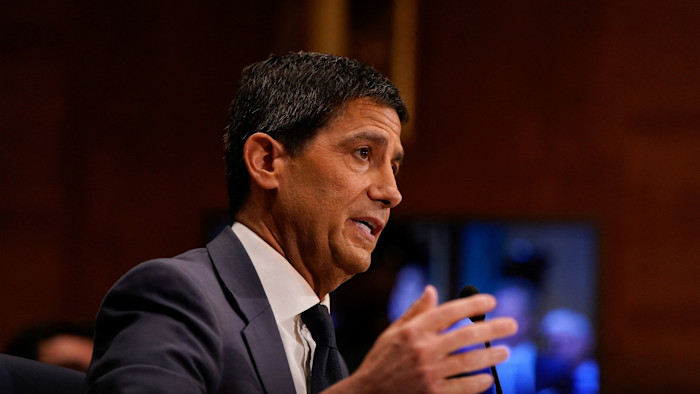
The reactions among senators to Kevin Warsh’s testimony split broadly on partisan lines on Tuesday. Republicans praised his views on the need for “regime change” at the Federal Reserve, while Democrats criticised his financial disclosures and his lack of independence from the president.
When pressed on the changes he wanted to see in the twin aspects of monetary policy — interest rates and the Fed’s balance sheet — the most important takeaway is that these might be large, but implemented slowly. There was nothing in Warsh’s evidence that suggested a revolution in Fed policy later this year. While Warsh said he would use the interest rate tool, rather than the Fed’s balance sheet, to influence policy, that is also current practice in normal times.
Warsh stuck to many reforms he has advocated over many years and his longstanding criticism of the Fed that it expanded its balance sheet too far.
He said he valued independence, but defined it narrowly as the operation of monetary policy. He struggled to find examples where his views differed from those of President Donald Trump and limited these to the subject of whether his looks were “central casting” and the possibility that higher petrol prices were not “fake inflation”. He notably was unable to say the result of the 2020 election was correct and deferred to the courts on topics of Trump’s attacks on Fed governor Lisa Cook and the criminal probe into current chair Jay Powell over building cost overruns.