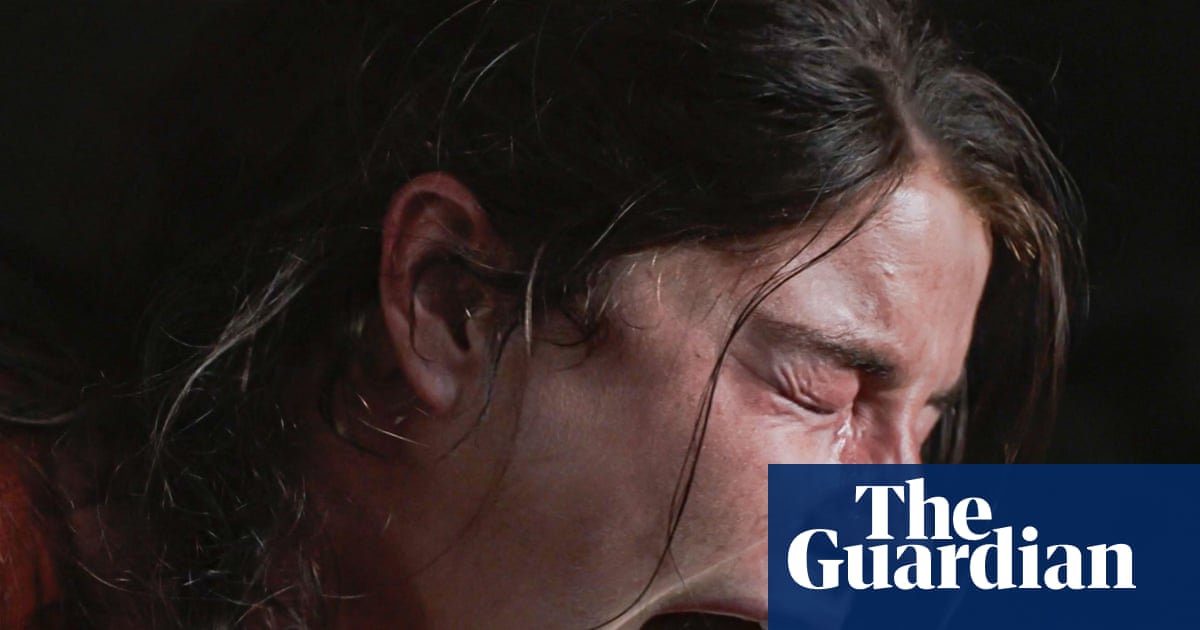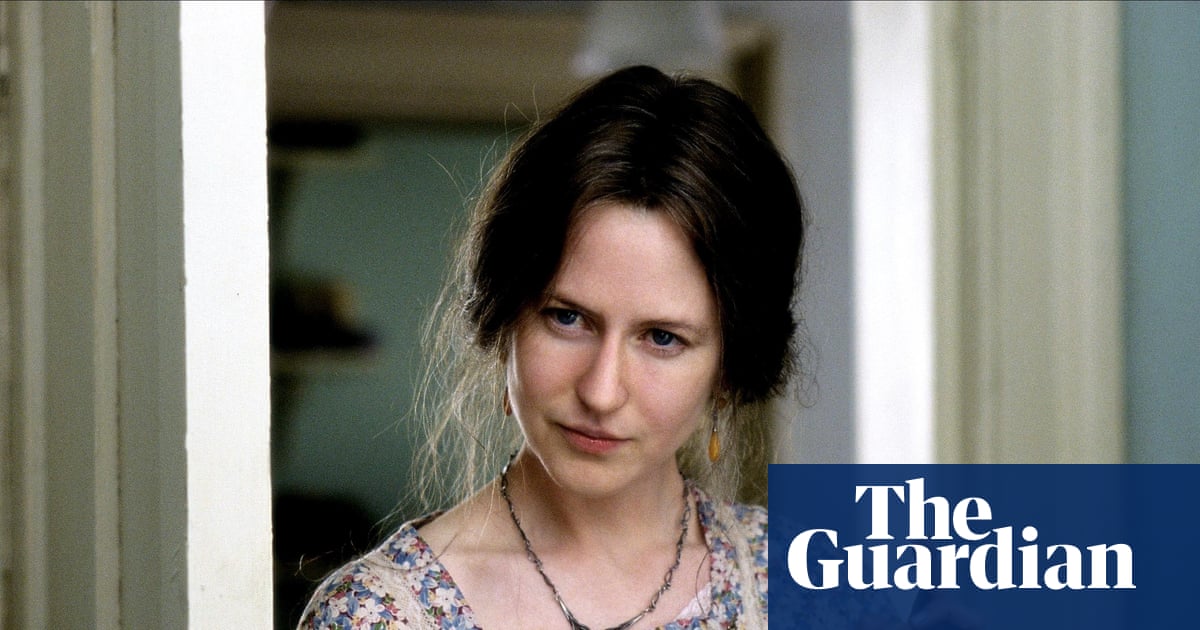
Stephen Daldry’s 2002 film, which secured Kidman an Oscar for her depiction of Virginia Woolf, is a groundbreaking depiction of queer sexuality across the 20th century
M
ichael Cunningham’s Pulitzer prize-winning book The Hours – inspired by Virginia Woolf’s seminal 1925 novel, Mrs Dalloway – imagines one day in the lives of three women separated across time periods. The triptych follows Woolf in the throes of writing Mrs Dalloway; Laura Brown, a depressed housewife who is reading Woolf’s novel in postwar America; and Clarissa Vaughan, a New Yorker who acts as a contemporary embodiment of Woolf’s titular character.
Cunningham’s 1998 text, though widely acclaimed, was initially deemed unadaptable due to its nonlinear structure and stream-of-consciousness approach that paid homage to Woolf’s pioneering style. However, since its publication, The Hours (which takes its name from Mrs Dalloway’s working title), has been reinterpreted as an opera and, most notably, a 2002 film directed by Stephen Daldry.
As the title suggests, the film explores the ways in which the routine of a single day can be at once beautiful in its ordinariness or seismic in its oppressive mundanity. The three women at the film’s centre are just trying to make it through: Woolf (Nicole Kidman) is unable to cope with her personal responsibilities while plagued by a deep depression; Brown (Julianne Moore) is suffocating under domestic pressures while repressing her true desires; and Vaughan (Meryl Streep) neglects her own psychological needs while caring for her ex-lover who is dying of Aids.