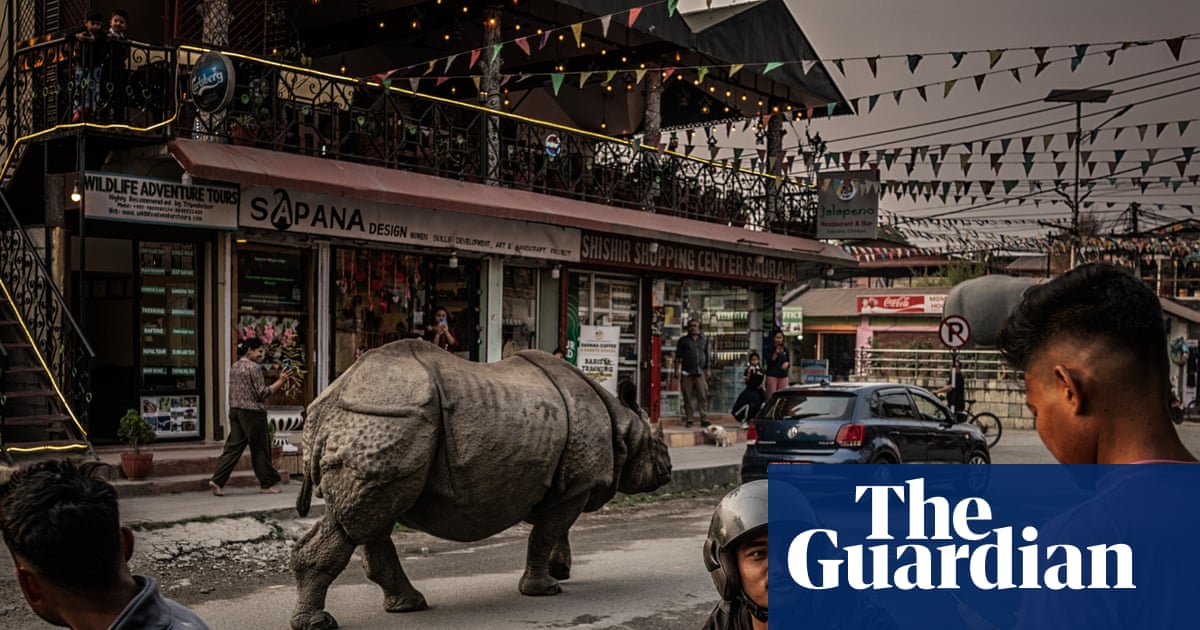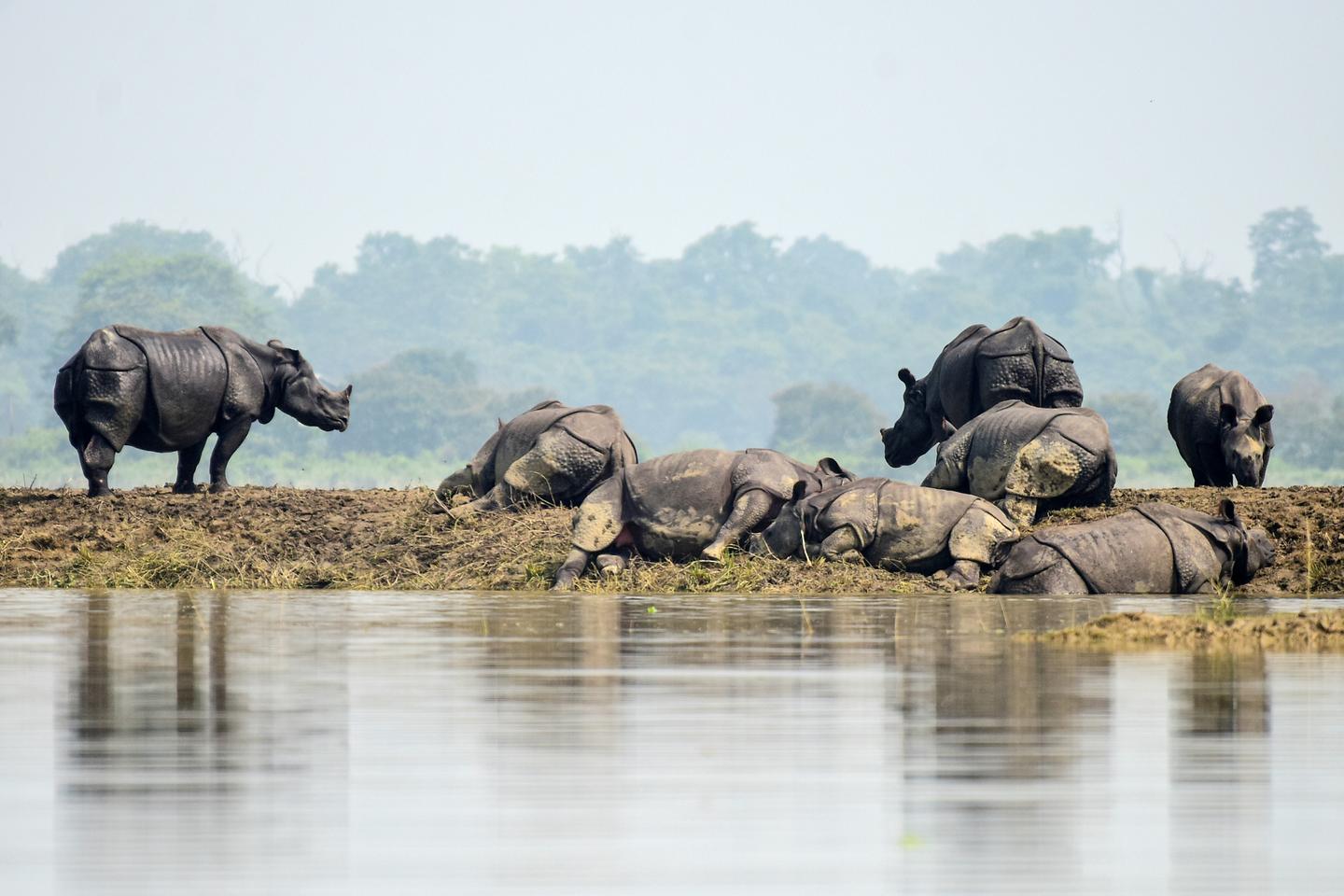
One-horned rhinoceroses in Kaziranga National Park, India, July 18, 2019. ANUWAR HAZARIKA/REUTERS
They are home to one-third of the world's remaining elephants, tigers and pandas, as well as the last 10 vaquitas (or Pacific porpoises) in the wild. More than 60% of known species live in these areas, including about 40% that are found nowhere else on Earth. These sites also include the world's tallest tree, at over 115 meters high, a coast redwood in Northern California named Hyperion and a seagrass meadow spanning more than 200 square kilometers, or the equivalent of 28,000 football fields, in Australia.
UNESCO-listed sites, which include World Heritage sites protected for their cultural or natural value, biosphere reserves and global geoparks recognized for their geological significance, host an exceptional level of biodiversity. For the first time, UNESCO, working with research organizations, has completed a comprehensive assessment of the conservation status of these sites. Published on Tuesday, April 21, the report states that, although these areas, covering more than 13 million square kilometers (an area larger than China and India combined), are increasingly under threat, they remain highly beneficial for both animal and plant species.