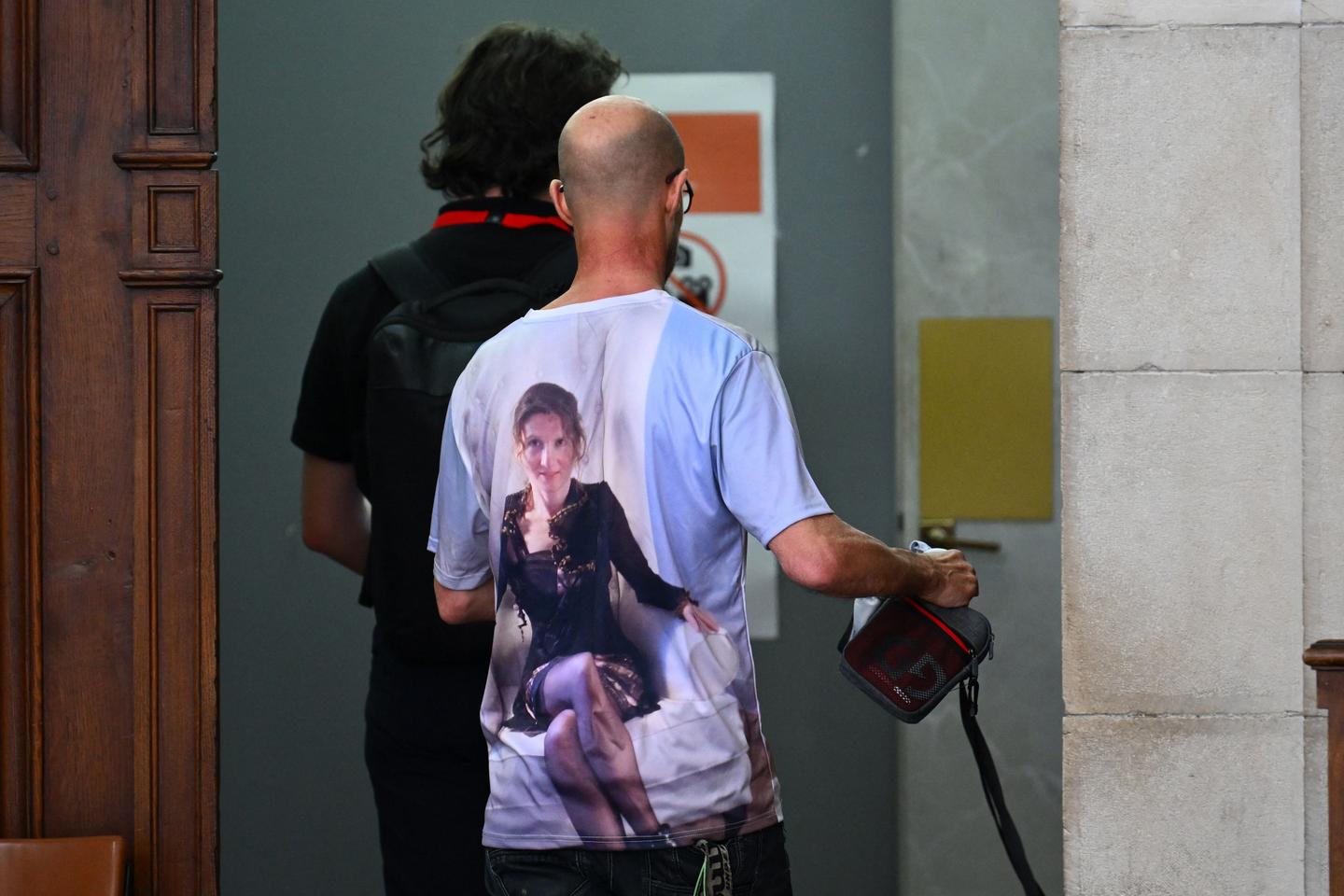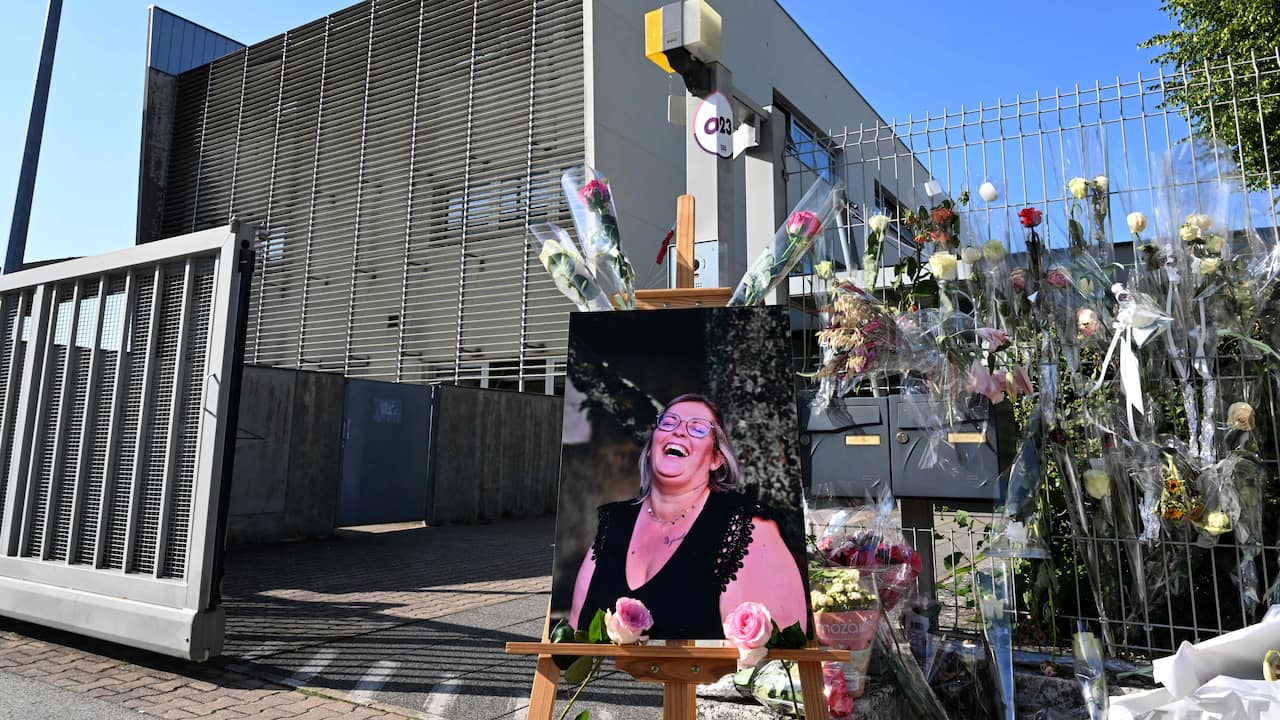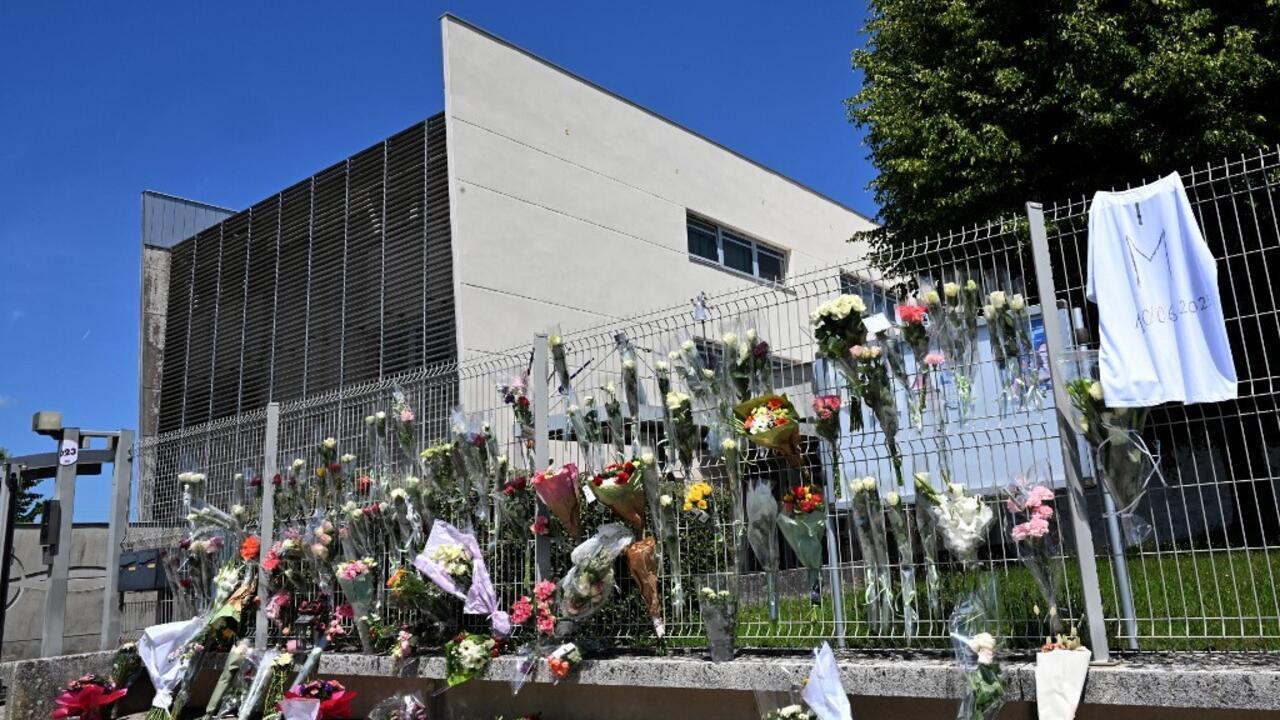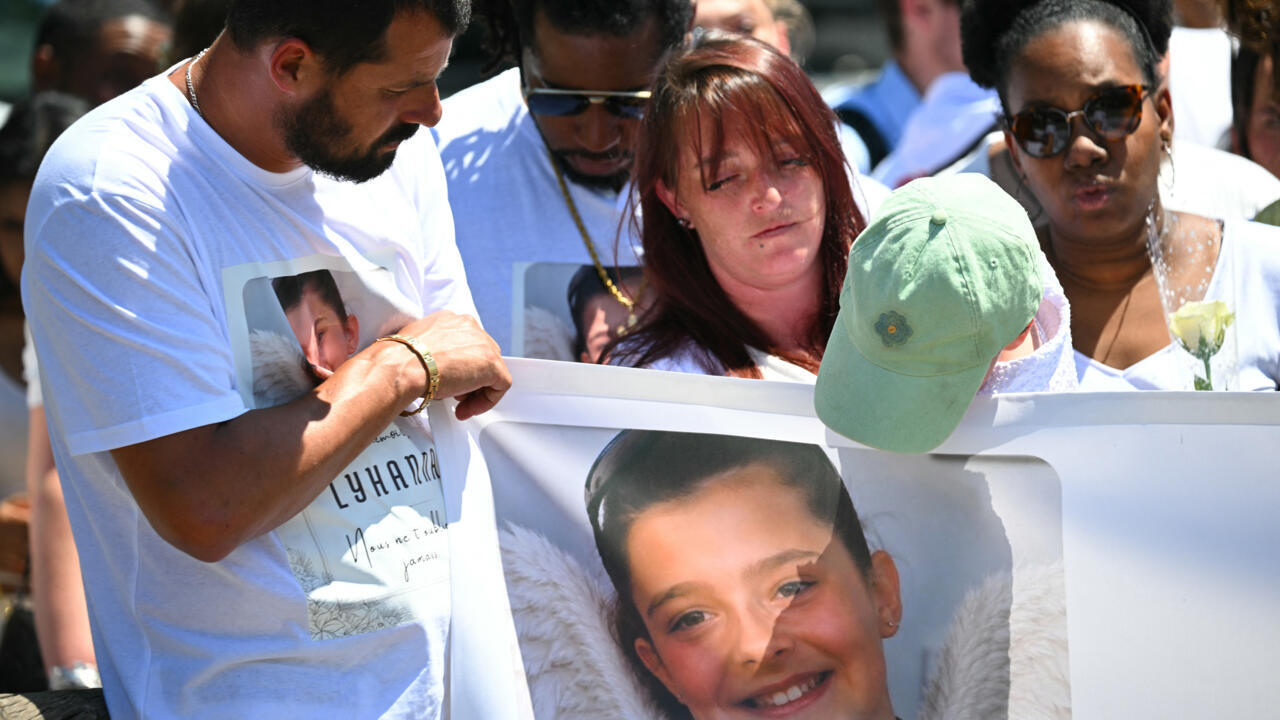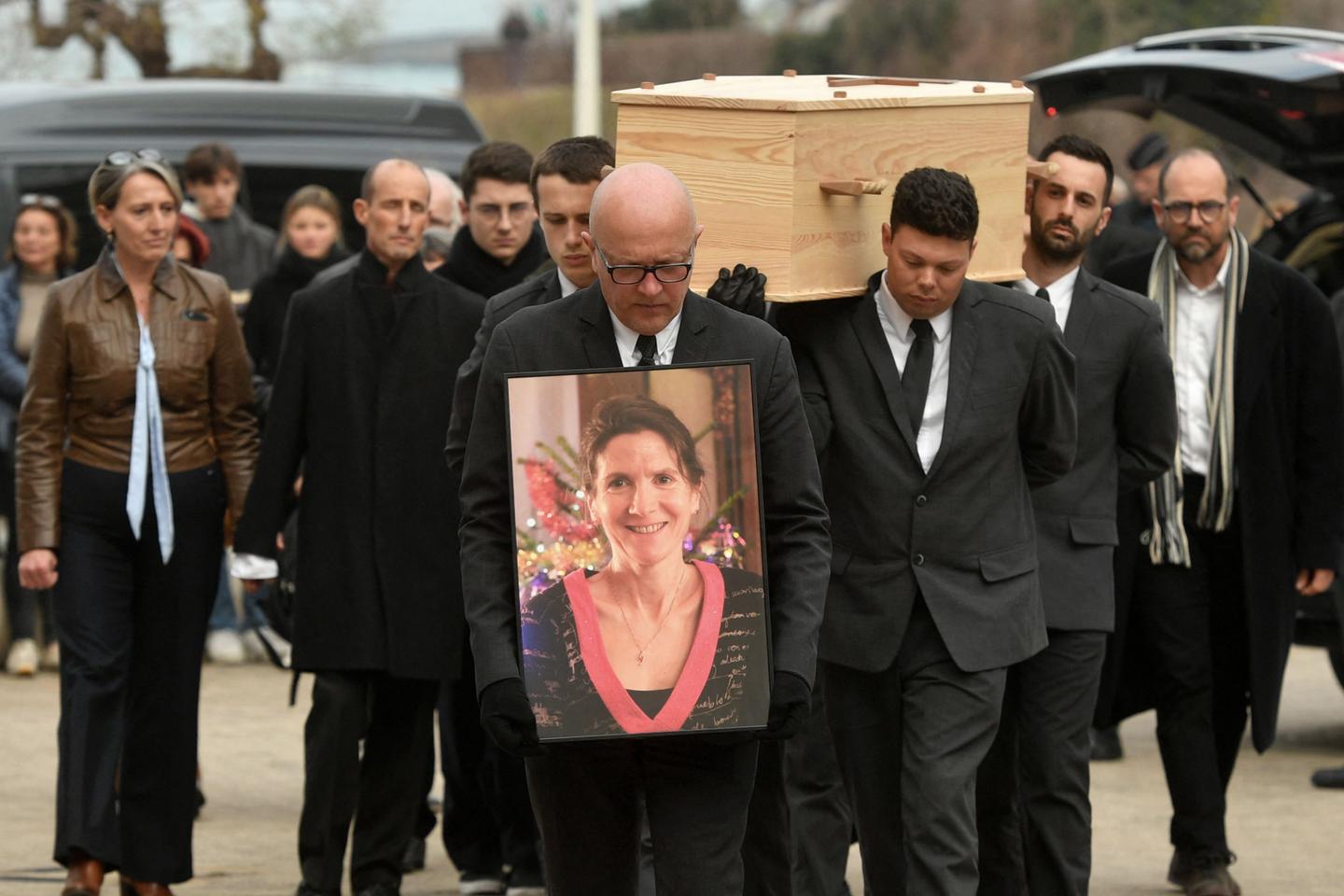
Funeral of Agnès Lassalle, French teacher, in Biarritz, France, March 3, 2023. GAIZKA IROZ/AFP
Wednesday, February 22, 2023, 9:46 am and 54 seconds. On security camera footage from the private Saint-Thomas-d'Aquin high school in Saint-Jean-de-Luz, on France's southern Atlantic coast, students are seen rushing toward the exit stairs. Lucas (whose name has been changed), 16, had just stabbed his Spanish teacher with a kitchen knife. A single, forceful blow to the heart left the 53-year-old teacher with no chance of survival. Just minutes earlier, Lucas had stood up from his chair, locked the classroom door from the inside, then turned around and unwrapped an 18-centimeter blade from a few sheets of paper towel. He walked up to the blackboard. He struck. And Agnès Lassalle collapsed to the floor.
Lucas then burst into the neighboring classroom through the connecting door, which allowed his classmates to escape. The math teacher saw him enter, pale and shaking. "I've ruined my life, it's over," he said. The teacher told him to put down the knife and embraced him as he broke down in tears. "Someone took control of my body, it wasn't me," the teenager added.
Three years later, from April 21 to 24, Lucas is to be tried behind closed doors by the local juvenile criminal court for the premeditated murder of Lassalle. A central question will be debated, following conflicting psychiatric assessments during the investigation: Is the teenager, who had been taking antidepressants after a suicide attempt at the end of 2022 and spoke of a "little voice" in his head, criminally responsible, or was his judgment impaired when he stabbed the teacher?