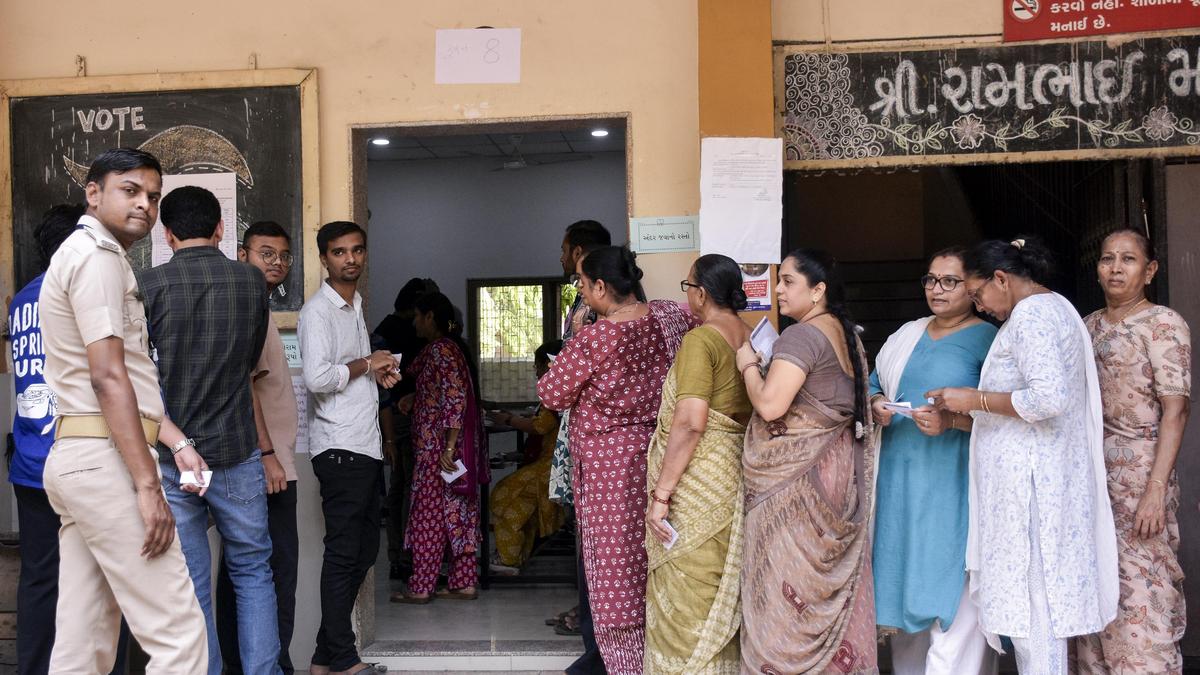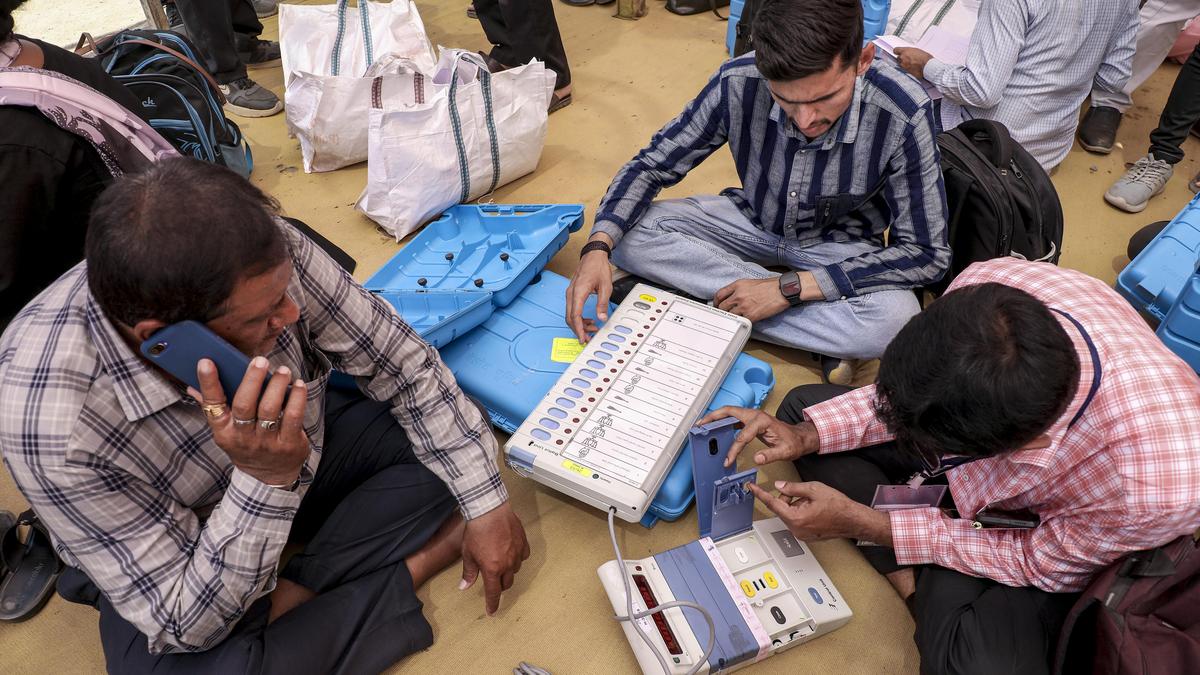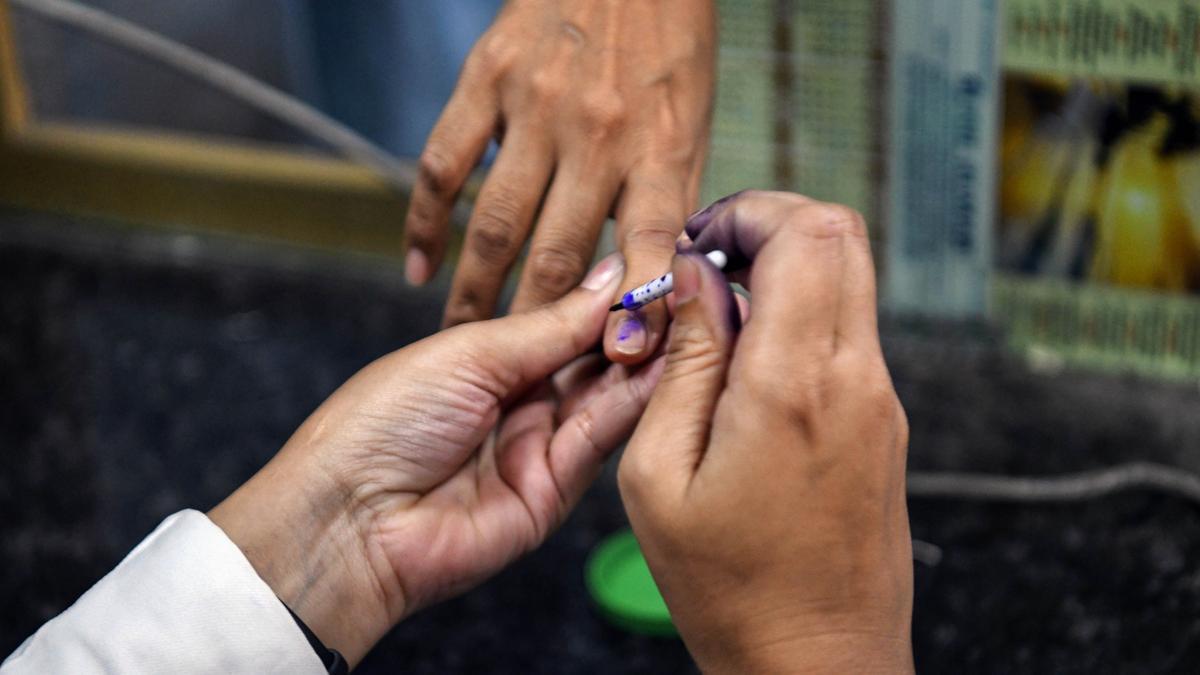
The upcoming local body elections in Gujarat are set to test shifting voter dynamics, with the State’s political landscape inching towards a three-cornered contest. Even before polling, 733 seats, the majority of them held by the Bharatiya Janata Party (BJP), have been decided uncontested after the withdrawal of nominations. The outcome is expected to serve as an early indicator of shifting political dynamics ahead of the Assembly election due in 2027.
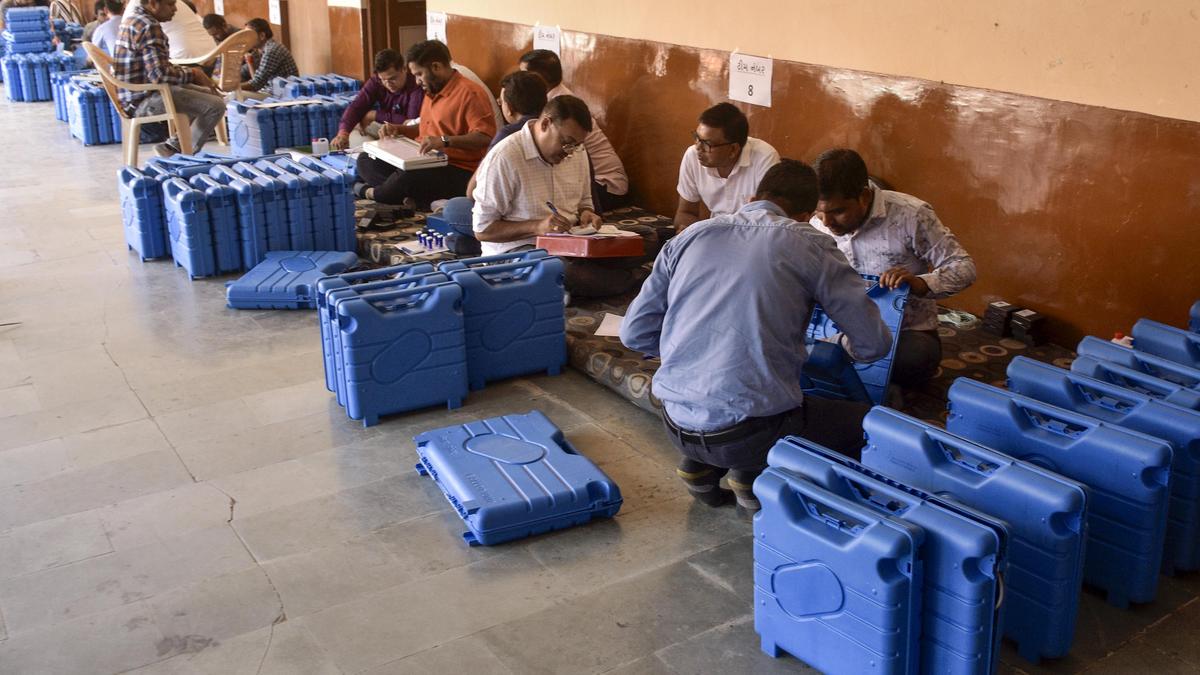
Last week, the State Election Commission said 43 seats across 15 municipal corporations were won unopposed. In nagarpalikas (municipalities), 385 seats saw no contest, while 51 seats in district panchayats and 251 in taluka panchayats were also decided without voting. Elections will now be held for the remaining seats across 15 municipal corporations, including Ahmedabad, Surat and Rajkot, along with 84 nagarpalikas, 34 district panchayats and 260 taluka panchayats. Polling is scheduled for April 26, with counting on April 28.
Electoral scale
The scale of the exercise is reflected in the size of the electorate. Following a summary revision of electoral rolls, the 15 municipal corporations account for 1,10,39,131 voters. Another 33,99,330 voters fall under 84 municipalities and 13 by-election seats. Rural local bodies, including 34 district panchayats and 260 taluka panchayats, comprise 2,74,82,357 electors. In all, 4,19,20,818 voters are eligible to participate, representing over 95% of Gujarat’s total electorate of 4,40,30,725, according to State Election Commission figures. The ruling BJP has released its ‘Sankalp Patra – 2026’ for key municipal corporations, including Ahmedabad, Surat and Rajkot, outlining plans focused on infrastructure expansion, technology-led governance and improved transport systems. The party said it has fulfilled around 96% of its previous promises and is presenting a “report card” to voters. Among its key commitments for Ahmedabad is a plan to make the city slum-free, including the construction of around 50,000 houses.