The New Zealand composer burned pianos, sampled earthquakes and recorded Belfast’s peace walls. And at 86 is still invested in her life’s work: to appreciate the music in everyday sound
A
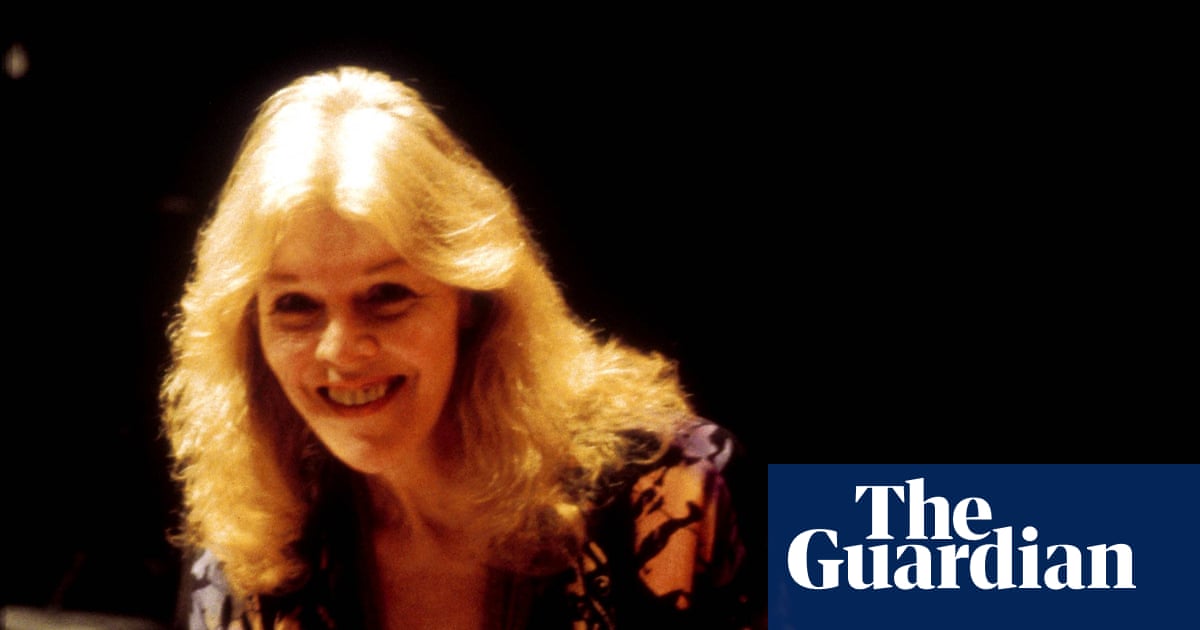
broken upright piano, tilted like the sinking Titanic, stands part-buried in a garden at Glasgow’s Counterflows festival. Experimental composer Annea Lockwood swipes a hand across its exposed strings and beams at the metallic clang. “Great piano!” she says, inviting other musicians and the audience to make their own strange noises by scratching and tapping it with garden debris.
It’s one of many pianos Lockwood, 86, has buried, burned or drowned since the 1960s, exploring their changing sounds as they are destroyed – though she says “transformed”. A pioneer of field recordings, her work has ranged from “sound maps” of entire rivers to music made with the peace walls demarcating areas of mid-Troubles Belfast. As she revisits two significant works at Counterflows and prepares a new release of 1975’s World Rhythms, she takes me through her radical career from the very start.
In her hotel, she laughs as we watch a 1966 BBC interview capturing rehearsals of her first major work The Glass Concert, amplifying glass objects being played or broken. “I’ll leave you to your music,” the interviewer says, to which the 27-year-old Lockwood smiles before slamming a towel-wrapped object through a windowpane. The New Zealand native tells me that after moving to the UK and completing her University of Canterbury music degree in 1961, she studied electronic music around Europe, but found only “dead sound”. Environmental sound attracted her with “its complexities, its instabilities and, often, its unrecognisability”. The glass experiments asked a question she has considered ever since. “What if we listened to a single sound event in the way we would a musical phrase?”