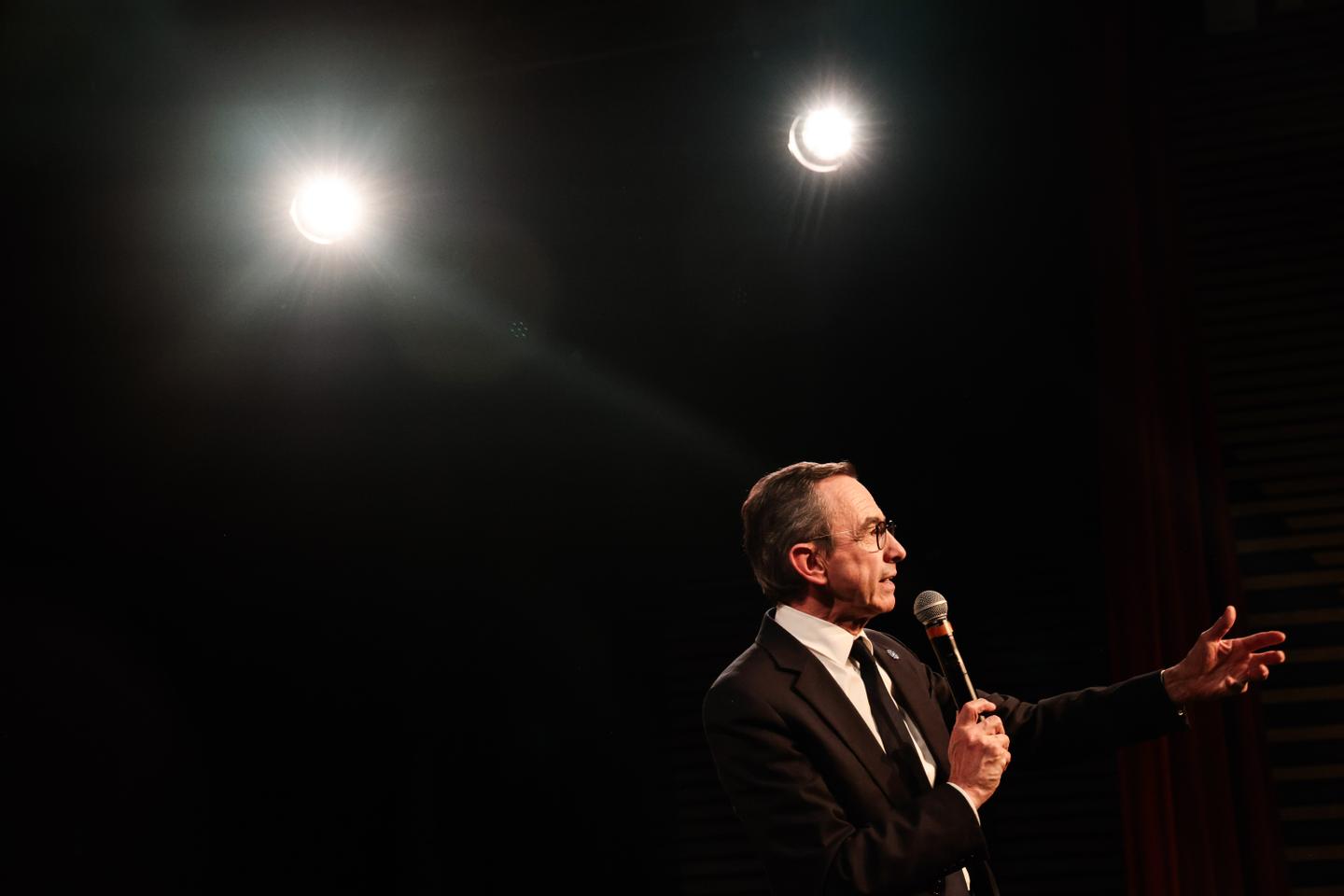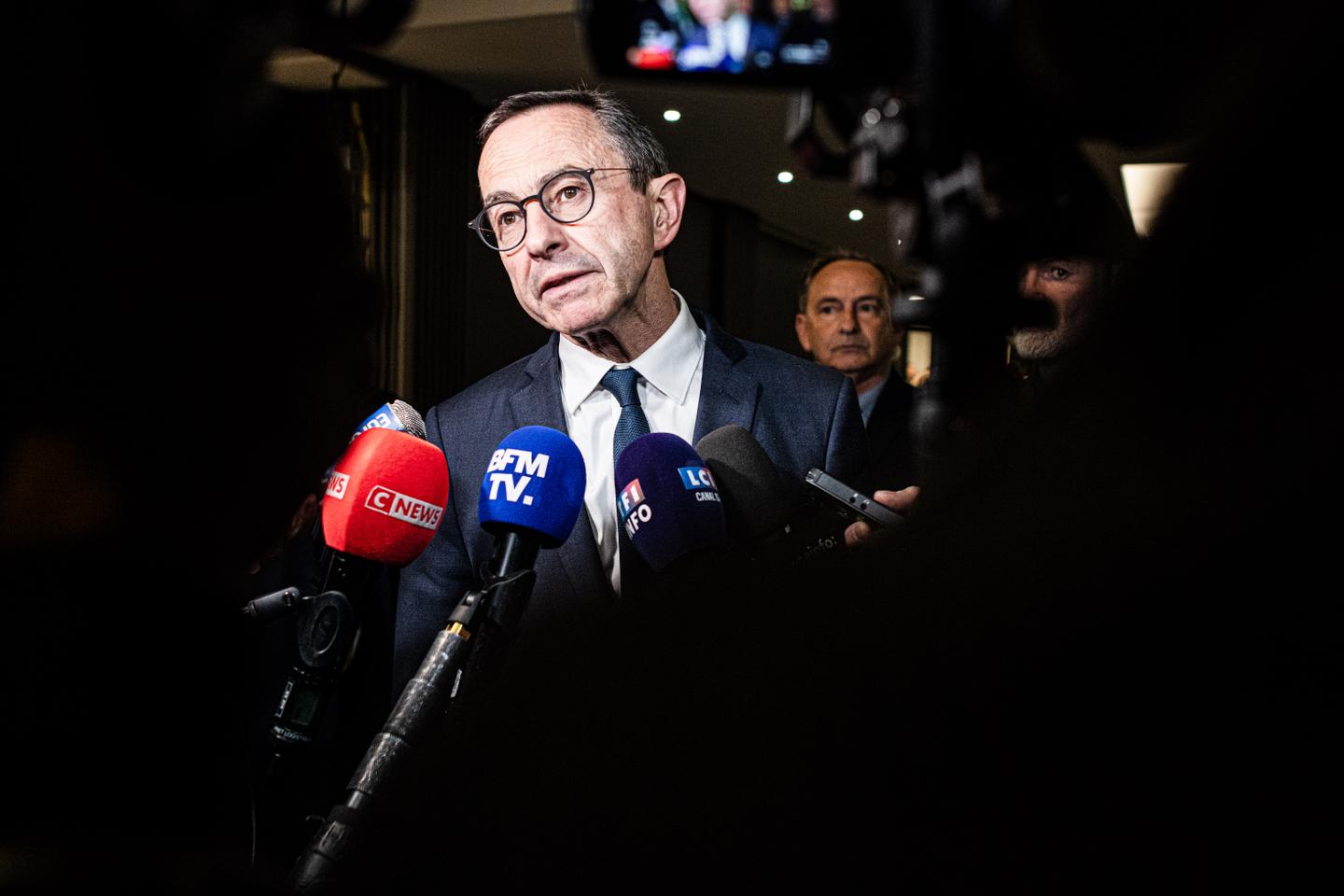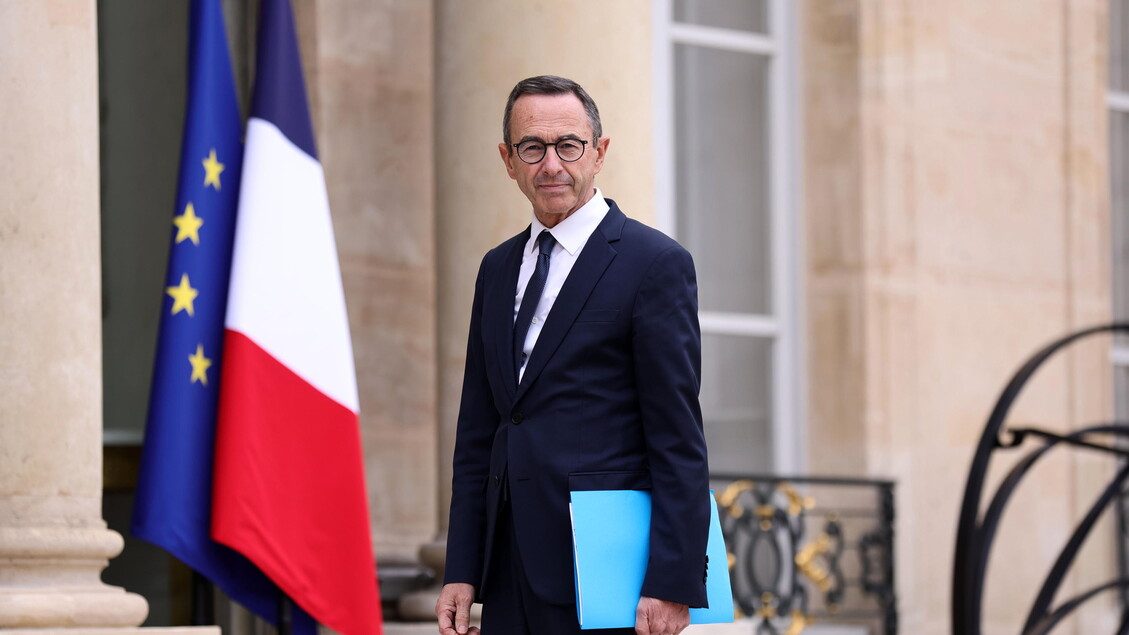
Bruno Retailleau, president of Les Républicains, after the party's political bureau meeting in Paris, March 24, 2026. JULIEN MUGUET FOR LE MONDE
This is what sets him apart, he often repeats: Bruno Retailleau did not grow up with the idea of one day becoming president of France. At 65, he describes his candidacy as "something born out of duty" rather than "a sure thing" or "a simple desire." That sense of duty is now grounded in a new legitimacy: the vote of Les Républicains (LR) party members. With 73.8% of the vote, they selected their party president to be their candidate for the 2027 presidential election during an electronic ballot held on Saturday and Sunday.
"A wind of hope is rising for our country, which, after 15 years of inertia and conformism, needs a clear and powerful vision," Retailleau said with satisfaction on Sunday evening on X. But on closer inspection, that wind is little more than a gentle breeze. While the result for Retailleau closely matched his sweeping victory (74.3%) in May 2025 against Laurent Wauquiez for the party presidency, the momentum has faded. So has the enthusiasm.
At the time, the showdown between the two new right-wing rivals boosted membership to over 120,000. But only 76,000 took part in the vote on how to select a candidate. While members rejected the idea of a closed internal primary (backed by only 12.2%) or one open to sympathizers (14%), the low turnout (60.01%) reflected a certain hesitation: LR has a candidate in the race, but for how long?