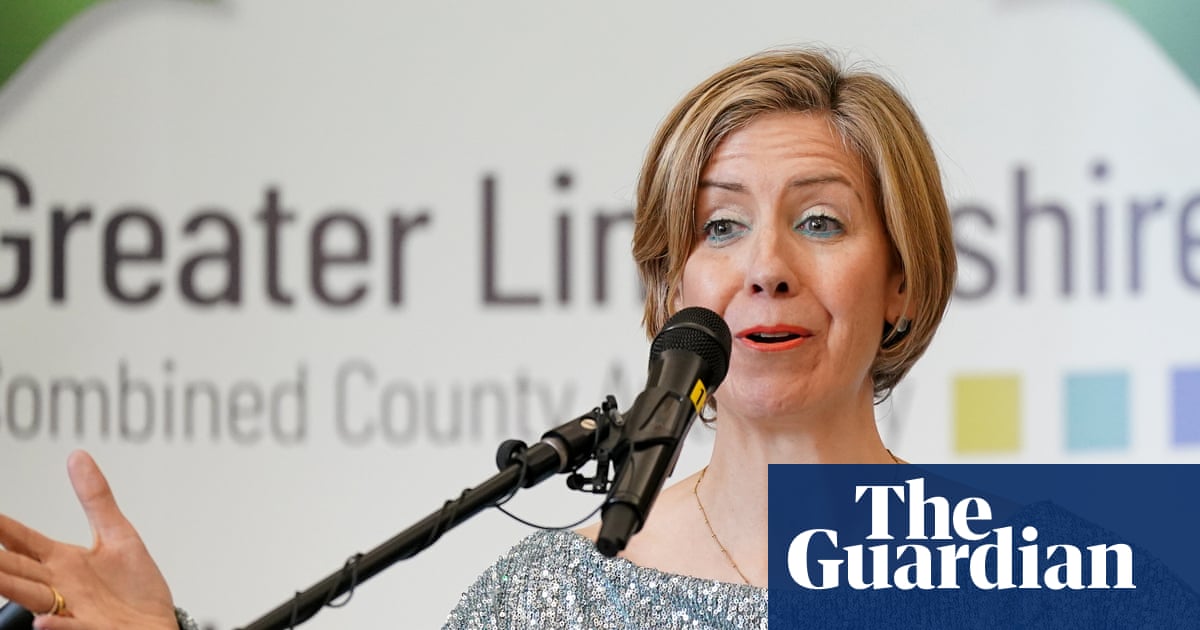
Sarah Finch’s fight against drilling led to a landmark ruling on fossil fuel emissions – and a leading environmental prize
I
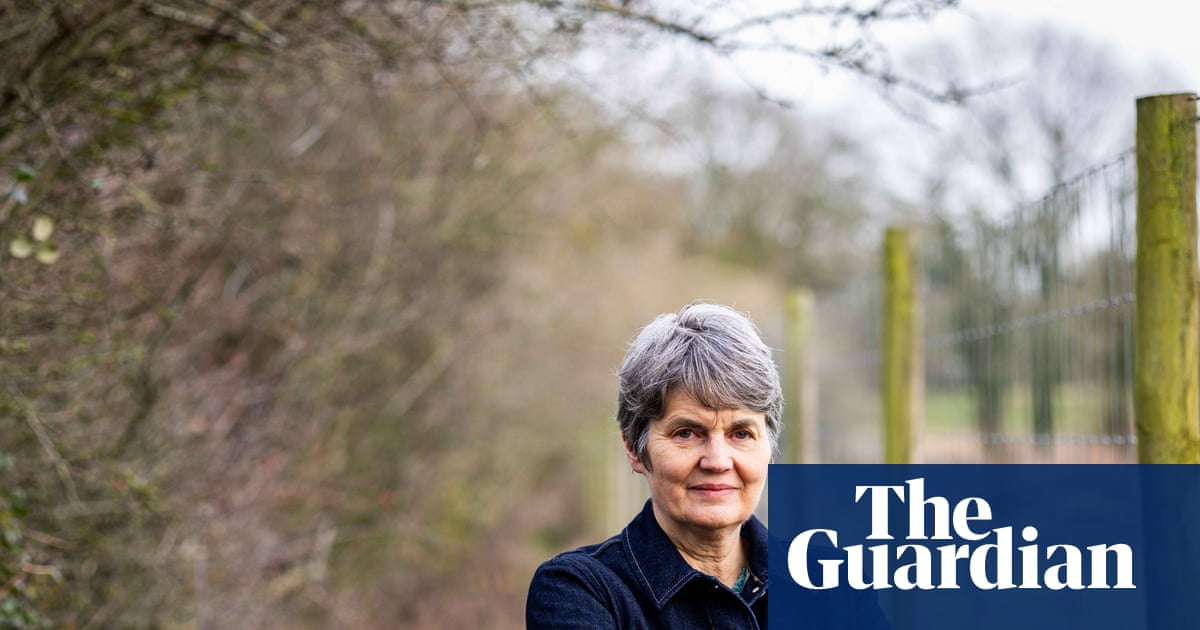
t started with a notice in the local newspaper and ended with winning one of the world’s most prestigious environmental prizes. In 2010, Sarah Finch was flicking through the local planning notices when one caught her eye: a proposal to drill for oil at Horse Hill in Surrey, just outside Crawley, over the border in West Sussex, 6 miles (10km) from her home.
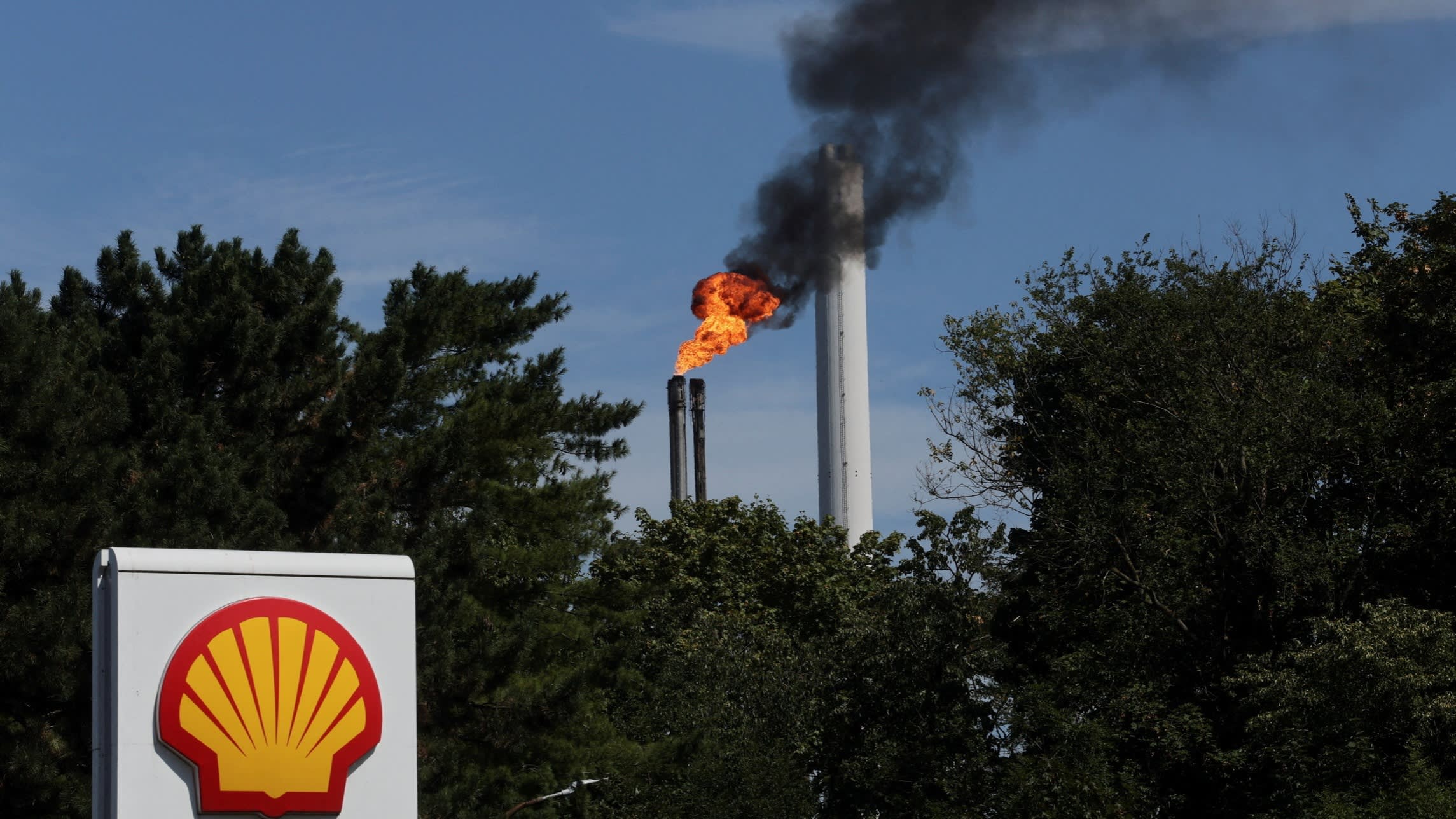
Surrey is not the kind of place one expects to find the oil industry. It’s a county of little villages, farms, woods and commuter railway stations. Its semi-rural landscape stretches off towards the horizon in a typically English green patchwork. It is difficult to envision it littered with nodding donkey pumpjacks and gas flares.
Finch was shocked. A longtime environmentalist, she had been an early adopter of climate politics, working as a climate press officer for Greenpeace and protesting against the Kingsnorth power station in Kent. But this was the first time it had come so close to home. “This is local,” she thought. “I’d better get involved.”