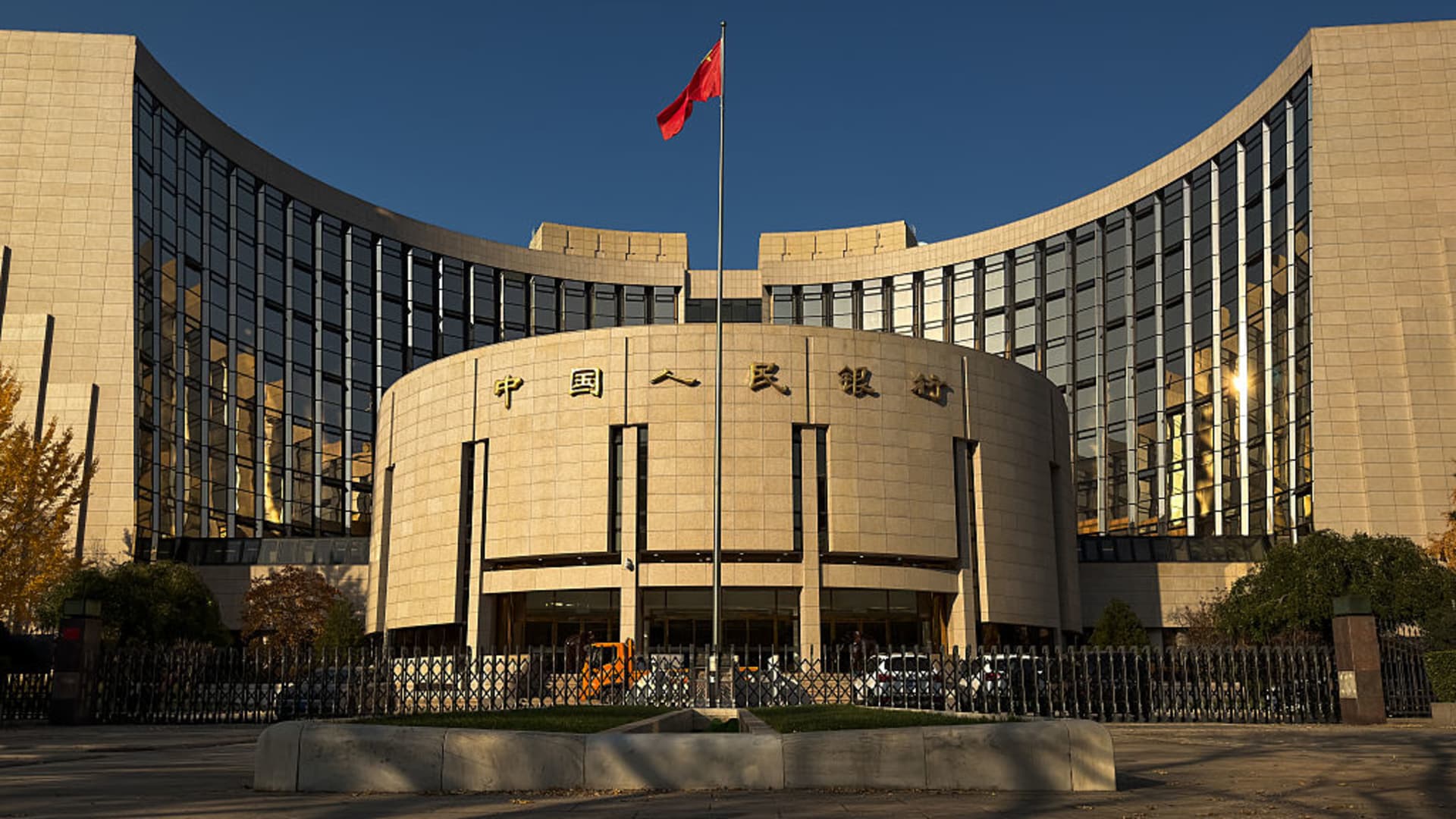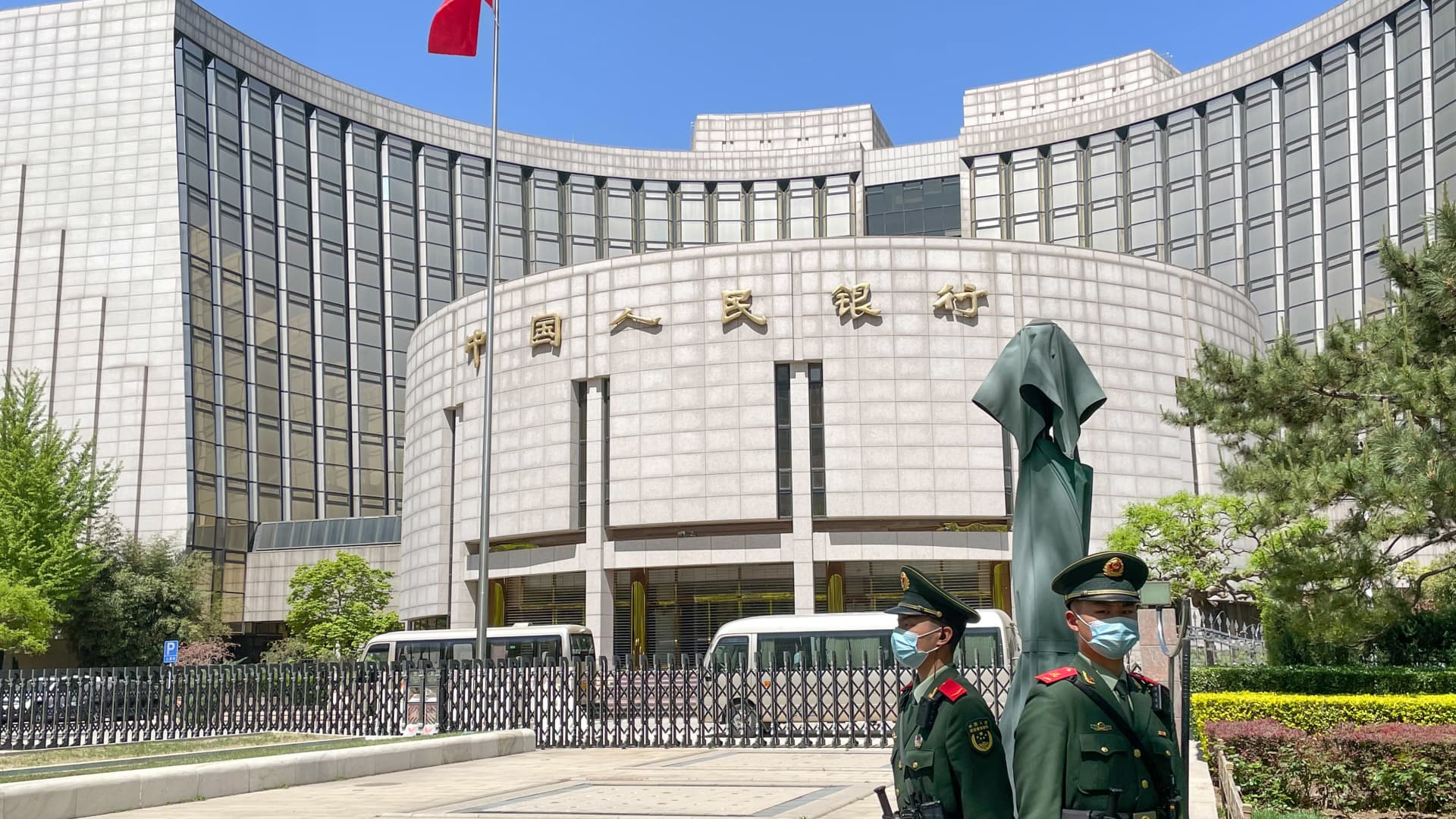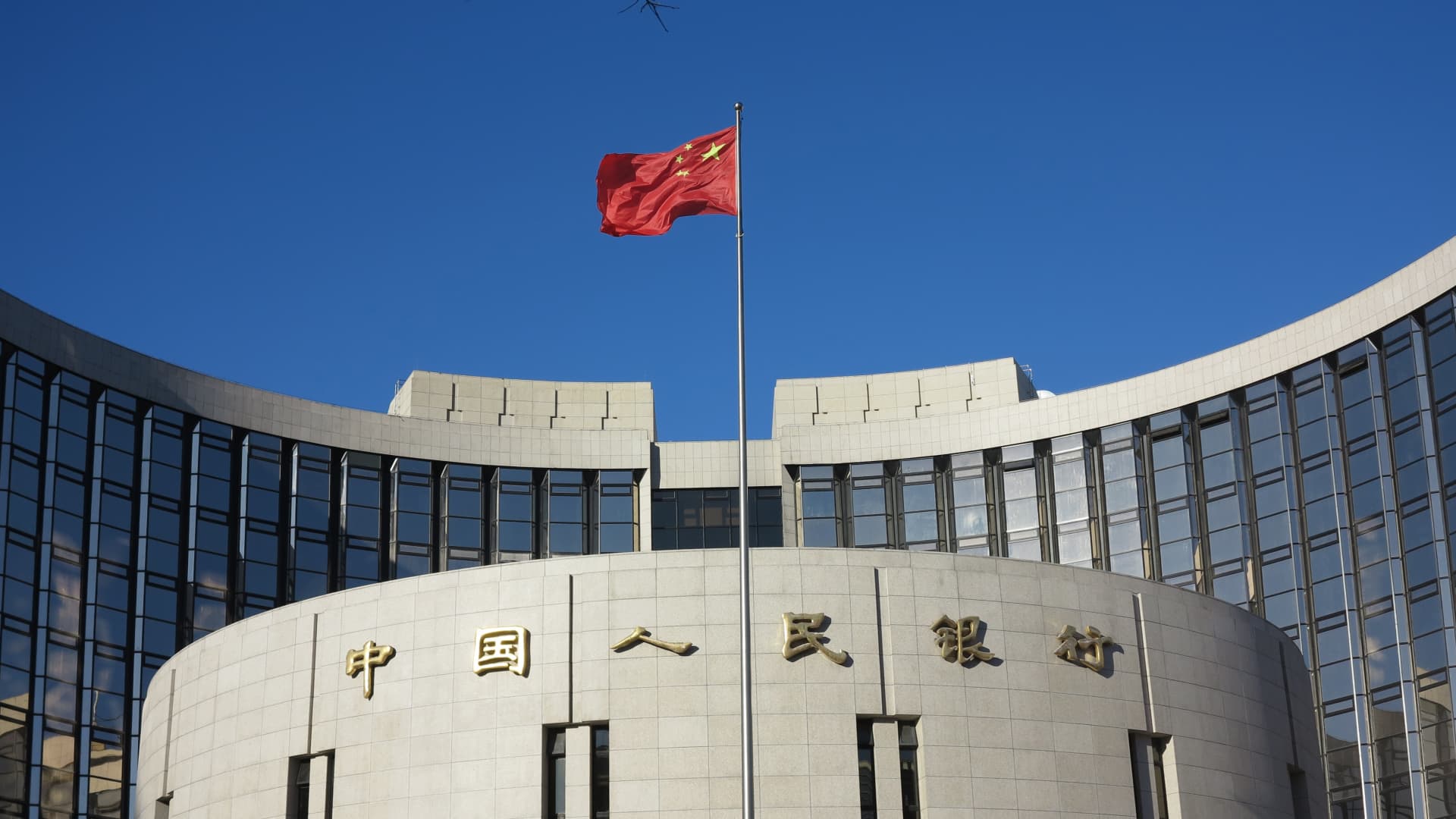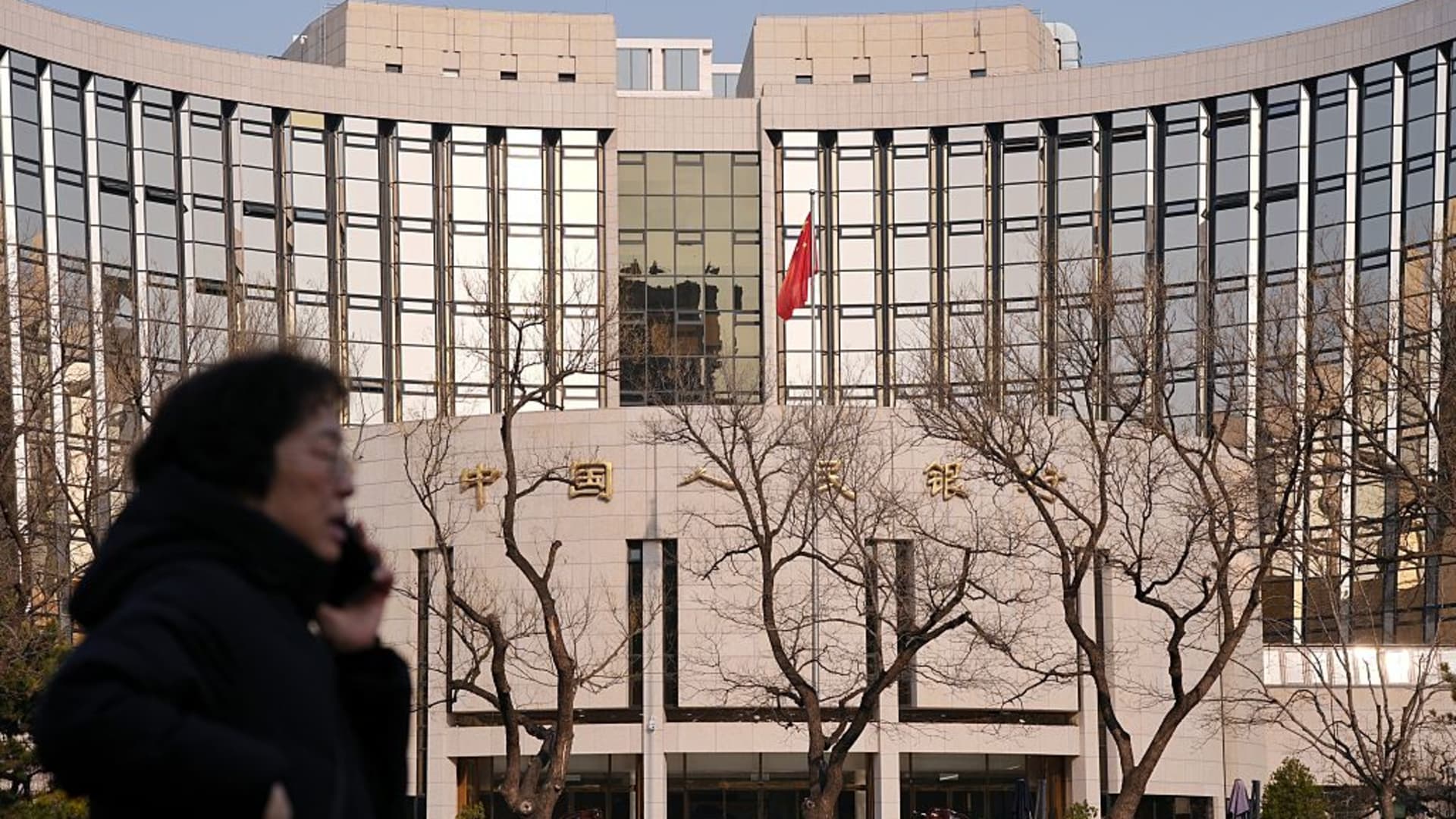
China held its benchmark lending rates unchanged for an 11th straight month, keeping its powder dry as policymakers weigh the economic fallout from the Middle East war against resilient growth at home and fading deflationary pressure that has given Beijing less urgency to act.
The People’s Bank of China kept the loan prime rate, or LPR, unchanged on Monday, as surging global oil prices amid escalating Middle East tensions pushed up energy prices and clouded the growth outlook.
The one-year LPR, a benchmark for new loans, was kept at 3.0% while the five-year LPR, a reference for mortgage rates, was unchanged at 3.5%.
The decision came after the world’s second-largest economy grew 5% in the first quarter, accelerating from 4.5% in the prior quarter, and at the top end of its full-year target range. Beijing lowered its growth target for 2026 to a range of 4.5% to 5%, the least ambitious goal on record since the 1990s.
China’s factory-gate prices also rose for the first time in more than three years, climbing 0.5% in March from a year earlier, signaling that import-cost pressure has started seeping into the economy. Consumer inflation logged its biggest jump in more than three years, rising 1.3% in February, before easing to 1% in March.