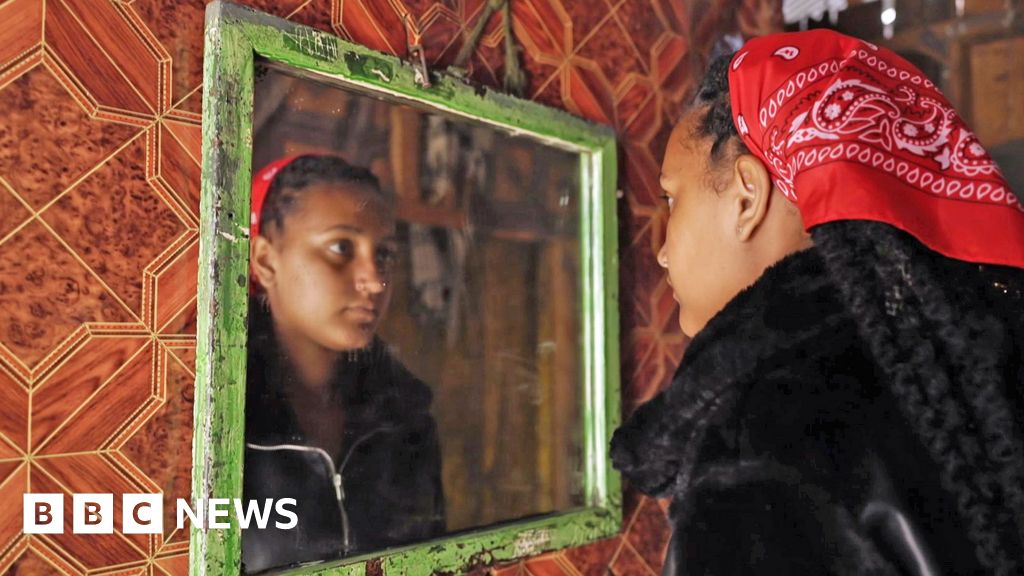
"Edward", a nine-year old Kenyan boy, has always been aware his father worked for the British military. The boy's skin colour, lighter than his peers, has provoked years of bullying. His father disappeared before Edward [not his real name] was born, leaving his mum living in extreme poverty, ostracised by some of her family.
Now this man, who worked as a contractor at a British army base in Kenya, along with 19 others who served as soldiers there, have been identified through a ground-breaking DNA and legal process as the fathers of children born near the base, and tracked down. Paternity has so far been legally confirmed in 12 of the cases by the UK's highest Family Court judge.
The process provides answers for children who did not know where, or even in some cases who their fathers were - or who had been led to believe they had died. All have been seeking answers about their heritage, and have faced financial hardship. Most of the 12 confirmed cases are now eligible to register for British citizenship. Those under 18 or in further education will be eligible for child support.
UK solicitor James Netto, and Kelvin Kubai, a lawyer finding clients on the ground in Kenya, say there are nearly 100 documented cases of children born near the British Army Training Unit in Kenya (Batuk) to British soldiers. Netto believes there could be many more.