https://arab.news/9ezk6
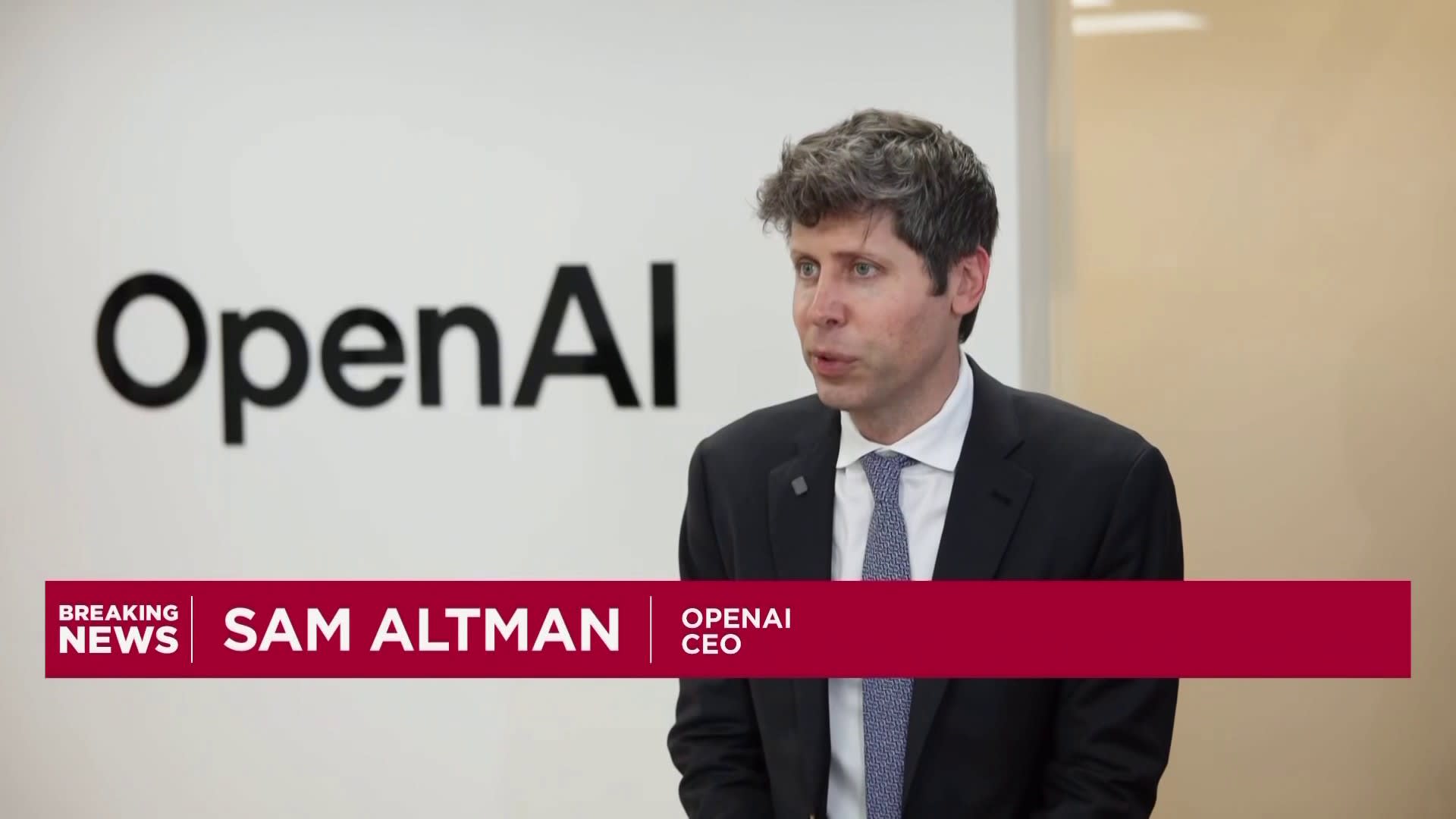
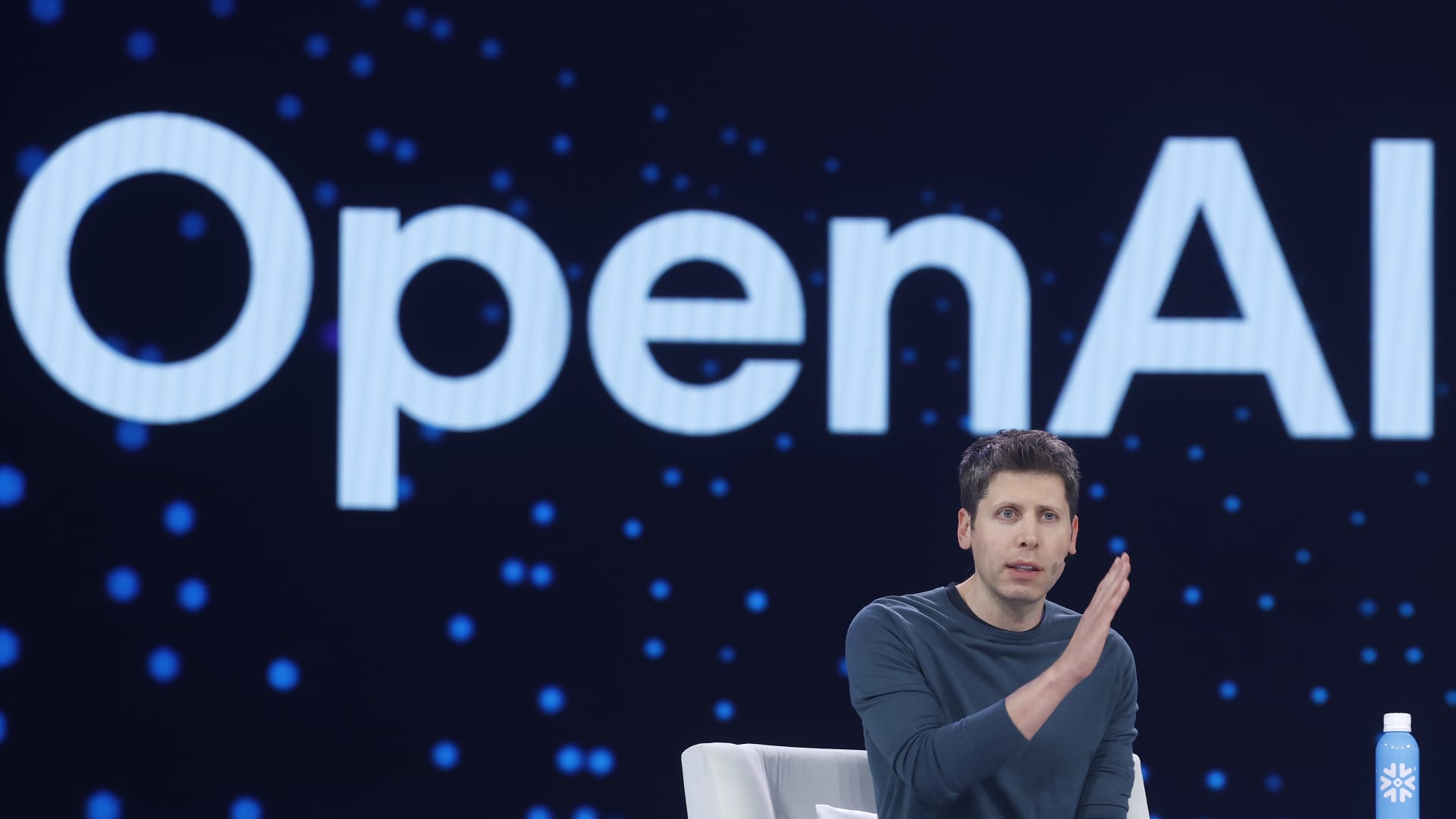
In June 2023, OpenAI CEO Sam Altman visited New Delhi to address entrepreneurs and investors. Asked whether three Indian engineers with $10 million could build something comparable to OpenAI, his response was blunt: it was “totally hopeless” for startups with limited resources to compete with established players in developing foundation models. Nineteen months later, the Chinese startup DeepSeek demonstrated that a leading model could be trained at a fraction of the cost that many in Silicon Valley had considered essential.
Obviously, Altman was wrong in universalizing Silicon Valley’s cost structure. But his broader point still holds: building an independent digital industry is extraordinarily difficult.
This asymmetry remains a defining feature of the global tech landscape. Among the world’s major economies, only two — China and Russia — have managed to build digital ecosystems that are significantly insulated from US platforms. Other economies, such as India and Brazil, have deep pools of talent, abundant capital and large markets, but nothing approaching the same degree of technological autonomy.
The gap reflects the economics of digital markets, where serving one additional user of a search engine, a social network or a large language model costs almost nothing. Reinforced by network effects, near-zero marginal costs tend to produce natural monopolies as first movers accumulate users, data, distribution and engineering talent faster than competitors can catch up. As returns compound, the gap widens.