Pitcairn Register details lives of ‘extraordinarily resilient’ Tahitian women enslaved during notorious mutiny
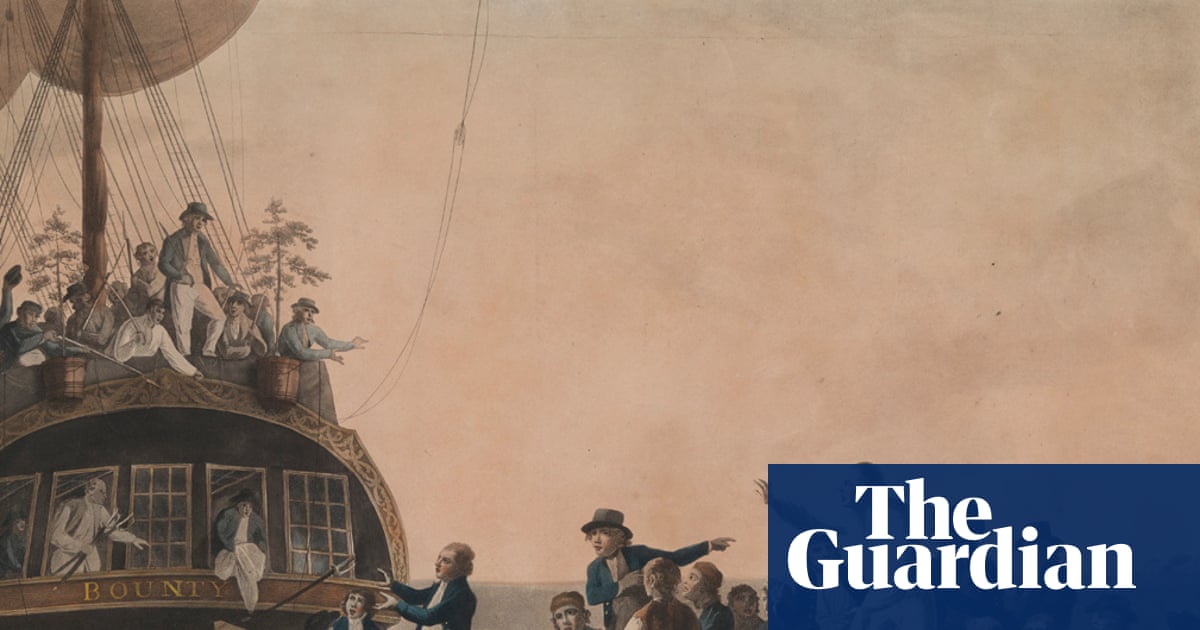
It is a book that records the 19th-century descendants of some of the most notorious troublemakers in naval history: the sailors responsible for the mutiny on the Bounty.
Now, the Pitcairn Register – a handwritten volume that registered the births, marriages and deaths of the children, grandchildren and great-grandchildren of the mutineers and the Tahitian women they enslaved – is finally returning home to the South Pacific.
After seizing control of HMS Bounty in 1789 and kidnapping some Polynesian women from Tahiti, nine of the mutineers arrived on the uninhabited Pitcairn Island in 1790 and decided to hide there from the Royal Navy. They brought along 12 Polynesian women, a 10-month-old Polynesian girl and six Polynesian men, who they forced into slavery.
When the sailor George Hunn Nobbs visited the island nearly 40 years later, he found the offspring of the mutineers had formed a devout Christian community. n English shipwright, John Buffett, had joined them and was recording all their births, marriages and deaths in the register. Nobbs later took on the task himself.