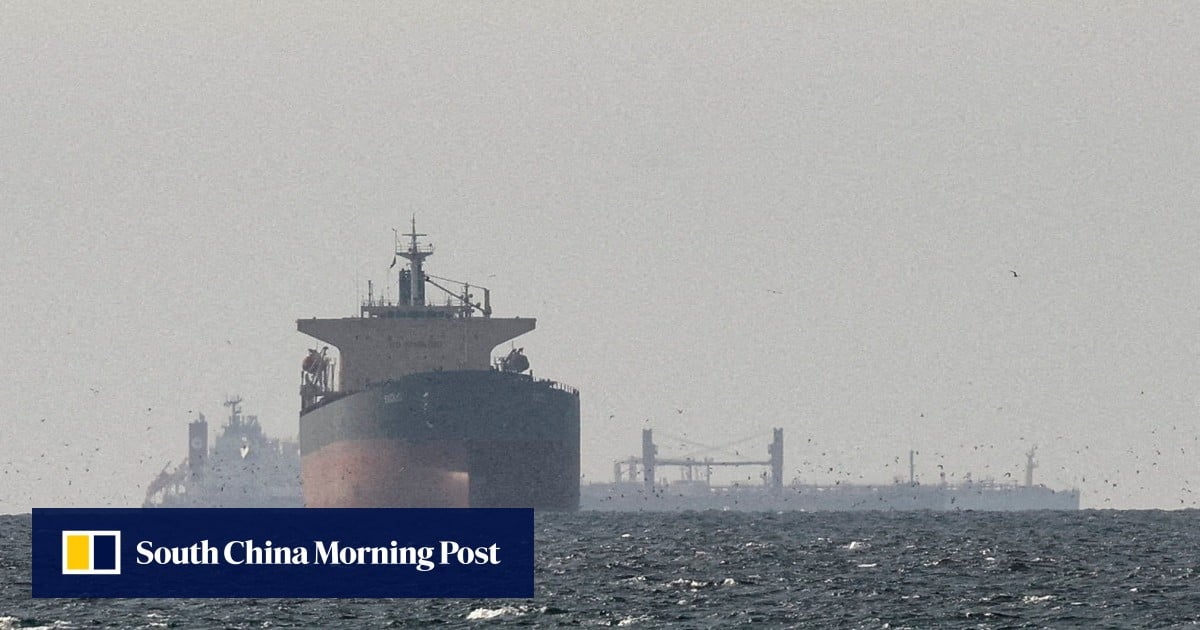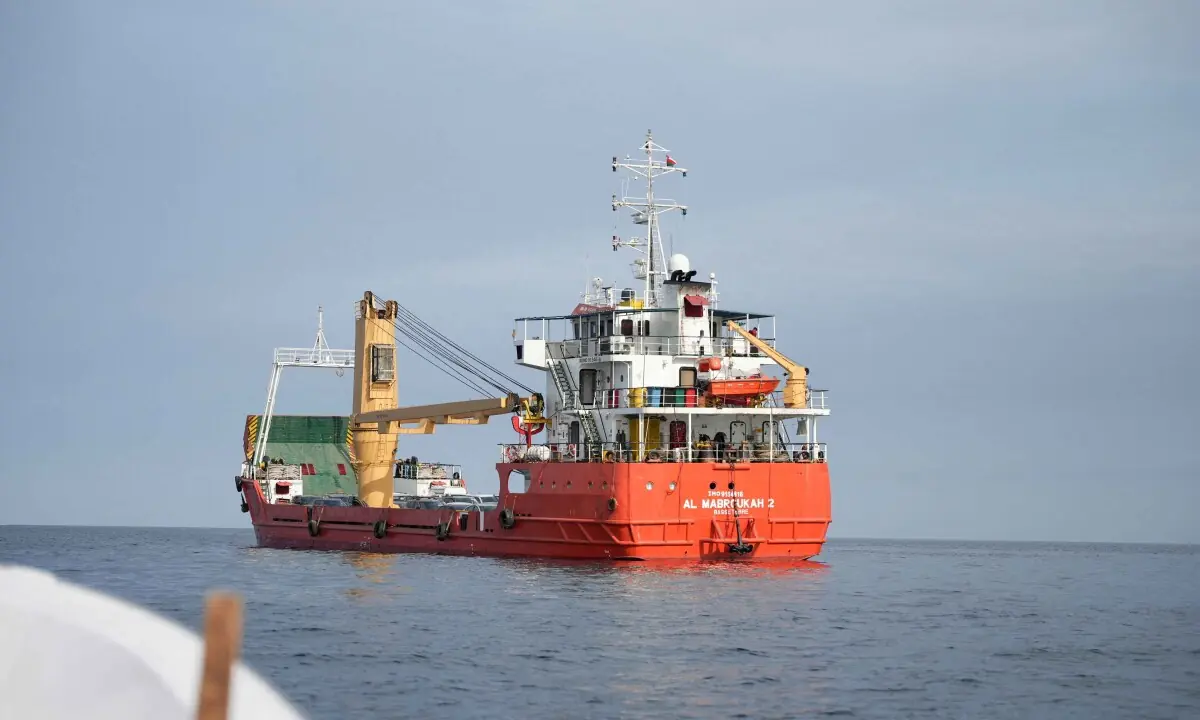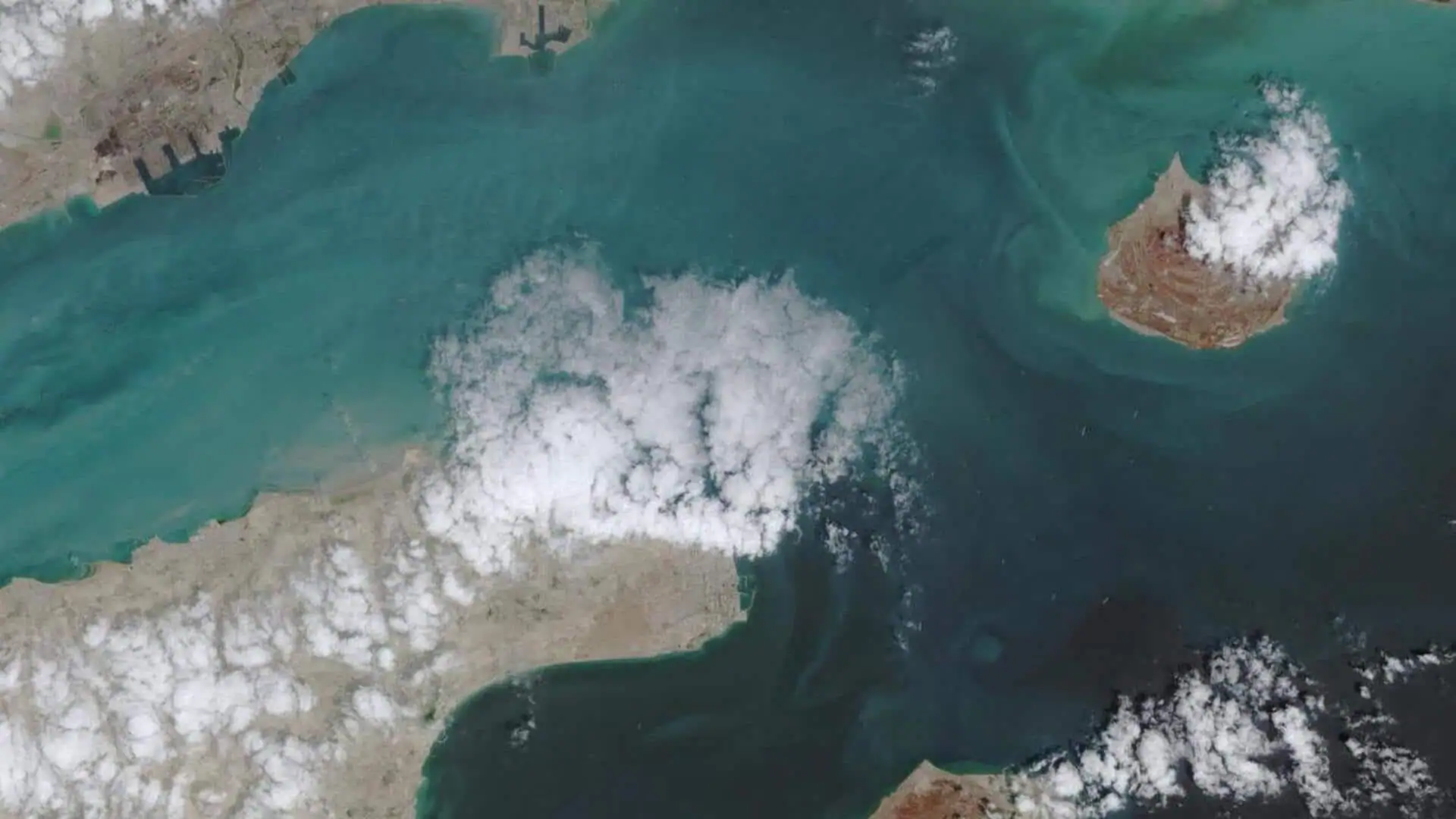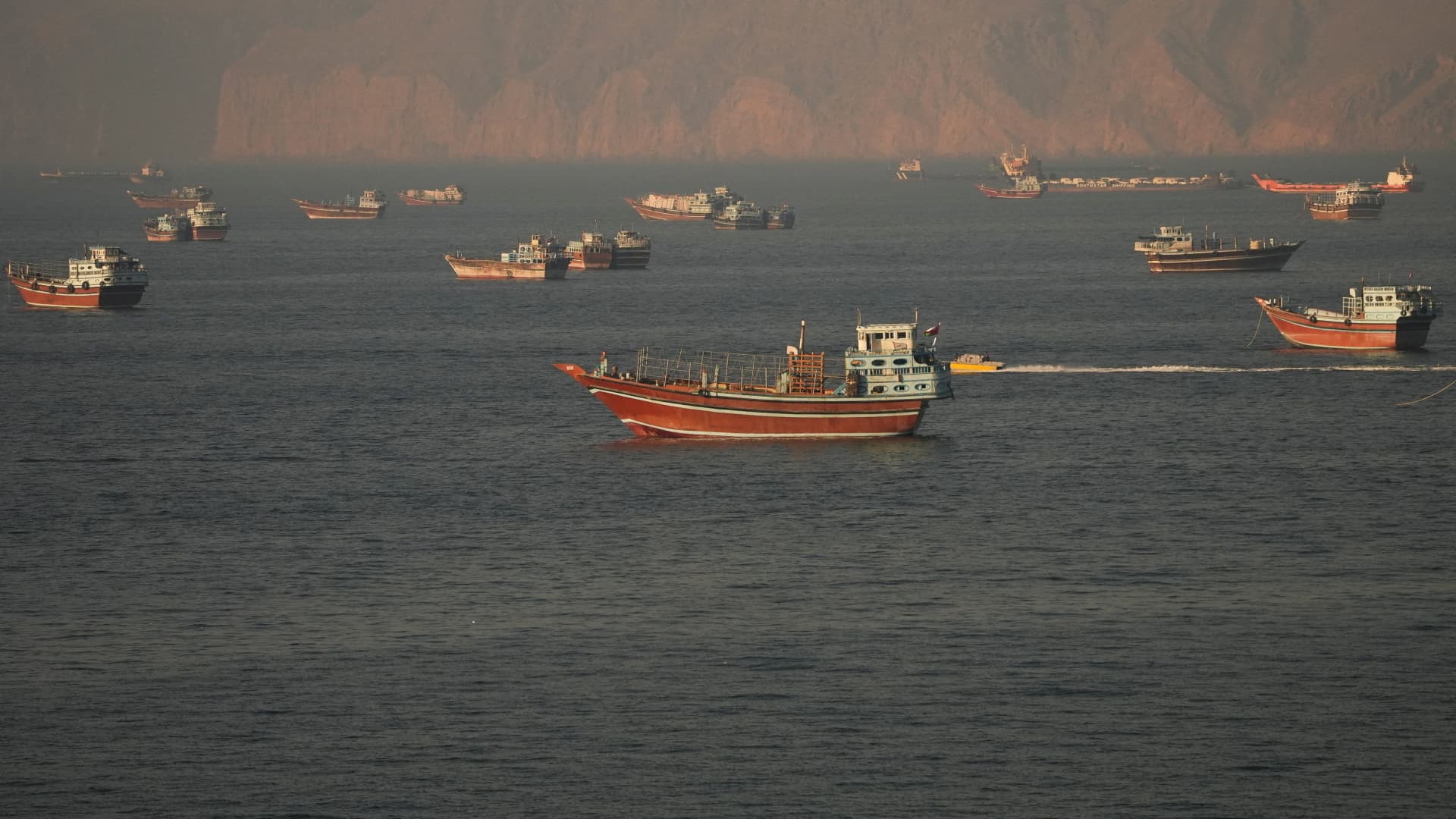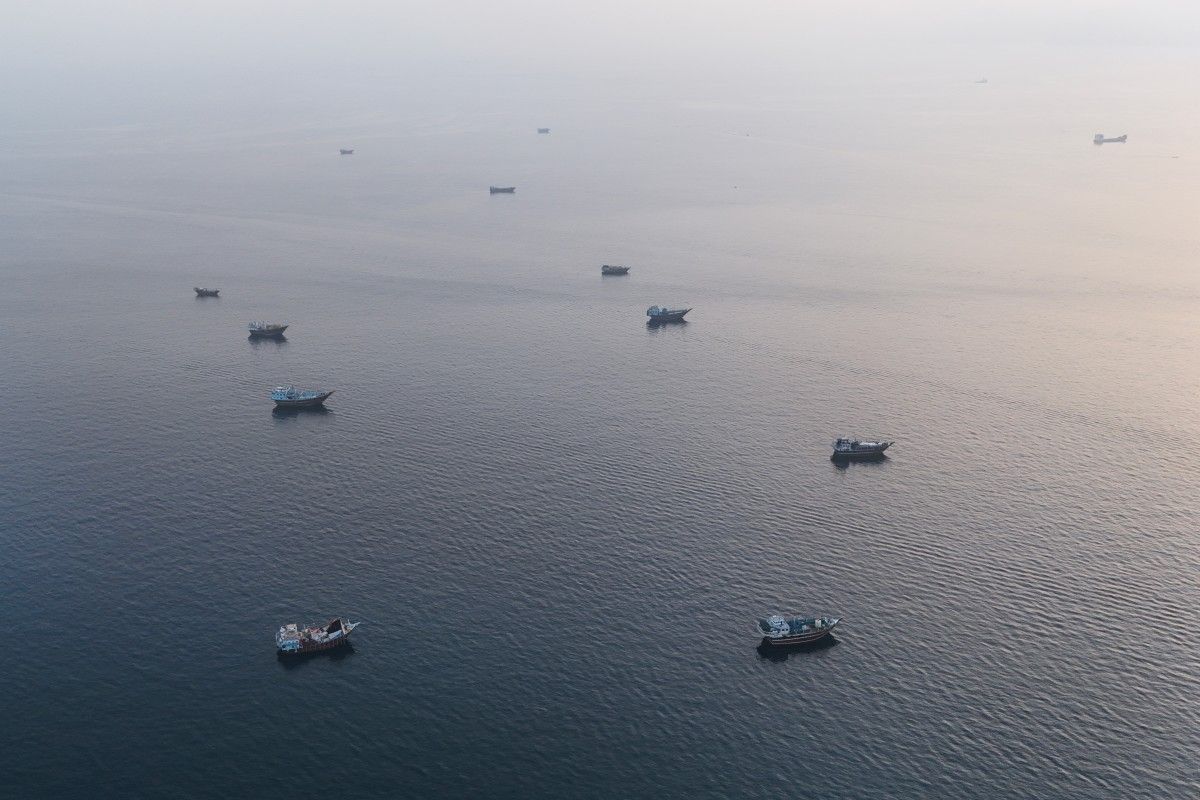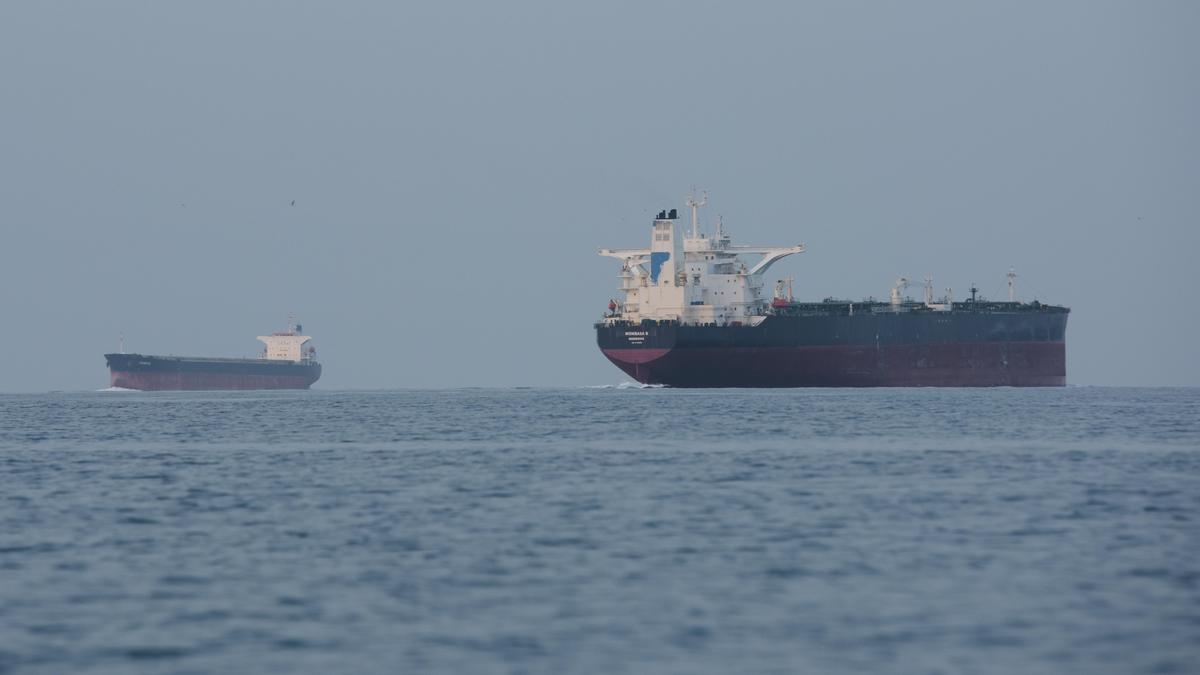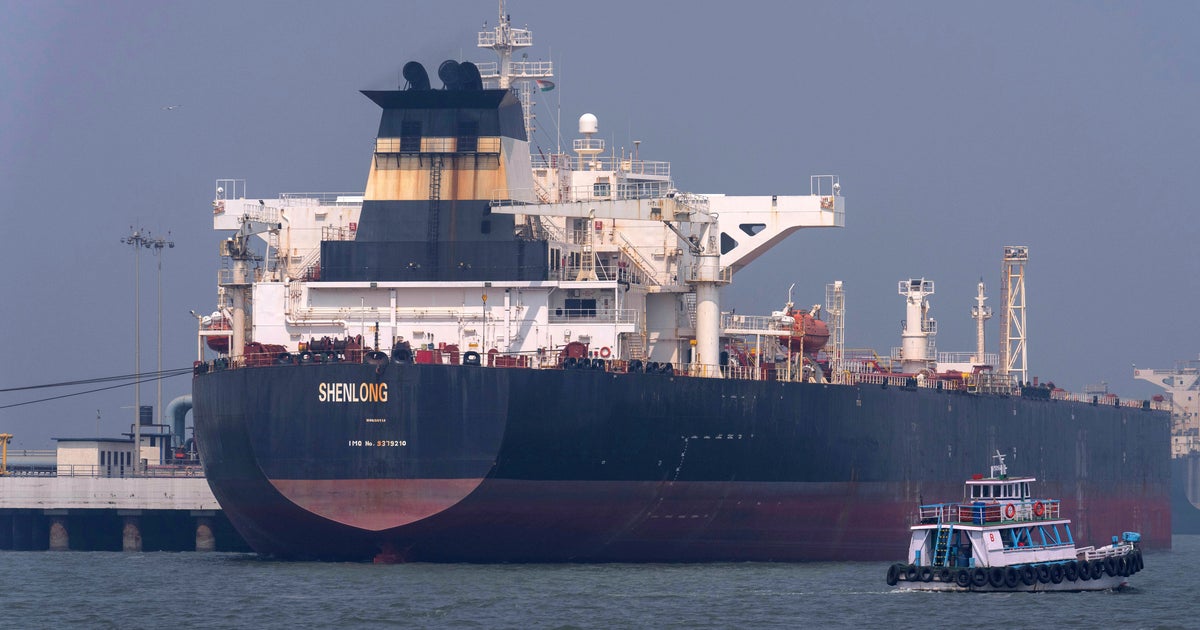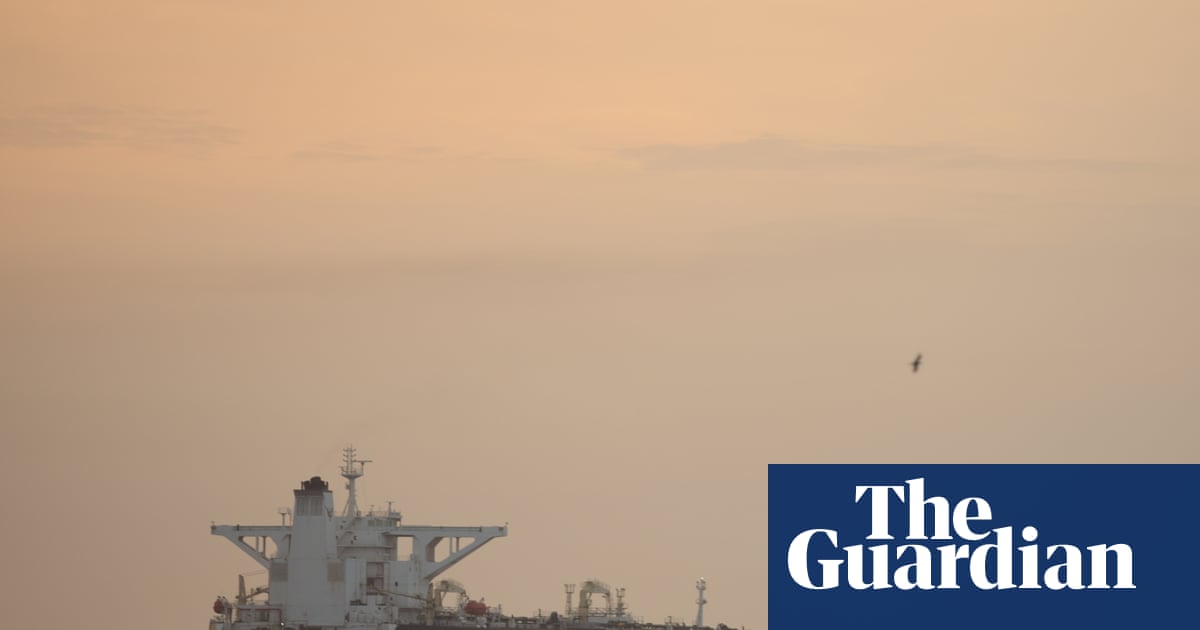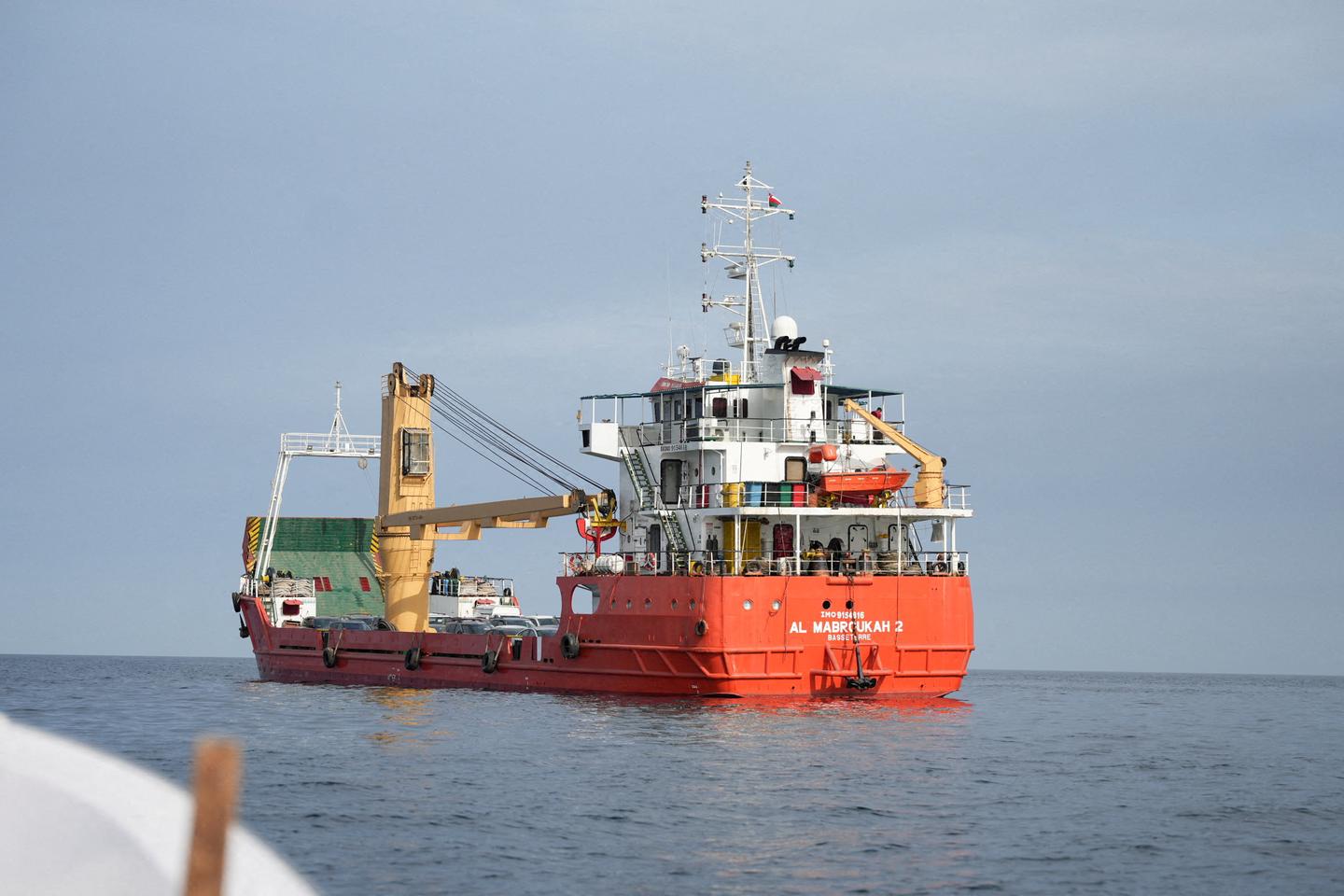
A vessel at the Strait of Hormuz, off the coast of Oman’s Musandam province, April 12, 2026. STRINGER / REUTERS
Iran swiftly reversed course on reopening the Strait of Hormuz, reimposing restrictions on the critical waterway on Saturday, April 18, after the United States said it would not end its blockade of Iran-linked shipping.
Iran's joint military command said on Saturday that "control of the Strait of Hormuz has returned to its previous state (...) under strict management and control of the armed forces." It warned that it would continue to block transit through the strait as long as the US blockade of Iranian ports remained in effect.
The announcement came the morning after US President Donald Trump said that even after Iran announced the strait's reopening on Friday, the American blockade "will remain in full force" until Tehran reaches a deal with the US, including on its nuclear program.
The conflict over the chokepoint threatened to deepen the energy crisis roiling the global economy after oil prices began to fall again on Friday on hopes the US and Iran were drawing closer to an agreement. Roughly one-fifth of the world's oil passes through the strait and further limits would squeeze already constrained supply, driving prices higher once again.