The prime minister’s explanation has shifted between being misled and admitting error, raising questions about vetting, accountability and what he knew
I
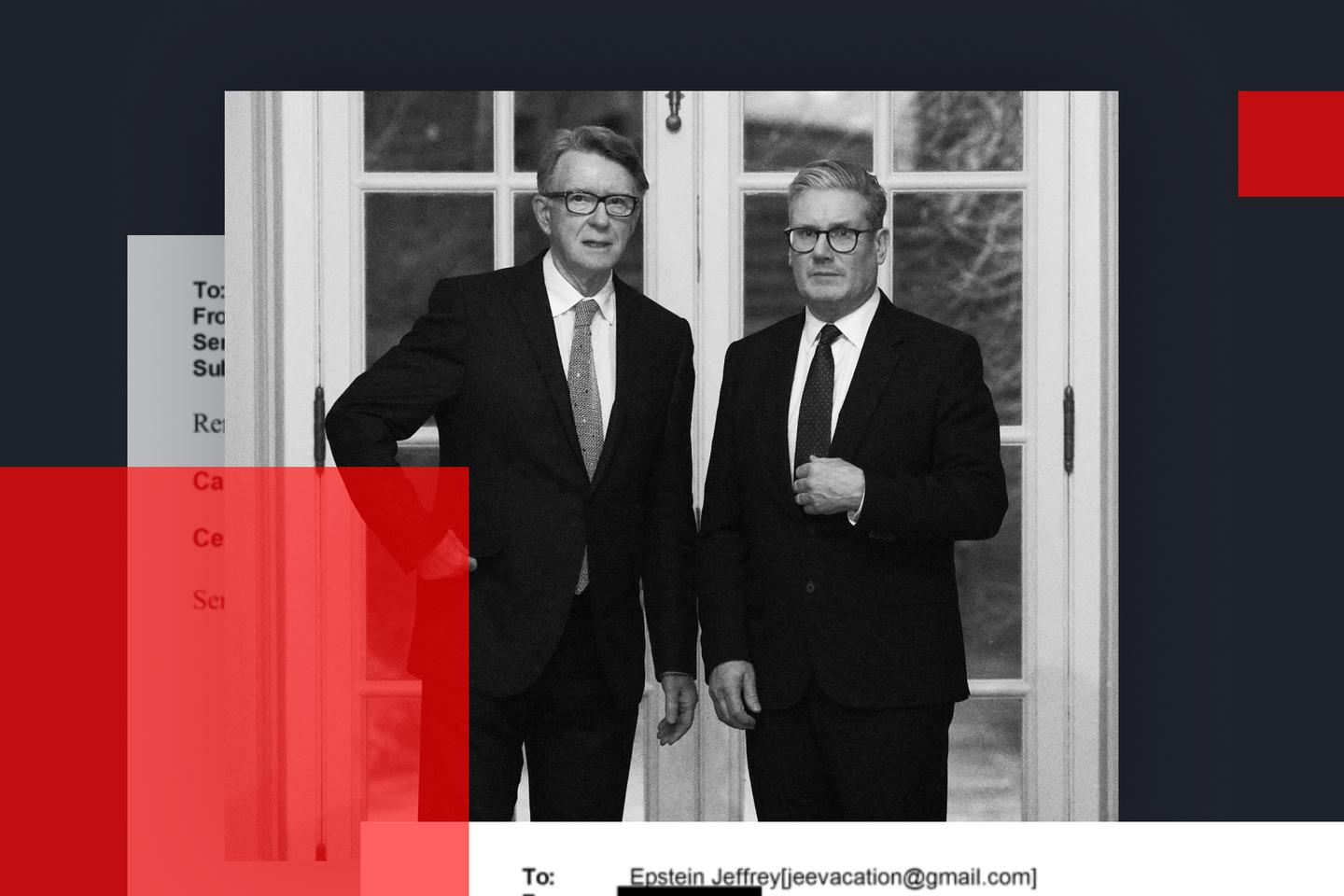
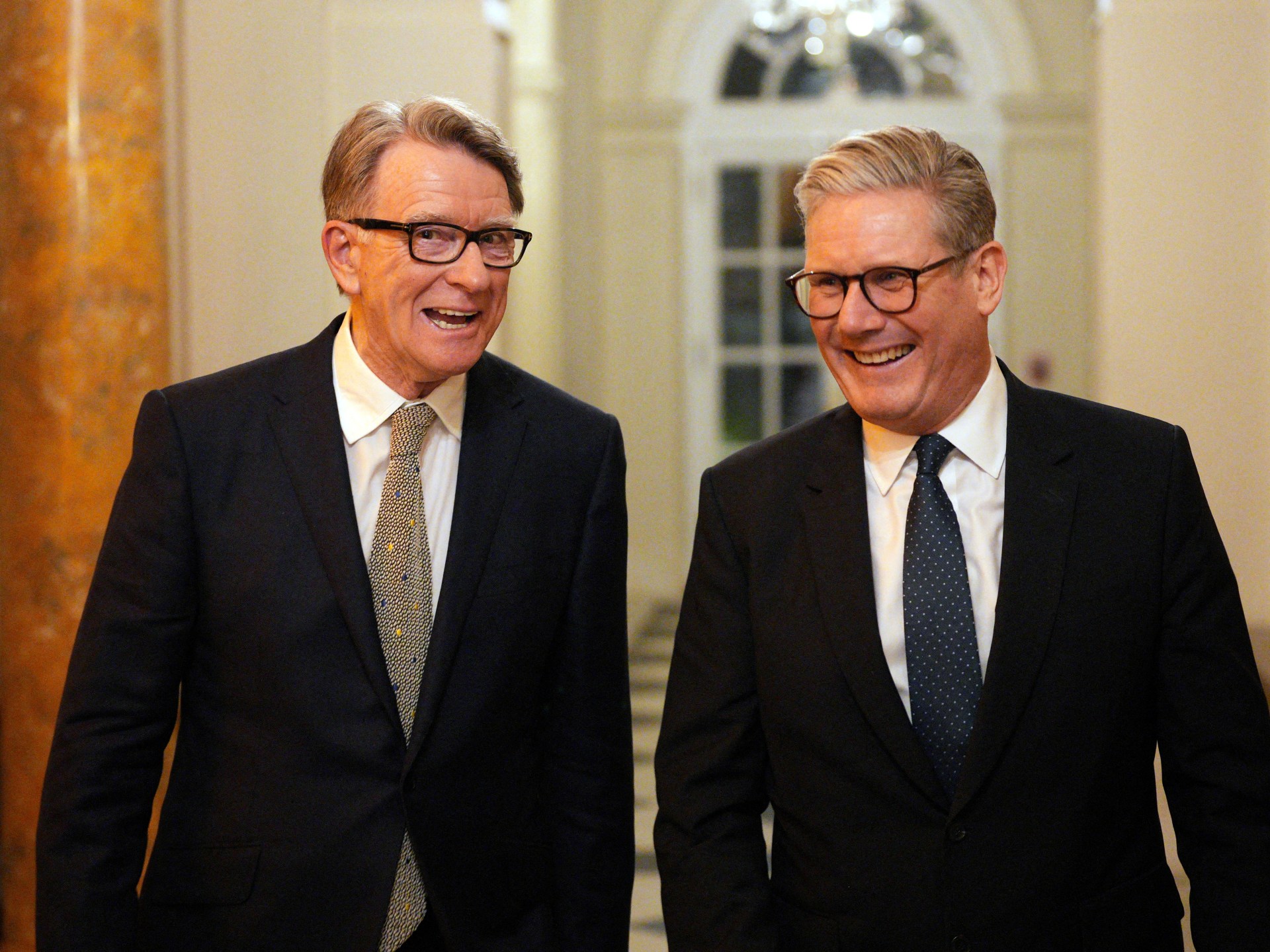
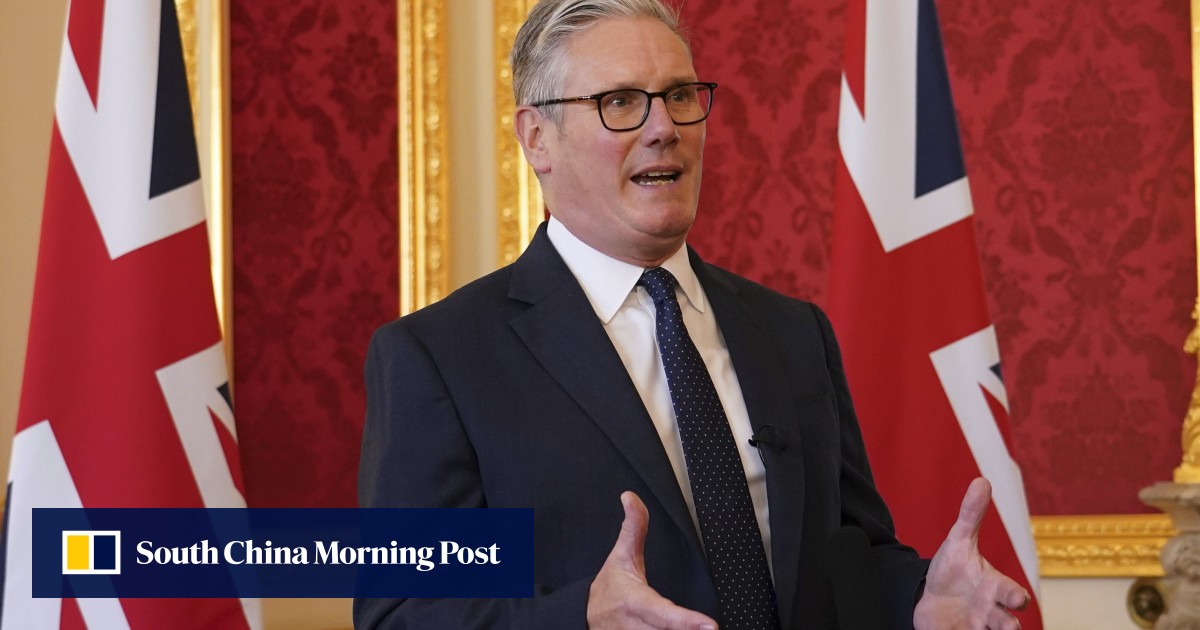
n February, the prime minister apologised to victims of the late sex offender Jeffrey Epstein, saying he had “believed (Peter) Mandelson’s lies” before making him Britain’s ambassador to the US. By March, that account had shifted. Faced with evidence that he was warned the appointment posed a “reputational risk”, but gave the peer the job anyway, Sir Keir Starmer accepted on a trip to Belfast that he “made a mistake”.
On Thursday responsibility appears to have moved again – this time on to officials. Sir Olly Robbins, the top civil servant in the Foreign Office, was forced out after the Guardian reported that Lord Mandelson had been denied security clearance for the role. No 10 said it was not told. These are not complementary explanations. They are competing ones. Either Sir Keir was misled, ignored warnings, or was failed by the system.
The government’s account of the vetting process is in doubt. Ministers say warnings were overridden. But experts say that’s not how it works. Ministers hear the outcome, not the underlying intelligence – making scrutiny difficult once a decision is set, and increasing the risk that conclusions align with it, as in Mandelson’s case. Hence, blaming Sir Olly for failing to share the intelligence looks like justification after the fact. The risks attached to giving Lord Mandelson such a sensitive job were not only in classified files; they were also in the public domain or available to Sir Keir.