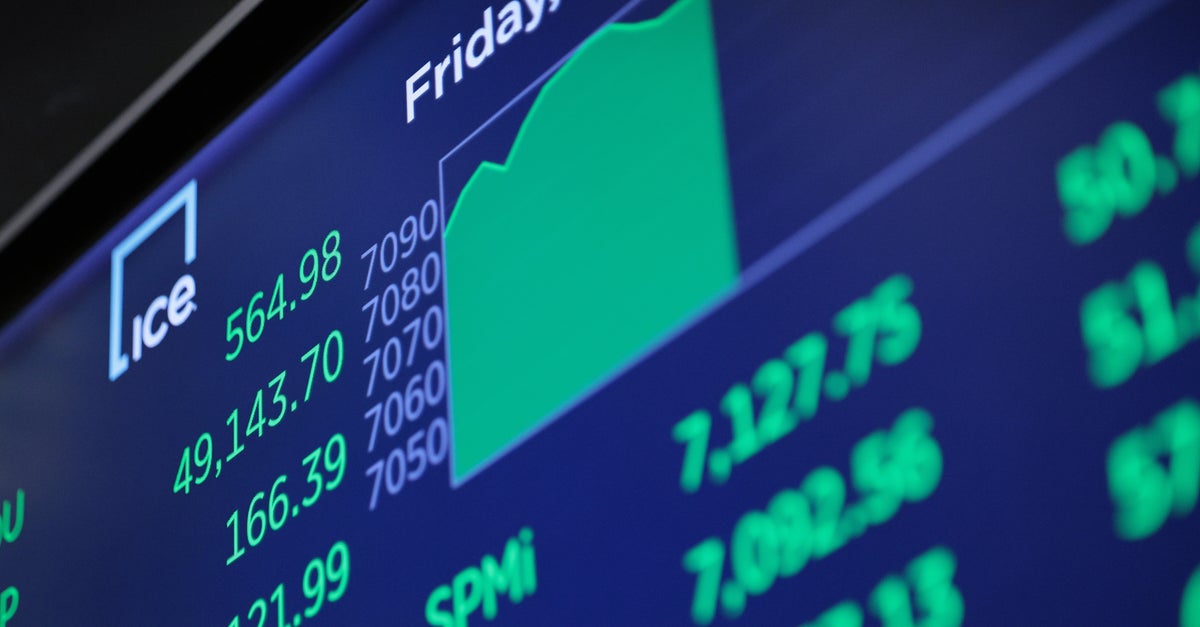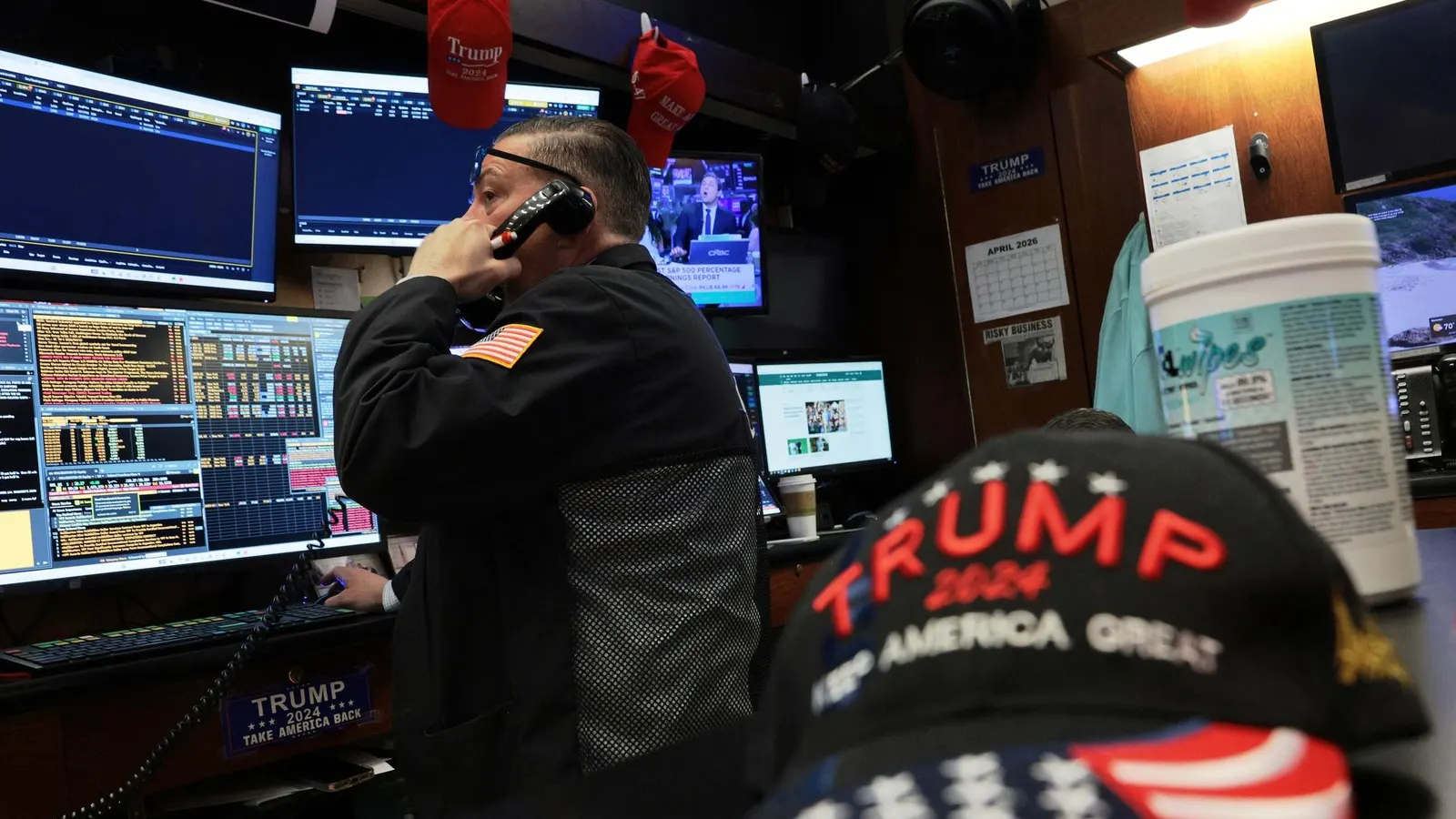
ToplineEach major market index rose again on Friday, adding to what analysts said is the fastest turnaround in decades, as oil prices plummeted after Iran announced the Strait of Hormuz would be reopened to commercial shipping, boosting airline stocks. Further optimism came as Iran said it would reopen the Strait of Hormuz. Getty ImagesKey FactsThe Dow Jones Industrial Average jumped about 1,000 points, or 2.1%, shortly after trading opened Friday, with further gains from the S&P 500 and Nasdaq, which rose 1.3% and 1.6%, respectively.The Nasdaq could end Friday with its 13th consecutive trading session in positive territory, its longest such streak since 2009. Brent Crude, the international oil benchmark, plunged by more than 10% to around $89, its lowest level since March 11, after Iranian Foreign Minister Abbas Aragchi said passage for all commercial vessels through the Strait of Hormuz is declared “completely open” for the remainder of a ceasefire with the U.S.Boeing headlined gains across the 30-stock Dow, rising 3.6%, with further increases from Salesforce (3%), Sherwin-Williams (2.6%), American Express (2.5%) and Home Depot (2.2%), while the tech-heavy Nasdaq was boosted by Strategy (8.6%), Palantir (2.2%), Tesla (2%), Apple (1.8%), Amazon (1.5%) and Nvidia (1.3%).United Airlines rose 10% as fellow airline firms American Airlines (8.1%), Southwest Airlines (9.8%) and Alaska Air Group (12.5%) similarly surged, while cruise ship stocks Royal Caribbean (9.1%), Norwegian Cruise Lines (9.9%) and Carnival (9%) soared.The S&p 500’s Comeback From Near CorrectionIt took just 11 trading sessions for the S&P 500 to recover from trading down 9%, the fastest among all 9% turnarounds since at least 1990, Barclays analyst Venu Krishna wrote Friday. The index’s path from an all-time high to its lowest point and then to a new record earlier this week spanned 54 sessions, marking the fastest comeback since 2020, Krishna said. The comeback was largely fueled by semiconductor and media stocks, which accounted for more than 45% of the S&P 500’s recovery, according to Barclays data.Key BackgroundMarkets have returned to their recent highs after President Donald Trump announced a ceasefire with Iran earlier this month. Analysts and brokerages warned about the possible economic impacts of the Iran war, with some pointing to the rising possibility of a recession, while others said it may be too soon to know how the conflict would affect the economy. Inflation jumped nearly a full percentage point in March as oil prices increased fuel prices across the U.S., adding to rising electricity costs. Investor optimism was short-lived after the ceasefire announcement, however, as some economists said the deal wasn’t an “all-clear” signal for traders. Concerns about the fragility of the ceasefire spread as Iranian officials accused the U.S. of violating the deal, but further announcements strengthening the ceasefire, including Israel’s ceasefire with Lebanon, appeared to ease worries. Further ReadingForbesIran Reopens Strait Of Hormuz—But Trump Says U.S. Naval Blockade StaysBy Sara Dorn
Stocks Rally In Fastest Comeback In Decades—These Are The Biggest Winners As Hormuz Reopens
Further optimism came as Iran said it would reopen the Strait of Hormuz.
475 words~2 min read