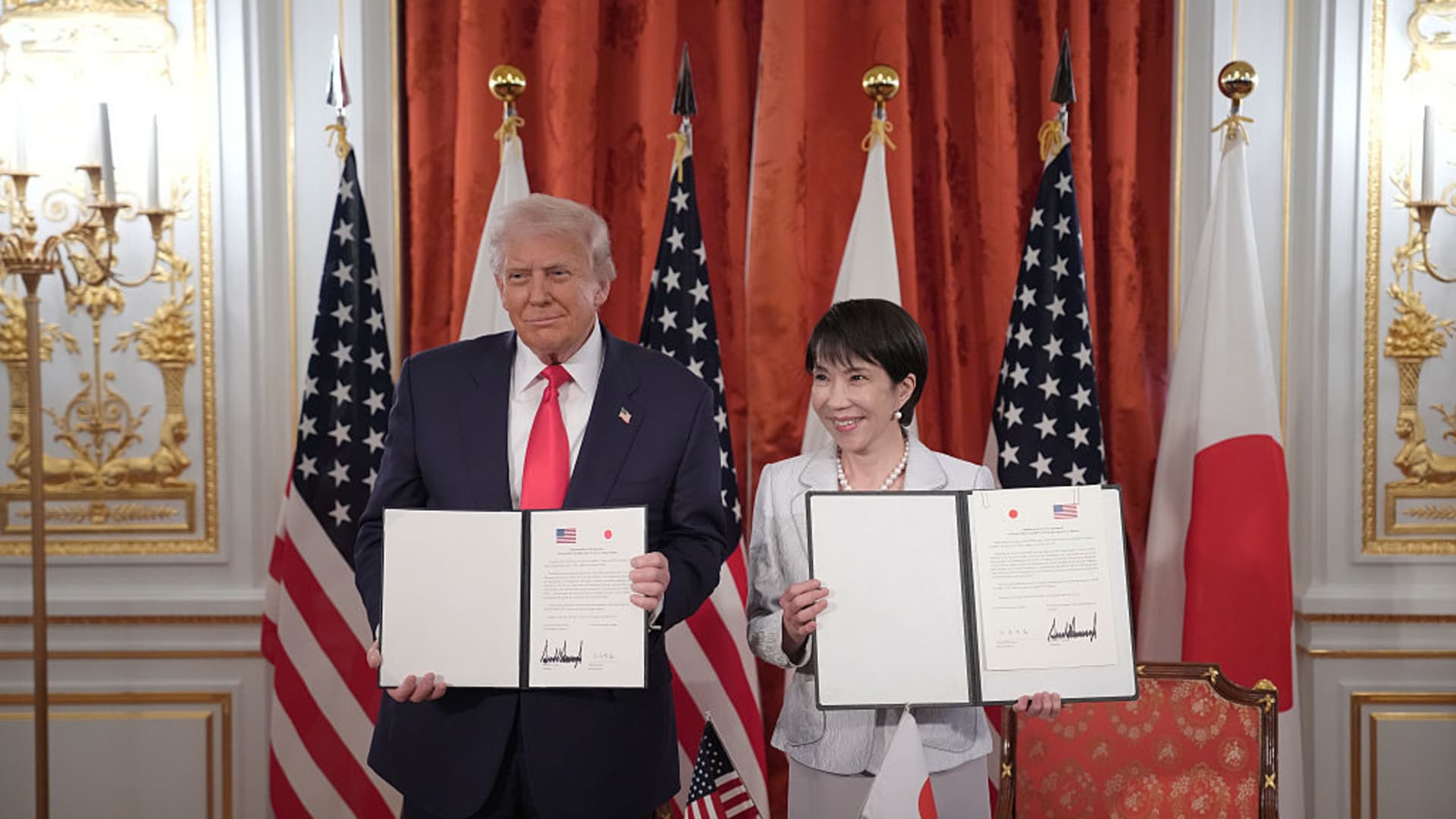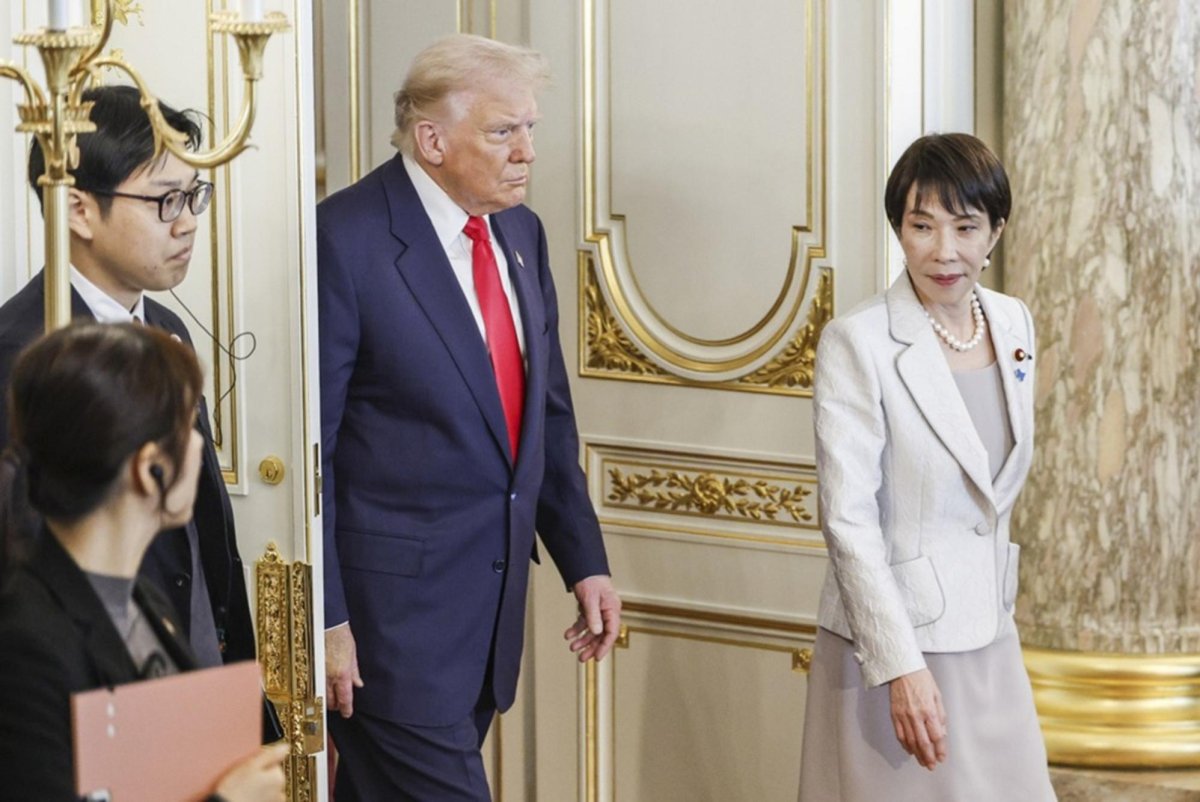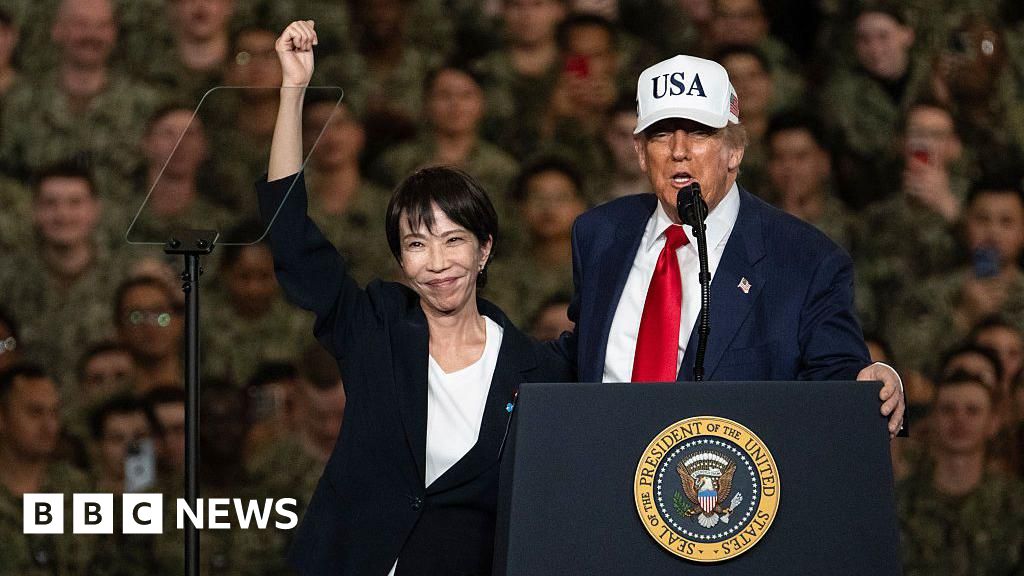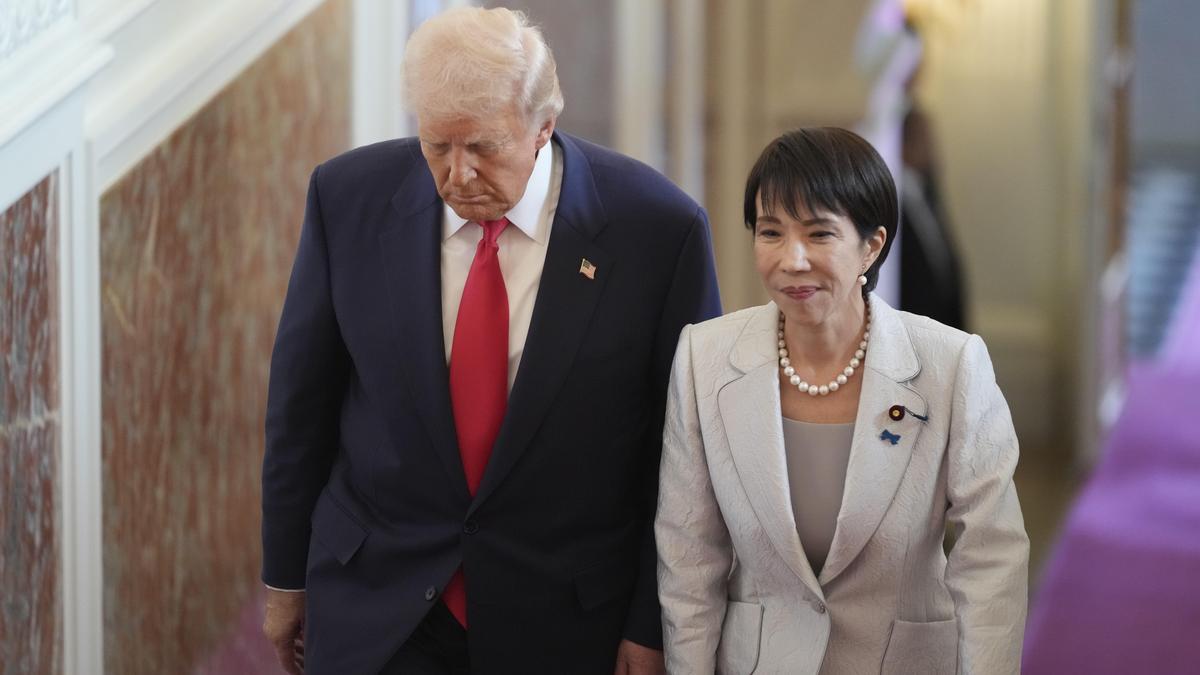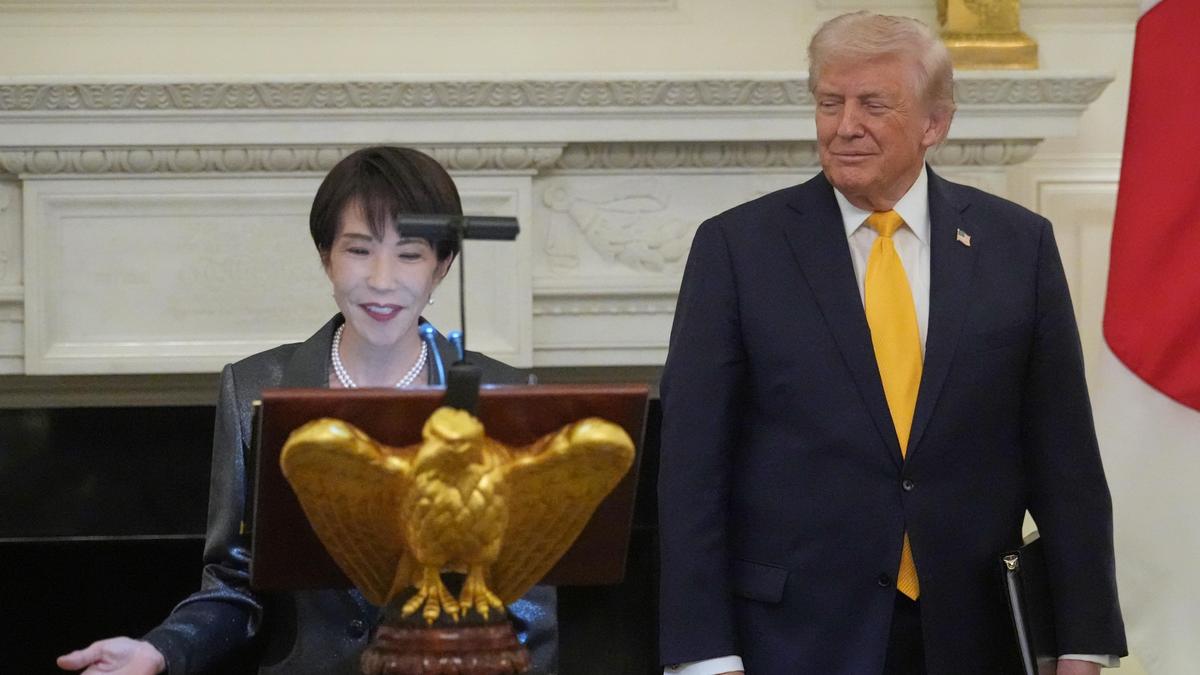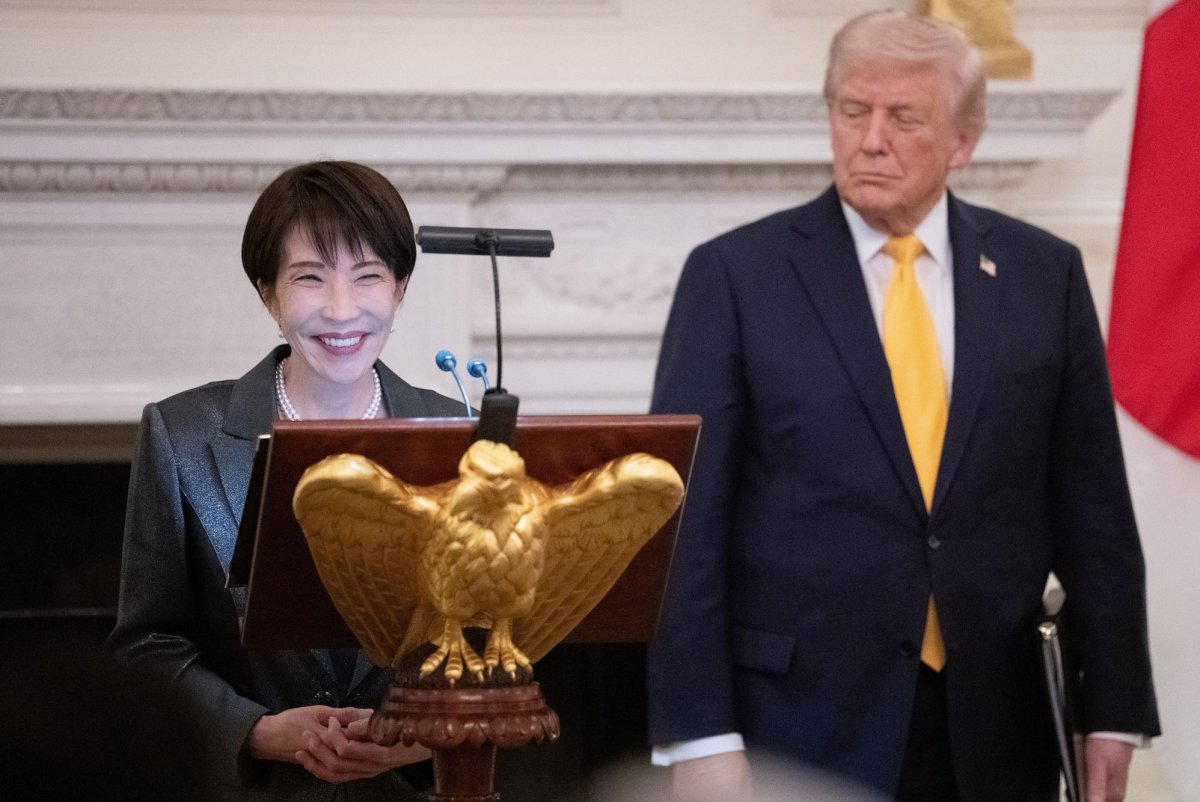
April 17 (UPI) -- The second Takaichi-Trump summit in Washington represented a shift away from the era of sweeping rhetoric and grand communiqués toward a more pragmatic "functionalism under pressure". Rather than focusing on stylistic flourishes, the meeting produced a bundle of concrete deliverables designed to anchor the U.S.-Japan alliance in industrial capacity, energy security, and critical minerals at a time when global supply chains are under intense strain.
The Hormuz crisis: setting the diplomatic floor
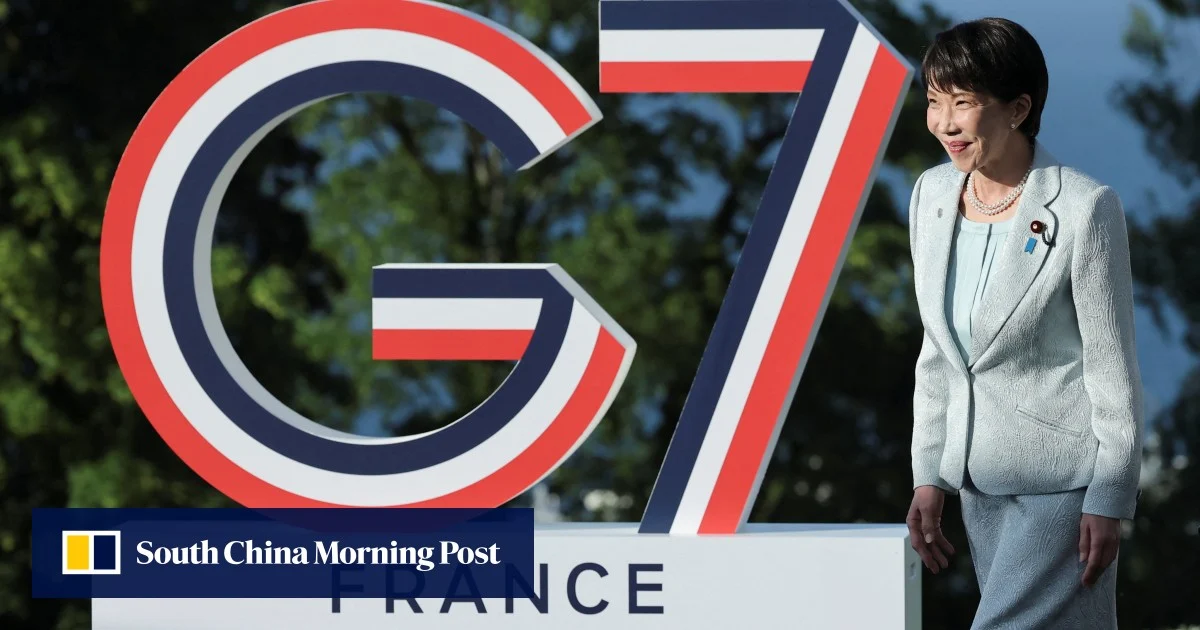
The summit took place against the backdrop of an escalating crisis in the Middle East. On March 19, 2026, just prior to the Washington meeting, Japan joined the United Kingdom, France, Germany, Italy, and the Netherlands in a joint statement condemning Iranian attacks on shipping and civilian infrastructure. Led by Britain, this "G7-core" group signaled a readiness to contribute to safe passage in the Strait of Hormuz while backing an International Energy Agency strategic release of oil stockpiles to stabilize markets.
This multilateral move served two purposes: it demonstrated a shared sense of crisis among key allies and provided a foundational layer of coordination before Prime Minister Sanae Takaichi met with President Trump. It also signaled Tokyo's intent to support U.S. calls for cooperation while navigating its own complex domestic constraints.