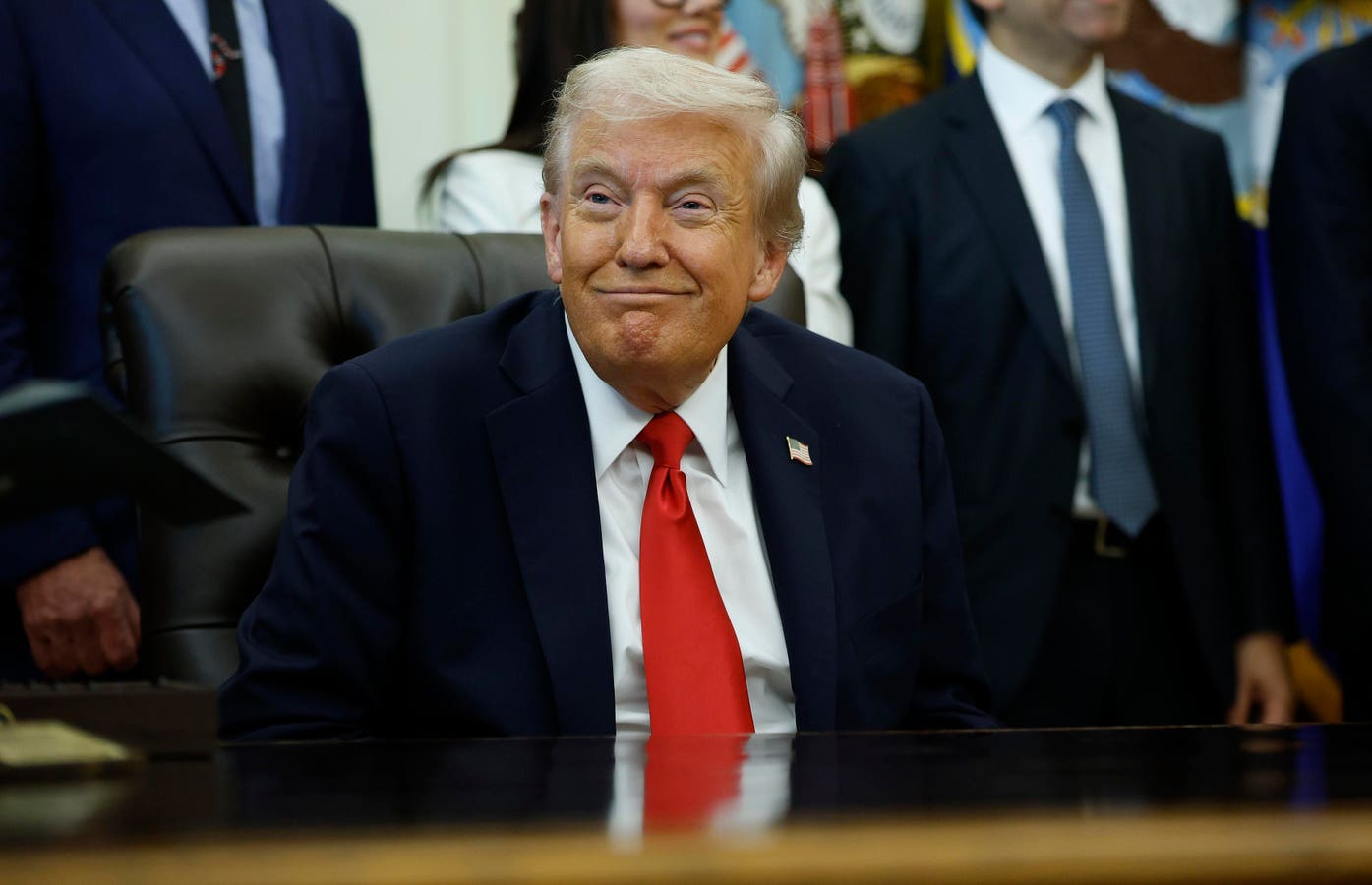
A Trace analysis found that revenue from fining white-collar criminals is drying up – due to presidential pardons
This story was originally published by the Trace, a non-profit newsroom covering gun violence in America. Sign up for its newsletters here.
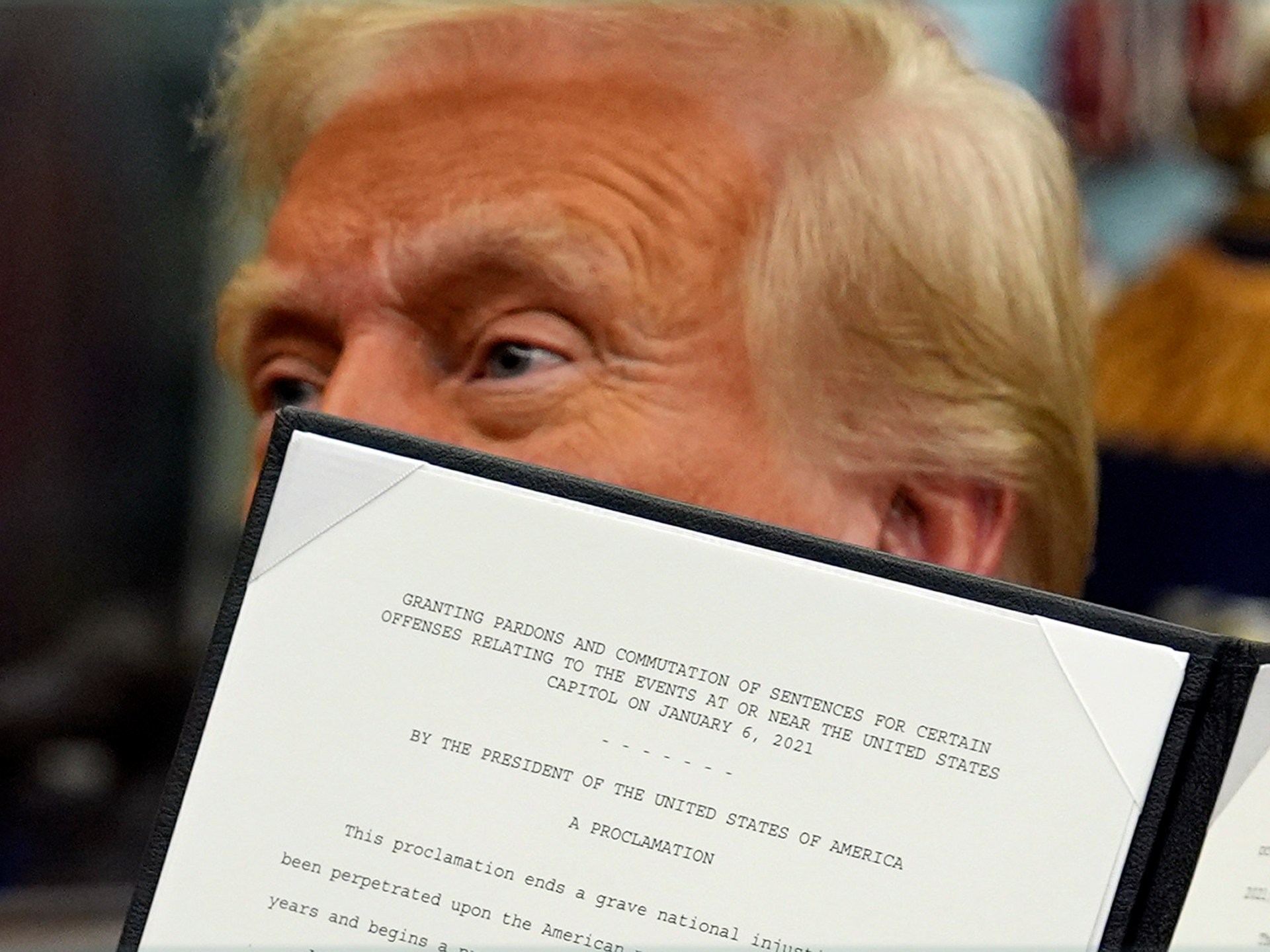
Since his return to office last year, Donald Trump has pardoned dozens of white-collar criminals. He’s also forgiven their fines, penalties and restitution, to the tune of billions. Some of that revenue was supposed to go to a fund to help victims of violent crime – and the organizations that serve them are feeling the pinch.
The Crime Victims Fund, established in 1984 by the Victims of Crime Act, or VOCA, is sustained by criminal fines and penalties from convictions in federal cases, typically white-collar prosecutions. All of that money is required by law to be deposited into the fund. The money is distributed to state and local programs including domestic violence shelters, rape crisis centers and child abuse treatment programs. Gun violence survivors and the families of victims who died rely routinely on VOCA funding to reimburse medical expenses, funeral costs and lost wages.
Slashing corporate fines means less money for the Crime Victims Fund. The Trace analyzed all 117 of Trump’s pardons and commutations issued so far in his second term. We verified through court records whether the defendants’ criminal fines were paid – or whether Trump issued a pardon before the debt could be satisfied. According to our calculations, at least $113m in forgiven fines and penalties would have gone into the fund absent a Trump pardon. This figure does not include restitution, which goes directly to crime victims.