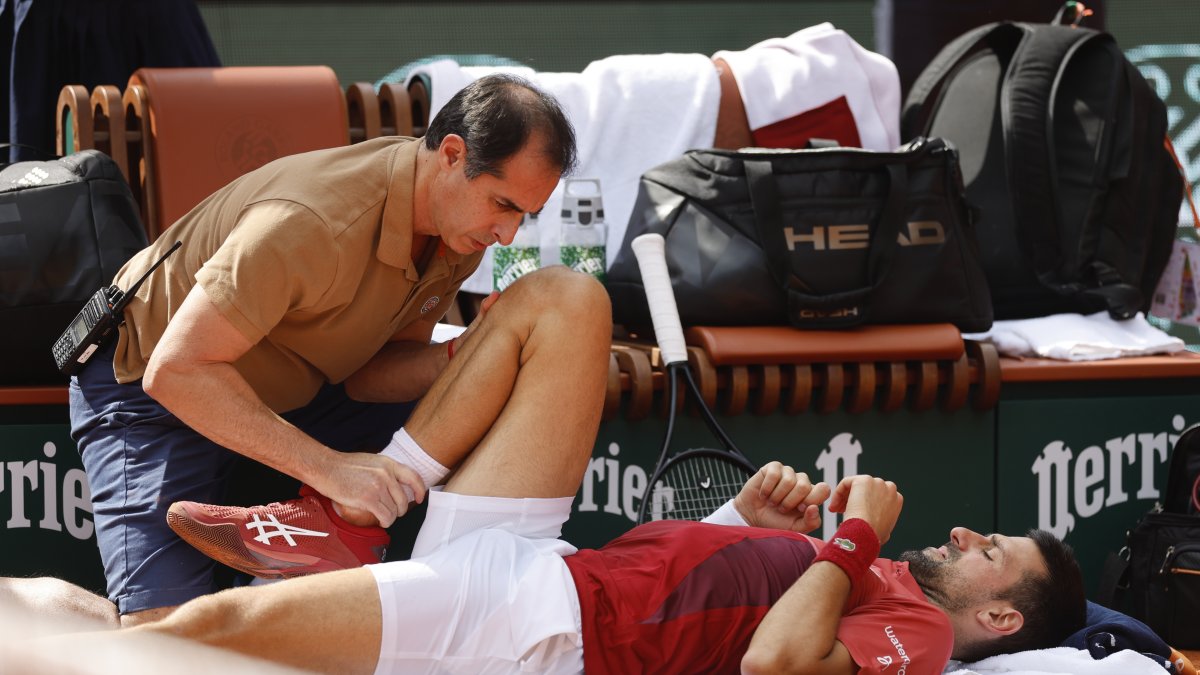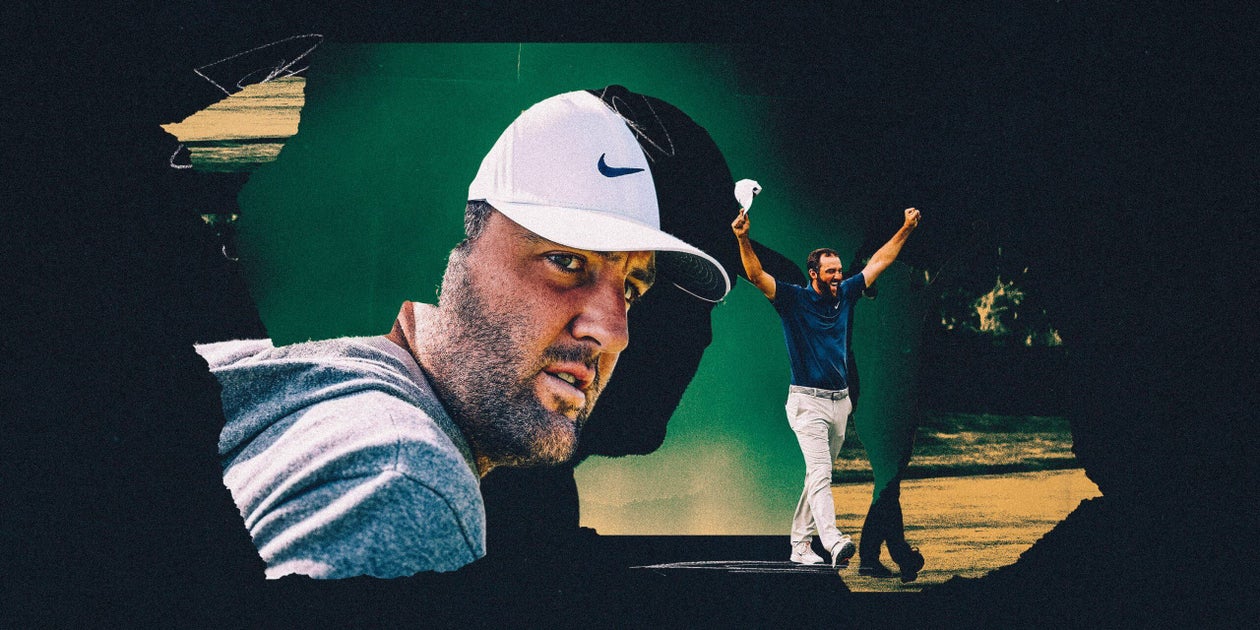
Researchers say mainstream framing of the condition as a characteristic for success can be invalidating for those who are struggling
K
irsty Brown is a keen golfer. “If I could just transport myself straight to the first tee, that would be amazing,” she says. “But getting there on time, remembering all my kit, making sure I’ve eaten before I play – all those aspects are more challenging than competing itself.” Brown, who has attention deficit hyperactivity disorder (ADHD), admits that can be hard to explain to coaches or teammates. “It doesn’t necessarily make sense to them – it doesn’t really make sense to me either.”
A researcher at the University of Birmingham, Brown is studying neurodivergent athletes in sport. And while plenty of well-known sportspeople now talk openly about their ADHD diagnoses, no one truly knows the condition’s impact on participation or performance. “There’s not a huge amount of research yet,” Brown says. “We have some case studies but in terms of data, we’re not there.”
What we do have plenty of are inspirational stories. Take Adam Ramsay-Peaty, who has said ADHD contributes both to his “relentless drive” and more self-destructive impulses. This week the three-time Olympic champion made a sensational return to the pool in the British Swimming Championships, winning the 100m breaststroke with the second-best time in the world this year, and following it up with the 50m title the next day, in his first steps towards the LA Olympics. Extraordinary comebacks are nothing new for the man who stepped away from the sport entirely in 2023 to take a mental health break.