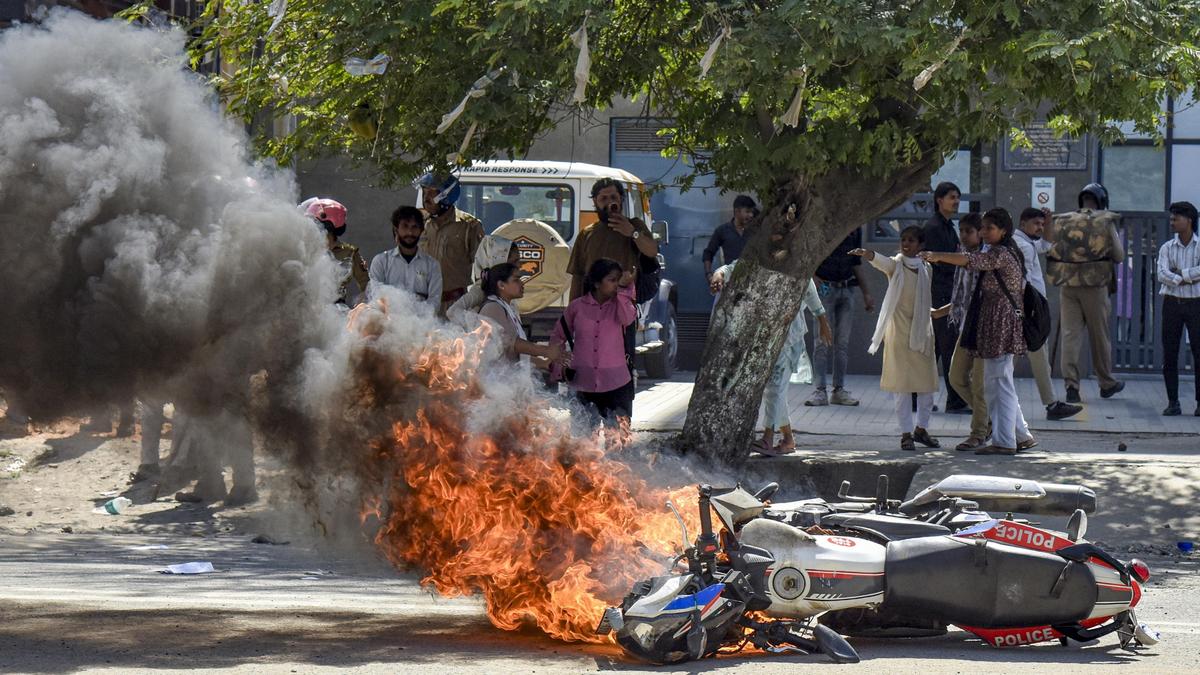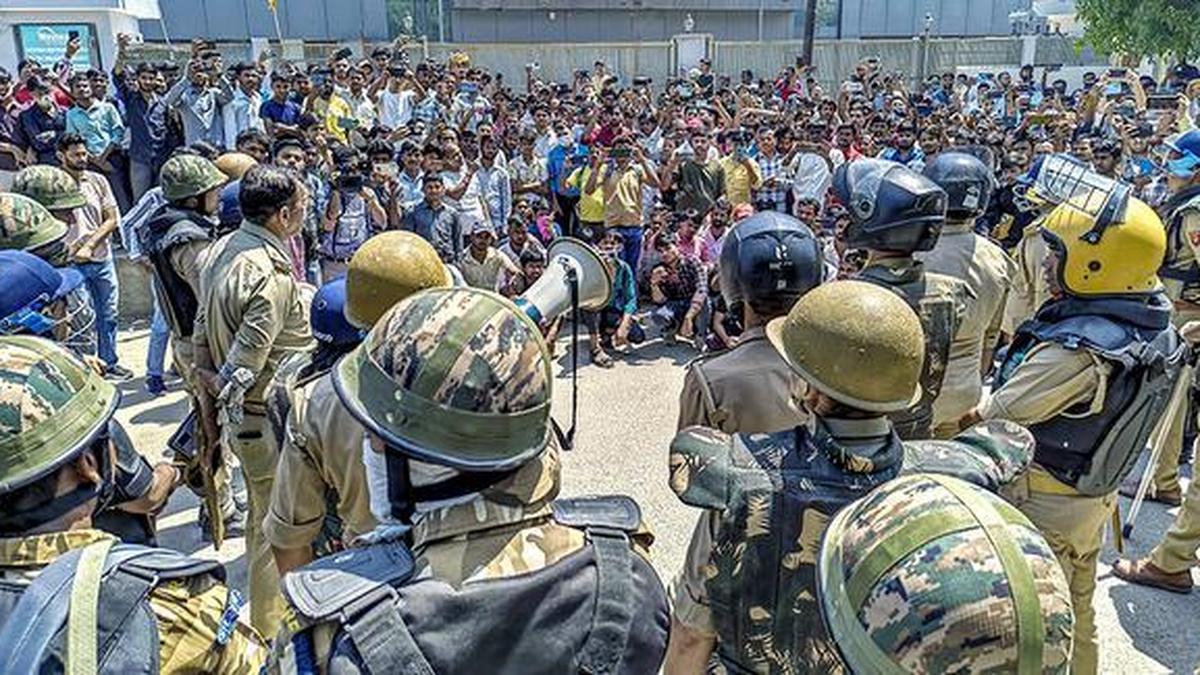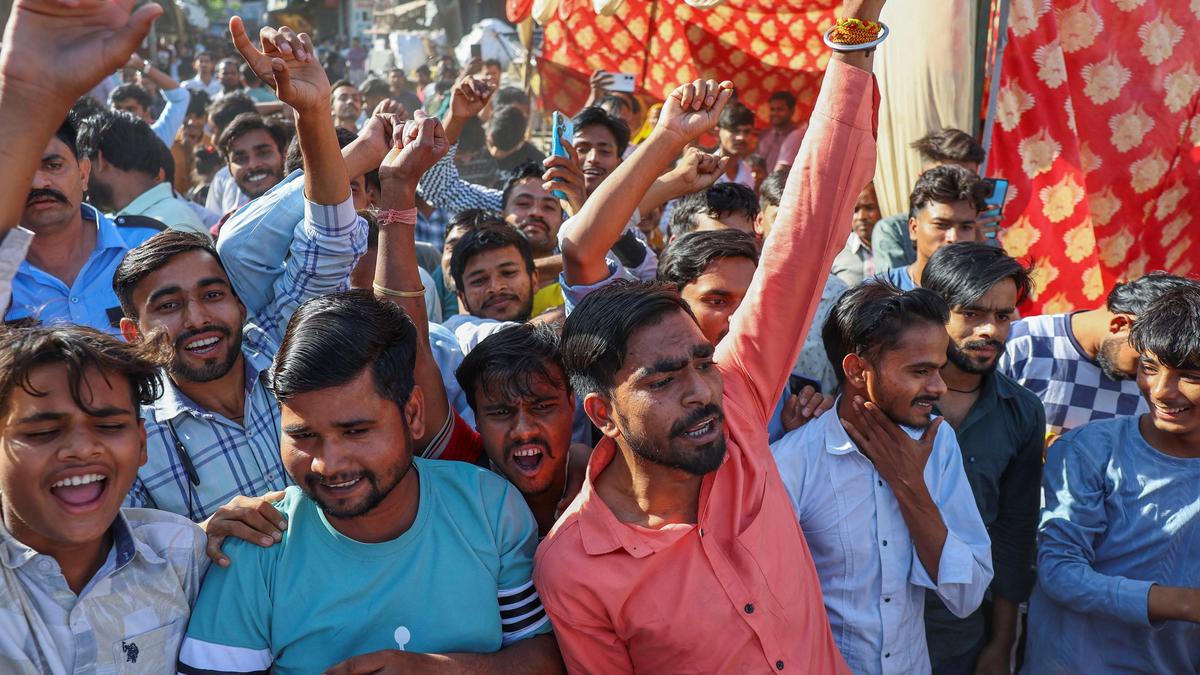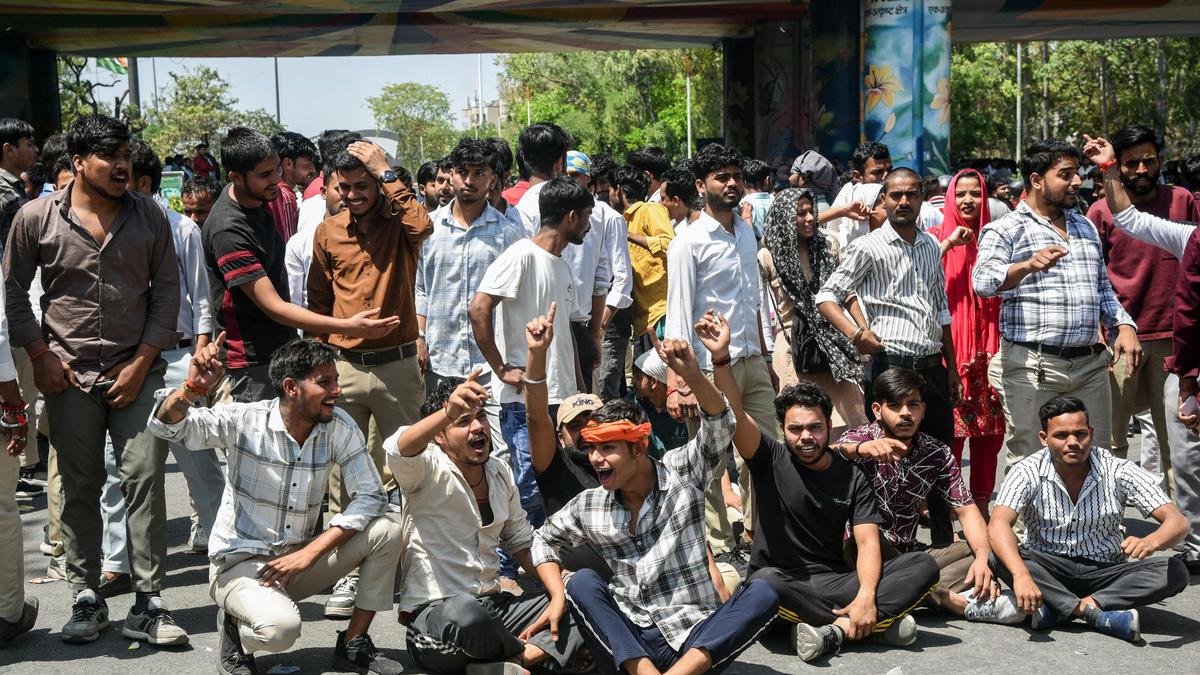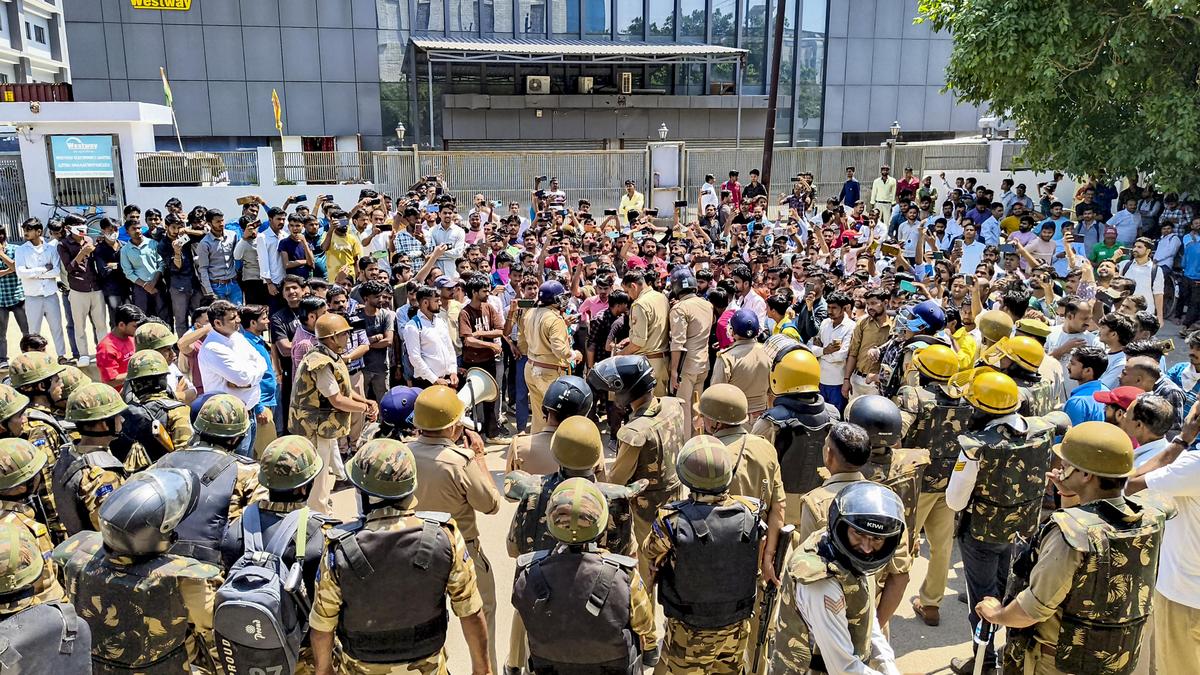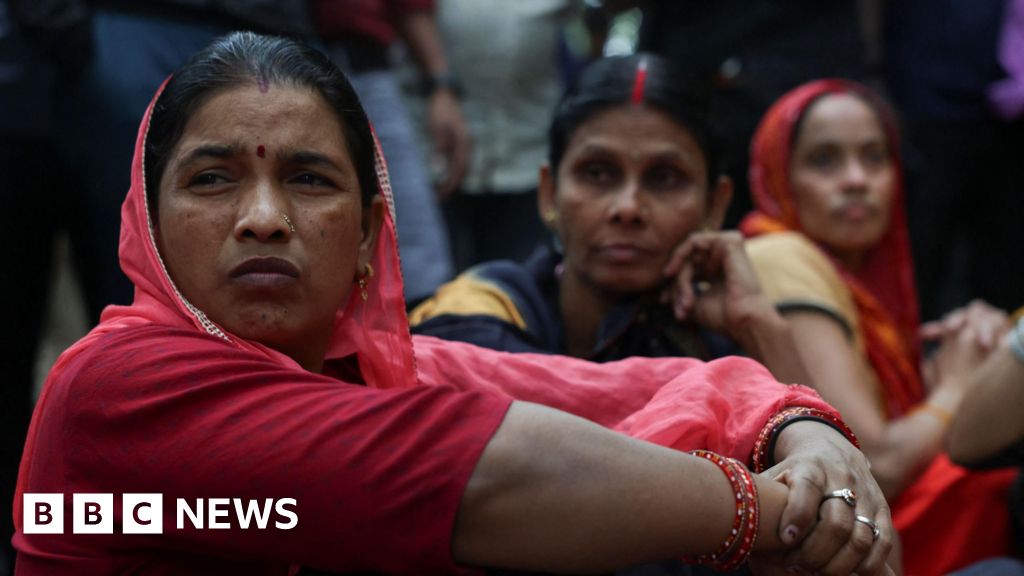
Earlier this week, rare scenes unfolded in Noida, a satellite city of India's capital Delhi, as thousands of factory workers blocked roads, demanding higher wages and better working conditions.
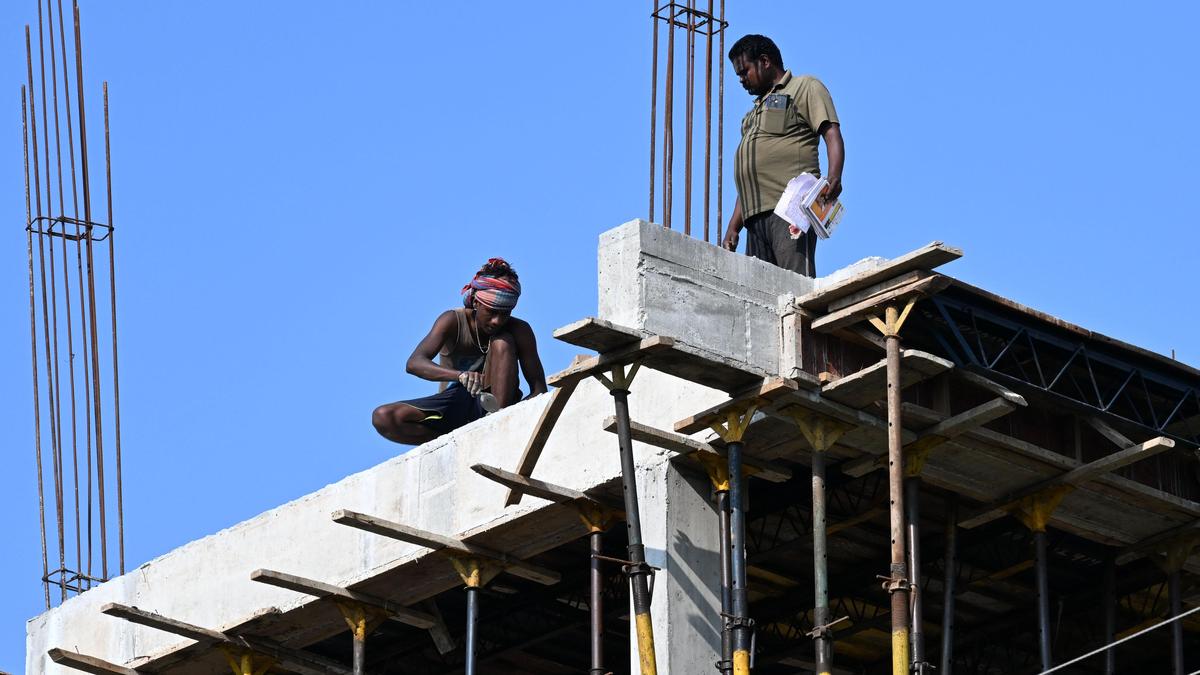
Most were non-unionised contract workers employed in small factories across industrial clusters, producing auto parts, electronics and garments, among other things. They earn between 10,000 rupees ($107; £79) and 15,000 rupees a month - wages that have remained largely unchanged for years. Many are migrant workers, living hand-to-mouth in cramped housing on the city's outskirts.
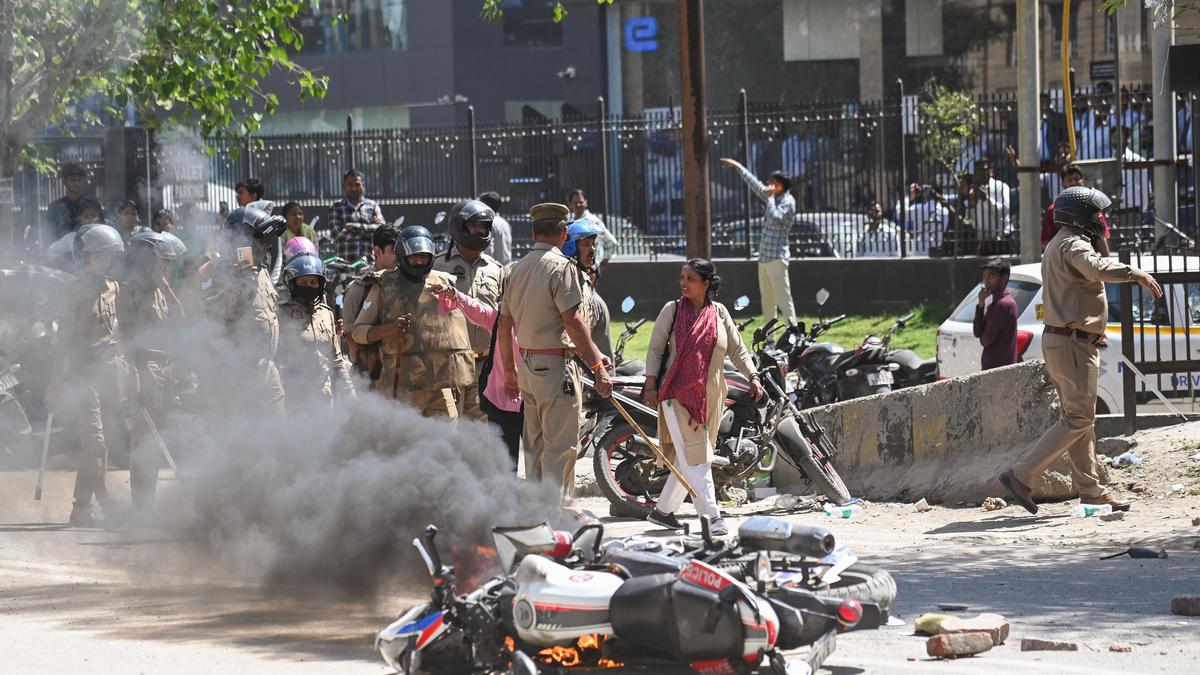
What began about a week ago as small, mostly peaceful protests across northern India has since escalated, turning violent in some areas. In Noida, police used tear gas to disperse crowds at several locations and arrested more than 300 people.
The unrest has been driven in part by stark pay disparities between states, highlighted by neighbouring Haryana's recent 35% increase in minimum wages following similar demonstrations.
As protests intensified, the government of Uttar Pradesh - where Noida is located - also announced a temporary wage increase in two districts and promised further measures.