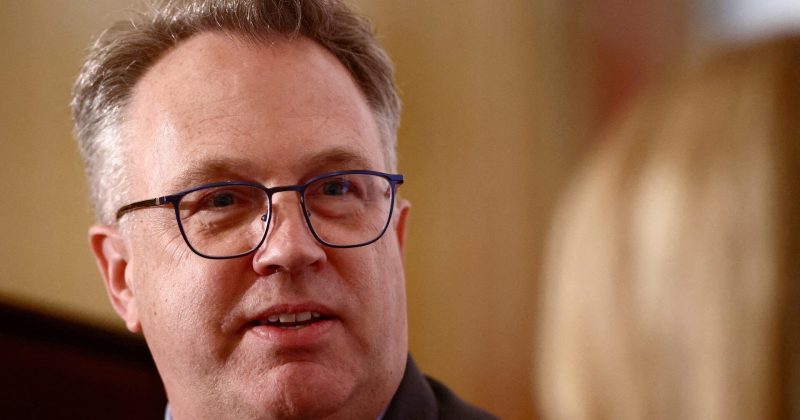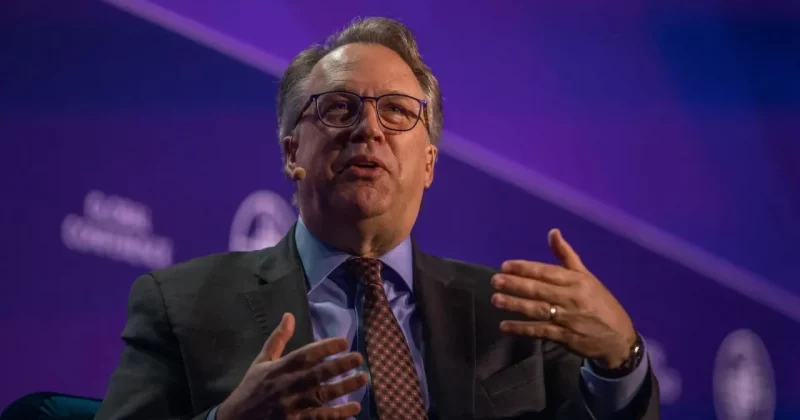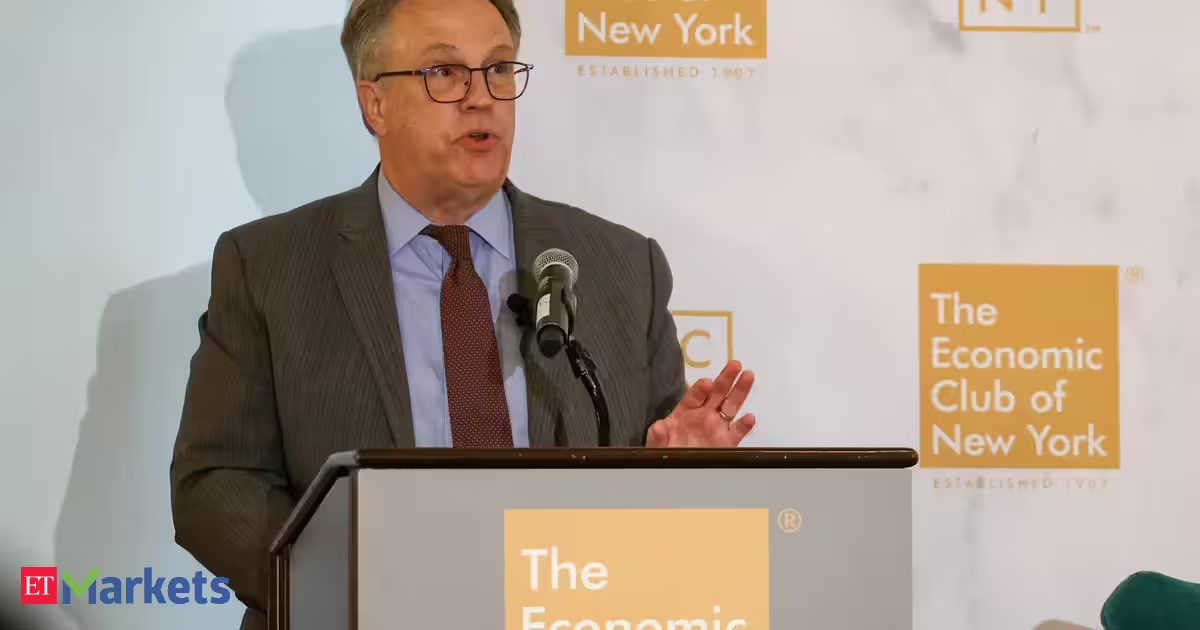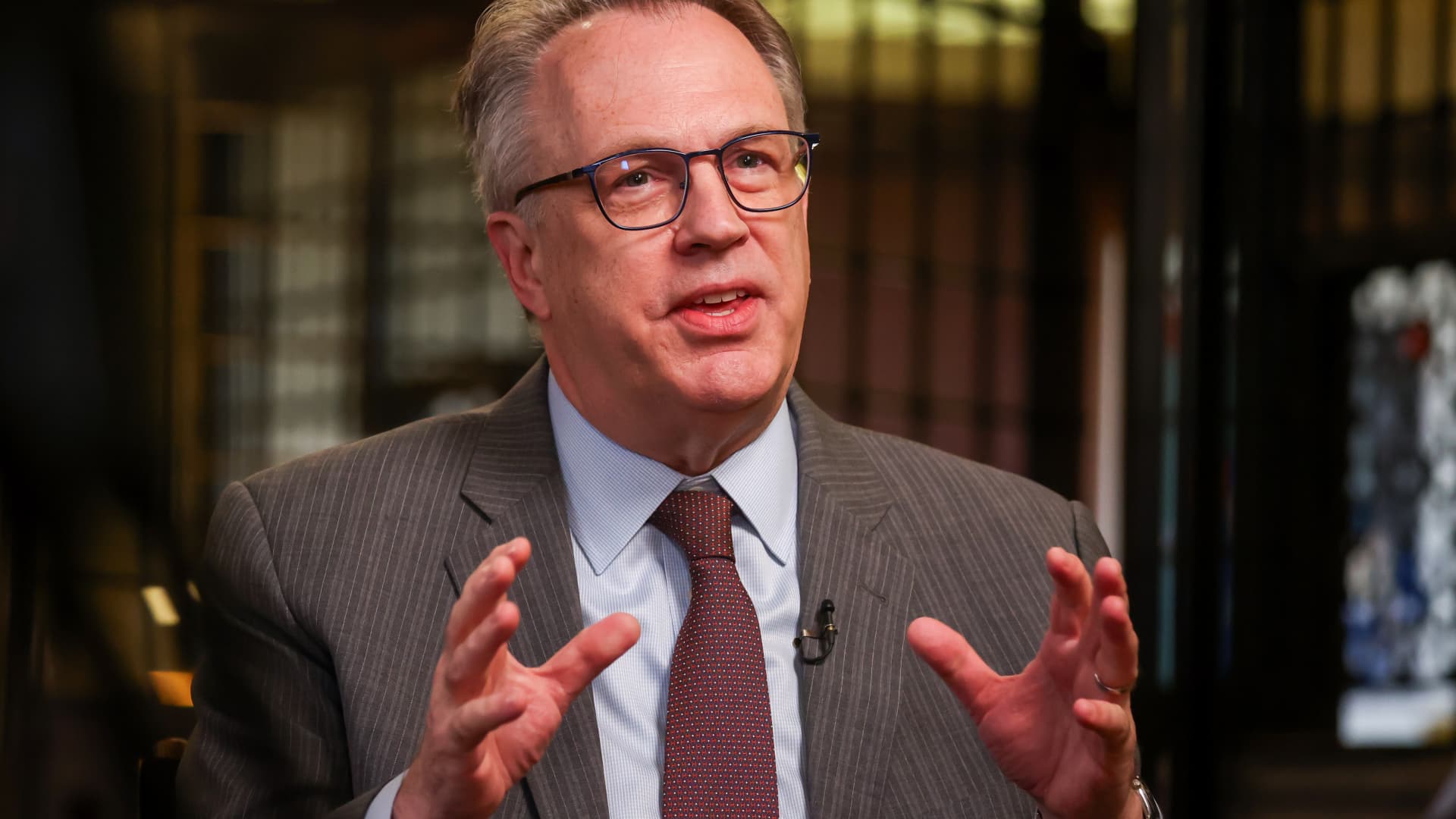
New York Fed President John Williams expressed concern Thursday about the Iran war’s impact on the economy, saying it already has shown signs of hiking prices and slowing growth.
In a speech delivered to bankers in his home district, Williams noted that the conflict has “intensified the uncertainty” around national and local conditions.
While he generally expressed confidence that growth would continue and inflation would ease through the year, he said there are threats to both sides of the Fed’s dual mandate for stable prices and low unemployment.
“Assuming energy supply disruptions ease reasonably soon, energy prices should come down, and these effects should partially reverse later this year,” Williams said. “However, the conflict could also result in a large supply shock with pronounced effects that simultaneously raises inflation — through a surge in intermediate costs and commodity prices — and dampens economic activity. This has begun to play out already.”
Such a condition — slow growth and high prices — is commonly referred to as stagflation and presents a toxic mix for central bank policymakers who would be left to choose which side to prioritize.